


by Chris Anthony
 e know how important ergonomics is to our grooming career, so let’s dive into the first principle of ergonomics: maintain a neutral posture. Specifically, in the principles of groomer ergonomics, this includes working at proper heights, keeping everything within easy reach and providing clearance.
We understand as groomers that a good haircut is facilitated by a well-put-together dog; the structure and understanding of that structure is vital. We also understand that no amount of corrective grooming will prevent arthritis and pain later in life in those east-west-footed Lhasas. Think of our posture as a dog’s structure; we can make anything work, but it sure is easier when it’s correct.
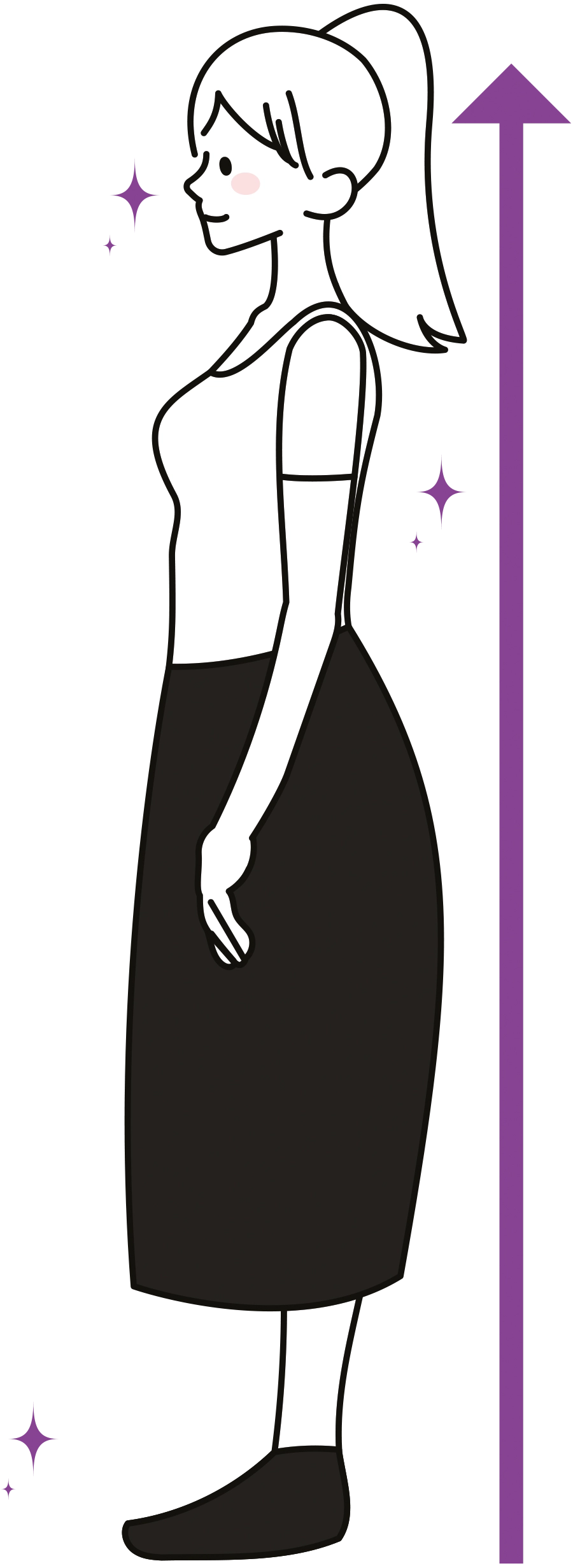
So, one of our goals when we talk about maintaining a neutral posture is to work with our bodies and keep ourselves in positions that reduce fatigue and simply don’t hurt. However, neutral posture doesn’t just refer to maintaining a straight spine when sitting or standing; other parts of your body have neutral postures as well.
Much of our understanding of neutral body posture has come from NASA studies of astronauts in weightlessness. NBP (neutral body posture) is the position the body naturally assumes in low gravity. It keeps everything aligned while minimizing stress on our joints and ligaments. While earthbound, this is comparable to floating in water.
Think of floating, fully supported yet relaxed, arms and legs ever so slightly bent. Sounds relaxing, right? The closest we often come is with those zero-gravity lounge chairs, which place us in a similar position. While we can’t exactly groom while reclining, keeping this picture in our heads will help us when we find ourselves leaning, bending, twisting, or with our shoulders slumped or hitched up.

e know how important ergonomics is to our grooming career, so let’s dive into the first principle of ergonomics: maintain a neutral posture. Specifically, in the principles of groomer ergonomics, this includes working at proper heights, keeping everything within easy reach and providing clearance.
We understand as groomers that a good haircut is facilitated by a well-put-together dog; the structure and understanding of that structure is vital. We also understand that no amount of corrective grooming will prevent arthritis and pain later in life in those east-west-footed Lhasas. Think of our posture as a dog’s structure; we can make anything work, but it sure is easier when it’s correct.
So, one of our goals when we talk about maintaining a neutral posture is to work with our bodies and keep ourselves in positions that reduce fatigue and simply don’t hurt. However, neutral posture doesn’t just refer to maintaining a straight spine when sitting or standing; other parts of your body have neutral postures as well.
Much of our understanding of neutral body posture has come from NASA studies of astronauts in weightlessness. NBP (neutral body posture) is the position the body naturally assumes in low gravity. It keeps everything aligned while minimizing stress on our joints and ligaments. While earthbound, this is comparable to floating in water.
Think of floating, fully supported yet relaxed, arms and legs ever so slightly bent. Sounds relaxing, right? The closest we often come is with those zero-gravity lounge chairs, which place us in a similar position. While we can’t exactly groom while reclining, keeping this picture in our heads will help us when we find ourselves leaning, bending, twisting, or with our shoulders slumped or hitched up.
Keeping everything in alignment, or in NBP, affects more than just your back. For example, when we twist ourselves sideways to scissor the inside of a leg, we’re not just affecting our wrists, but throwing the entire body out of alignment. Our elbow, shoulder, back, hip and knee can become out of alignment, and excess strain can be placed on all of these joints.
How we stand while grooming can be influenced by our table height and the part of the dog we’re working on. We have hydraulic and electric tables for a reason. But how many times have we found ourselves forgetting to adjust the table between dogs, or even between different parts of the same dog when we have a fully functioning electric table?
When we aren’t working at a proper height for us or the dog we’re working on, it will throw us out of alignment. Once or twice—or even once or twice a day—is unlikely to cause lasting damage. But groomers rarely do things by halves, so when we multiply that many times daily over the course of years, it can build up to pain and injury.
Even little movements that are out of alignment can build up over time. Think of how often we are looking down to work—not even including looking at our phones. Moving your head out of neutral position just an inch can add 10 pounds of pressure to your neck and spine.
Our hands also have their own neutral posture, and with everyone’s hands being different that can be thrown off by our shears not fitting our hands correctly. Going to trade shows and trying on shears is the best way to find shears that fit your hand, and some companies will even set up a virtual session with you and help you fit your shears.
No one wants to be constantly digging for a piece of often-used equipment or risking a fall by leaning too far to grab something. We often forget about the one thing that’s most important to keep within easy reach: the pet in our care! We usually have the ability to organize our workstations with what tools and products we reach for most often. But we usually don’t have the space for different table sizes to accommodate very different-sized pets.
Unless we specialize in small dogs or cats, the best solution here is to have a table large enough for the largest pet we groom and then use a table divider for our smaller dogs and cats. However you achieve keeping the pet within easy reach, it needs to be comfortable for both you and the pet in your care. After all, they want to be ergonomic too.
Providing clearance is a part of this particular principle of groomer ergonomics as well. It usually comes into play when designing your salon space, and can be as simple as making sure that no one can bang their head on low shelves or storage solutions. If you’re in a shop that is already set up, this can sometimes be simply ensuring all upper crate doors are kept closed.
It also means that if you’re 6’ 6”, you might want to think carefully about getting into mobile grooming. But even if you’re not particularly tall, take the time to go inside any mobile grooming van or trailer you’re considering purchasing. Most manufacturers have put considerable thought into making effective use of space and keeping everything within reach, but make sure it will work for you before investing that significant amount of money.
While no runway walk while balancing a book on your head is required, I hope you are standing up a little straighter—and not only for your posture, but because you’re proud of your profession.