

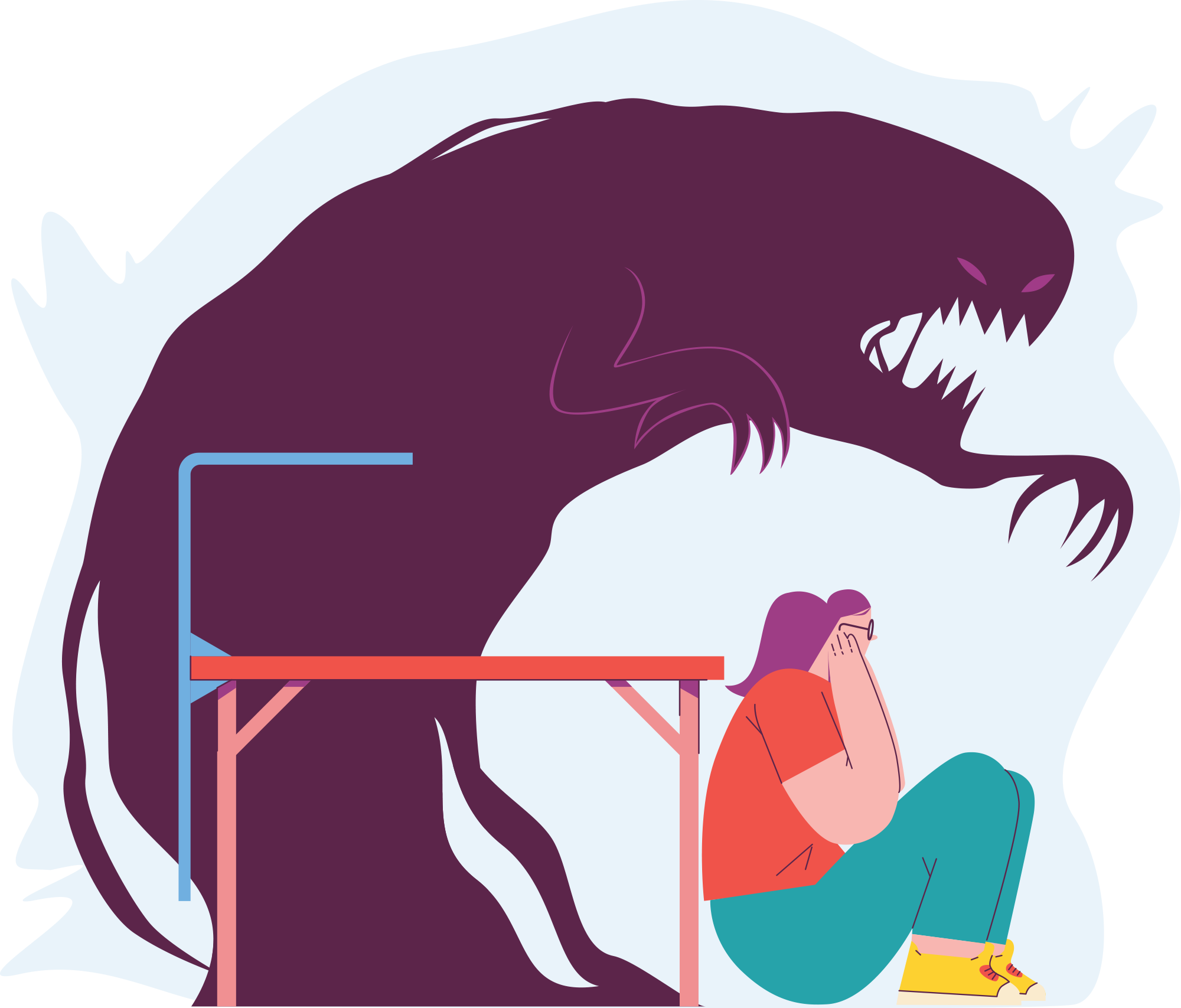
 nfortunately, these aren’t uncommon stories: Groomers retiring far earlier than they’d like, having surgery to repair injuries, being out for weeks or months rehabbing a work-related injury, or just plain living in pain. As much as we try to prevent them, injuries can happen in the grooming salon. Many can be reduced by proper ergonomics, including Muscular Skeletal Disorders, or MSDs, but what makes them different from other grooming-related injuries?
Let’s use our very favorite slicker brush as an example…
We all know the joys of a new brush—lovely, long pins to get through that doodle coat, a handle that fits our hands just right, and it may even be in a color that makes us smile. We reach for it again and again, day after day. We do our best to protect it, but it’s just a brush, after all, and not as cherished as our precious shears.
Over weeks and months, wear shows, pins get bent or lost altogether, and the color gets scuffed off the handle or even fades a little. Over time, these changes make it less effective. However, these changes happen slowly, and we may not even notice right away that it’s not performing like it used to until it becomes impossible not to notice. This is comparable to an MSD, also called “repetitive motion injury” or “repetitive strain injury,” which shows a slow wearing over time.
Now, if that same new brush (or even an older one) hits the floor and is stepped on, snapping the handle or mashing the pins, that’s similar to an acute injury. Both types of injuries happen in grooming salons worldwide. This article will focus on MSDs, the injuries that can sneak up on us.

Hand-arm vibration syndrome is caused by regular and prolonged exposure to vibration, primarily through the use of vibrating hand tools. This is often seen in workers using heavier machinery, such as jackhammers. Although our clippers shouldn’t vibrate that much—unless we’re really behind on changing our blade drive—they still do. Another culprit is holding the dryer hose for extended periods. The air traveling through the hose, as well as the powerful motor, causes vibrations, which is part of the reason our hands go numb after a while.
Some of the symptoms of this syndrome include permanent numbness in the hands and fingers, muscle weakness, and aches and pains in the hands and arms. Sound familiar? Carpal tunnel syndrome produces similar symptoms, which include numbness in the fingers, pain in the hands and arms, and muscle weakness. There are other symptoms that help us tell the difference between the two, but there is enough overlap that scientific journal articles have been written on not writing off all symptoms of tingling fingers automatically as Carpal tunnel.1
The leading cause of Carpal tunnel syndrome is often seen as any of those awkward moments we experience many times a day, such as bending our wrist and bringing our thumb towards our ring finger, which compresses the median nerve. However, one of the causes of it is also the use of vibrating tools.
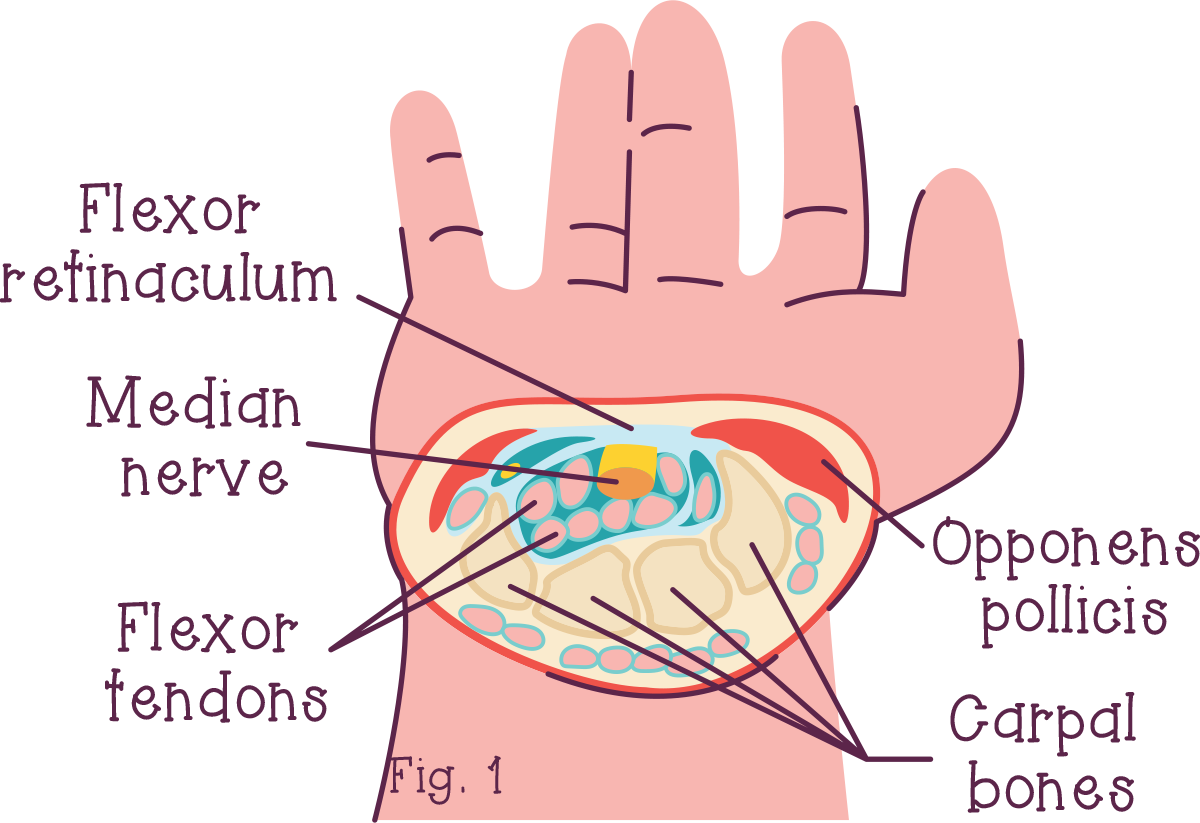
The median nerve does not have much room (Fig. 1), and any swelling or aggravating of the tendons surrounding it can put pressure on the nerve. The damage isn’t caused right away; remember, this is a gradual injury.

When we discuss ergonomics, any posture or motion that is not neutral is considered awkward. The more awkward moments we experience during the course of our workday, the higher our risk of these Muscular Skeletal Disorders (MSDs).
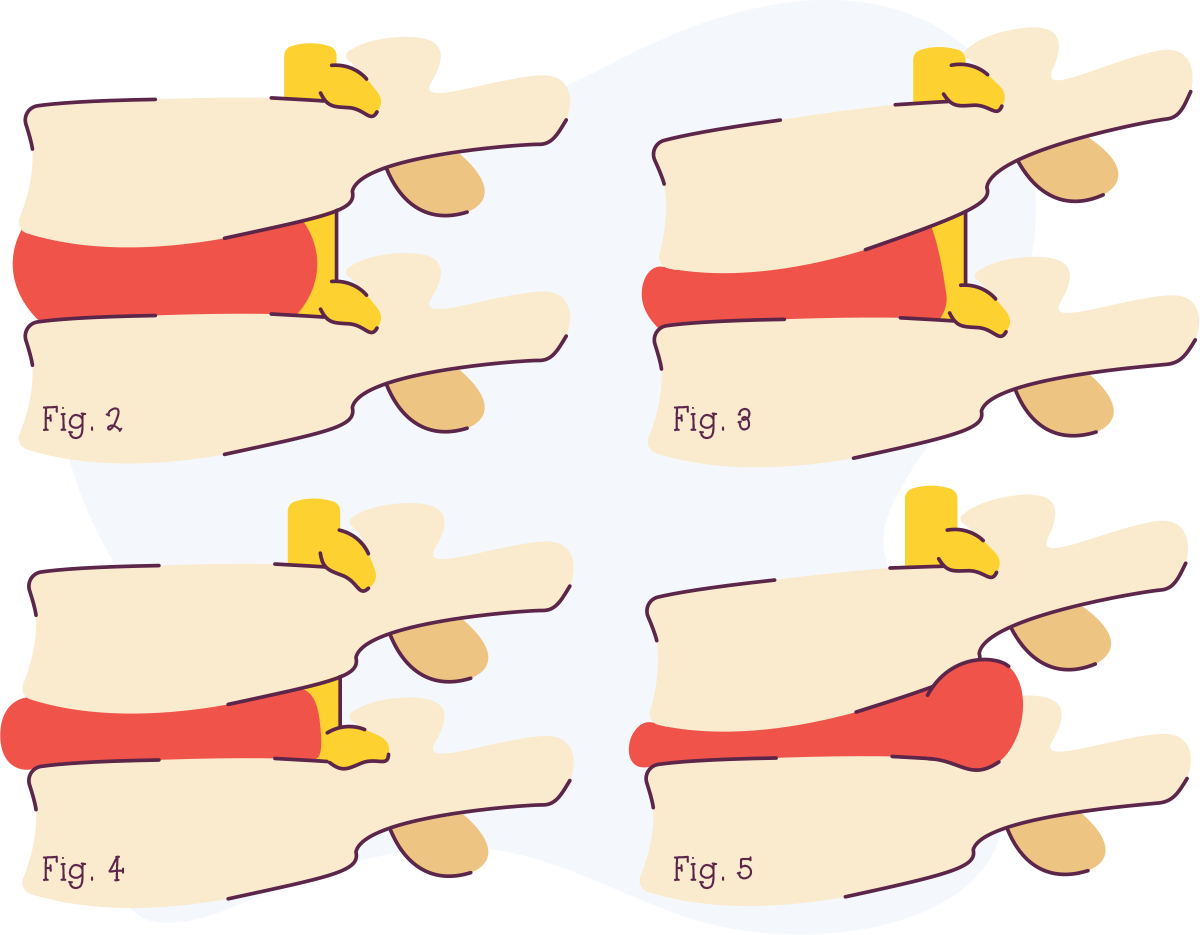
Our aching backs are a perfect example. There’s plenty of cushioning in a normal spine (Fig. 2), but with repeated awkward movements (Fig. 3), paired with heavy lifting and time, the cushion can compress (Fig. 4) and eventually cause a herniated disk (Fig. 5).
Coming back from this type of injury, like other MSDs, can range from pain management and physical therapy to surgery. Much like preventative maintenance on our tools and equipment is often cheaper than replacing them, using ergonomics to prevent MSDs is a far better alternative to surgery.
Fortunately, our bodies can repair themselves much better than that slicker brush; however, our goal should always be to prevent damage to both our tools and our bodies through proper maintenance and care. Understanding and using proper ergonomics, which includes stretching exercises, is crucial. After all, you are much harder to replace than a brush!
References:
- Cooke RA, Lawson IJ. (January 2021) Differentiating HAVS and CTS, Occupational Medicine, Volume 71, Issue 1, Pages 4–5, https://doi.org/10.1093/occmed/kqaa174
Chris Anthony brings over 20 years of experience in the pet industry, fueled by her passion for grooming and caring for animals while taking care of her own well-being. Her collaboration with Evolution Shears highlighted the critical importance of ergonomics in grooming. Founded by Abbe Hann, a groomer who left her career due to hand pain, and Moe Hann, a skilled sharpener, Evolution Shears aims to help groomers continue their work pain-free. Chris embodies this mission through her articles and teachings, currently offering a four-hour certificate course on grooming ergonomics available on PawsitiveEd.com. For more information, visit Evolutionshears.com