

by Lynn Paolillo
 f cats had a “most stylish” award, curly-coated breeds would win it, paws-down. These wavy wonders have charmed their way into the hearts of breeders, owners and professional groomers around the world.
With coats ranging from velvety ripples to fluffy curls, curly-coated cats are living proof that Mother Nature loves to experiment. But where did these breeds come from, and what makes them so unique? Buckle up, because we’re about to dive into the fascinating and often serendipitous history of the world’s curly-coated cats.
The breed was officially recognized by the Fédération Internationale Féline (FiFE) in the early 1960s, and its striking appearance soon garnered worldwide attention. The Cat Fanciers’ Association (CFA) and The International Cat Association (TICA) followed suit, cementing the Cornish Rex’s place as a favorite among cat enthusiasts.
One interesting fact is that the Cornish Rex’s curls are caused by a recessive gene. This means both parents must carry the gene for their kittens to inherit those luscious waves.

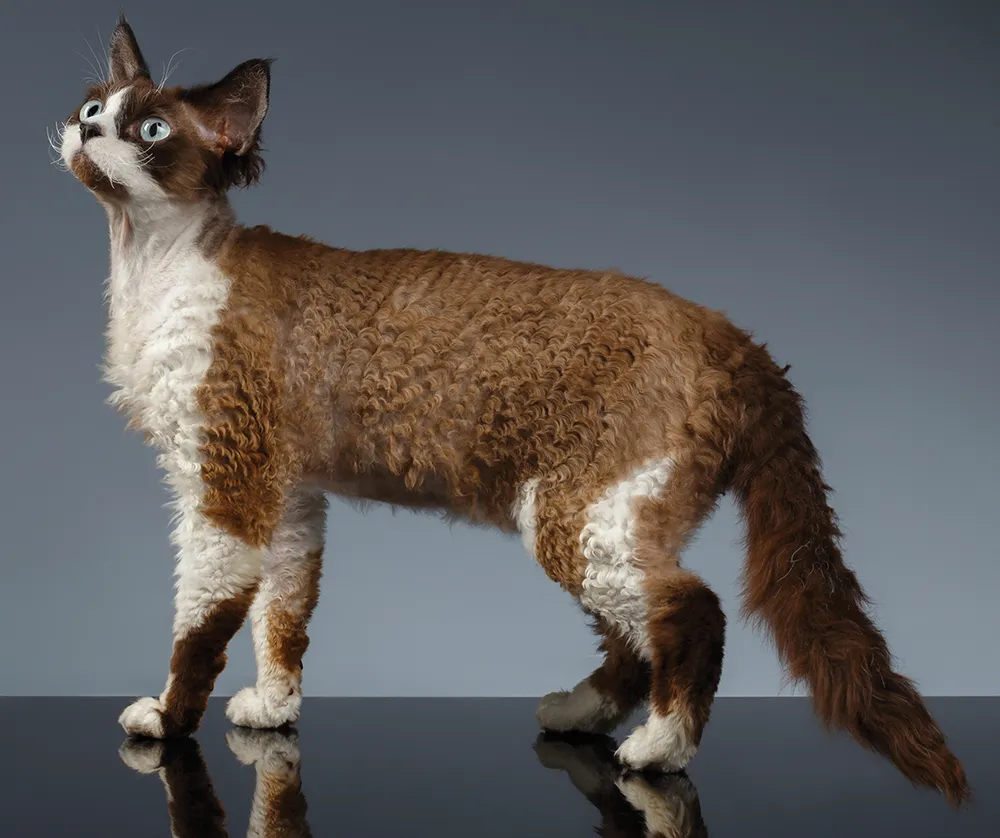
The Devon Rex: A Rebel with a Cause
With its pixie-like face, giant eyes and impish personality, the Devon Rex is a breed that’s impossible to ignore. Known for being playful, affectionate and a little mischievous, these cats quickly gained recognition in the cat associations.
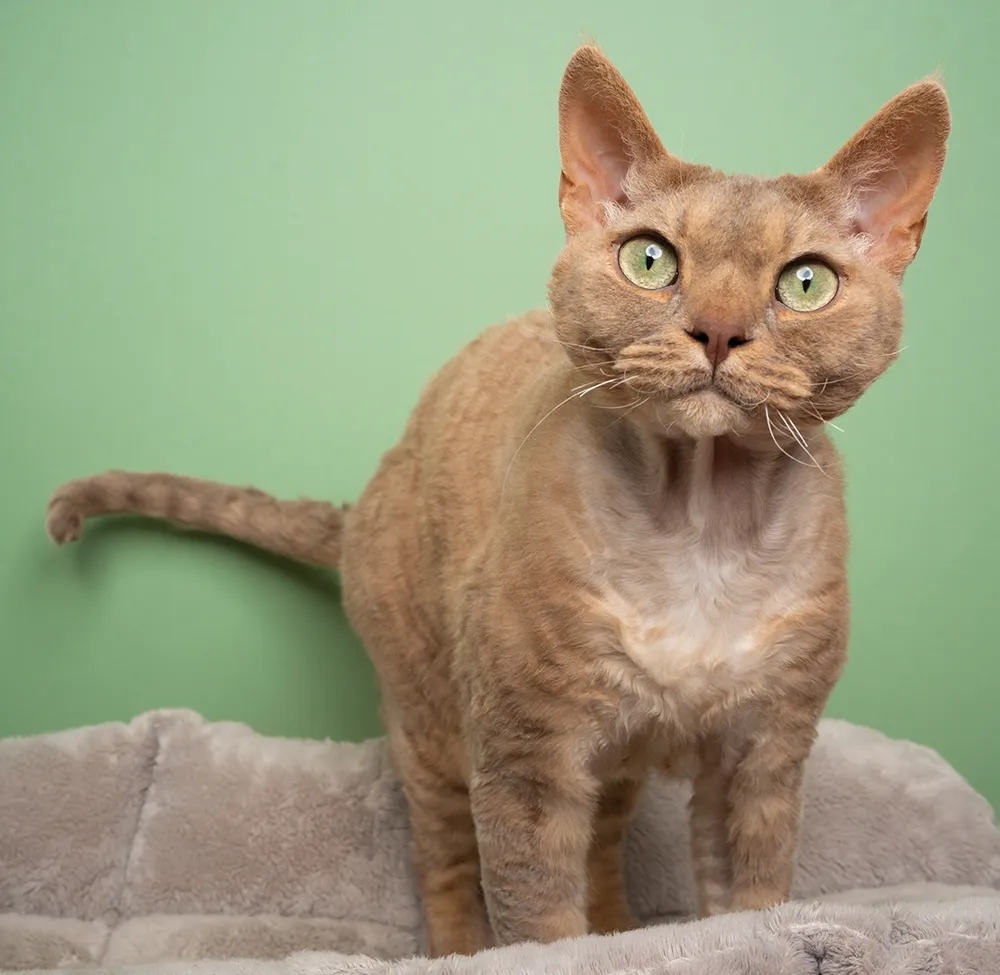
The German Rex was one of the first curly-coated breeds officially recognized by FiFE. Today, these cats are known for their playful, affectionate nature and luxurious coats. They’re a rare breed but are cherished by those lucky enough to own one.

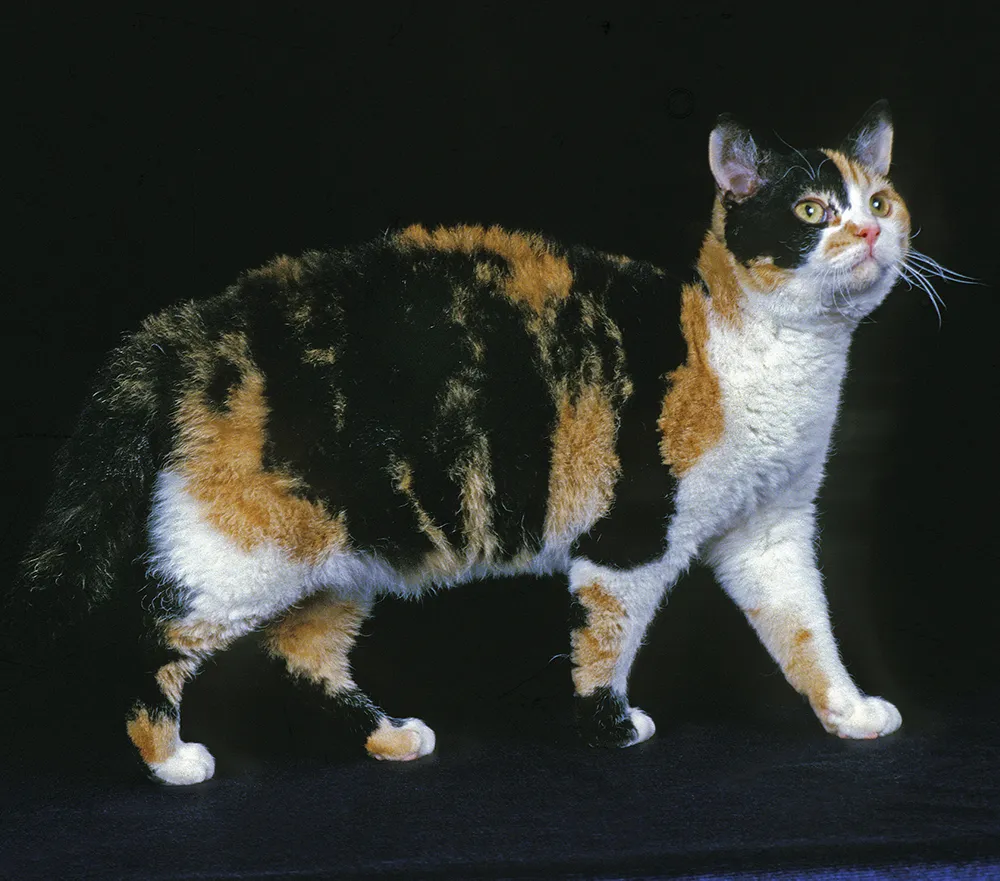
While not a “Rex” breed, the American Wirehair’s unique coat sets it apart from other cats. Its fur is dense, springy and surprisingly low-maintenance. These cats are known for their laid-back, friendly demeanor, making them great pets and easygoing grooming clients.
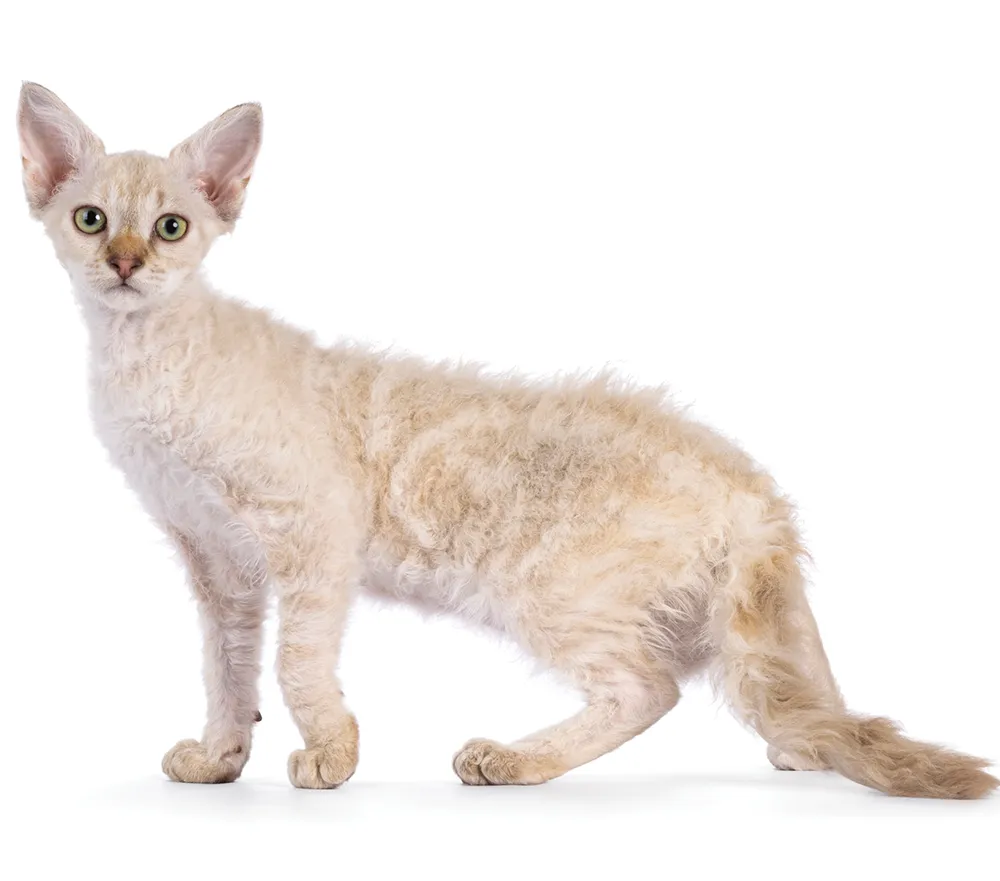
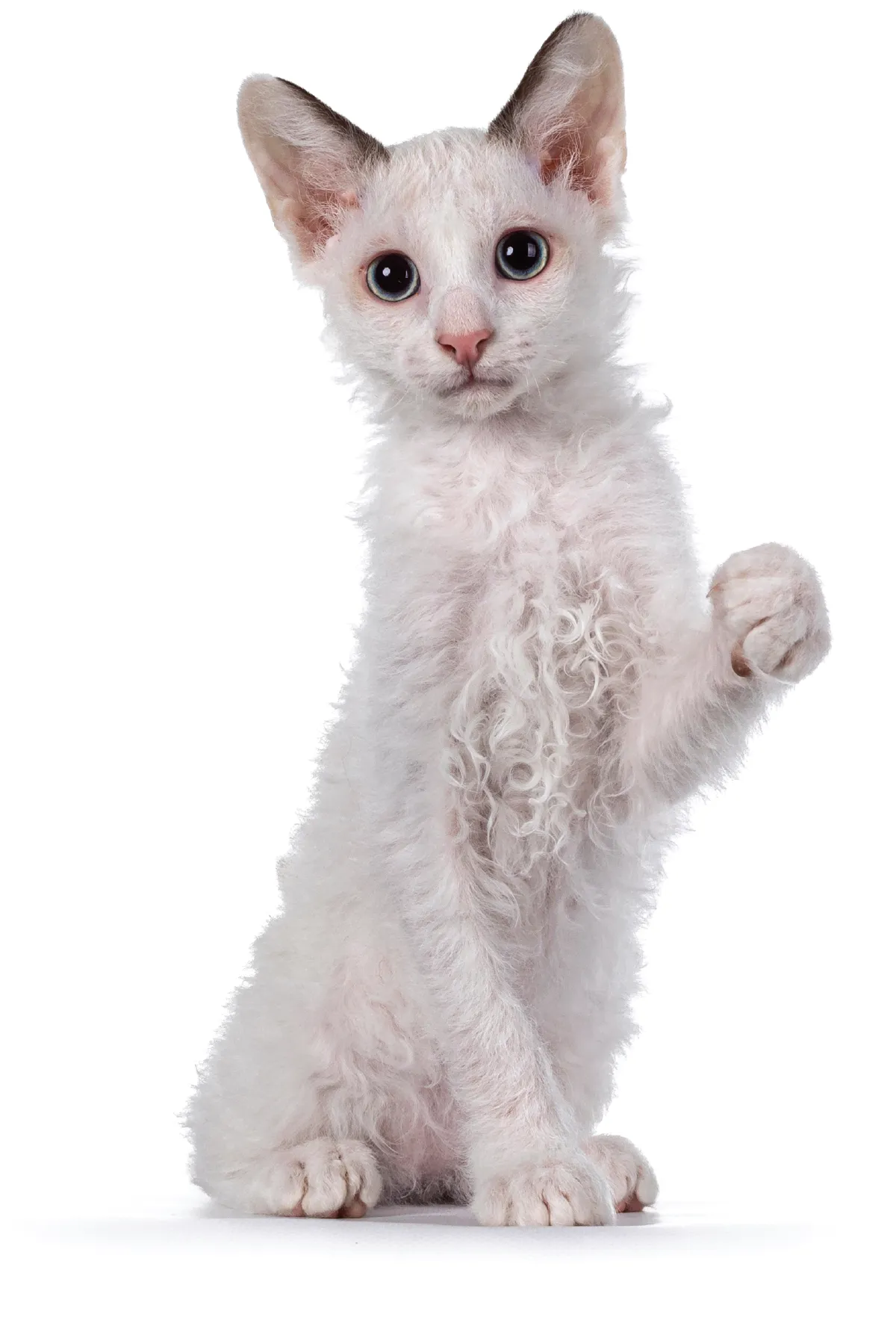
LaPerms are known for their soft, springy curls that range from loose waves to tight ringlets. Their coats come in all colors and patterns, adding to their unique charm. Beyond their looks, LaPerms are affectionate and intelligent cats who love to be the center of attention.

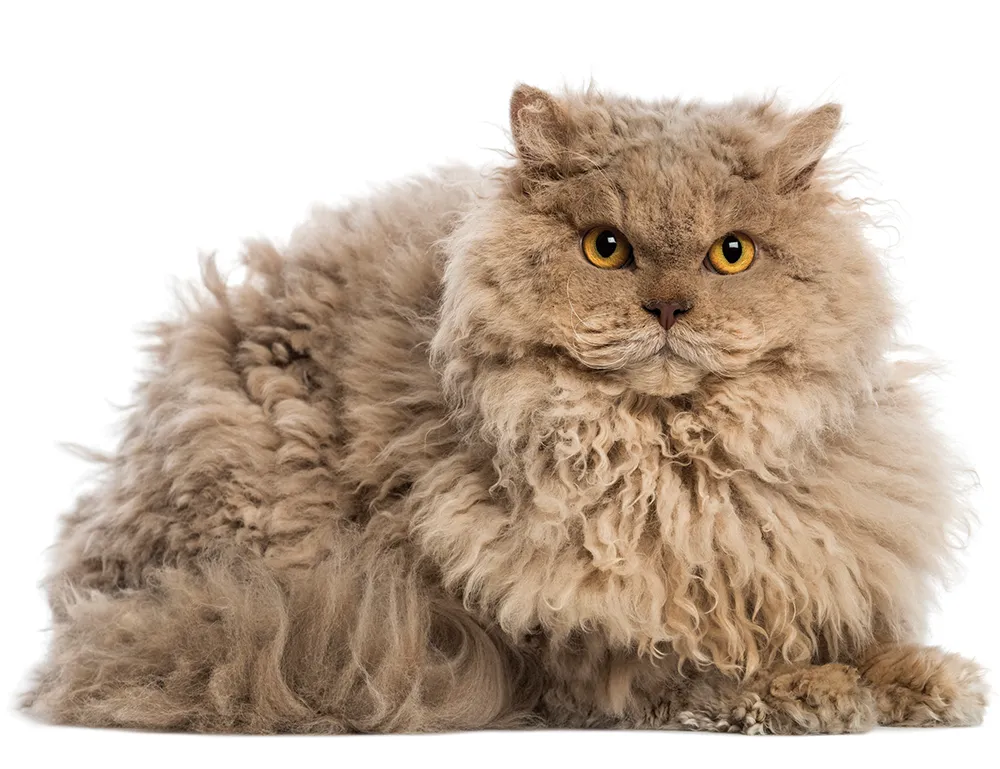
What makes the Selkirk Rex even more special is that its curls are caused by a dominant gene. This means that even if only one parent has the curly coat gene, some of their kittens will inherit it.
Coming in both long- and short-haired varieties, the Selkirk breed has allowed outcrossing with Persians, British Shorthairs and Exotic Shorthairs, creating a breed that is much stockier and solid than the delicate, lithe body types of the Cornish and Devon Rexes. The Selkirk Rex is cherished for its unique look and friendly disposition.
Pro Tip for Groomers: While Selkirks are low-maintenance compared to some breeds, their dense curls can tangle. Regular combing is a must to keep them looking their fluffy best.
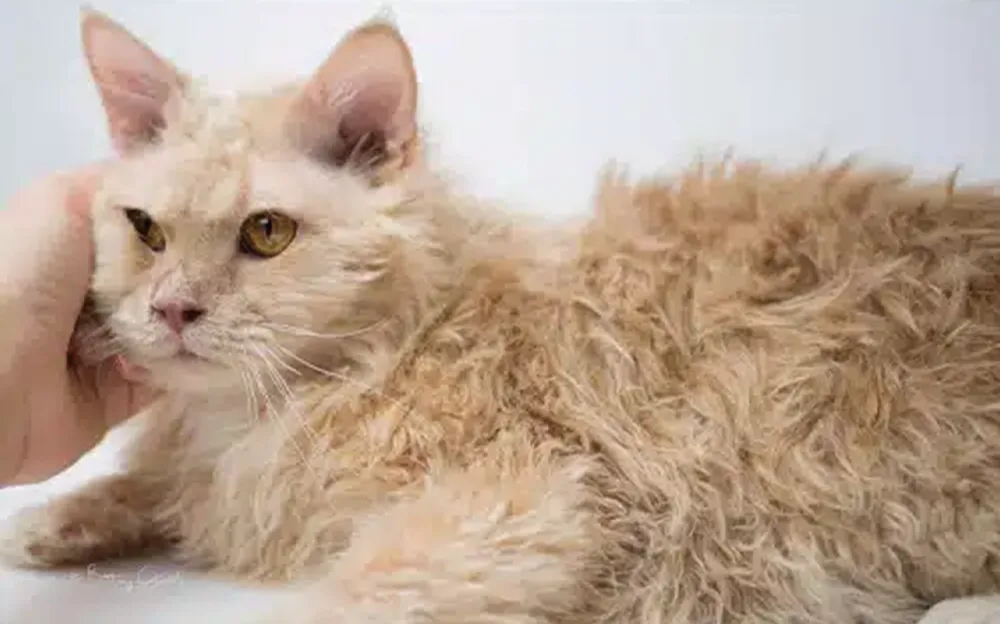
Tennessee Rex are known for their affectionate, people-oriented personalities. They’re social butterflies who thrive on attention, making them ideal for families. Hopefully they’ll grow in popularity and we’ll see more of these cats in the future.

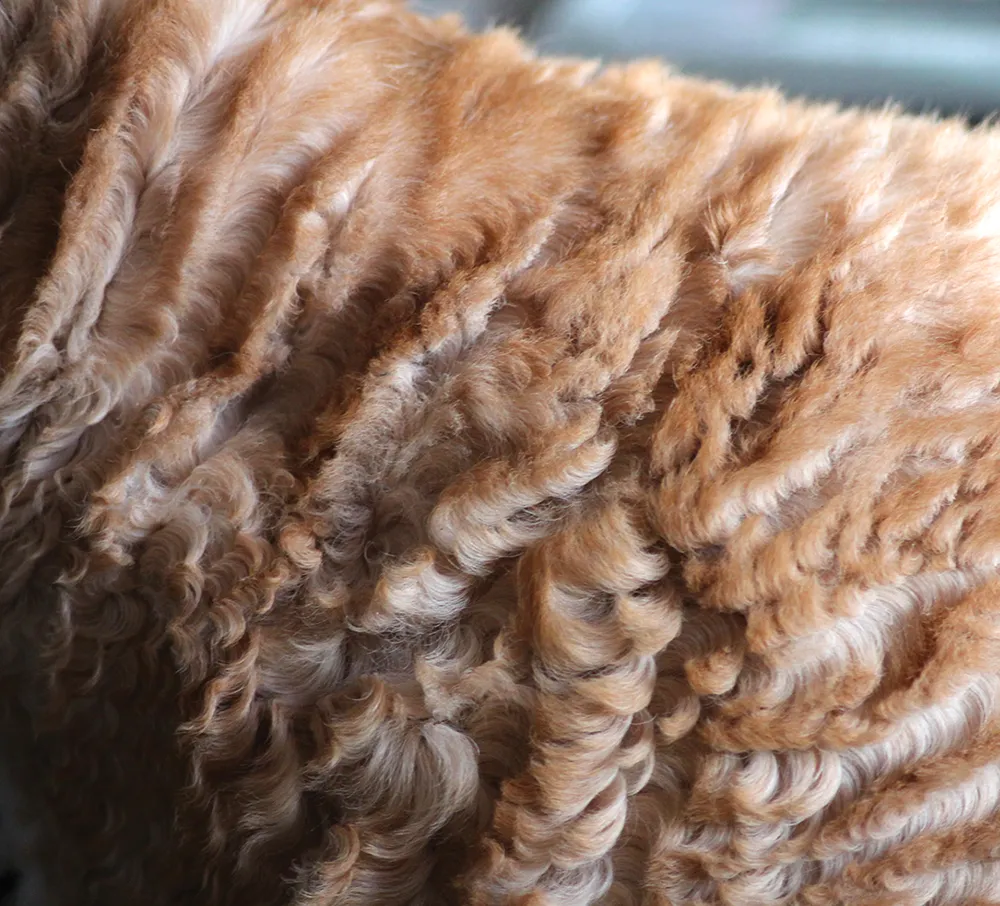
For groomers, working with curly-coated cats is an opportunity to celebrate their individuality while keeping them healthy and happy. Here are a few tips to keep in mind when grooming these unique felines:
- Know Your Curls: Each breed’s coat texture is different, so tailor your grooming approach accordingly. For example, Cornish and Devon Rex coats are delicate and flat-lying, while Selkirk Rex coats need more attention to prevent tangles.
- Use the Right Tools: A wide-tooth comb is often the best choice for curly coats. Avoid heavy-duty brushes that could damage their delicate fur.
- Be Gentle: Unlike dogs that get blow-dried and brushed to straighten their hair, let these curls form naturally with low-powered drying and light pressure when brushing or combing.
- Communicate with Owners: Educate cat owners on how to maintain their pet’s coat between grooming sessions to prevent matting and other issues.