

 or many, the image of a dog groomer is a soothing one: gentle hands, puppy kisses and the rewarding transformation of a scruffy pet into a pristine companion. But the reality is far different…
Inside the high-velocity, high-demand salon, life is a constant battle against physical exhaustion and emotional strain. We often discuss burnout, the exhaustion from excessive work, and compassion fatigue, the toll of dealing with animal suffering. Yet, these concepts fail to capture the true, deeper psychological injury that is silently driving skilled professionals out of the industry.
This trauma is “moral injury”—a clinical concept originally applied to military personnel and healthcare workers. Moral injury is the profound distress resulting from actions that violate one’s deeply held moral or ethical beliefs.
For a pet groomer, this injury occurs when external pressures such as scheduling, aggressive clients, or financial necessity force them to compromise a pet’s comfort or safety. They are compelled to carry out actions they know are ethically wrong.
This article explores this insidious issue we call “Groomer’s Guilt.” The guilt is the psychological consequence of having a pet’s welfare in your hands while simultaneously adhering to an unforgiving economic and time-based model. By examining the systemic pressures that force groomers to violate their own moral code, we can finally address the fundamental changes required to save the careers and the mental health of those of us who care for pets.

When a dog is matted to the skin, a humane shave-down is the only solution, yet clients often demand painful dematting to preserve aesthetics—sometimes threatening the groomer’s livelihood or reputation. This constant conflict between the pet’s physical welfare and the owner’s demands creates a cumulative psychological toll that can span an entire career.
The weight of these ethical compromises does not get easier to carry with time because it only grows heavier. When a groomer is forced to choose between their own professional survival and the immediate physical suffering of a pet, the resulting internal fracture leaves a permanent mark.
Moral injury from the matting dilemma is addressed by removing the groomer’s fear of financial retaliation and replacing subjective terms with objective standards backed by thorough documentation. To do this, grooming professionals should implement a non-negotiable matting policy. This policy establishes the following strict, quantifiable rules:
- Severity Mandate & Time Limit: Any coat condition considered “pelted” must be shaved down (“naked”). The professional will spend a maximum of X minutes on the entire dog for the dematting process. Any effort exceeding this whole-dog time limit is deemed inhumane and is prohibited.
- Financial Deterrent: The required dematting or shave-down fee must be a significant surcharge, potentially double the price of a standard full-service groom. This reflects the increased difficulty, time, emotional toll and risk caused by the client’s neglect. This fee compensates the groomer fairly and serves as a financial deterrent against future lapses in care.
- Documentation: For any matted pet, before, during, and after photographs and video documentation are mandatory. The documentation must show the condition of the skin pre-groom and the absence of marks post-groom.
- Legal Protection: A signed Matted Pet release form will create a legal paper trail.
- Refusal: Any client refusing the required shave-down or the associated fee must be politely turned away, protecting both the animal’s welfare and the groomer’s integrity.

The groomer knows the kindest, safest groom is a short, stress-minimizing “comfort clip,” performed quickly, allowing the dog to lie down frequently. The owner, however, may be unwilling to accept their dog is a senior and insist on the full, time-consuming “fluffy cut” which requires significant standing, brushing and scissoring.
The moral injury occurs when the groomer must subject the fragile, uncomfortable dog to an extra 30–60 minutes of stress to appease the client, often with the knowledge that this stressful session is the pet’s last memory. This conflict leaves the groomer with a profound sense of guilt from jeopardizing the animal’s limited remaining comfort.
Whether it is the battle over a matted coat or the heartbreaking dilemma where a pet’s final moments are spent on a grooming table, we are constantly forced to choose between the owner’s vanity and the animal’s dignity. To bridge the gap between the heartbreak we have witnessed and the professional integrity groomers deserve, we must move from passive emotional endurance to active, formal advocacy.
- The Physical Toll: Grooming a senior pet requires extensive handling. This process puts a significant toll on fragile joints, and the dog may struggle to stand or walk for a period of time post-session.
- The Comfort Mandate: The contract establishes a “safety first” protocol. The groomer’s priority is the shortest, kindest session possible, meaning the style must minimize the time spent standing, washing, drying and scissoring.
- CPR: Does the owner want you to save the dog if they collapse in your care? There are repercussions to performing this on such a frail pet.
- The Final Say: This protocol gives the groomer the explicit power to refuse service if the client rejects the comfort mandate.
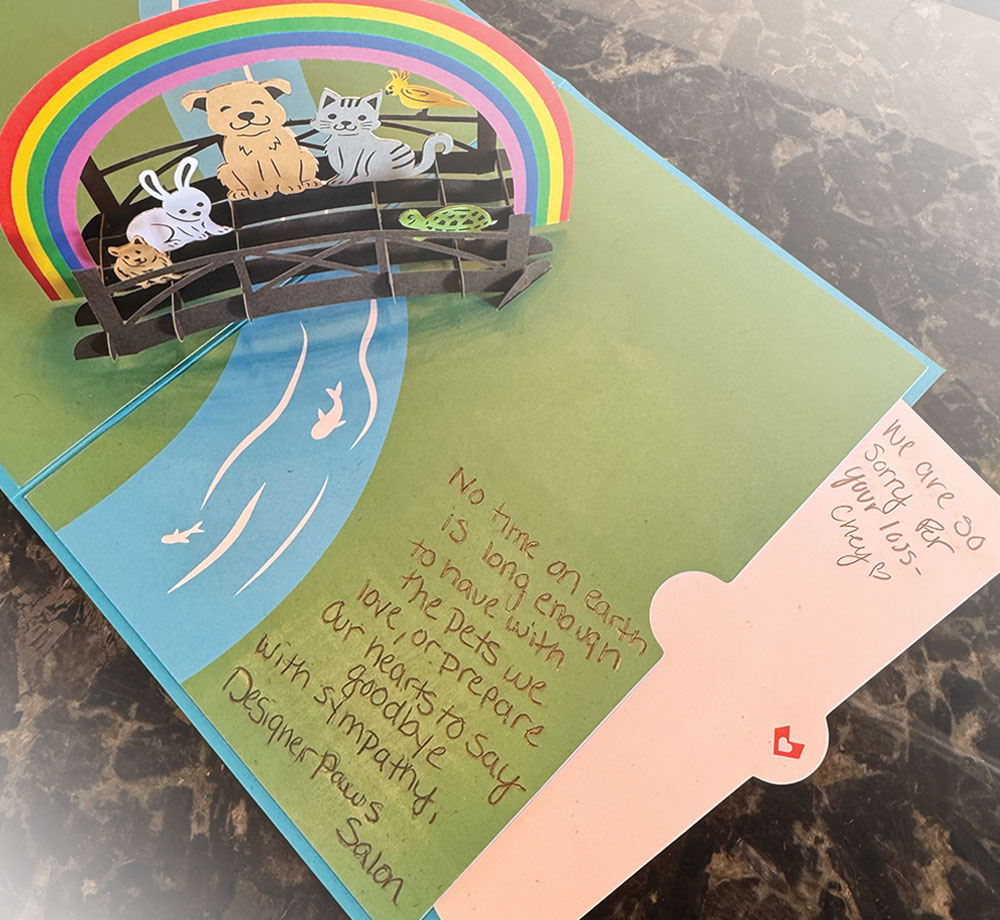
- Timing of Notification: If a client notifies the salon that a senior or ill pet has passed, management should ensure the news is delivered to the groomer at the end of the day, rather than at the beginning or middle. This prevents the groomer from being forced to perform delicate work while emotionally compromised.
- Communal Grief Rituals: Salons should facilitate compassionate, tangible ways for staff to process loss. One effective method is creating “Over the Rainbow” cards. All staff who worked with the pet should contribute a positive memory or sentiment, allowing for communal healing.
- Compassionate Time Off: Following a particularly traumatic loss or difficult last groom, management should actively offer the groomer a brief period of time off or light duty to process the emotional toll, reinforcing that their wellbeing is valued over immediate scheduling needs.
The trauma stems from a deep sense of powerlessness. The groomer carries the heavy burden of knowing a life is at risk, yet they must return the animal to an owner who may deny, dismiss or delay the urgency of the situation, leaving the professional to navigate the overwhelming psychological toll of a crisis they have no authority to resolve.
When you are in that emotional state, your reflexes are compromised and you are not thinking straight, so the likelihood of an injury to another dog or to yourself is very high.

- Release Form Coverage: The intake paperwork should include a specific release form outlining potential risks during grooming, including the possibility of nicking unseen skin irregularities such as moles, warts or embedded objects.
- Discovery Protocol: If serious conditions like hot spots, maggots or deep sores are discovered, the groomer must immediately stop and take clear, dated photographs and forward the documentation to the client.
- Immediate Staff Support & Trauma Debriefing: In the event the groomer discovers a severe, acute or traumatic medical issue (including a collapse, seizure or death), they should be immediately removed from the grooming floor.
- Training & Communication: Groomers should receive formal pet first aid and CPR training and also be equipped with standardized, calm communication scripts for relaying distressing findings.
Through the high-speed, volume-based model often enforced by management, groomers frequently receive dogs in poor, matted condition that ethically demand a shave-down. This triggers an immediate conflict: The groomer shaves the matted dog to prevent unnecessary pain (upholding their ethical code); the client, unhappy with the resulting short coat, blames the groomer and posts a bad review; and finally, the salon owner, prioritizing reputation or short-term revenue, retaliates against the groomer.
These professionals are intentionally put in a position where they must either violate their moral code by attempting a painful dematting—risking injury and guilt—or advocate for the dog and face institutional punishment. After repeated exposure to this profound moral betrayal, the mental and moral fatigue becomes overwhelming, serving as a primary driver of burnout and the reason skilled professionals leave the industry.
The institutional failure to provide basic human compassion and time for processing trauma is particularly toxic. This crisis is compounded by the fact that the grooming industry often attracts highly compassionate, empathetic individuals, including many who are neurodivergent.
These professionals are driven by a powerful moral imperative to help and protect animals, often extending themselves beyond reasonable professional limits. However, this very compassion becomes a liability in a broken system. The intense desire to “fix” a neglectful situation sets them up for burnout and depression when their efforts to act ethically are consistently met with institutional betrayal.
- Owner Accountability: Salon owners must commit to having the groomer’s back, regardless of a bad review. This means shielding the groomer from client anger when necessary ethical actions (like a shave-down) are taken.
- Client Education & Refusal Policy: Owners must empower their staff with the ability to safely refuse service. If a client is unable or unwilling to understand the dog’s welfare needs, refusal is a necessary tool to protect both the animal and the groomer’s mental health.
- Ethical Quotas: Owners and managers must establish ethical quotas, which are policies that limit the maximum number of large, elderly, or difficult dogs a groomer can safely handle in a single day or week. Most critically, the baseline pay for a groomer must be high enough to allow them to comfortably say no to any service that violates their ethical code.

Management must recognize that their employees are not just numbers; they are human beings whose mental health directly impacts performance and retention. This requires shifting focus from prioritizing sheer volume to cultivating a balanced environment where a groomer is mentally capable of doing the workload.
Productivity increases when employees feel valued, have a support system and know they can have a “bad day” without fear of retaliation. When staff are happy and feel understood by management, they are less likely to leave or carry resentment.
While toxic work environments often start with management, employees must also be mindful of the baggage they carry from previous toxic jobs and be willing to participate in fostering a positive culture. True change is a concerted effort required from the employee, the employer and all levels of management; everyone must actively want a healthy environment.
In addition to professional help, there are practical, actionable steps that can be taken in the salon immediately to support mental load. One idea is to establish dedicated “Mental Health Days,” which are separate from sick days, allowing staff to take a day off to reset when they are feeling overstimulated or overwhelmed, with no questions asked. Management can also normalize the use of “Headphone Days” as a boundary tool, which will allow groomers to signal they need to focus on work and minimize distractions, indicating that communication should only occur when absolutely necessary.
By implementing these systemic changes, equipping groomers with the ethical authority to act as true advocates for the animals and providing foundational support for their wellbeing, the industry can heal the moral wounds of its professionals, safeguard the pets in their care and create a truly sustainable and rewarding career path.