




by Lexie Goldsmith
 ats are masters of disguise when it comes to pain and discomfort. In the wild, showing vulnerability can make them easy targets, so even our domestic companions have inherited this instinct to conceal signs of illness or distress, including mouth pain.
Dental disease is one common medical issue in companion animals which can seriously affect their welfare if not diagnosed or treated. When dental issues are present, cats may not exhibit any overt signs of pain, discomfort or behavioral changes. Therefore, routine veterinary examinations are crucial.
Diligent observation and regular grooming by trained professionals can be highly valuable as well, as groomers are often able to identify subtle indicators of health concerns before they escalate, ensuring that cats receive timely medical attention. Minor behavioral changes, such as decreased grooming, altered eating habits or mild social withdrawal, may serve as the earliest indicators that an issue is present.
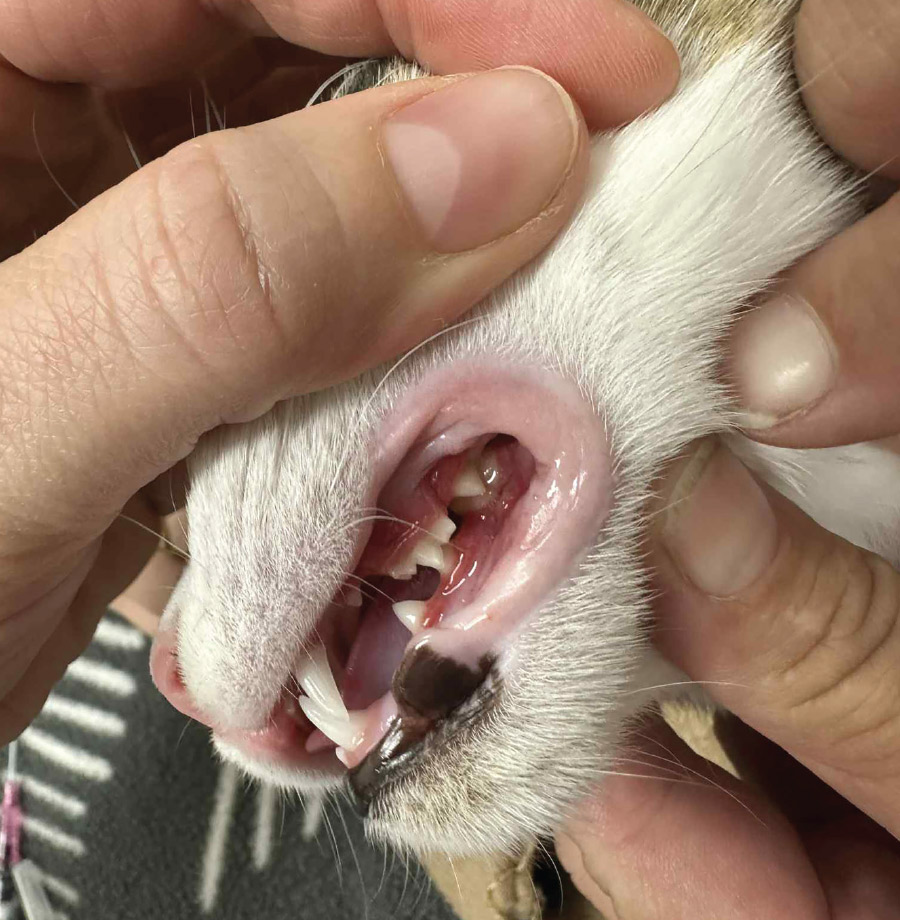
Just like humans, cats can develop dental diseases that may start with little more than a mild case of bad breath but can quickly progress to more serious conditions affecting their overall wellbeing. Plaque and tartar build-up can lead to gingivitis and periodontal disease, which can contribute to infections that spread beyond the mouth, affecting the heart, kidneys and liver, in addition to mouth pain and difficulty eating.


By prioritizing dental health and staying alert to subtle changes, we can help ensure our feline companions enjoy not only healthy teeth and gums, but a happier, healthier life overall.

- A decrease in self-grooming, which can result in more dandruff, matting and oil accumulation
- Discomfort during grooming of the head and facial area
- Eye secretion from one eye
- Inflammation affecting the oral or facial regions
- Unexplained drooling, saliva stains or food residue
- Sudden matting around the mane area
- Facial odor
- Pawing at the face
- Teeth-grinding
- Tongue hanging out of the mouth
- Lethargy
- Hair loss around the muzzle area
Feline stomatitis is a serious, painful inflammation of the mouth that can impact a cat’s ability to eat, groom and feel comfortable. Symptoms include drooling, pawing at the mouth, reduced appetite and withdrawal, though many cats hide their pain. Breeds such as Siamese, Abyssinian, Burmese, Persian and Maine Coon are more prone to stomatitis, though any cat can develop it. Early detection and a dental-care plan are essential, as the condition can worsen quickly if left untreated.
By prioritizing dental health and staying alert to subtle changes, we can help ensure our feline companions enjoy not only healthy teeth and gums, but a happier, healthier life overall.
Some subtle signs we may see as groomers that could indicate dental issues include:
- A decrease in self-grooming, which can result in more dandruff, matting and oil accumulation
- Discomfort during grooming of the head and facial area
- Eye secretion from one eye
- Inflammation affecting the oral or facial regions
- Unexplained drooling, saliva stains or food residue
- Sudden matting around the mane area
- Facial odor
- Pawing at the face
- Teeth-grinding
- Tongue hanging out of the mouth
- Lethargy
- Hair loss around the muzzle area
Cosmetic cleaning without anaesthesia does not address underlying issues and may give owners a false sense of security, delaying proper care. Although this procedure is generally low in pain for healthy individuals, probing resorptive lesions causes significant and predictable pain.
Using tooth scalers on an awake animal can inadvertently injure the gums, push bacteria deeper into the gum tissue, and result in bacteria and tartar being swallowed—posing further health risks to the pet. The World Small Animal Veterinary Association opposes AFD, identifying it as substandard practice.1
As groomers, we know that prevention is the key with coat and skin health, and it is also the best way to help avoid excessive dental issues. When choosing products to recommend or stock at your business, always choose Veterinary Oral Health Council2-accepted products to ensure both the client and you do not waste time or money on products that are ineffective or unsafe.
Options for dental disease prevention include:


Options for dental disease prevention include:
- Daily (yes, daily) tooth-brushing
- Dental Diets
- Dental Chews
- Dental antiseptic/antiplaque rinses
- Water Additives
- Food additives
References:
- Niemiec, B., Gawor, J., Nemec, A., et al. (2020), World Small Animal Veterinary Association Global Dental Guidelines. J Small Anim Pract, 61: E36-E161. https://doi.org/10.1111/jsap.13132
- Veterinary Oral Health Council. https://vohc.org/
Lexie Goldsmith is an International Certified Master Cat Groomer and Certifier with IPG. She is a qualified former veterinary nurse as well as a certified trainer and assessor. With over 19 years of experience in cat grooming without sedation, Lexie specialises in low-stress handling techniques. She provides both online and in-person training through Cat Grooming Education with Lexie, as well as collaborating with Groomer Nation and Ultimate Pet Parent in Perth, Australia. learncatgrooming.com.au