




by Melissa Viera
 rom outdoor baths to spa treatments, dog shampoo has come a long way. And while our standards for how a dog should smell have changed, the goal has remained the same: lift dirt, treat fleas and manage odor. When products work, adjustments are about making improvements, not reinventing them.
The grooming industry has seen upgrades in everything. From grooming tools to software and specialty products, there is always something new available. While no one can predict the next big trend, looking back at the products of the past (and imagining what might come next) offers valuable perspective. Such innovations are the mark of a growing industry.
First let’s consider the broader pet-care landscape. A pet owner survey by the American Pet Products Association suggested that in 2024, U.S. citizens spent $151.9 billion on their pets. Services, which include grooming, make up $13 billion of that spending. Globally, according to Precedence Research, pet spending was $323.72 billion in 2024.
Early 20th-century catalogs show sales of soap blends intended for dogs. In 1933, Maurice Marks patented the “Sham‑Poodle” cobalt-blue, poodle-shaped bottle to dispense dog shampoo. By the late 1940s and early 1950s, dog shows and suburban living contributed to changes in pet care. Grooming salons multiplied and commercial shampoos evolved.
Like shampoos today, earlier shampoos were intended to clean, and sometimes treat skin problems, but the major difference is that they were not formulated for a dog’s skin the way many are today.
“The shift towards microbiome-supporting formulas enriched with prebiotics fundamentally transformed pet shampoos,” says Kris Hampton, founder of Raintown Dog Training in Vancouver, BC. “They balance skin flora, reduce flare-ups, and enable groomers to deliver lasting comfort and healthier coats in a single process.”
The 1960s and 1970s brought real differentiation, as regular grooming brought with it an awareness for coat and skin care needs. Shampoo took a gentle turn with oatmeal blends becoming more common. Improvements in pH-balanced formulas were also seen.
As the grooming industry continued to grow, so did niche offerings. From dog show products to spa offerings, the 1990s gave groomers even more opportunities to make their services stand out with the help of specialty shampoos, including options for different coat textures, breeds and colors. Shampoo then started to go beyond the awareness of skin care needs by also providing a marketing edge for groomers.
Every groomer knows that an exceptional groom starts with a clean and prepped coat. Having the right shampoos and conditioners is important but won’t produce results alone. And so, with new products comes new processes. From bathing systems and frothers to techniques that go beyond a lather and rinse, groomers continue to find new ways to get the best results—making their products work for them. This can mean cleaner coats along with less waste and completing grooming sessions faster, all of which is great for the bottom line.
Could AI models analyze coat types, skin pH, breed genetics and even microbiome data to optimize shampoo blends accordingly?
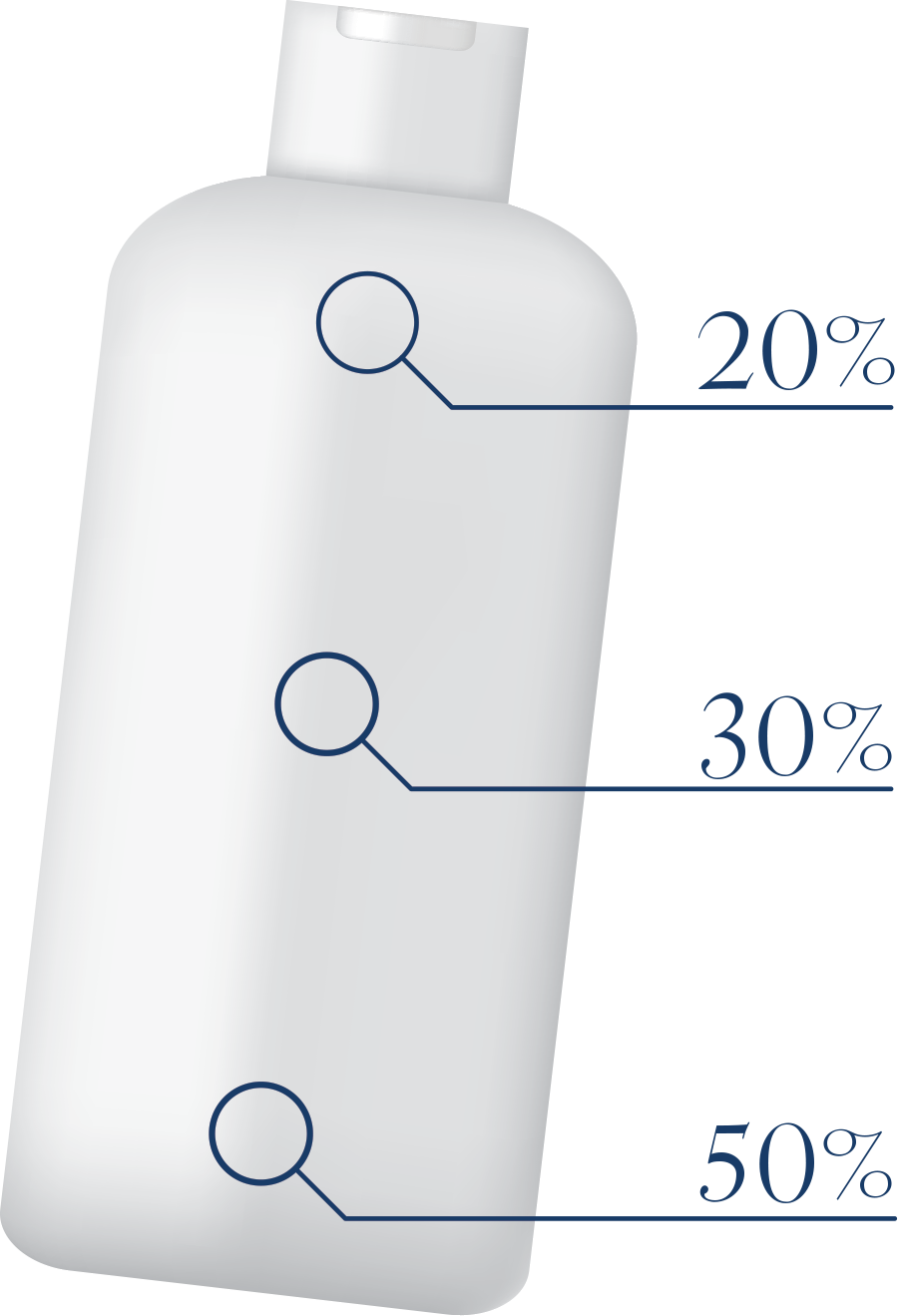
One thing to consider when looking into the future is how companies will leverage new tools and available data to develop the next products. Could AI models analyze coat types, skin pH, breed genetics and even microbiome data to optimize shampoo blends accordingly? If so, could every bottle become custom‑designed?
Groomers can stay ahead and be the first to know about what’s new by attending trade shows, networking, and subscribing to grooming publications and blogs. As the industry continues to evolve, the next breakthrough in dog shampoo may move away from tradition entirely. Until then, groomers can get the best results by choosing products wisely and using them with care.