









Contents | April 2023
by Jonathan David
ALSO INSIDE
todd@barkleigh.com
adam@barkleigh.com
gwen@barkleigh.com
rebecca@barkleigh.com
luke@barkleigh.com
laura@barkleigh.com
brandi@barkleigh.com
evan@barkleigh.com
cassidy@barkleigh.com
allison@barkleigh.com
james@barkleigh.com
karin@barkleigh.com
britany@barkleigh.com
Daryl Conner
Jonathan David
Dr. Cliff Faver
Blake Hernandez
ALSO INSIDE
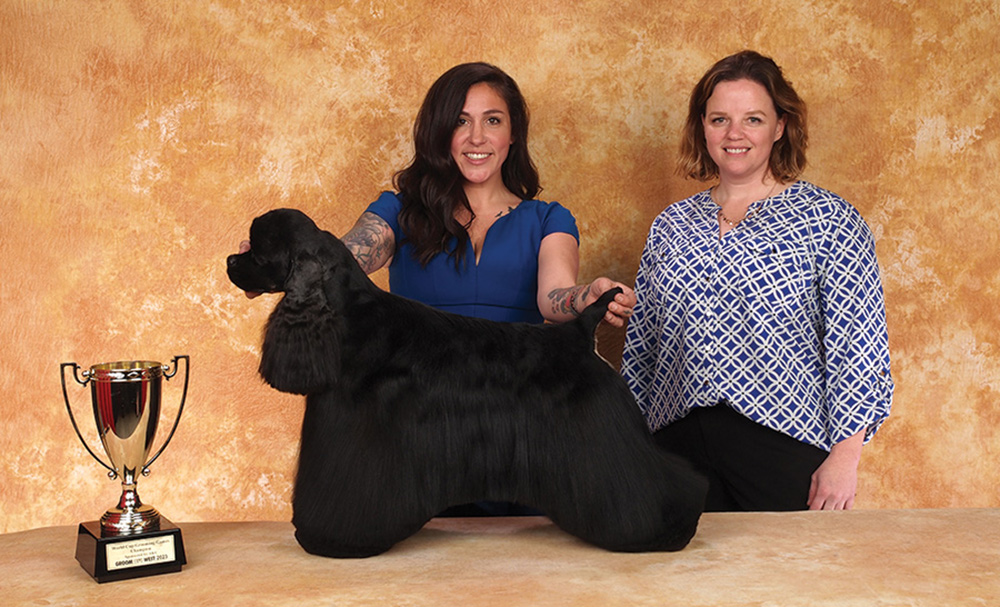
ON THE COVER
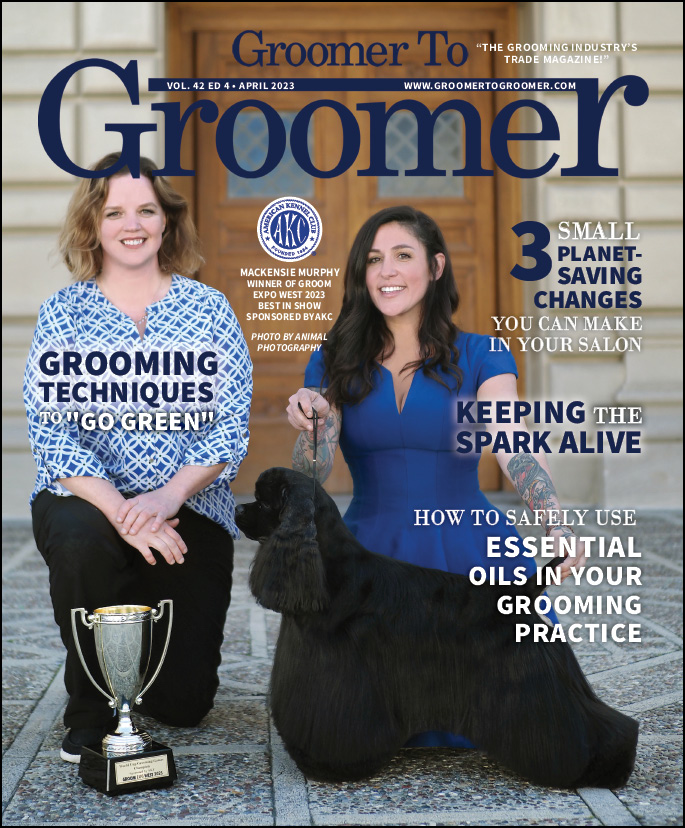
Photo by Animal Photography


 he pain of inflation has unfortunately hit all of us. Our grocery bills have leaped to insane amounts, gas prices have made us want to stay home more and the costs of running a business have mounted, forcing many to raise prices and trim budgets. I recently sat down and did a deep dive into my business expenses to see where I could squeeze some additional savings from the already tight budget. As I combed over my expenses, I was pleased to find that some previous changes I had implemented to save time and money were actually paying off. The extra perk was that not only was I able to save time and more of my hard-earned money, but I was also helping to lessen my impact on the environment. Some of the time- and money-saving practices I had implemented were in fact contributing to me doing better for our beloved earth.
But why would changes that help save me time and money also help save the environment?
Many associate “Going Green” with a feeling of personal gratification that they’re doing their part to preserve natural resources and lessen their environmental impact. Others associate the phrase with extreme life changes or doing without life’s conveniences. But, in reality, there are simple changes that we can all do that don’t impact our comforts or way of living.



 n a previous article, I spoke of the television show MythBusters in which scientists and Hollywood stunt men would test out some myth from popular culture with actual laboratory experiments. I noted that, in recent years, our grooming industry has been experiencing the game-changing impact of some real “myth-busting” science. It has changed us, but even more, it has been about the animals we care for.
There is always great insight to be gained when looking at historic and evolutionary changes over time. When I first started grooming over forty years ago, the general use of the internet was still almost two decades away. But now, the grooming industry is clearly in the midst of a real “Knowledge Revolution” that is beginning to change some very long-standing myth-based practices in how we groom dogs.
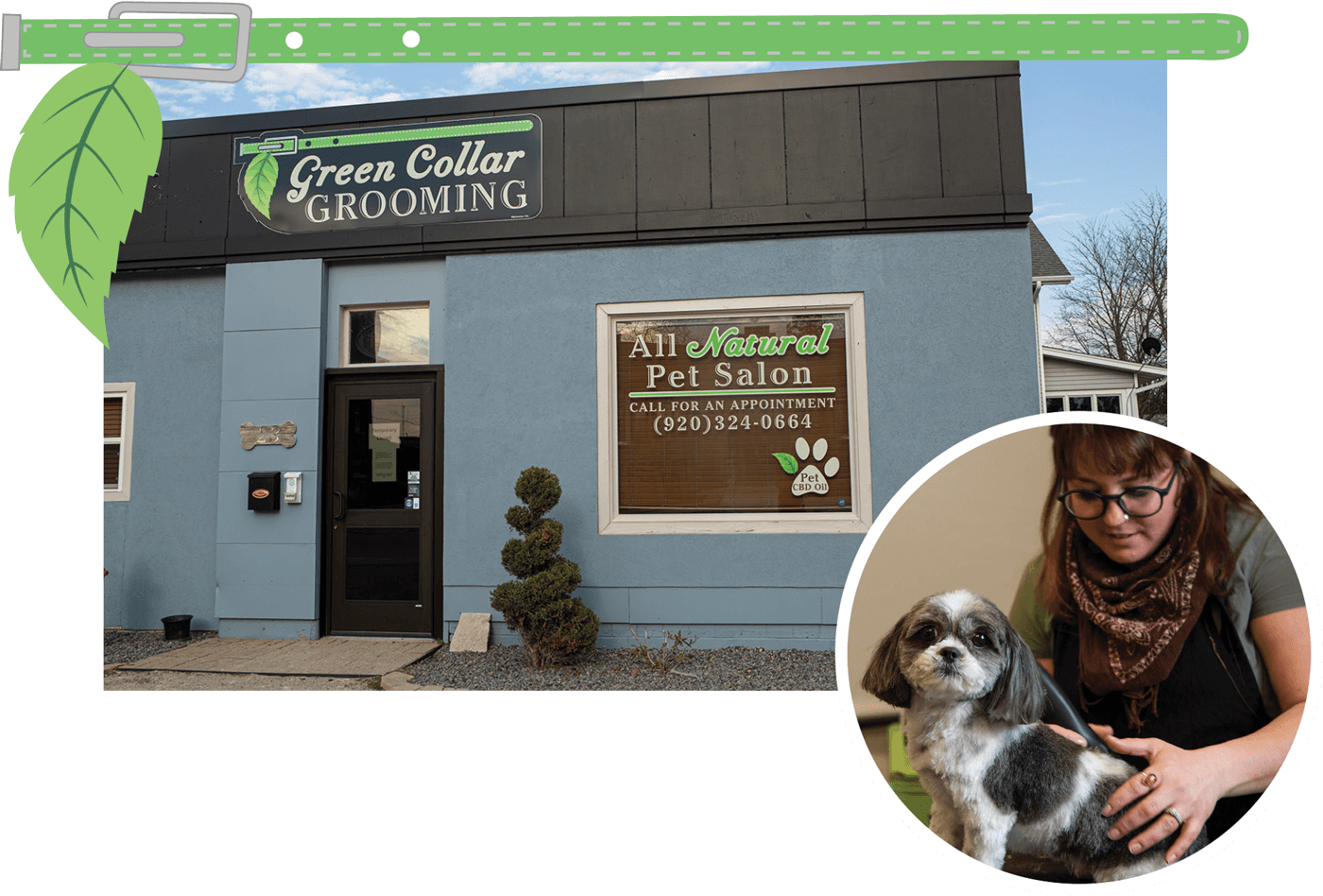

Photos by In Focus Photography
 mber has had a lifelong love of dogs, so it was no surprise when she went to the Wisconsin School of Professional Pet Grooming and became a groomer. But, she also has a passion for gardening and herbs, and a real connection to the earth and caring for it. She recently completed a three-year herbalist apprenticeship in Wild Food and Herbal Medicine. Amber was able to intertwine both of her passions when she opened Green Collar Grooming.
“When I was planning to open my grooming salon, I researched blue collar businesses,” says Amber. “That’s when I discovered there were also green collar businesses. Their focus is to operate their businesses in an eco-friendly way. That really resonated with me and I immediately knew that Green Collar Grooming would be the perfect name for my environmentally responsible business.”
So, Amber took a leap of faith, went “green,” and never looked back. Green Collar Grooming has been in business for eight years.

 o one was more surprised than myself when I quit my job and put a deposit down on a mobile grooming van in 2001. But, what I had really done, was make my first decisive business decision.
In the early 2000s, mobile grooming was a young industry with no success stories…yet. I had no ones’ experience to draw from and knew next to nothing about starting or running a business. What I did have going for me was motivation, excitement and a willingness to learn.
As I look back over the years, I can identify some traits that contributed to the success of my business; some of these traits were a natural gift, but many others were a learned skill. Here are five of my business lessons…


 ne of the big trends or fads right now is “Going Green.” Upon hearing this, many think about going digital versus printing paper copies, shutting off lights when not necessary, recycling or not letting the water run when brushing your teeth; essentially, we are talking about working to conserve natural resources. But, if we want to apply the concept to a grooming salon, what would that look like?
First, we need to think about the areas where we use the most resources in our salon. Probably the two biggest resources are water and electricity which, on face value, would be hard to consider cutting back on either one of those. The good news is, it can be accomplished! However, it often requires changing old habits and learning new techniques.
Let’s start by looking at how we are using our products…
If any of you have attended my lectures, we teach several techniques that would be considered “Green.” The first is frothing your product. There is a lot of confusion, speculation and bad information that goes around the industry about why to froth. Frothing, in simple terms, is just a way of mixing the product to form a foam that will stay on the coat to prevent waste of product which, in turn, minimizes water use.



 or thousands of years, people have been harvesting and using the healing properties of essential oils. We know through research that the use of essential oils is listed in ancient texts and scrolls. As we gained medical knowledge over the ages, we moved away from the natural uses for essential oils to using synthetics for medicines, cleaning products and personal use. With more people taking on a natural approach to eating and living, essential oils have made a resurgence into our mainstream shopping staples like the grocery store and even the pet retailers. So, how do you use them in your grooming practice?
There is so much conflicting information out there. Essential oils are gaining popularity and are becoming topics of conversation between pet professionals. We all want to add these awesome little bottles of oil to our spa services menu, but how?
Let’s start with the basics…
 et groomers tap into many areas of talent to perform their work. Good groomers understand the differences between nearly 200 recognized dog breeds in the United States; they must have good customer service skills, an artist’s eye, business sense, and the ability to understand and shape animal behavior. They need to be able to use, maintain, and repair various tools and be physically strong enough to manage the work of lifting, carrying, and often moving large dogs. Groomers must have the patience to deal with very old, very young and sometimes untrained pets. They must possess some science and chemistry knowledge to understand what products to use to achieve the best results on individual pets’ skin and coat, and to keep their workplace sanitary and tidy.
So, with that being said, when we look at all the many layers of skills a good groomer must employ, it is easy to see why some report that they are tired, frazzled and burnt out by their jobs.

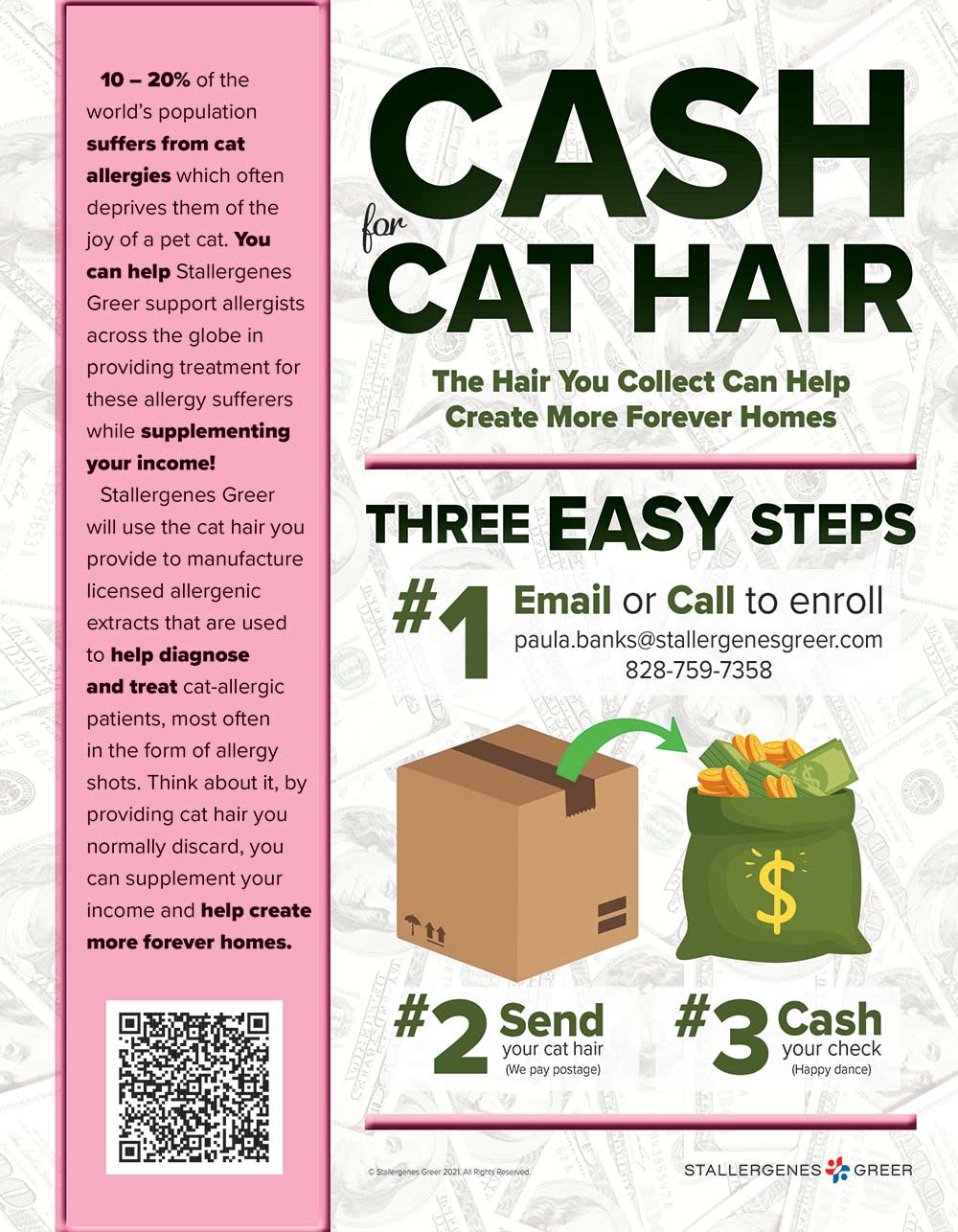
 s the days become longer and warmer, cat owners will begin to notice how much dead coat is around their homes and the clients you have trained to look for signs of shedding and matting will be calling you soon. In the weeks to come, the majority of your new cat clientele will change from having a few mats to pelted cats. This is the time of year experienced groomers refer to as “Lion-Cut Season.”
To best help new clients with matted and pelted cats prevent future matting, you need to understand the process the family went through before they arrived with their pelted cat in front of you…

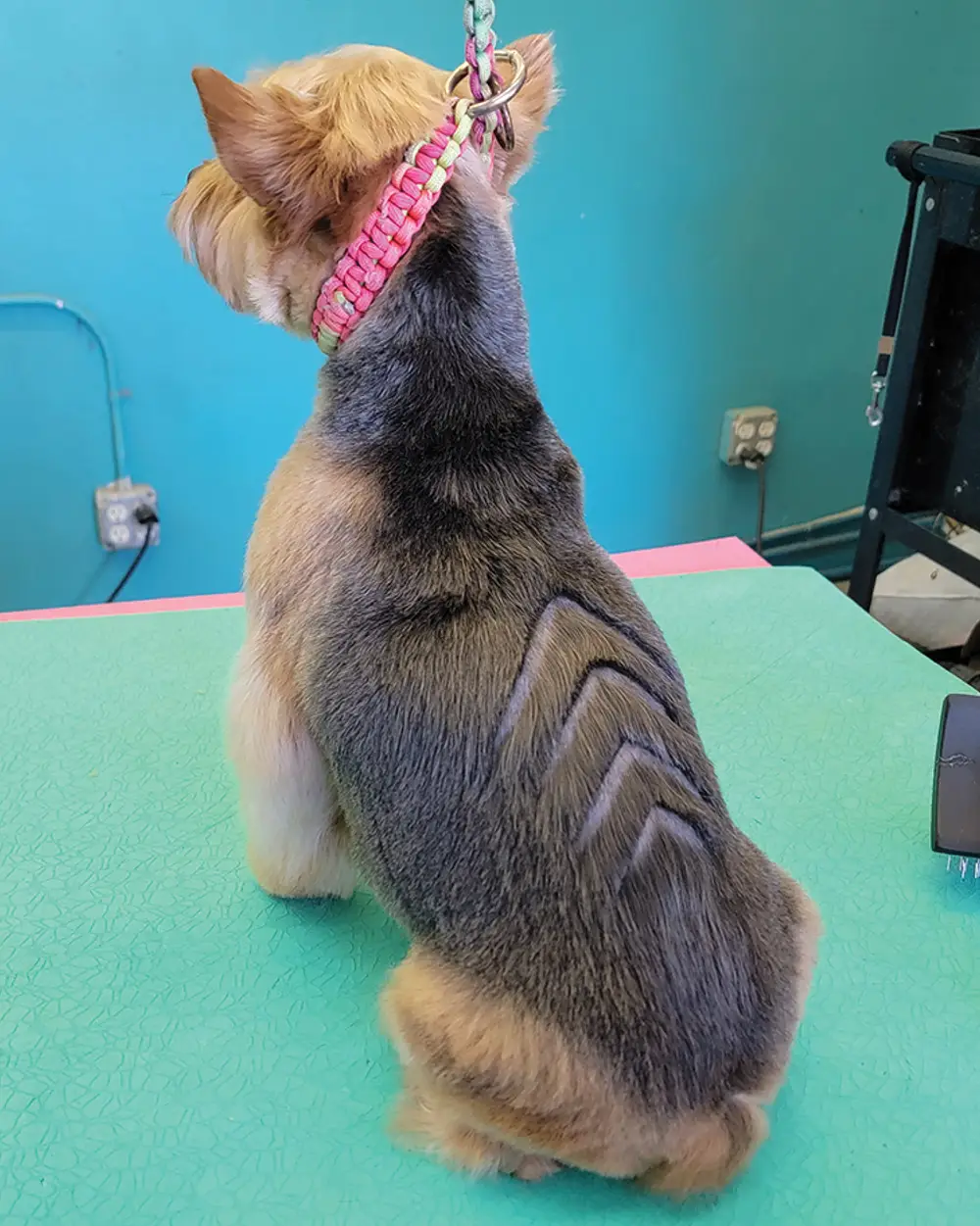
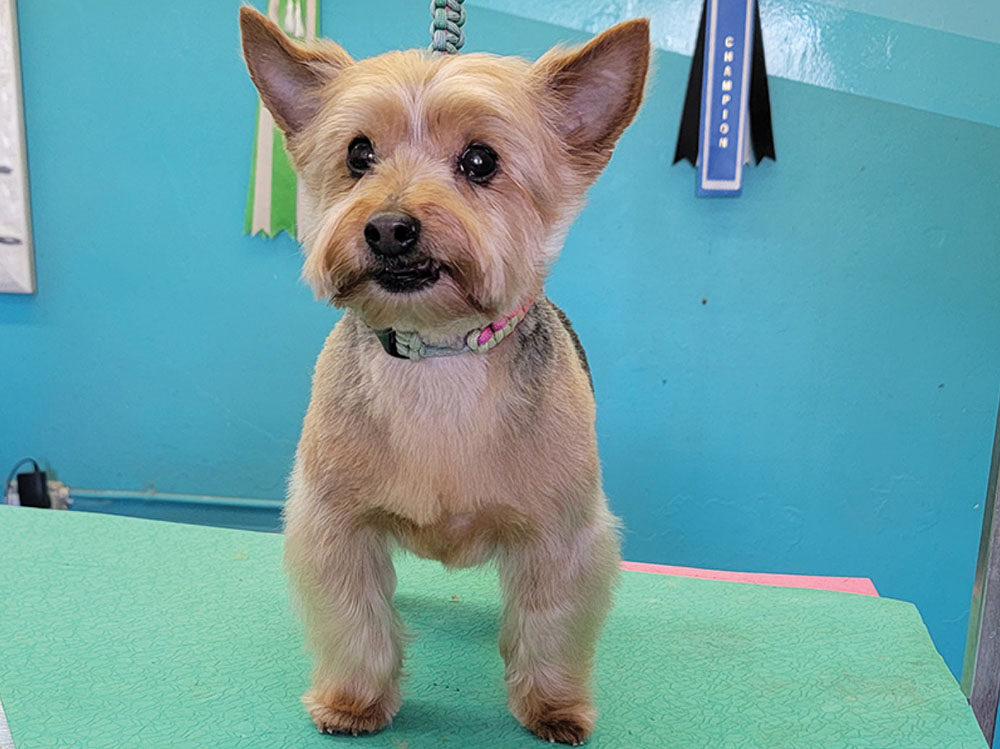
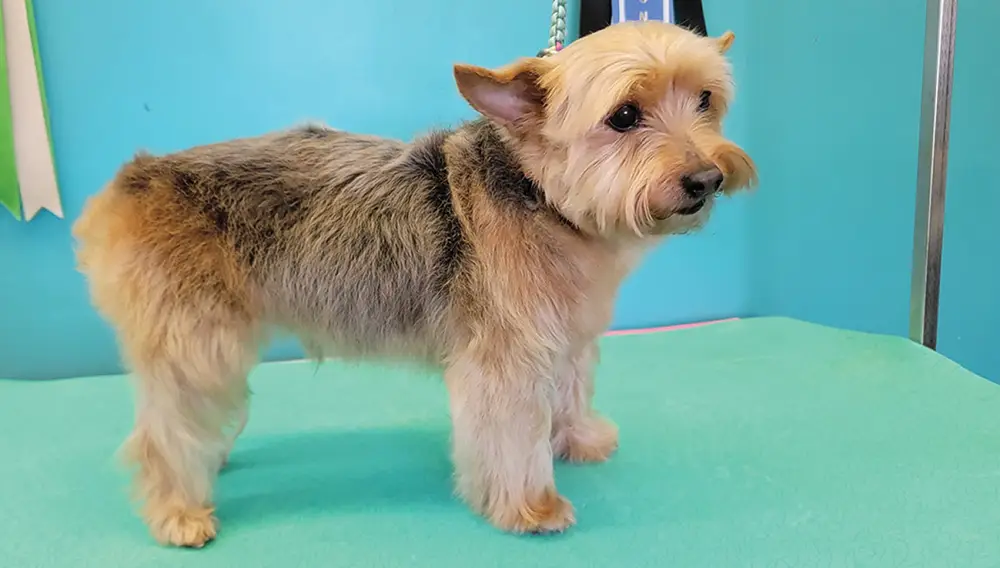
 oat carving is a fun and easy way to elevate even the most basic styles. Braxton here is an older Yorkie that needs a no-fuss haircut, but in a house amongst Poodles, he wants a fancy pattern all his own!
Before you start the groom, it’s important that the coat is prepped perfectly straight and laying down smoothly with the grain.

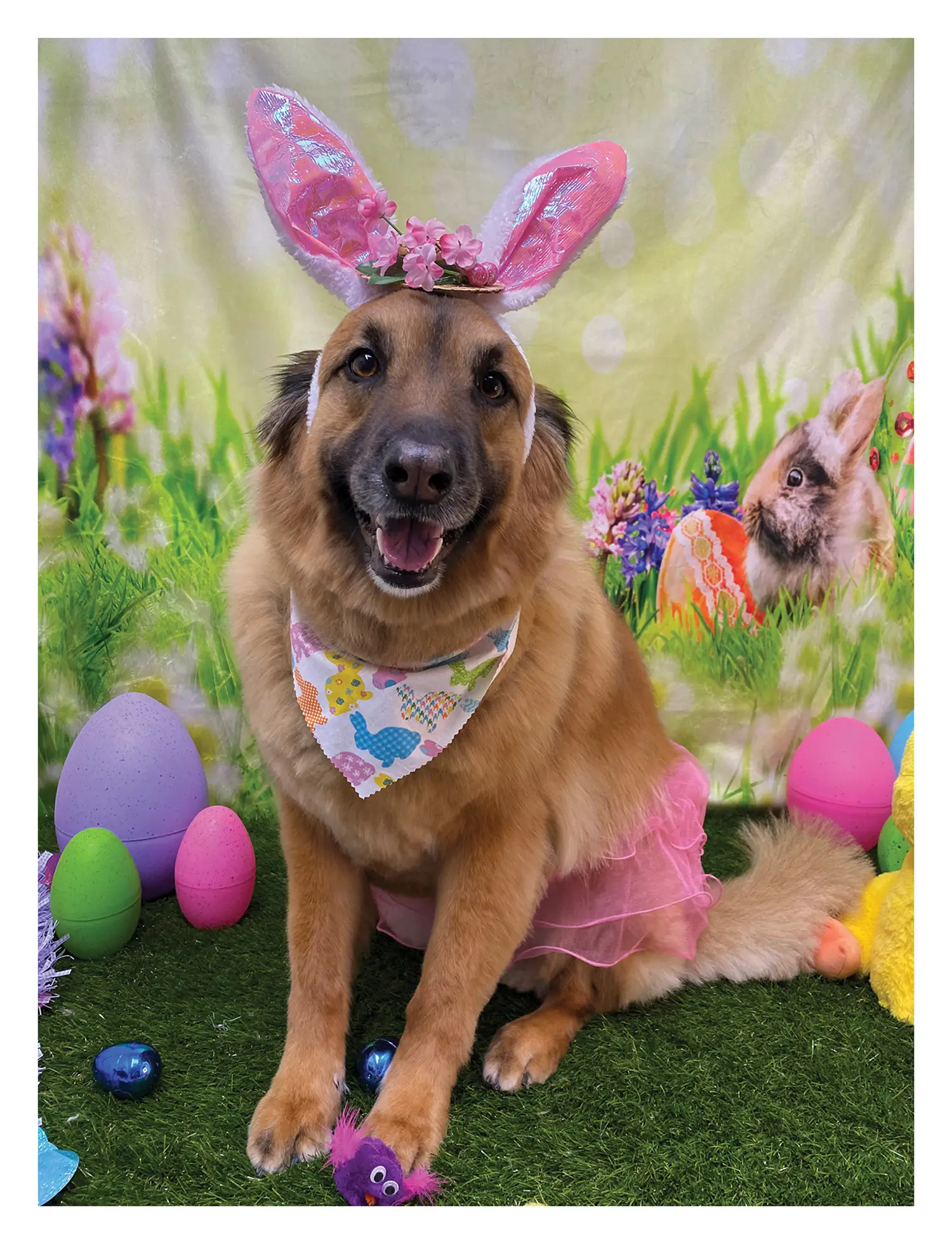
Photo by Anjie Coates
 ella is a Leonberger mix and a regular client of mine that is always smiling.
 “OK, Bella, what do you say we get you finished?” I ask.
 “Eh, I’d rather nap,” Bella yawns.
-
“You can nap later, dear. Your Grammy is expecting to pick you up soon, so we do need to get you done,” I remind her.
-
Bella stretches languidly on the dry deck and then gives an all-over body shake: “OK, but do I get a treat for going?”

Best in Show