
Photos by Blake Hernandez
 he U.S. grooming market is one most of us understand instinctively—we know what equipment is accessible, we know what products cost, and we know what “standard” looks like inside a salon. But that standard is not universal.
As I began teaching internationally, I started noticing how much geography, economics and culture influence the grooming industry in ways that have very little to do with actual grooming.
In some countries, the majority of dogs are mixed breeds, often influenced by large populations of stray or community dogs. In others, purebred dogs are more common. But even that varies depending on the country’s size, economics and geographical isolation. Smaller nations or islands often have a limited gene pool and fewer fanciers supporting breed preservation. Larger countries, by sheer volume, tend to have more purebred dogs.
It’s fascinating to see how much breed representation mirrors national identity. But after recently returning from teaching in South Africa, what stood out to me most during my time had less to do with breed variety and more to do with infrastructure.
There are challenges there that are not related to skill or dedication. Currency exchange alone creates a significant barrier. The local denomination does not stretch nearly as far when purchasing equipment from American or European manufacturers. To afford something many U.S. groomers consider basic, like a hydraulic or electric table, a South African groomer would need to groom a much higher volume of dogs to make that purchase.
Even ordering equipment can feel uncertain when shipping reliability is not always guaranteed. Imagine investing in a hydraulic table only for it to arrive damaged with no local service provider to repair it, no simple return process and no clear resolution. That risk alone changes purchasing decisions.
For the most part, they work on stationary tables that don’t adjust, so they have to reposition dogs frequently. They also bathe large dogs outside if indoor plumbing isn’t built for that volume or size, and they work harder physically in ways that many American groomers don’t have to. And yet the end goal is the same: The dog still needs to be comfortable. The coat still needs to be healthy and free of matting. The trim still needs to be appropriate and balanced. The responsibility does not change just because the tools do.
Then there’s the issue of access. Mobile grooming, for example, is relatively attainable in the United States. The vehicles are manufactured domestically, the roads support them, financing exists and servicing them is realistic. In South Africa, starting a mobile unit is far more complex and financially risky.
Teaching there shifted something in me. It made me far more empathetic to groomers working within structural limitations. It also provided perspective on how much support exists in markets like the United States—support that is invisible until you see what it is like without it.
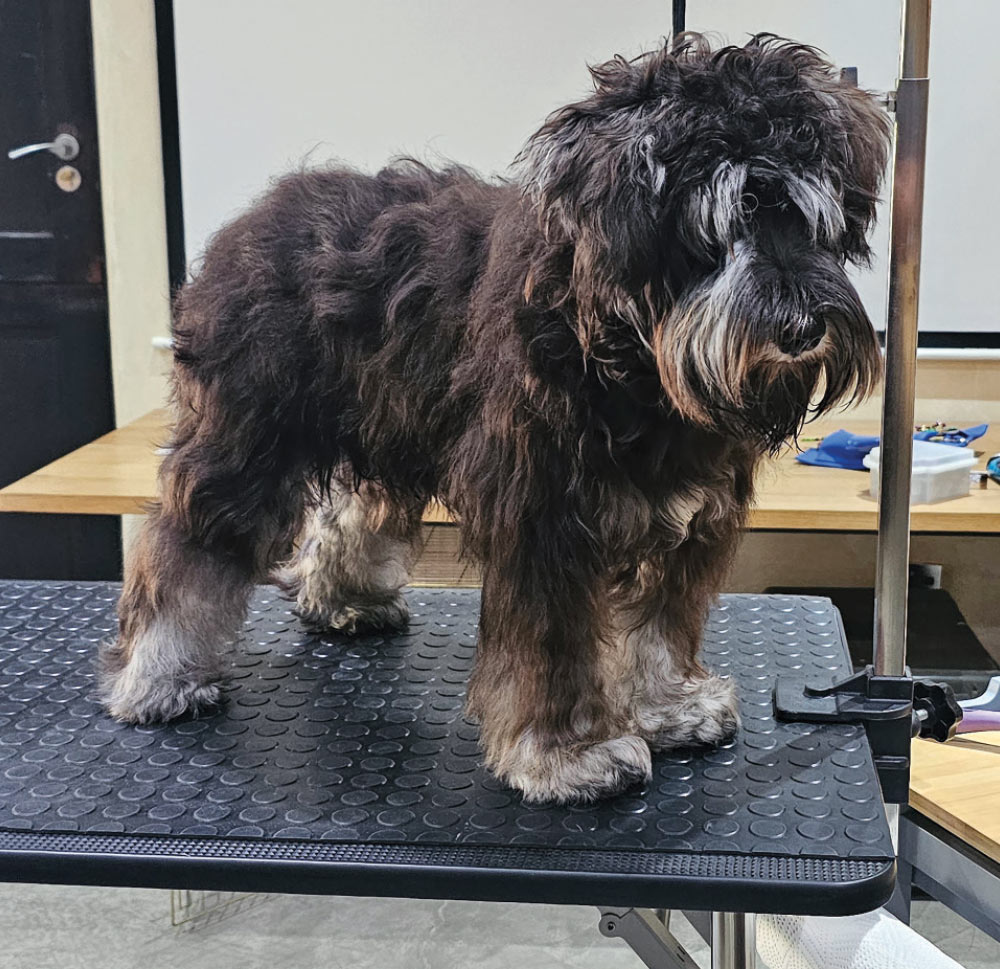
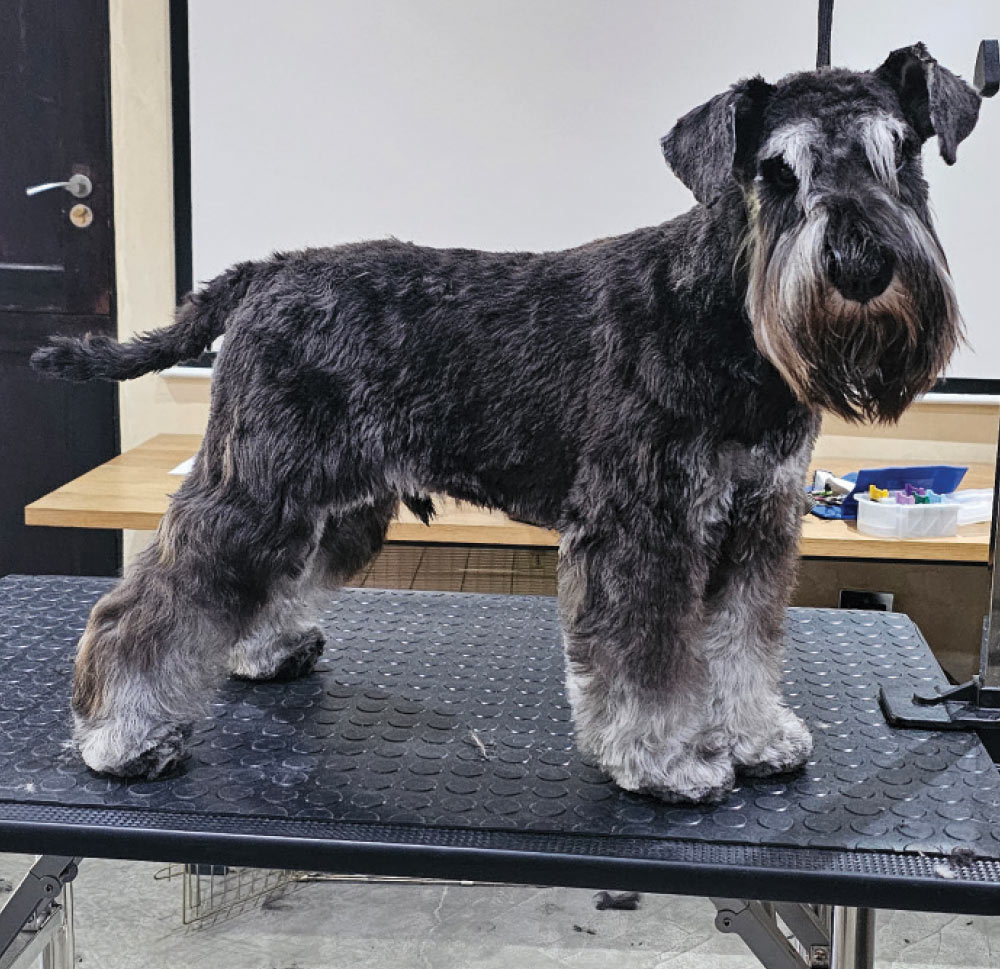
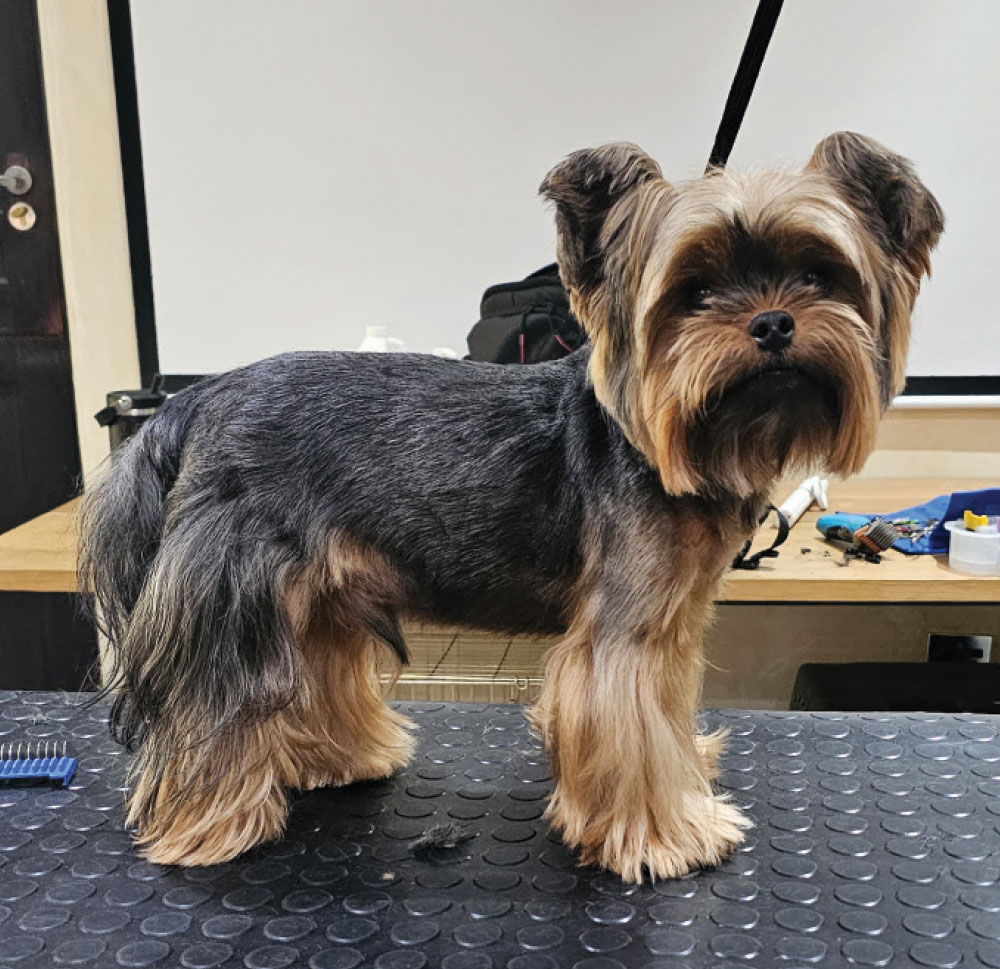
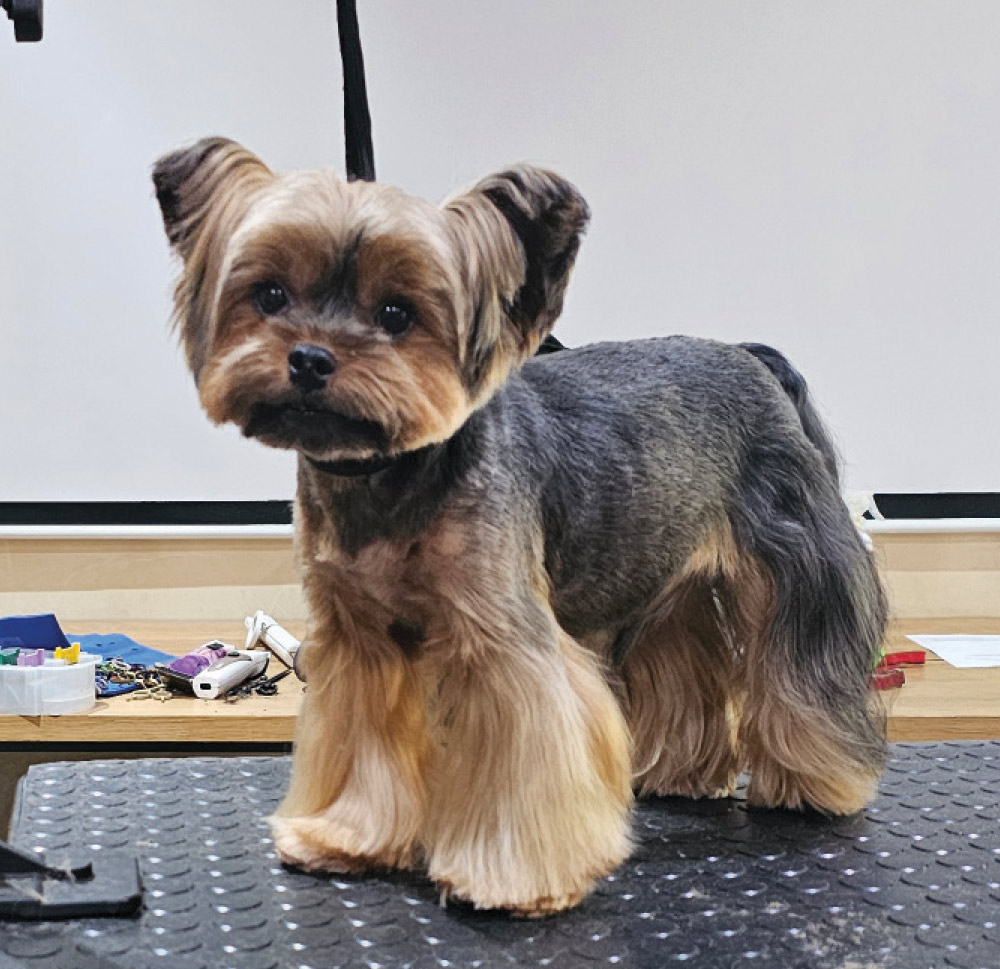
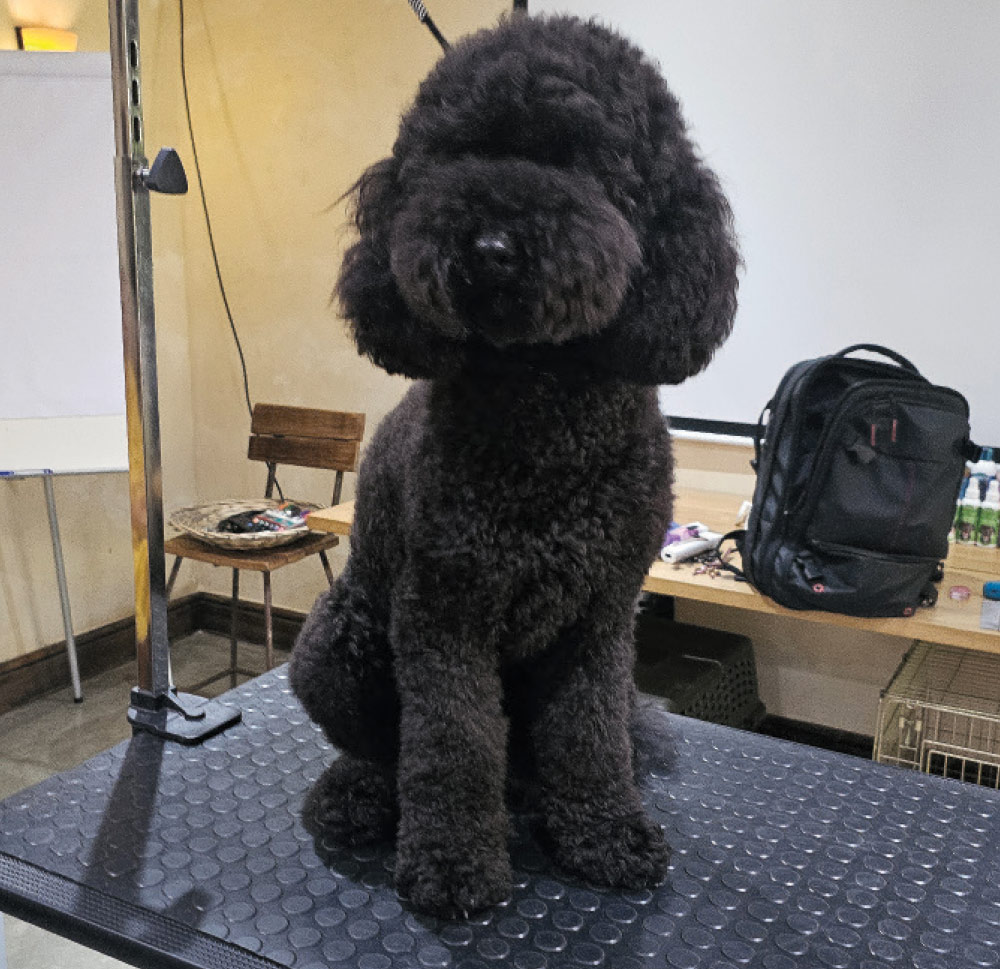
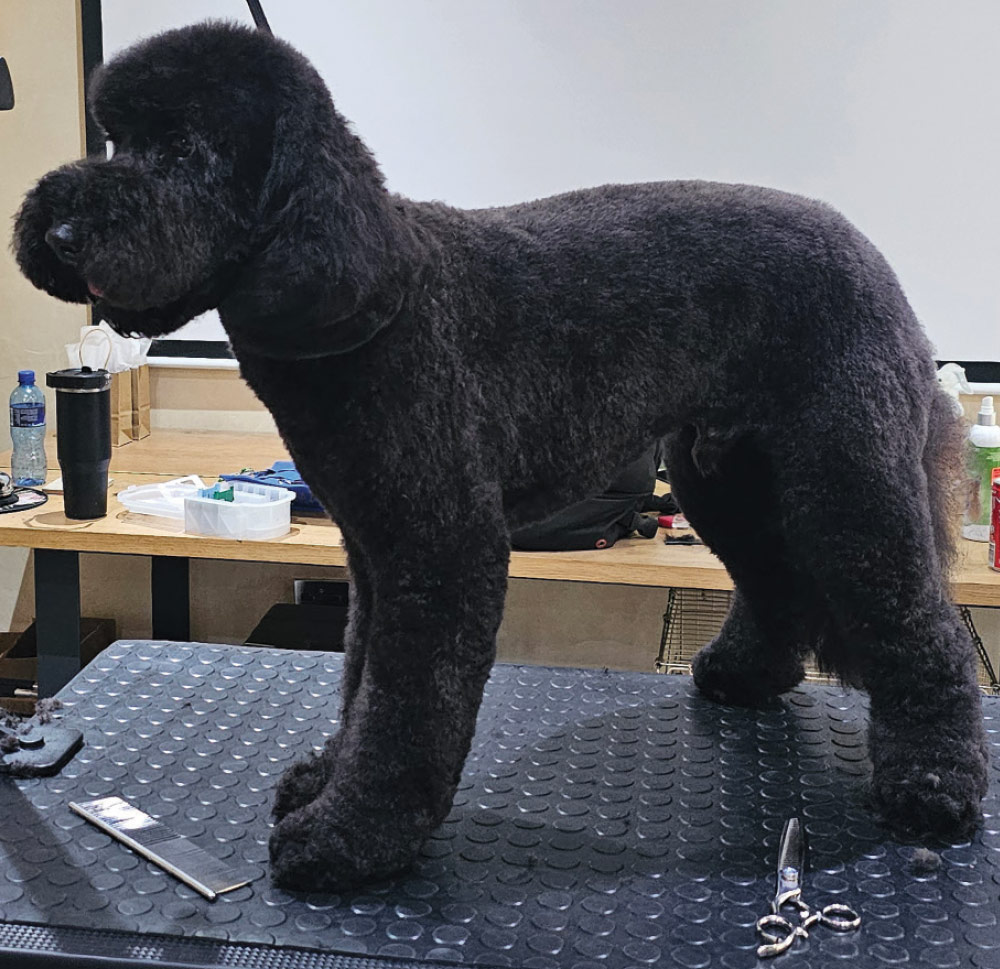
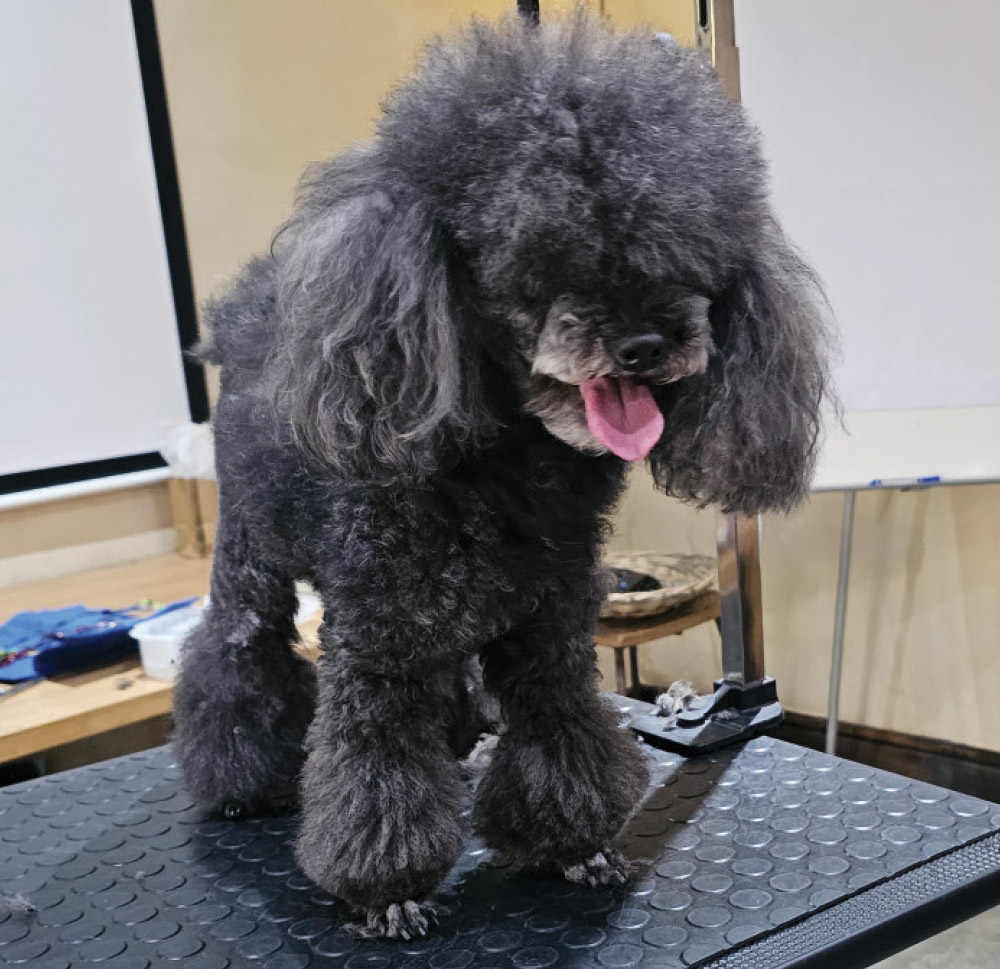
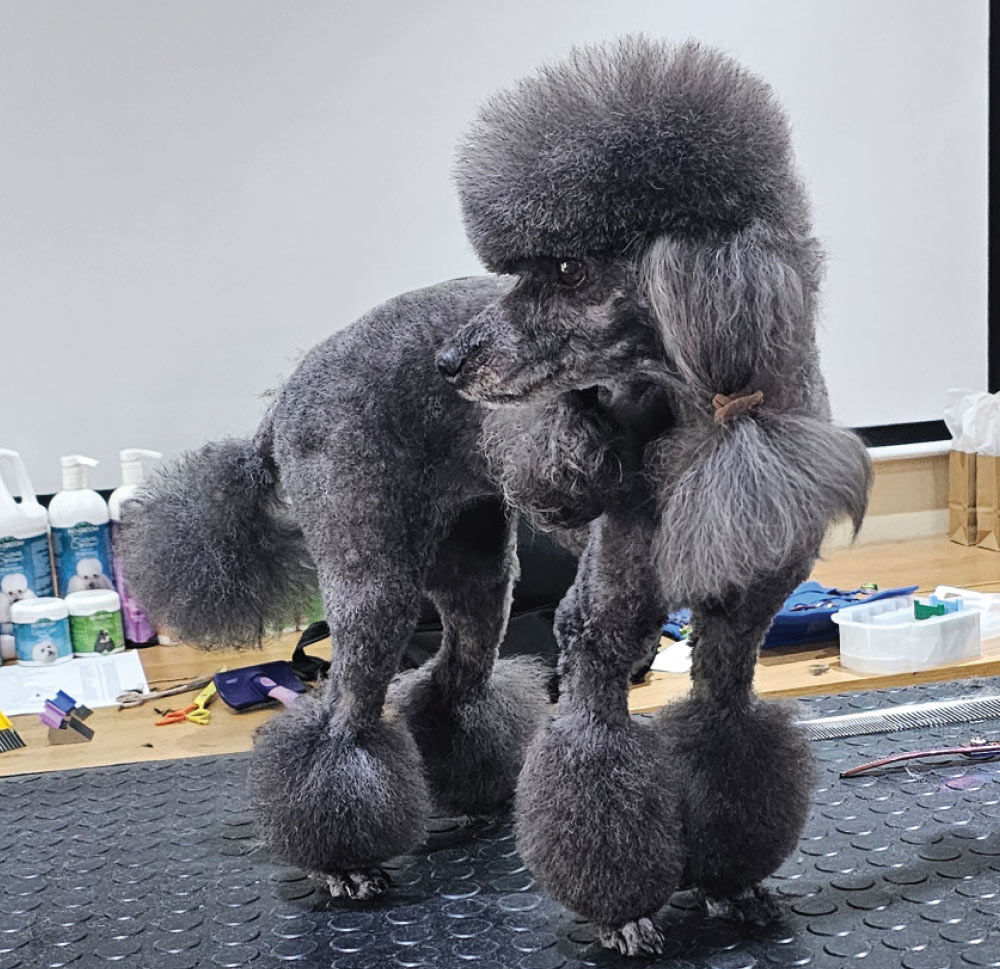
The seminar itself that I taught in South Africa focused on practical, salon-ready trims: