




by Keith Loria
Photos provided by Maria Zakharchenko
 aria Zakharchenko always knew her career would involve animals. She trained as a veterinarian in Ukraine, earning a diploma as a doctor of veterinary medicine and preparing for a life in clinics and surgery rooms. But when she became a mother, the realities of veterinary medicine—its urgency, emotional weight and constant demand for continuing education—began to conflict with the balance she wanted for her family.
Looking for a profession that would still keep her working hands-on with animals, she began exploring grooming. The nearest place at the time where she could study the craft was in Moscow, so this is where her grooming journey began nearly 20 years ago.
“After two or three months, I understand that grooming is much more comfortable for me,” Maria shares. “I still work with animals, but animals will not die during grooming.”
Her decision wasn’t about avoiding responsibility, but about choosing the kind of responsibility that fit her life. Veterinary work requires immediate action. Animals can’t wait days—or even hours—for treatment. Grooming, by contrast, allowed flexibility.
Another difference was the emotional burden. As a veterinarian, Maria often saw animals suffer unnecessarily because owners didn’t follow medical advice. Grooming offered clearer boundaries.
by Keith Loria
Photos provided by Maria Zakharchenko
aria Zakharchenko always knew her career would involve animals. She trained as a veterinarian in Ukraine, earning a diploma as a doctor of veterinary medicine and preparing for a life in clinics and surgery rooms. But when she became a mother, the realities of veterinary medicine—its urgency, emotional weight and constant demand for continuing education—began to conflict with the balance she wanted for her family.
Looking for a profession that would still keep her working hands-on with animals, she began exploring grooming. The nearest place at the time where she could study the craft was in Moscow, so this is where her grooming journey began nearly 20 years ago.
“After two or three months, I understand that grooming is much more comfortable for me,” Maria shares. “I still work with animals, but animals will not die during grooming.”
Her decision wasn’t about avoiding responsibility, but about choosing the kind of responsibility that fit her life. Veterinary work requires immediate action. Animals can’t wait days—or even hours—for treatment. Grooming, by contrast, allowed flexibility.
Another difference was the emotional burden. As a veterinarian, Maria often saw animals suffer unnecessarily because owners didn’t follow medical advice. Grooming offered clearer boundaries.
That clarity, combined with her love of animals and strong technical foundation, helped her commit fully to grooming—and to advancing quickly.
In 2009, Maria entered her first grooming competition. She finished in second place, an achievement that changed everything.
“After that, I decided to move on and open my own grooming salon,” Maria recounts.
By the end of that year, she had done exactly that, launching her first salon in Ukraine. From there, growth came steadily but deliberately. Maria continued competing internationally, traveling to seminars and championships across Europe and beyond to refine her skills.
“Every year I went to different countries to improve my skills,” she notes. “It helped me a lot.”
Competitions weren’t just about medals for Maria, though. They were about discipline, preparation and understanding breed standards at the highest level. Those lessons became the foundation for her business expansion.
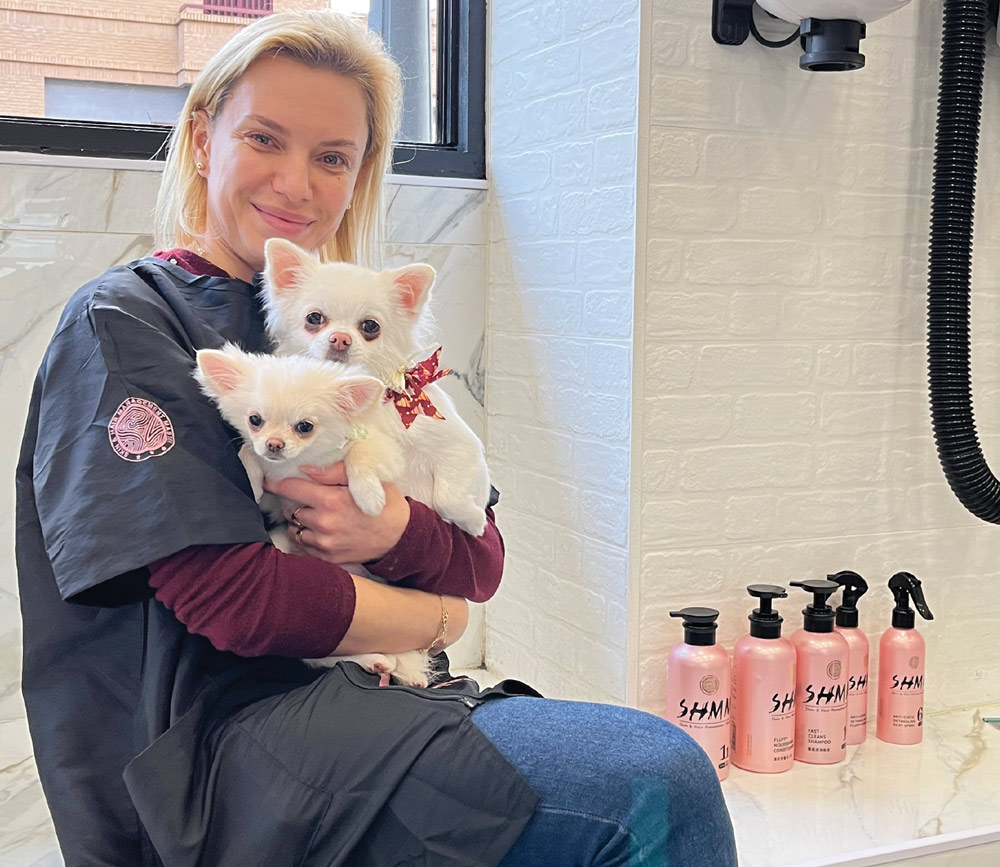
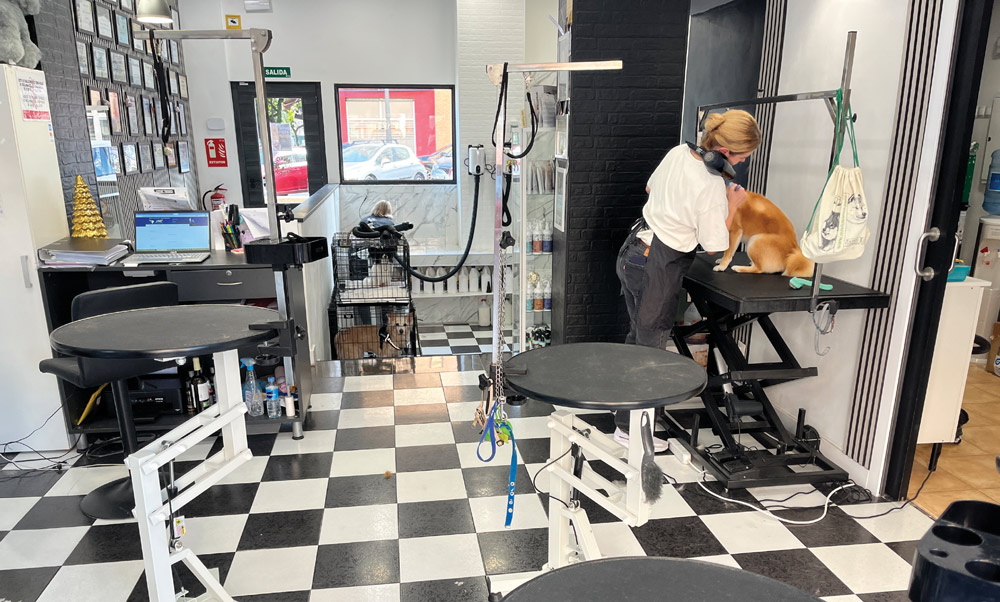
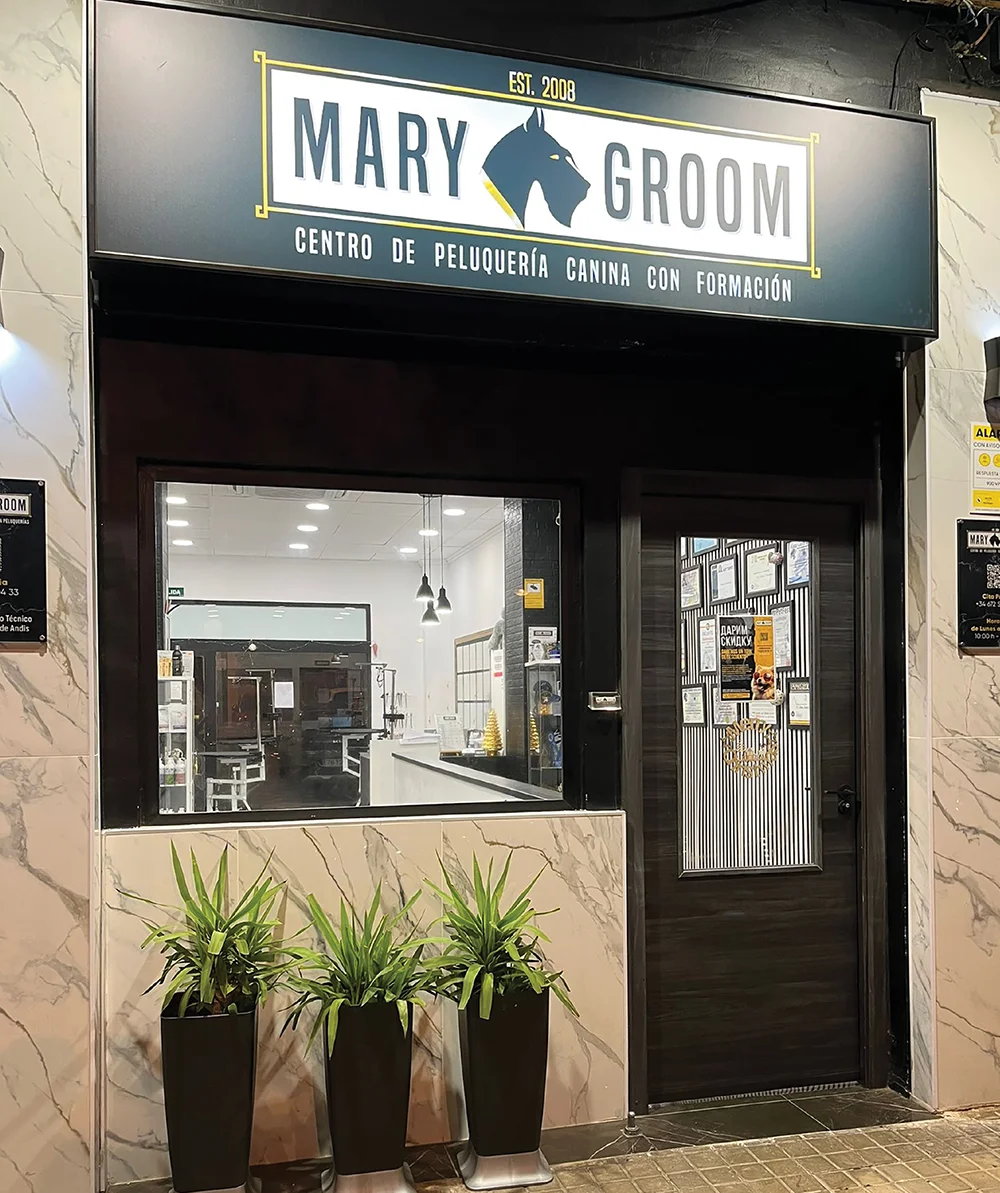
Alongside the salons, she launched MaryGroom, a grooming school that trained professionals across the region, as well as a grooming tools retail store and service center.
Maria’s influence and expertise extended even further, leading her to create her own grooming magazine, Groom Service, in 2014.
“I was editor of the magazine, and it was the only grooming magazine in Ukraine,” she shares. “I have my husband and he helps me with my son. That’s why I can grow little by little.”
A few years later, Maria made a major life change, relocating to Valencia, Spain. At first, she assumed her experience would translate easily. But after working briefly as an employee in Spanish grooming salons, she realized the reality was more complex. Customer expectations, grooming styles and even business regulations differed significantly.
“It’s another mentality,” Maria explains. “Different needs for grooming and different needs for customers.”
Instead of rushing to open her own salon, she took a step back. For seven years, Maria worked in three different grooming salons and a grooming school, learning the Spanish market from the inside.

Her academy, officially launched in its current form in 2023, offers diplomas recognized by the Spanish government. It is also an official grooming school powered by Andis—something she notes is unique globally.
In addition, the business functions as an official Andis service center in Spain. Maria’s husband plays a key role here, providing sharpening services for groomers and barbers.
“It’s very important for professionals to have service and sharpening in one place,” she notes.
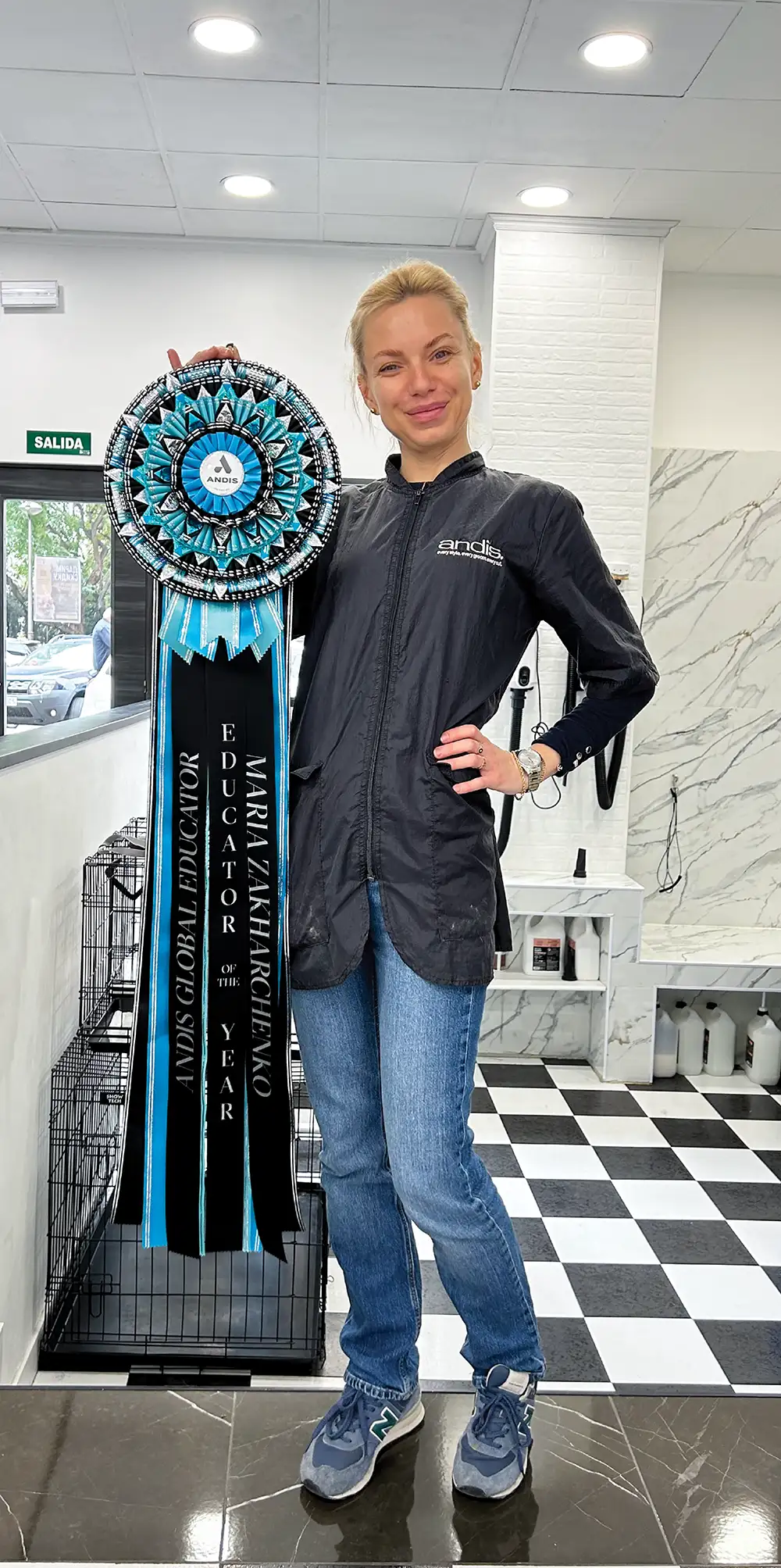
Alongside running her business, Maria has become a prominent educator and judge. She works internationally with Andis as an educator and ambassador and collaborates with scissor brands and cosmetic companies across Europe and Asia.
In recent years, she also began working with Nash Grooming Academy in the United States, allowing her to certify groomers under its system and serve as a judge and educator for the organization. As a judge, Maria says she looks for fundamentals first.
“Preparation of the dog is very important,” she expresses. “Coat must be properly washed, dried, brushed, and straightened. Nails, hygiene areas, and ears must be handled correctly before style is even considered.”
From there, Maria evaluates balance and symmetry. She is also firm about accountability.
“You don’t need to find excuses; you should be proud of your work,” she adds.
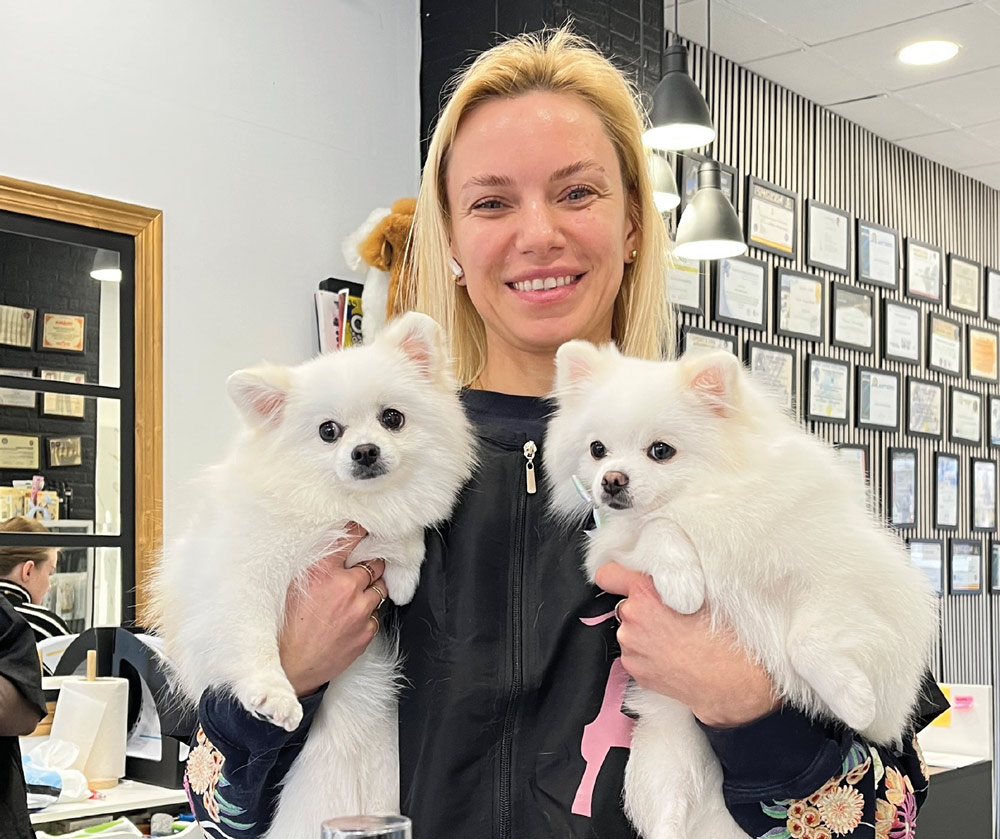
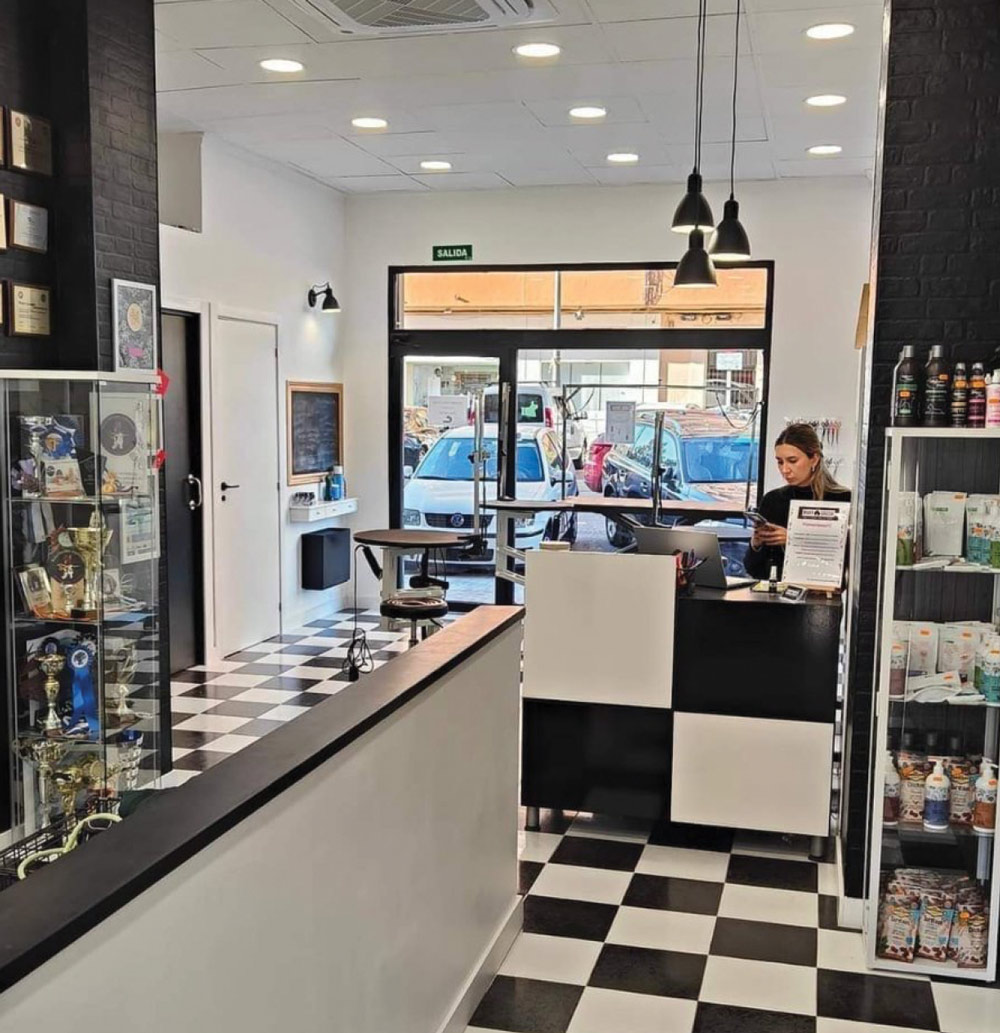
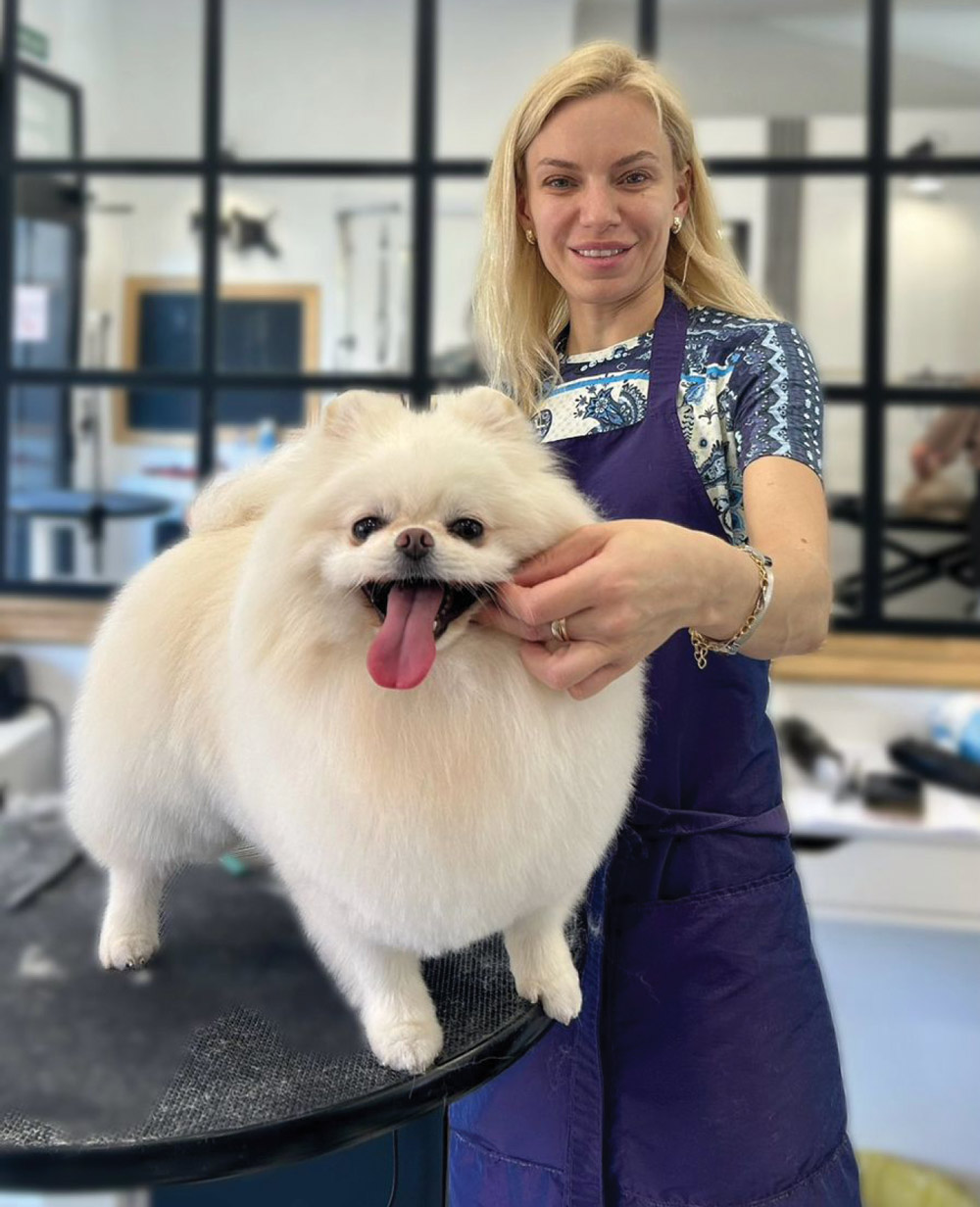
“In Europe and the U.S., groomers typically work within tight time limits—often 90 minutes to two hours per dog,” she explains. “In parts of Asia, groomers may spend three to four hours on a small dog.
“They focus more on the face and expression,” she continues. “Body coats may be shaved simply, while the head receives extensive detail work. Asian groomers often use shorter scissors and cut primarily with the tips, while Western groomers tend to use longer shears and broader strokes.”
While she believes every groomer should be versatile, Maria acknowledges that most professionals have favorite breeds. For her, those include Bichon Frise and American Cocker Spaniels.
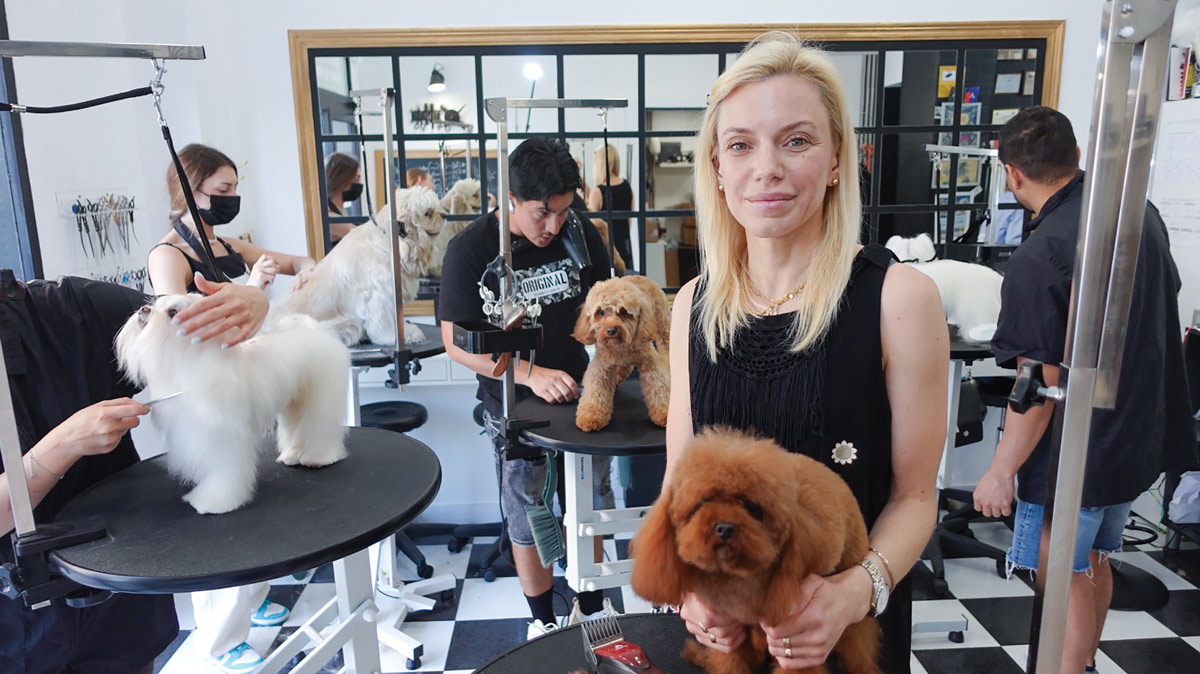
In her salon, each groomer may have a specialty—cats, poodles, hand stripping—but Maria’s expectations remain high.
“They must do all breeds, and also cats, and also trimming,” she explains.
Despite all her accomplishments, Maria says grooming always offers room to grow. Her current focus is expanding online education, including webinars on building profitable grooming salons and succeeding in grooming competitions. These programs are available in multiple languages to reach groomers globally.
She is also preparing to launch a franchise model for both salons and grooming schools. Interest has already come from countries including Germany, Romania and the Czech Republic.
Above all, though, Maria wants groomers to respect the business side of their profession.
“Grooming is not just play with dogs,” she says. “It’s business and it should earn money.”
For Maria, success has come from blending passion with precision and artistry with structure. From veterinary medicine to grooming education, her career reflects a belief that caring for animals also means building systems that support professionals.