


Photos provided by Stephenie Calhoun
 hen people talk about Korean grooming, the conversation usually starts with the finish—clean lines, balance, that unmistakable polish that makes you pause mid-scroll. And yes, the haircuts are beautiful. But after spending time watching how groomers are actually taught there, I realized the finish is the least interesting part of the process.
What really stood out to me was how much emphasis is placed on thinking before cutting. And not just how to execute a pattern, but how to look at a dog, understand what you are seeing and decide what to do next without immediately asking someone else for the answer. Once I noticed that, I could not stop seeing it everywhere.
Korean grooming education exists inside a very structured system. Many academies operate as formal adult education institutions with published hours, tuition, enrollment limits and clear certification paths tied to national organizations like the Korean Kennel Club (한국애견협회). That level of structure shapes everything that comes after it.
When education is required to be transparent and standardized, teaching naturally becomes more intentional. Students generally know where they are in the process, what is expected of them at each stage and what comes next. There is very little guessing.
That predictability removes a lot of background stress, which frees up mental energy for learning. Instead of constantly wondering if they are doing enough or doing it right, students can focus on understanding the material in front of them.

Dogs were not coats to be trimmed in that moment.
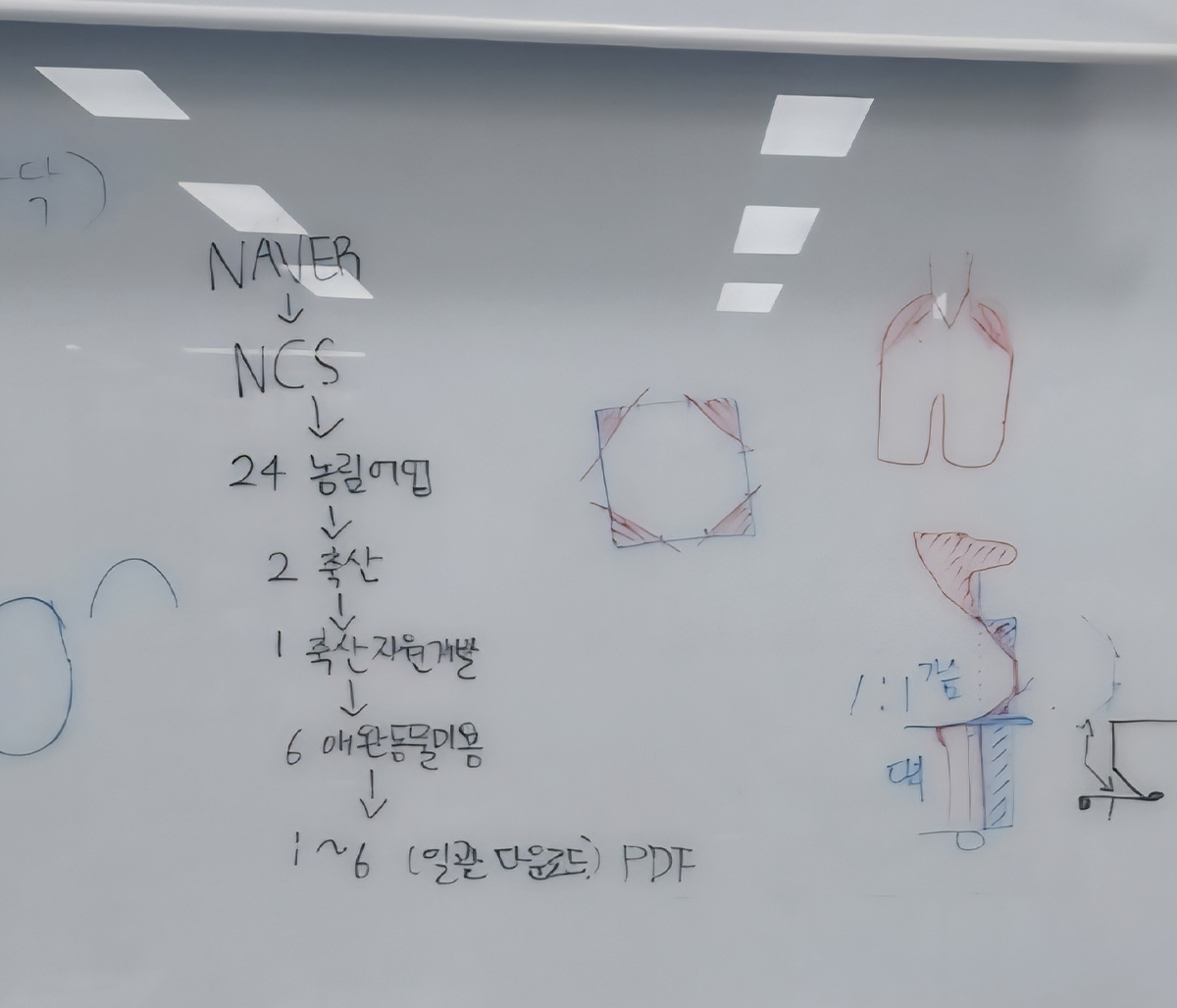
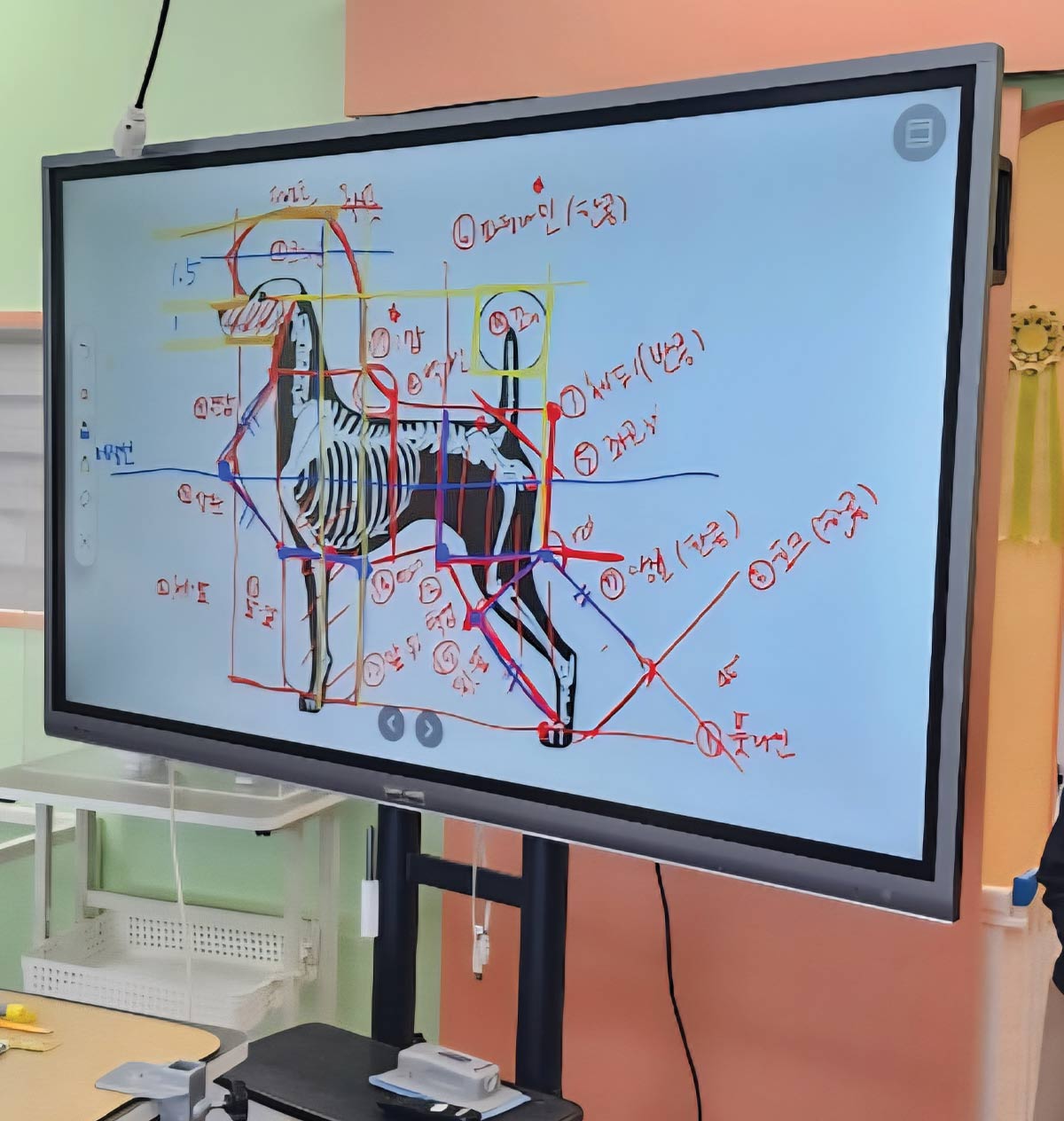
They were shapes to be understood.
That separation matters. When students learn how to see structure before they ever touch a live dog, grooming becomes a series of informed choices rather than educated guesses. By the time they get to the table, they are not just copying a pattern, they are adapting it.
You see the same philosophy echoed in other Korean programs through the use of modeling heads, mannequins and repeated form practice. These tools allow students to make mistakes safely—no anxious dog, no pressure to rush, just repetition and refinement until the eye starts to recognize balance automatically. Muscle memory and visual memory get to develop together.
One educator whose teaching really resonates with me is Park Eun-taek (박은택). His approach consistently centers on finding the right haircut for the individual dog in front of you—not the trend, not the template, but the dog.
What I appreciate most is that his teaching prepares students to make their own decisions. Instead of defaulting to asking someone else what to do next, students are taught how to assess structure, evaluate balance and choose intentionally. That kind of training builds confidence fast. And not the loud kind, but the quiet kind that shows up when something does not go exactly as planned.
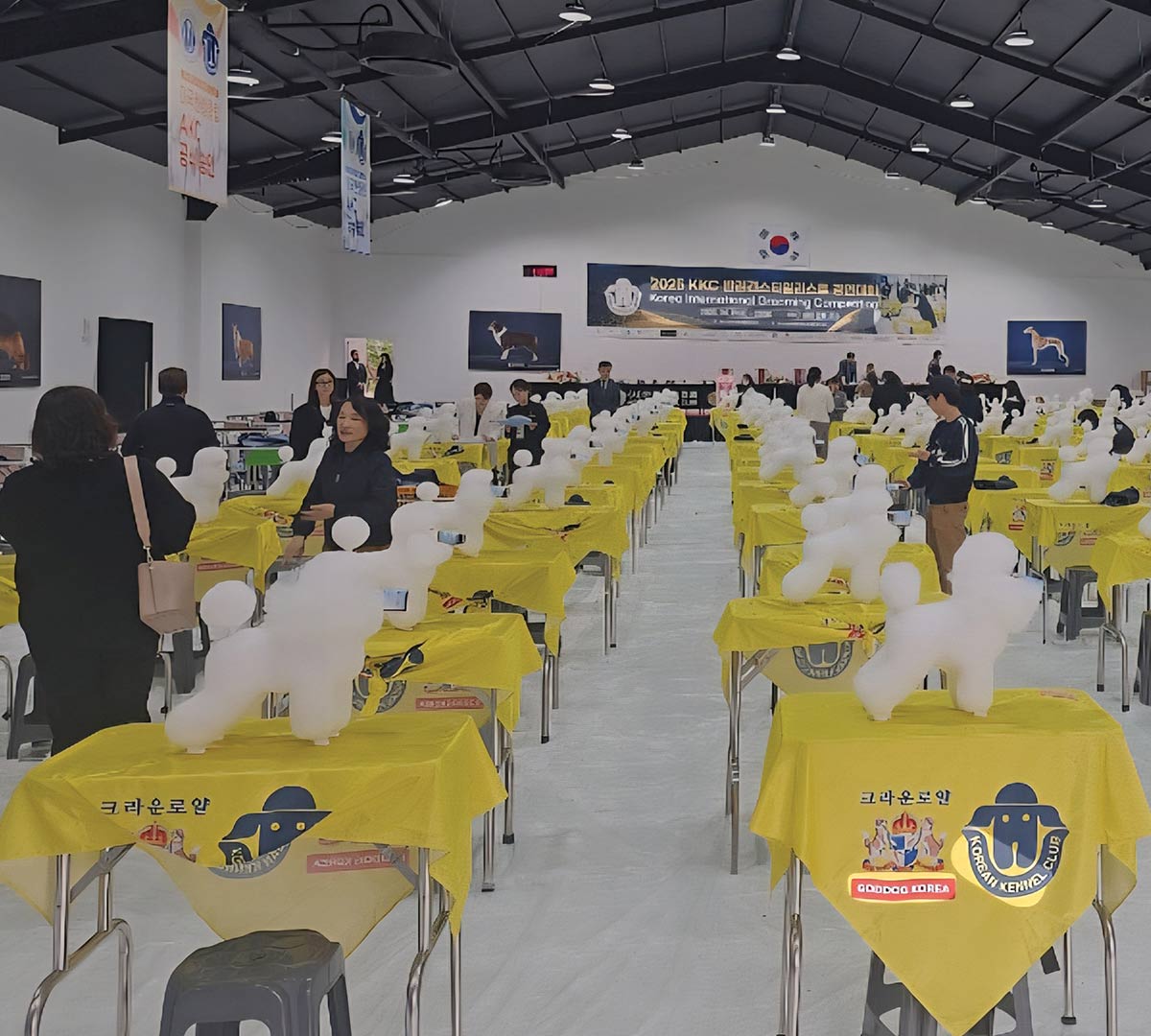
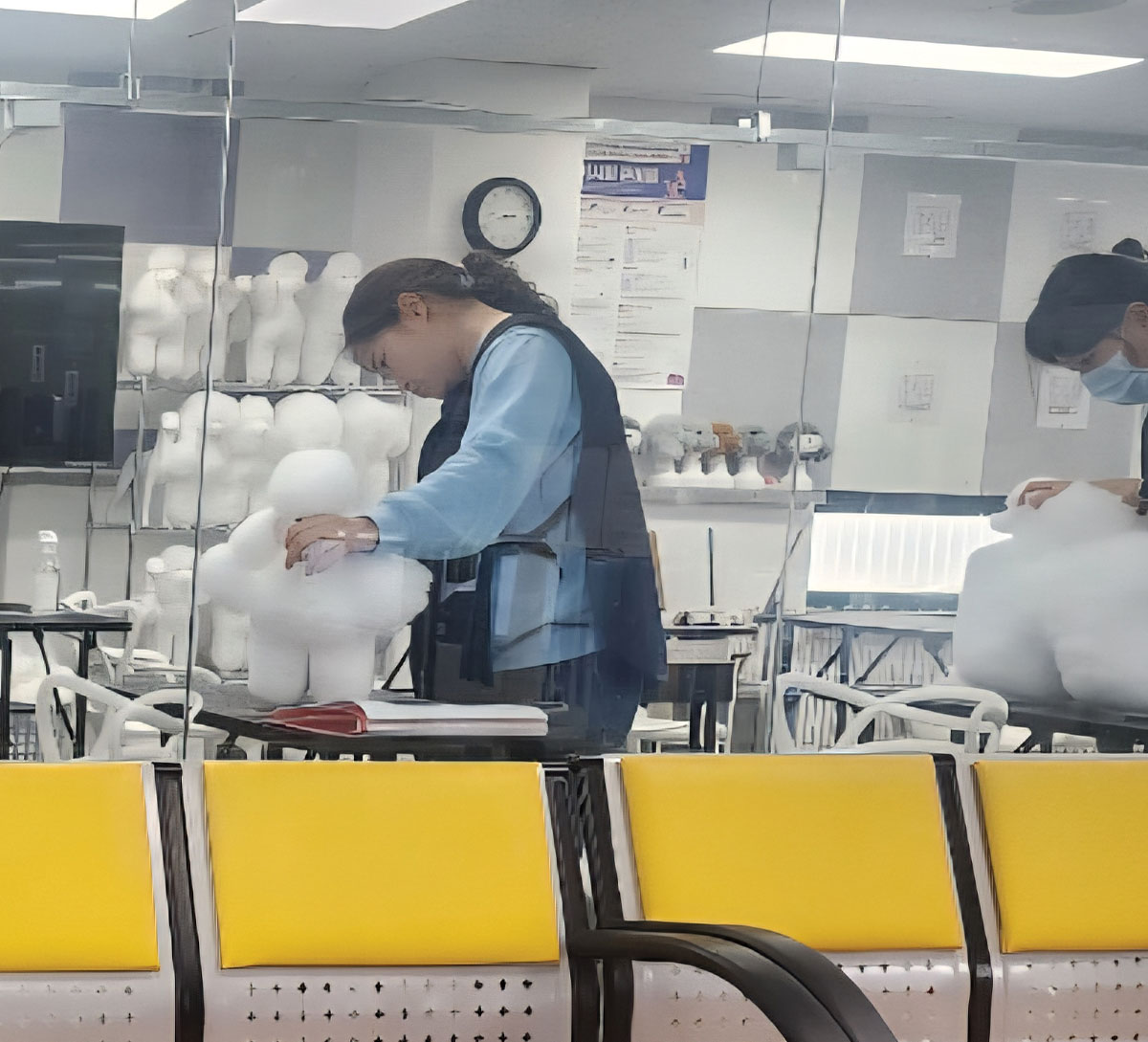
On a personal level, this style of teaching works incredibly well for my brain. Highly structured, visual learning environments reduce cognitive overload for me. When information is organized clearly and taught intentionally, I am able to absorb it more deeply and retain it longer.
Watching how Korean educators build their lessons helped me identify better ways to structure my own teaching. Since then, I have been more mindful about creating clearer frameworks for my students—visual references, defined decision points and predictable progression. And not to limit creativity, but to support it. When students feel grounded, they take more thoughtful risks.
Grooming education in the United States often leans more heavily on mentorship and hands-on learning from the very beginning. There are real strengths in that approach—especially when it comes to adaptability and relationship building—but it can also leave gaps, particularly for learners who need more structure to feel confident moving forward. This is not about one system being better than the other. It is about recognizing what each model does well and what we can borrow to improve how we teach.
At the end of the day, how groomers are taught shapes how they see the dog in front of them. When education prioritizes structure, visualization and decision-making, the haircut becomes more than a finished look. It becomes a thoughtful response to anatomy, lifestyle and communication. And once you start seeing that, it is hard to unsee.