



Photo provided By Misty Gieczys
 he atmosphere of a professional grooming salon is a precise blend of art and chaos: the gentle whir of clippers, the humid warmth of the drying room, the shimmer of freshly washed coats. We invest heavily in the tools that make this magic happen, and we know quality equipment improves the groom. But there is a silent, often overlooked set of tools that protects something far more valuable than a perfect poodle topknot: your business, your staff and your peace of mind.
For salon owners and managers, the reality is that the unexpected can turn a routine Tuesday into a high-stakes emergency, whether it’s a false liability claim, an aggressive customer or a sudden medical crisis. Achieving true operational safety and serenity comes from establishing clear, proven protocols that protect against these moments.
The following details four vital, yet often neglected, layers of defense that move your salon from simply good to reliably safe: electronic surveillance, call recording, covert communication and mandatory staffing protocols.
Visible Accountability: Your Digital Witness
Do not skimp on the security camera purchase either. While the initial investment for a high-quality system may seem profound, the camera will pay for itself many times over by reducing financial and legal risk.
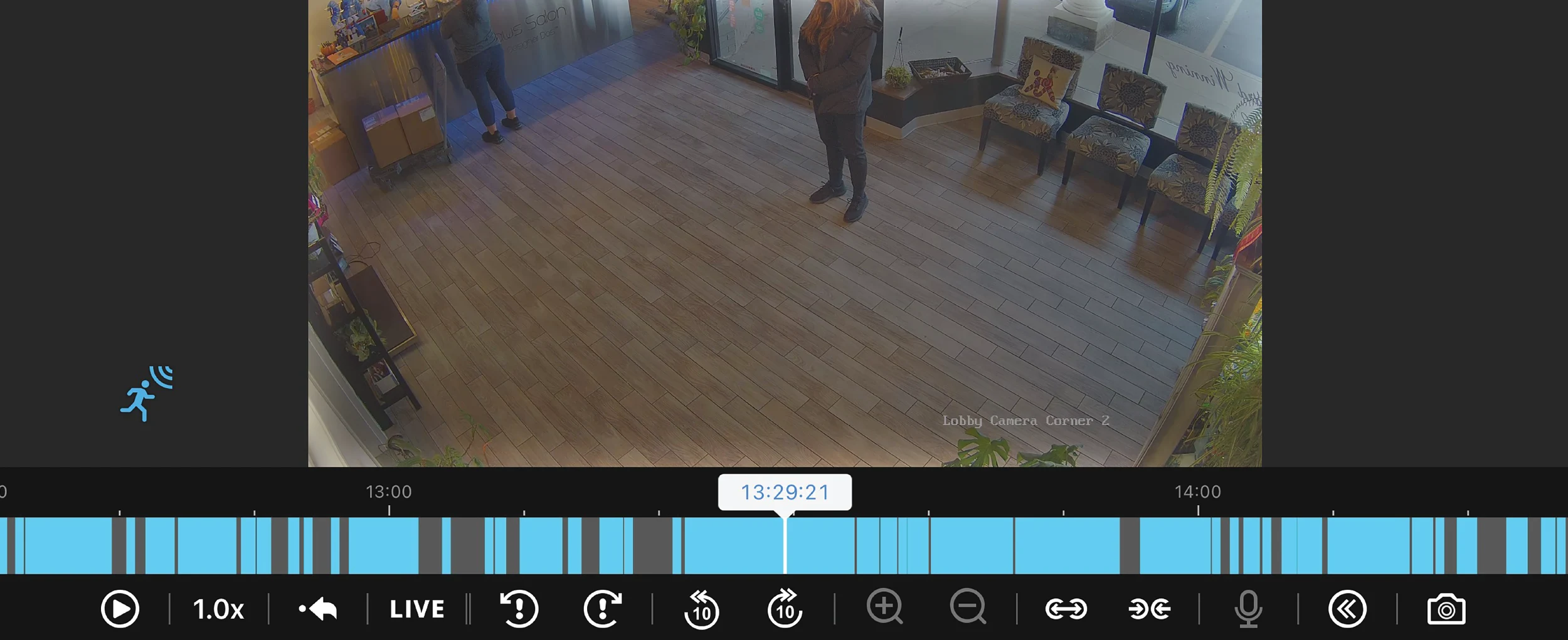
Today’s technology provides high-resolution imagery that allows you to zoom in and out of a recorded event, revealing intricate details. This level of clarity is vital for capturing the exact condition of a dog’s coat before a groom, documenting the precise handling of a pet, or accurately recording the moment a client slips on a clump of hair or freshly mopped floor.
The undisputed evidence provided by a camera can instantly disprove frivolous claims of injury or negligence, potentially saving you thousands of dollars in legal fees and liability settlements. This is the definition of Return on Investment (ROI) in safety; a single high-resolution image can be worth more than a lawyer’s entire retainer.
For full protection, cameras must cover all grooming stations, bathing tubs, kennel areas, lobby and check-out desk. If a situation happens in your salon, it must be on video to protect your staff and demonstrate the professional level of care a pet received.
Modern systems also offer advanced operational features—notably, remote, two-way communication. If a manager or owner is away, they can securely log into the system via a smartphone app, view the live footage and verbally communicate with staff through the camera’s speaker. This capability allows for instant guidance or real-time issue resolution, transforming surveillance from a purely reactive tool into a proactive management and safety aid.

These recordings can be used to ensure staff accurately inform an owner about fees (such as a $30 late fee or $50 no-show fee) when they later declare, “I was never told!” You can also verify a client’s specific instructions regarding an appointment, such as an owner confirming to keep the appointment active and then subsequently not showing up.
However, the audio recording feature comes with a critical legal warning that all salon owners must heed. The use of audio surveillance is much more strictly regulated than video. While video recording in public areas of a business is generally permissible, state laws vary significantly regarding the consent required to record sound. This legal difference is substantial and carries severe penalties for noncompliance.
In “one party consent” states, you only need one person involved in the conversation (which can be the staff member) to be aware the conversation is being recorded. But in “all party consent” or “two party consent” states (like California, Florida, Illinois and others), everyone involved in the conversation must be informed and provide consent to the recording. To be fully compliant, it is essential to consult legal counsel and meticulously check your state and municipal laws.
If you utilize audio recording, you must post a clear and conspicuous sign at your entrance stating that both audio and visual recording are taking place. Depending on your state, you may also need to implement an additional recorded message or notification informing callers that the conversation may be recorded before they speak to a person. Failing to adhere to these rules can expose your business to severe criminal penalties and civil lawsuits, completely defeating the core purpose of the security measure.

For instance, an urgent alert can be triggered by a specific, innocent sounding phrase like: “Do you want me to call Princess Fiona’s parents and let them know you are going to be late?” The response dictates the action. If you respond, “Yes, please go ahead and let them know,” it is the coded signal to call 911 immediately. A less urgent need for support might be met with the response, “Check with me in five minutes,” which signals the colleague to stay close and be ready to intervene if the situation cannot be resolved swiftly. If the response is, “No, not at all,” it means the colleague should still stay close, keep a phone ready, as this interaction should be wrapped up quickly.
The most crucial procedure in this protocol is to ensure the backup staff member moves to a separate room to make the emergency call while keeping eyes on the situation. Crucially, this covert method prevents the conflict from escalating further. If you openly tell a volatile client you are calling the police, that sudden announcement can trigger a desperate, aggressive and potentially violent reaction. Instead, when the police unexpectedly walk through the door, it immediately changes the dynamic. This element of surprise is a vital layer of protection for you and your staff.
To ensure these vital safety codes and emergency actions can be executed under duress, they must be tangible and accessible. It is crucial that the entire protocol, including all coded phrases and their corresponding staff actions, is printed clearly on a single document or laminated poster. This document should be posted in a discrete, yet highly visible location within the grooming area, preferably right next to the door.
This physical cheat sheet must also clearly display the emergency number (911) or, for situations requiring less immediate intervention, the local police non-emergency number. In moments of extreme adrenalized stress, the human brain is subject to cognitive shut down; having this consolidated safety poster prevents staff from scrambling to recall critical information, ensuring the correct lifesaving action is taken every time.
This minimum staffing is critical for customer conflict backup, ensuring that one person can focus on de-escalation while the other executes the code word protocol. More importantly, it is a crucial defense against a physical safety crisis or medical emergency.
We have heard cautionary tales of groomers being crushed by a malfunctioning hydraulic table while doing maintenance, who were trapped for hours until a client walked in and raised the alarm. Similarly, consider the scenario where an employee experiences a severe allergic reaction (anaphylaxis) to a chemical, aerosol or animal dander and needs their EpiPen. If that employee is suddenly incapacitated and unable to retrieve their medication, a second person is a lifesaving measure who can immediately retrieve the medication, administer aid and call emergency services.
The two-person minimum also extends to basic after-hours safety, ensuring that one person can safely escort the other to their car, especially during dark winter hours, deterring potential criminal activity outside the salon.
Furthermore, consider installing panic buttons in high-risk, isolated areas, such as the front desk or a separate cat grooming room. These are inexpensive tools that provide huge returns on peace of mind, allowing staff to instantly alert colleagues in the main grooming area that they need immediate assistance.
Beyond personnel, we must also consider strategic barriers. Train your staff to utilize simple but effective large objects like a front counter, a rolling shelf or a sturdy grooming table. These pieces of furniture become an immediate barrier between a staff member and an aggressor. This buys precious moments of time and makes it harder for the aggressor to physically reach them, often providing the window necessary for the other staff member to execute the emergency call.
The best clippers and shears only make a groom easier. Well-planned security systems and staff protocols make the entire job safer. Planning for the worst-case scenario isn’t negative thinking; it’s responsible ownership and a profound demonstration of care for your team.
By implementing these layers of protection, you are building a safe, confident staff who can focus on what they do best: providing excellent pet care, secure in the knowledge that their safety is the salon’s top priority.