


Grooming Matters
Nail Care Necessities title
by Daryl Conner
Have you ever stopped to think about how many claws you have trimmed throughout your career? Even if you’ve only been grooming for a few years, the number is probably impressive. The job is pretty straightforward, but there are a variety of tools and products available to make things go more smoothly and result in a better end product.

TRIMMERS
No matter which type of trimmer you use, it is imperative that the blades be sharp or the pet will experience a crushing sensation before the nail is shortened. This can make even the most tolerant pet dread having their nails handled.
digital illustration of a guillotine-style trimmer
Guillotine-Style Trimmers
This type of trimmer has a stationary and a moving blade. They give a straight cut, and because of the leverage action of the design, can be helpful on very hard nails. The blades on many popular models can be sharpened or replaced. They are available in small and large sizes but work best on small- to medium-sized claws. In rare instances, they can become jammed, making for a scary moment if the dog struggles.
digital illustration of scissors
Scissor-Style Trimmers
Usually outfitted with a sturdy spring to open the clipper after it has been compressed, this type of trimmer has two blades that come together with manual pressure. They can be difficult to sharpen but are inexpensive enough to keep several on hand. In addition, they can be more easily used at various angles than a guillotine-style trimmer and are more nimble getting around oddly shaped or curved claws. They are also available in multiple sizes, from very small for cats and other small mammals to extra-large for thick nails found on giant dog breeds.
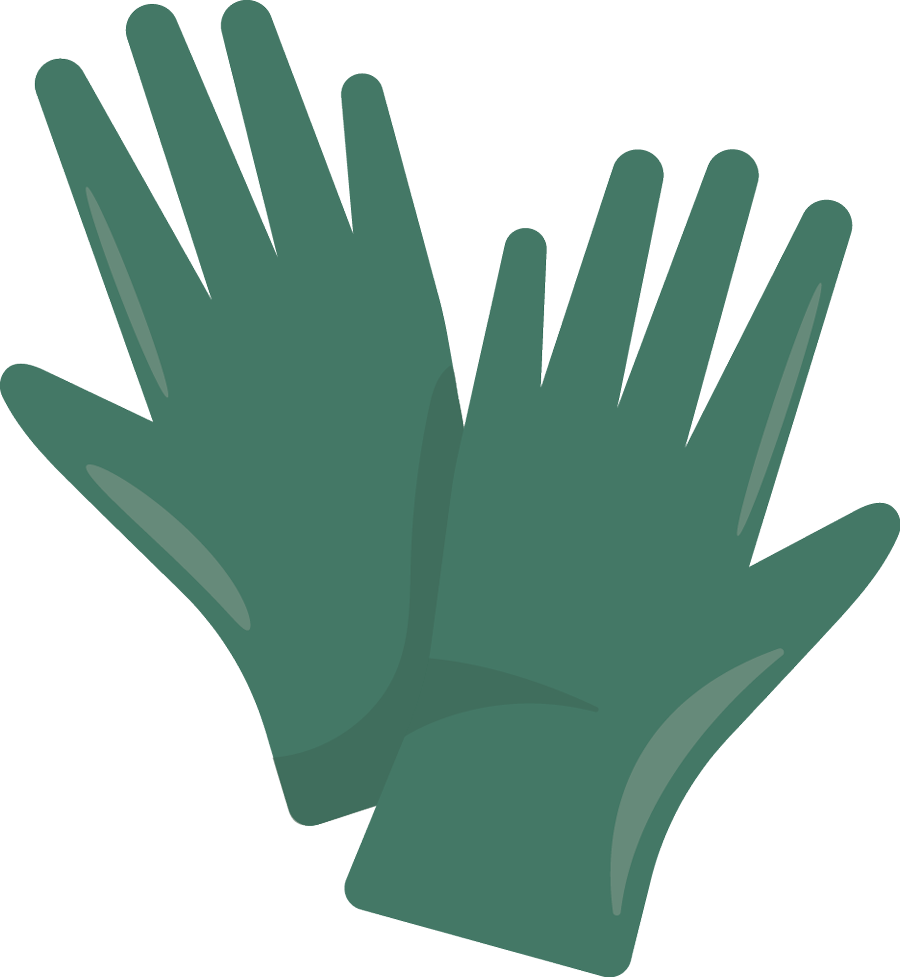
digital illustration of gloves
PRO TIP:
Some dogs have perfected the move of clawing at the groomer’s arms with their rear feet when they are having their nails trimmed. To save your skin, buy a sturdy pair of elbow-high dishwashing gloves, cut the finger and thumb parts off, and slide them on before you trim the claws. You will have full dexterity with your fingers, but the rubber will protect the sensitive skin on your arms from being shredded while you work.
Files & Grinders
Once the claw has been clipped, it will most likely have very sharp edges remaining. Many groomers use a file or grinding tool to smooth off the sharp edges after trimming. There are various tools to choose from to accomplish this task.
digital illustration of a Manual Nail File
Manual Nail Files
Nail files are hand-held tools with an abrasive surface which are inexpensive and work by rubbing the rough surface against the freshly trimmed nail parts until the sharp edges are rounded. These are a good choice for pets who fear the sound made by motorized nail tools but require more time and effort from the groomer and extra patience from the pet.
digital illustration of a Rotary Motor-Powered Nail Tool
Rotary Motor-Powered Nail Tools
There are many brands and styles of these to choose from. Rechargeable battery-powered nail tools are safest when working with pets because they will dramatically slow or stop if some fur is accidentally wrapped around the shaft while in use. Electrically powered tools are so powerful they have been known to cause damage to the pet’s skin or coat in this circumstance. Look for tools that offer variable speed options and the ability to choose which type of buffing surface is best for your clients. The higher the RPM (rotation per minute), the quicker the job will be done.

Choosing what type of tip to use to smooth the nails can be a bit confusing. Many buffing kits come with various shapes, sizes and textures of stones or sandpaper bands. Because stones can become hot from the friction caused during use, many groomers prefer sandpaper bands. Coarse-grit bands will remove more of the nail faster, while finer-grit bands will leave a smoother finish.

Newer on the scene are diamond grit nail buffing stones. They are designed to leave a very smooth edge on the nails after use. However, they need to be cleaned regularly, as the residue from the nails will bond to the stone’s surface. Combined with a coarse-grit band, a groomer can shorten the nail substantially and then use the diamond tip to leave a flawlessly smooth finish.

Because motorized nail buffing tools produce dust from fine particles of the nail and disperse it through the air, wise groomers will use a mask to protect their respiratory system when using them.

First Aid
Animal claws have both a blood supply and a nerve that extends into them. As a result, even the most careful stylist will sometimes trim a nail a bit too short and cause the nail to bleed a bit. There are various products are on the market to help quickly stop the blood flow.
digital illustration of a medicine bottle with a red plus on the front
Powdered Blood Stop
One of these products is a powdered blood stop which contains an anti-hemorrhagic agent that quickly stops bleeding. It may sting for a moment and it may also leave behind a yellowish stain. But you can use a little hydrogen peroxide to remove any product residue (or blood) from the coat. It is easiest to use in a spray bottle. A few spritzes right on the stained area will usually remove all traces of discoloration.

The powder can be applied directly to the bleeding claw with a cotton swab, gauze pad or fingertip. Some groomers use flip-top contact lens cases to store a little powder in and just pop the lid and place the dog’s nail into the reservoir to apply it. Purpose-made blood-stop powder applicators are also available. They hold a small amount of the product and can be pressed over the nail to apply the powder. Sometimes more than one application is required.


digital illustration of a Styptic Pencil
Styptic Pencils
Found in the shaving section of the pharmacy, these pencils can be used to stop bleeding on minor cuts (such as those people get when shaving body hair) or pet nails. They contain silver nitrate and may sting slightly. To use, moisten the tip of the pencil and roll it across the cut surface of the claw.
digital illustration of a red ointment bottle with a white plus on it
Clotting Gel
There are clotting gels on the market that not only stop bleeding, but also contain an analgesic that temporarily numbs the area and a disinfectant to help prevent any possible infections. Used correctly, it is less messy than the powers.

Because short, smooth claws are almost always at the top of the list of concerns for pet owners, sending the pets you groom home with expertly trimmed and finished nails can help ensure your customers’ loyalty.