


by Lynn Paolillo
 ou brush your teeth every day (hopefully), and you probably see the dentist at least once or maybe twice a year for cleanings. But when it comes to your clients’ cats, how often are they receiving that same level of preventative care for their coat and skin?
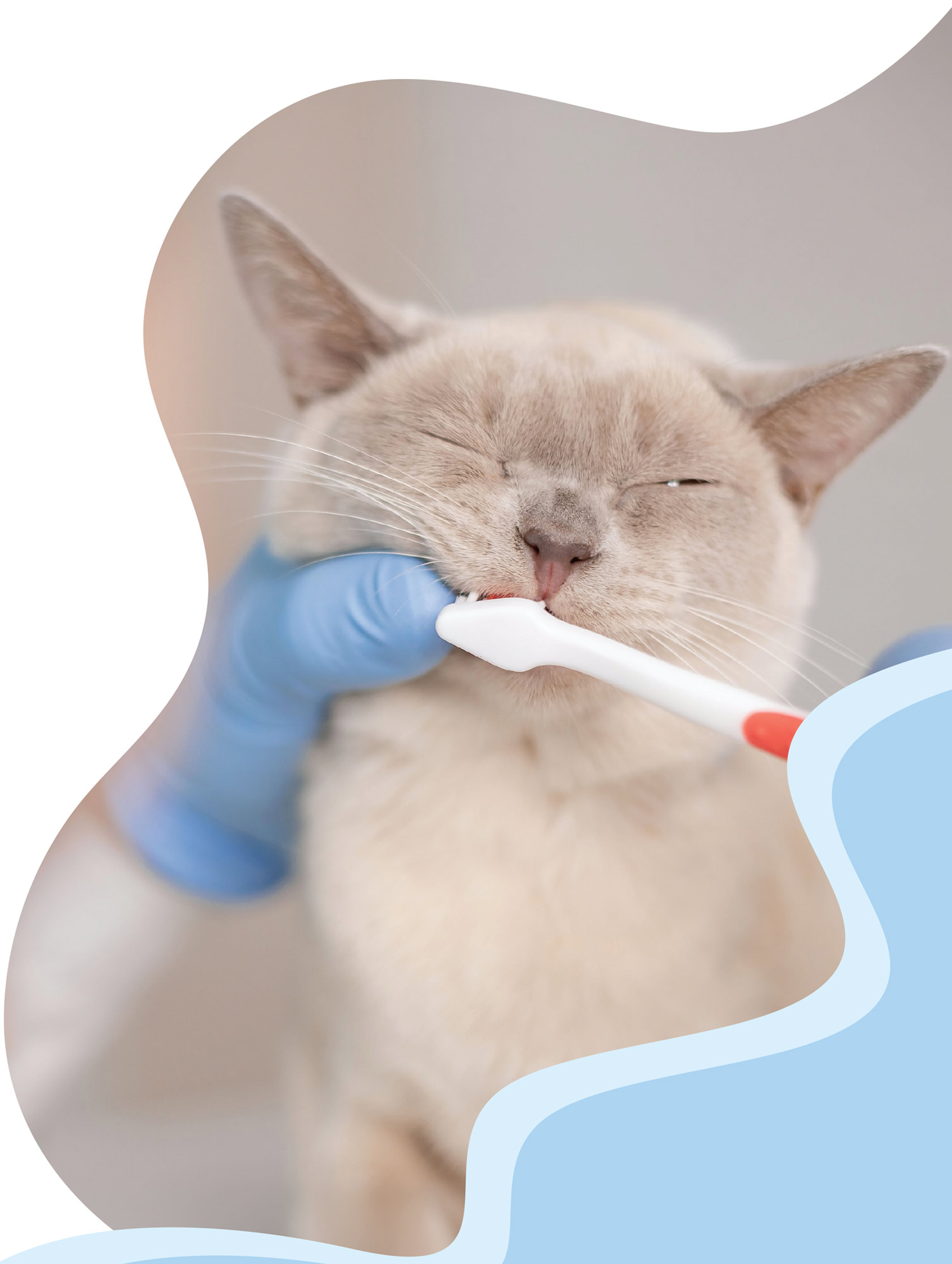
Regular, consistent preventative grooming is just as essential for a cat’s health and wellbeing as routine dental care is for us. In fact, grooming appointments often mirror the dental journey far more than most cat owners realize.
Preventative Vs Reactive Grooming

by Lynn Paolillo
ou brush your teeth every day (hopefully), and you probably see the dentist at least once or maybe twice a year for cleanings. But when it comes to your clients’ cats, how often are they receiving that same level of preventative care for their coat and skin?
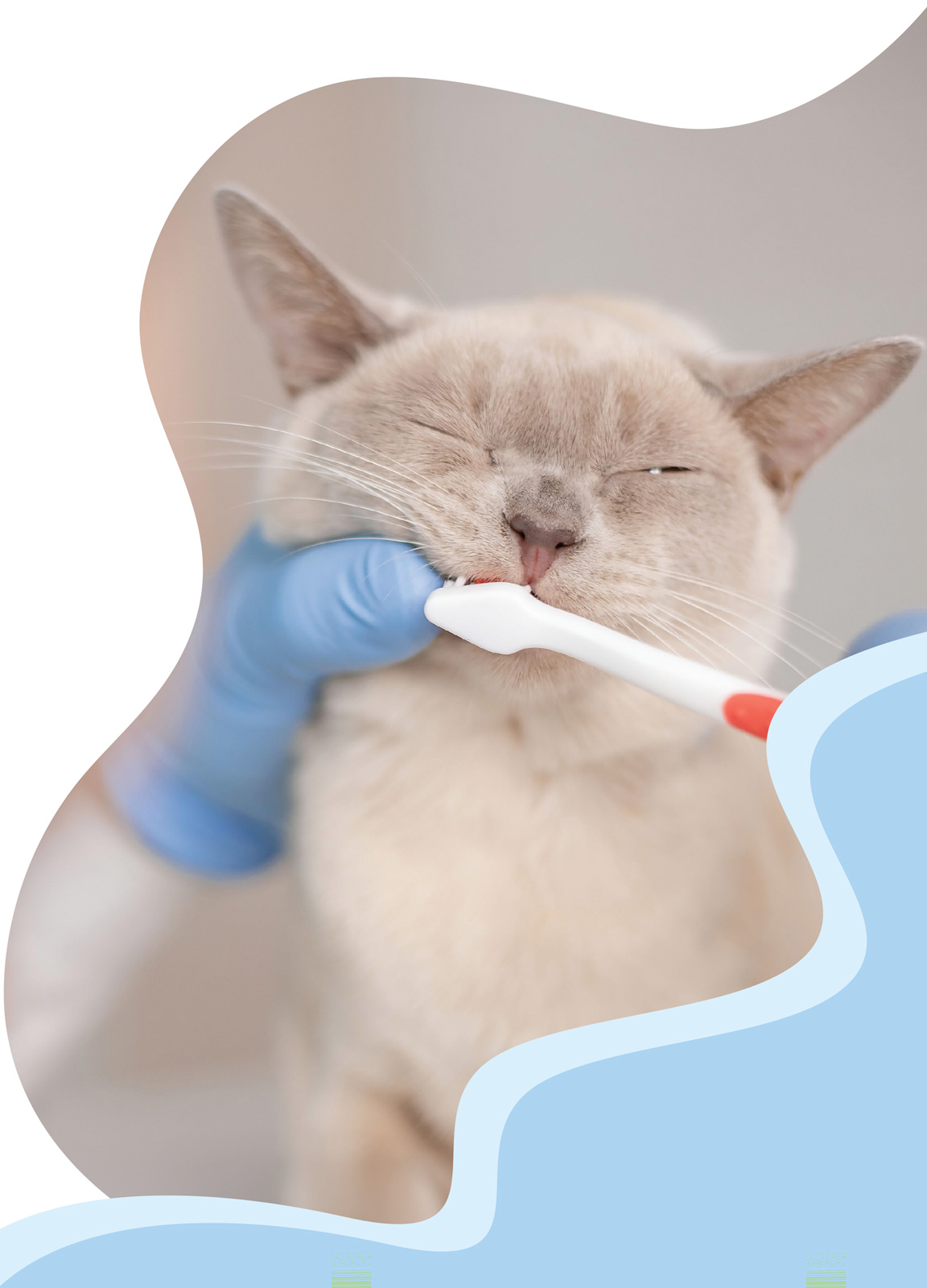
Regular, consistent preventative grooming is just as essential for a cat’s health and wellbeing as routine dental care is for us. In fact, grooming appointments often mirror the dental journey far more than most cat owners realize.
Preventative Vs Reactive Grooming
Most people don’t enjoy the dentist. An emergency appointment is especially upsetting when a toothache turns into an expensive, painful, multi-step procedure. It’s not all that different for our feline clients. When cat owners delay professional grooming until their cat is matted, greasy or throwing up hairballs, it turns what could have been a routine visit into a potentially stressful and uncomfortable situation for both cat and groomer.

Just like dental care, maintenance grooming is most effective when it starts before there is a crisis.
Here are a few factors that determine how often a cat needs grooming:
- Breed: Persians, Ragdolls and Maine Coons generally require more frequent grooming than a sleek Oriental Shorthair or Siamese.
- Coat Texture: Plush, cottony coats can tangle and mat more easily, while silky, thin coats may not. Each texture comes with its own challenges.
- Color: White or pale-colored cats tend to show staining and buildup faster, especially around the eyes and under the tail.
- Age: Senior cats often have increased grooming needs caused by changes to their skin and coat. Arthritis or dental issues can also make self-grooming painful.
- Diet and Health: Cats with poor nutrition or underlying health conditions can have a dull, flaky coat or greasy build-up.
Regular maintenance catches these issues early. Think of it like going to the dentist and discovering a tiny cavity instead of waiting until you need a root canal.
Kittens can learn that bathing, drying, combing and being handled are normal. This teaches them that the groomer isn’t scary or stressful, and that the grooming table isn’t a punishment. These early experiences build confidence, reduce fear and prevent grooming appointments from becoming high-drama, high-risk situations later in life.
When clients ask if it’s too soon to start, the answer is almost always “the sooner the better.” Kittens aged 8-16 weeks are in the best time frame for their behavioral development to be introduced to new things and be socialized. Some longhaired cats may also go through coat change around 6-18 months of age, where they can more easily mat and tangle, as compared to their kitten coat. So getting them in as early as possible can make a huge difference in how cats experience grooming both at home and with a professional.

What Clients Can Do at Home
Cat owners are no different. We tell them to brush daily with a quality comb, not a slicker; we show them how to get down to the skin, and how to check for mats in the armpits and inner thighs. And still, they forget, avoid it or do it wrong. It’s not because they don’t care, but because it’s overwhelming, they’re busy or their cat hates it.
That’s where we come in. Just like your dental hygienist reminds you to floss and does the heavy lifting every six months, as cat groomers, we are the support team between home care and catastrophe. For owners willing to brush, we can show them what tools to use and how to create a calm, successful routine. For those who can’t (or won’t), we can help them establish a professional maintenance schedule that prevents things from getting out of hand.
What Happens Without Maintenance?
So, let’s get a little deeper with this dental comparison:
- Brush and floss daily, see the dentist twice a year = Healthy mouth, minor cleanings.
- Brush and comb regularly, visit the groomer every six to eight weeks = Soft, mat-free coat, clean skin, minimal shedding, happy cat.
- Don’t floss, brush occasionally, skip seeing the dentist = Cavities, root canals, gum disease, implants, high expense.
- Ignore grooming, wait until mats develop = Shaving, painful de-matting, hairballs, skin issues, possibly sedation grooming.
For some cats, genetics and diet make it easier. There are cats who barely mat, never seem to shed and have coats that look great with minimal effort. But they are the exception, not the rule. Most cats benefit from some combination of home care and professional grooming—especially as they age.

Helping Clients Make Better Decisions
Using the dental analogy, you can explain it this way:
- Combing is like flossing. It gets to the root of the problem, just like floss gets between teeth.
- Skipping grooming appointments is like skipping cleanings. Eventually, it catches up with you.
- A short monthly groom is better than one long traumatic appointment every six months.
You can even tailor your grooming recommendations to each cat’s “oral hygiene” habits. Is this a cat with a great coat and a diligent owner? Maybe they only need quarterly visits. Is this a cat who gets matted after four weeks even with regular brushing? That’s when we can turn to haircut ideas, as even just adding a belly shave can target specific areas that repeatedly mat for that cat. Frequency of appointments, products, techniques and services done during a grooming appointment can all be options for maintaining each cat’s coat in a way that works for them.
Regular preventative grooming isn’t a luxury, it’s healthcare. And just like brushing and flossing, it works best when started early and done consistently. As professional cat groomers, we have the opportunity to change the way clients think about grooming—not as a last resort, but as a proactive, routine part of their cat’s wellbeing.
So the next time a client says, “My cat doesn’t really need grooming,” ask them: “Do you go to the dentist?” Because if they brush their teeth every day and still need checkups with their dentist, their cat’s coat definitely needs a little professional attention, too.