

The Theory Behind the

Photos provided by Dillon Gonzales
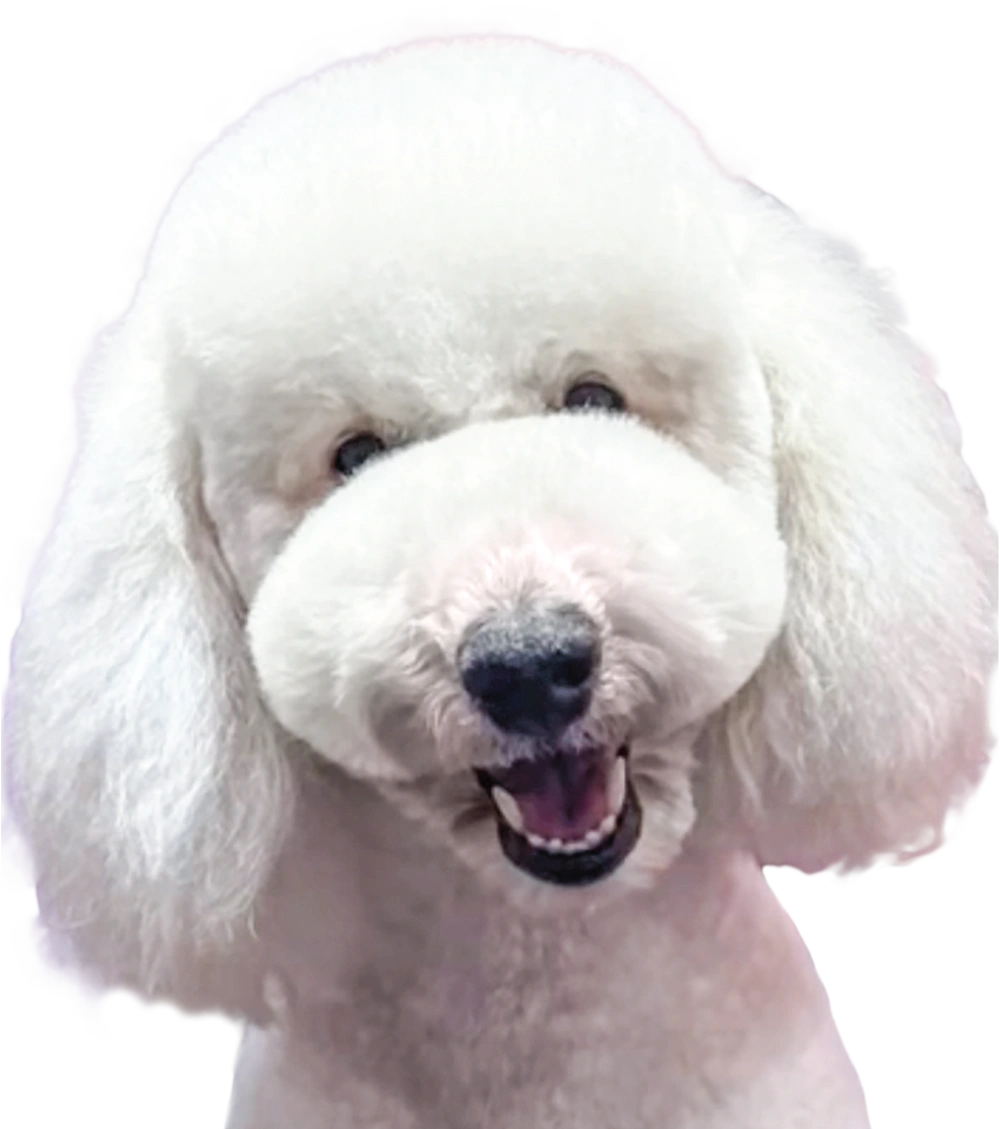
 sian Fusion grooming often gets called “cute,” and it is, but there is so much more behind the fluff than just cute for the sake of being cute.
The first time someone told me about Asian Fusion grooming, I Googled a picture of it, saw a fluffy, round-faced pup and thought, “easy.” Fifteen minutes into the haircut, I realized I had no idea what I was doing. The shape wasn’t right and the face looked off. That was the day I realized this style was not just adorable, it was architectural.
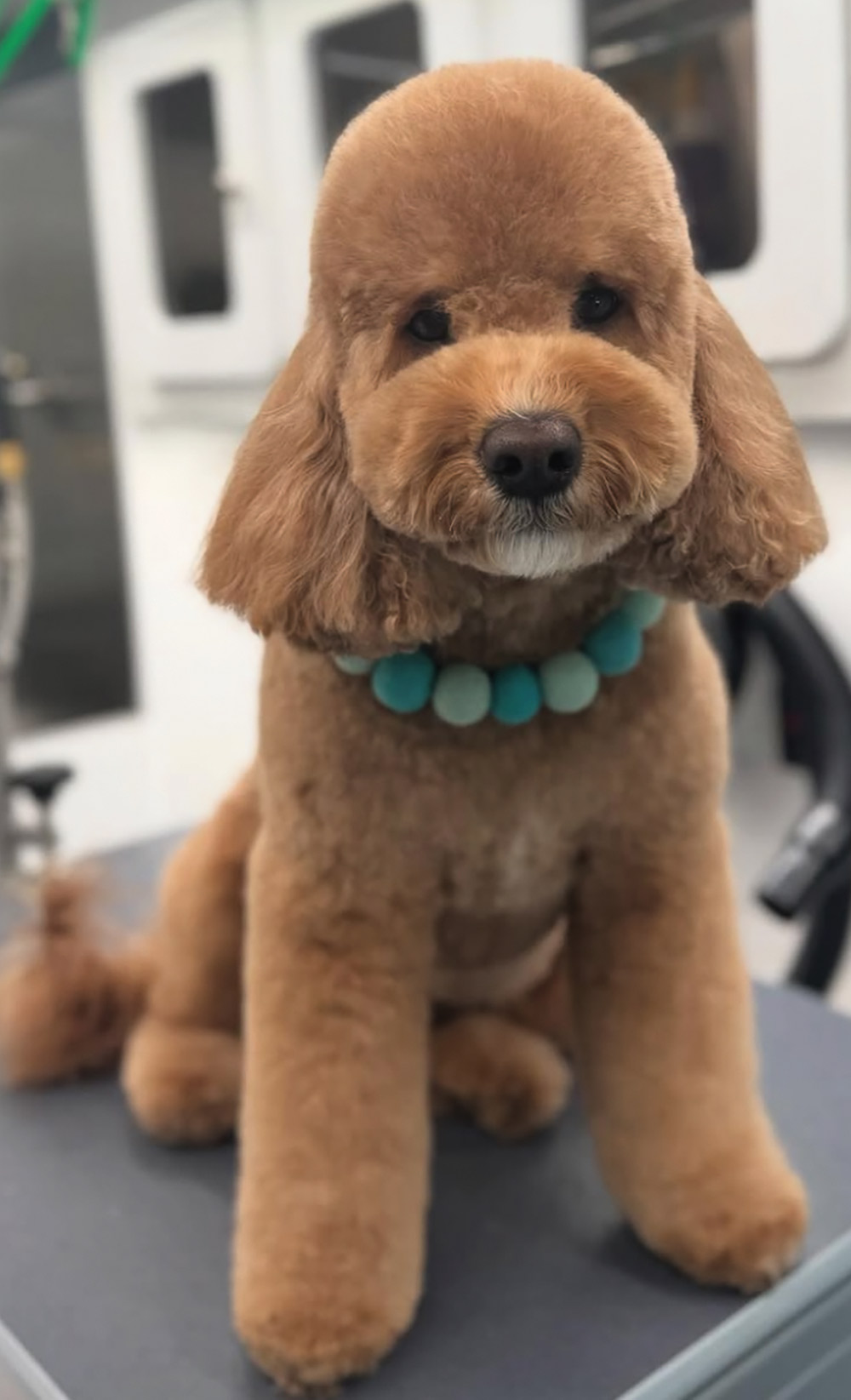
Specializing in Asian Fusion has taught me to stop thinking in terms of “just shape it round” and start thinking like a designer. This style has its own set of visual rules just like art or architecture. It is about intention, contrast and knowing how to flatter a dog’s structure while still adding personality. That mindset changed how I groom, and I think it can elevate anyone’s work if they dig into the why, not just the how.
Design Isn’t Random, It’s Calculated
Asian Fusion is often paired with freestyle, but I think it is in a class of its own. It is incredibly technical, and not knowing balance, symmetry/asymmetry, shape and expression can make or break your Asian Fusion-style groom.
Here are some commonly used terms and what they mean in reference to the groom:
- Balance: Pairing a large head with flared legs and a compact body.
- Symmetry vs. Asymmetry: Sometimes an uneven ear set or off-centered bow makes a look pop.
- Shape: Round = soft and sweet; Square = bold; Longer Lines = elegant.
- Expression: Head shape based on what emotion you want to bring out—playful, pouty, pouty but fierce, etc.

Head
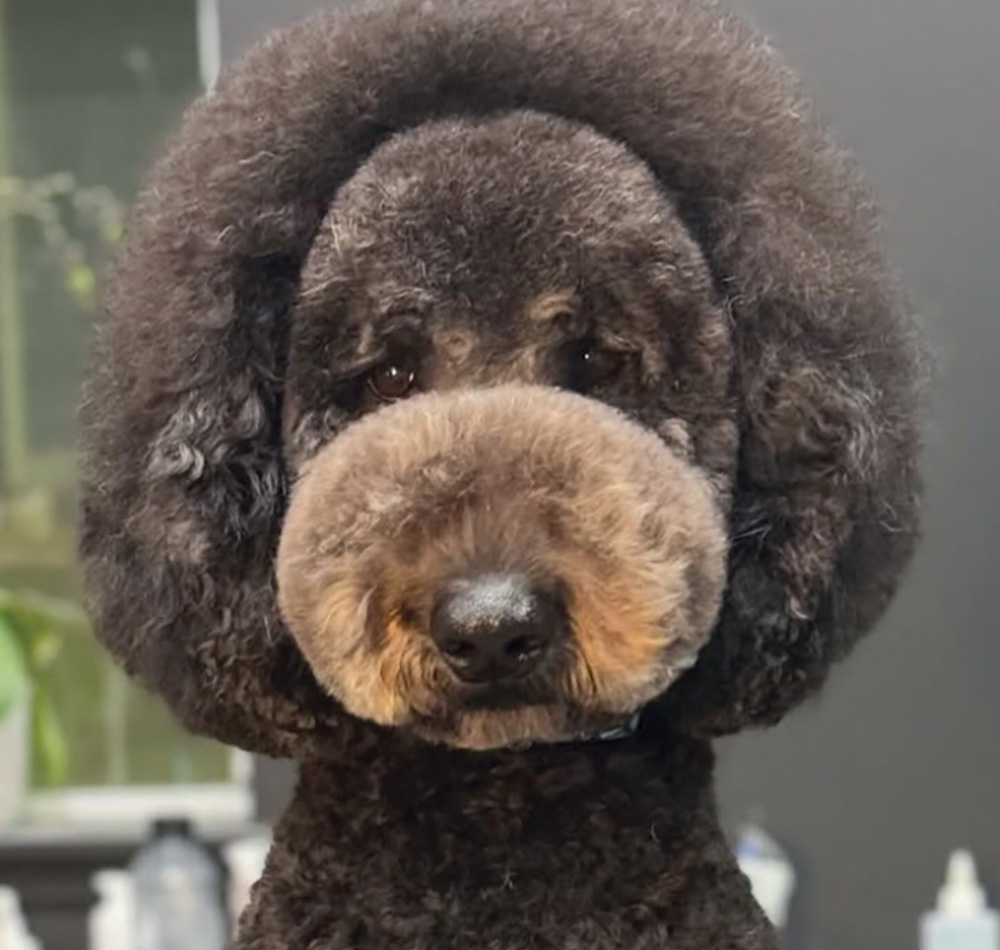
I always start by asking myself, “What story am I telling?” A round head says “puppy cute.” A wide donut muzzle might feel more cartoonish. The ears? Everything from lamb drop ears or sharp teddy cuts to big flared beveled ears changes the vibe. Having a clear vision is key to a cute, well-executed face and head.


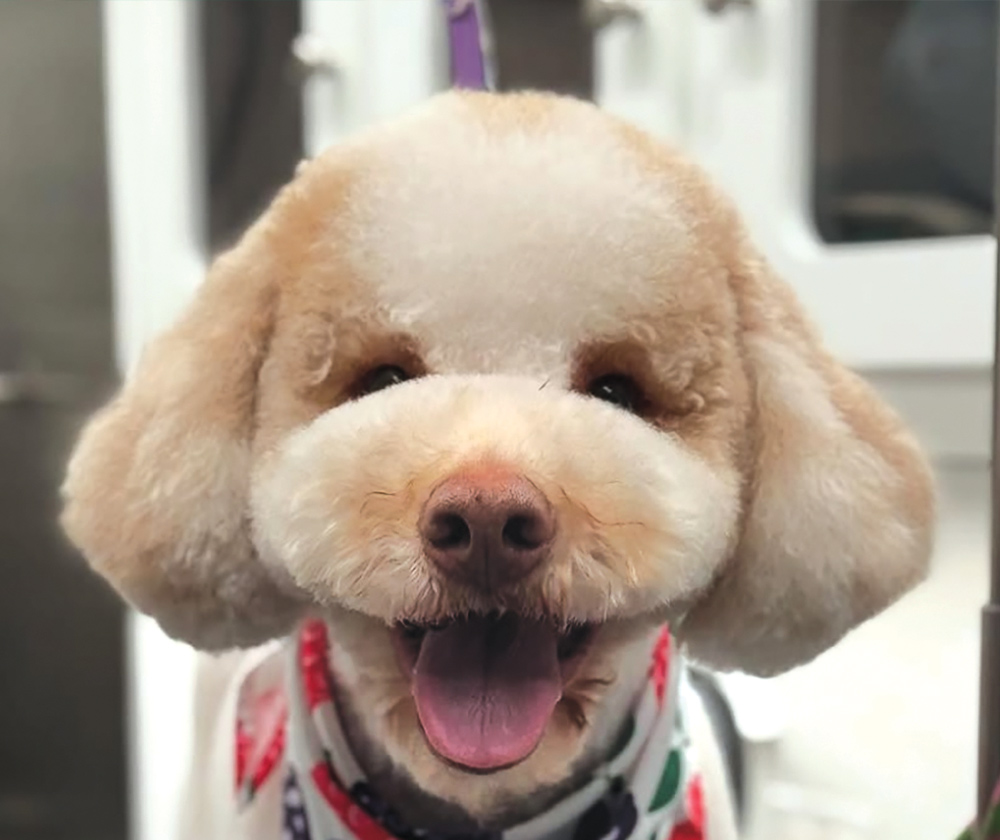
It is all about communication and understanding what the client wants versus what you can create. Having a good portfolio of grooms you have done is a great idea to showcase the style you envision. Building trust with your clients leads to success and creativity.
The following outlines a few common pitfalls often seen in Asian Fusion grooming:
- Over-shaping without intention: Making everything round does not make it cute; it can make it clunky if not paired with structure.
- Ignoring the dog’s anatomy: Forcing a look on a body type that cannot support it leads to awkward silhouettes.
- Overdoing transitions: Blending should lead the eye, not blur everything into one fuzzy mess. Be deliberate.
- Copying trends blindly: Just because a trim is viral does not mean it works on every dog. Adjust for coat, structure and personality.
Asian Fusion grooming is about more than just cute faces and fluffy legs. It is about using design to tell a story, flatter a frame and turn everyday dogs into walking artwork. Once you start thinking with intention instead of autopilot, everything about your grooms will level up. So next time you lift your shears, ask yourself: What am I designing here?