


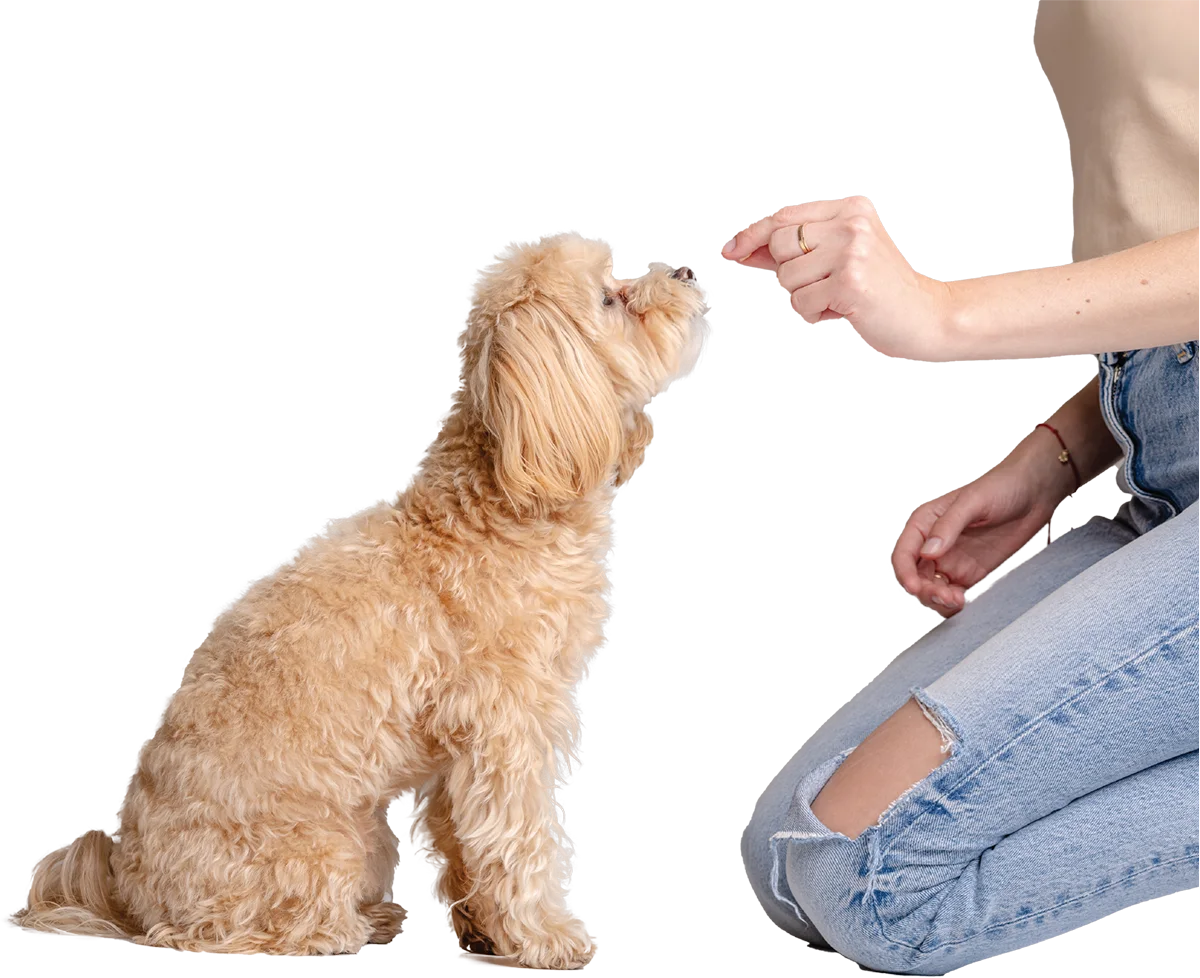

 ost pet dogs don’t stand still like a show dog on the grooming table. A little shifting around is normal, but when dogs show fear, aggression or extreme excitement, grooming can quickly become unsafe for both the dog and the groomer. In these cases, it’s up to the owner to help their dog prepare for grooming—and sometimes that means professional training.
What Training Can (and Can’t) Do
Understanding the training process can also help groomers determine whether they should give a dog another chance at their salon after completing training. Since every approach is different, it’s always best to communicate directly with the trainer whenever possible.
While a trainer shouldn’t design a plan based solely on assumptions—such as assuming the dog finds grooming aversive due to a painful association with being groomed—it’s essential to consider all available information. Even partial details can help to shape a custom plan.
From there, trainers can recreate the grooming process by breaking it into micro steps. Since it’s essential to observe the dog’s responses to establish a customized plan, working on each aspect of grooming individually makes the most sense. The goal is to make every stage predictable and tolerable in order to reduce stress before moving on.

For example, if a dog shows any signs of stress when the trainer picks up their paw, the trainer may stop instead of continuing to push forward. This technique builds trust and gradually extends the dog’s tolerance.
Instead of stopping when the dog’s behavior becomes too challenging to continue, this approach means the handler stops when the dog gives a quiet signal, before pulling away or attempting to bite. In the salon, however, groomers might find it impossible to use this technique since stress signals are frequent.
Bridging Training and Grooming Reality
A helpful exercise pairs one groomer as the handler and another as the observer, noting lip licks, yawns, changes in body posture or other signs of stress during a short session. Switching roles helps sharpen awareness of canine body language in the salon.
Some trainers will also work on transition points that naturally occur, such as moving dogs from a tub to a table or a table to a crate, and use pattern exercises to build confidence in each step. Over time, “stand on the table” expands into “stand, be brushed” or “stand, be clipped,” preparing the dog for the flow of a real session.
Groomers can then incorporate clear communication and micro breaks into their routines. Giving the dog a cue before a sudden change, such as turning on the water or the dryer, can help. Also, allowing the dog to move away from the grooming table briefly and shake off can reduce stress and help the dog reset.

When owners are grooming their own dogs, even basics such as brushing, trainers might introduce skills the owner can use by giving the dog the corresponding cue. In cases where groomers and trainers collaborate or work within the same business, trained behaviors can also be effective.
Examples of trained behaviors include:
- Focus Target: Looking at a set point on cue.
- Side Settle: Relaxing on a mat placed on the table.
- Chin Rest: Holding still with the chin on a grooming pillow.
- Stand: Stand squarely on cue.
- Paw Lifts: Lifting paws on cue.
These trained behaviors require practice, but can result in a smoother grooming process.
Training is a lifelong process, and not all dogs respond in the same way. Some will quickly return to regular appointments after a few training sessions, while others require ongoing breaks and patience. Also keep in mind that if a dog starts to improve, and then has a stressful grooming visit, everything can be undone.
Recognizing when a dog is experiencing stress before they become too difficult to groom is a valuable skill that benefits everyone involved if the problem is addressed early.