

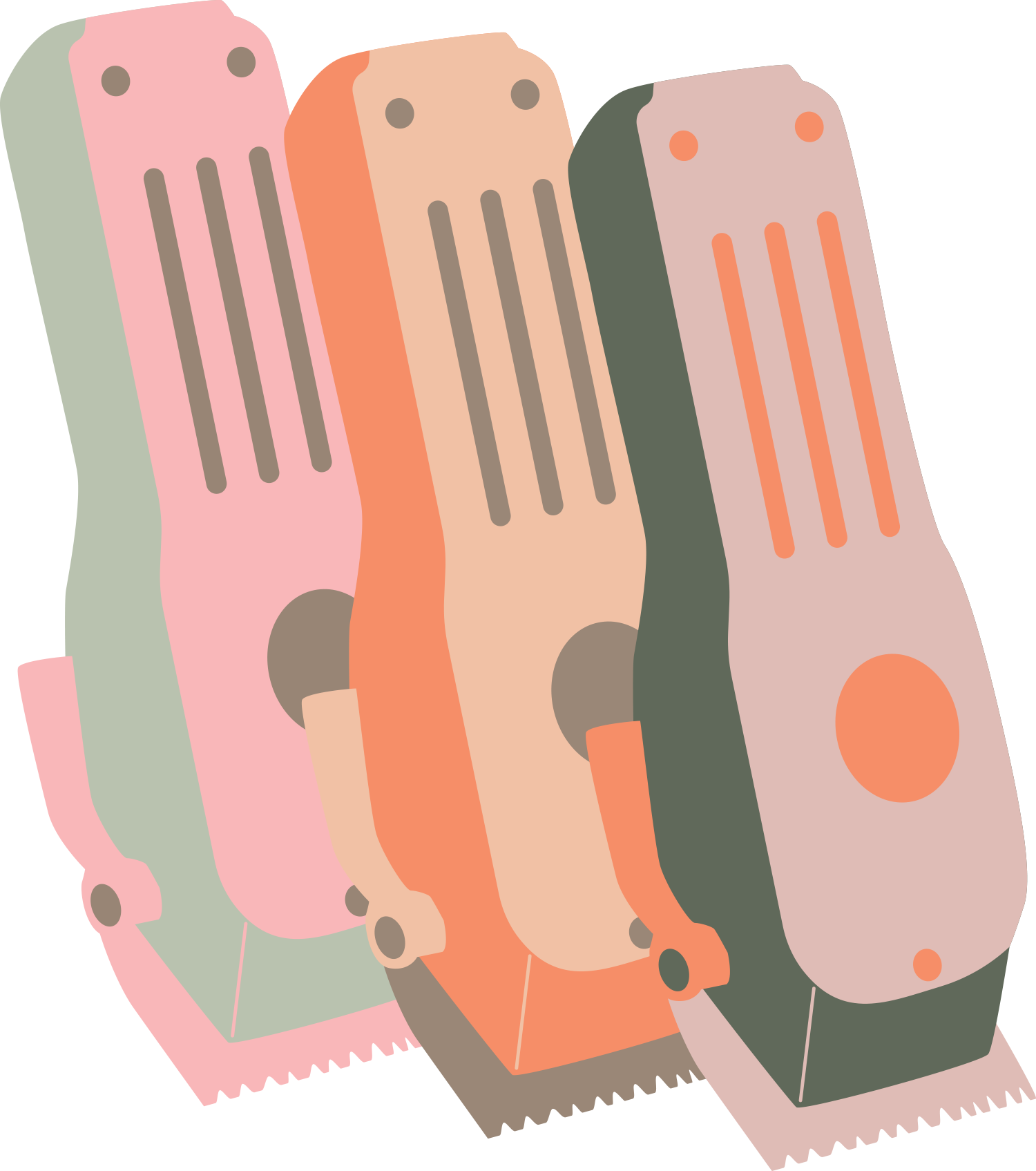
 backup clipper is one of those purchases that feels unnecessary right up until your main machine dies halfway through a fully booked day. Then, all of a sudden, it’s the most important tool you own.
Buying a second clipper is the easy part—making sure it actually fits the rest of your setup is where people trip up. A machine can be excellent in its own right and still make a poor backup if it needs a different blade family, different combs, its own charging system or spare parts you don’t normally keep on the shelf.
A good backup shouldn’t add complication. It should allow you to put down your main clipper, pick up the spare and carry on with as little disruption to your workflow as possible. That means choosing your backup around the kit you already own, not around whatever clipper happens to be on sale.
Many professional clippers take A5-style detachable blades, and if your main clipper and backup share the same compatible blade family, you can move straight across using what’s already in your case.
Other machines run adjustable 5-in-1 blades or a system of their own. Those can be great tools, but switching blade systems for your backup often means buying duplicate cutting lengths and combs which are just sitting there doing nothing most of the time.
Two blades that look alike aren’t necessarily interchangeable, so check the manufacturer’s compatibility information for the exact clipper and blade. The middle of a busy day is the wrong time to find out a favorite blade won’t latch, or that your usual blade family doesn’t fit at all.




If your main clipper failed right now, would the same combs fit the backup? Some combs are built around a particular blade type or cutting head, and two products described in near-identical terms can still fit differently.
If you lean on attachment combs day to day, test the actual combination rather than assuming it will work. You don’t need every accessory in the salon to cross over between clippers—you just need the ones you actually use to finish a normal day.
There’s a real advantage to two machines sharing manufacturer-approved batteries, chargers, blades and accessories—one set of consumables covers both, and swapping between them is effortless. But there’s also a case for a different power source altogether.
A corded clipper makes a genuinely useful backup to a cordless main machine because it takes the battery and charger out of the equation entirely. Mobile groomers need to check that any corded backup suits the power available in the vehicle.
If shared batteries matter to your plan, confirm the manufacturer actually lists them as compatible, and check the same for charging stands and power supplies. It’s also worth putting the spare on a simple routine: charge or test it at sensible intervals per the manufacturer’s guidance, run it briefly, and check that the battery, lead and switch are all behaving normally.
Handle it before you buy if you can, or at least choose a supplier who can talk you through the product properly. A backup needs to be different enough to solve the failure without being so unfamiliar that it slows you down or throws off your handling.
A backup clipper doesn’t need to be the newest, fastest or most expensive machine you own. It just needs to be ready, compatible with enough of your working kit and simple to bring into service the moment something goes wrong.
So don’t just ask which second clipper to buy—ask which clipper can step into your current job with the fewest new problems. Get that right, and your backup finally becomes what it was always meant to be: insurance for your working day.