









ALSO INSIDE
todd@barkleigh.com
adam@barkleigh.com
gwen@barkleigh.com
rebecca@barkleigh.com
luke@barkleigh.com
laura@barkleigh.com
brandi@barkleigh.com
carlee@barkleigh.com
evan@barkleigh.com
allison@barkleigh.com
james@barkleigh.com
karin@barkleigh.com
presley@barkleigh.com
Daryl Conner
Amanda McGrath
Dr. Cliff Faver
Blake Hernandez
Melissa Viera
www.AnimalPhotography.com
- Andis2
- Animal Photography38
- AnimalsINK33
- Barkleigh Store – Groom-O-Grams45
- Best Shot Pet – Scentament Spa23
- Best Shot Pet – UltaMAX Pro27
- Best Shot Pet – UltaMAX Pro37
- Cosmos Bathing Systems8
- Direct Animal Products9
- Double K Industries3
- Eau Du Bitches13
- Electric Cleaner Company46
- Evolution Shears25
- Friedman Tax28
- Governor Insurance Agency7
- Groomer’s Choice4
- Heiniger29
- IV San Bernard44
- Laube55
- Midmark11
- Mobile Grooming World56
- North
- Odorcide49
- Paragon School of Pet Grooming48
- Pet Boarding and Daycare Podcast47
- PetBizInsurance.com17
- PetLift15
- Puppy Playground39
- Quadruped Pet Care43
- Stazko16
- Stone Mountain Pet Products34
- Thera-Clean35
- Wag’n Tails53
Featured Spotlight Profile
Midmark

























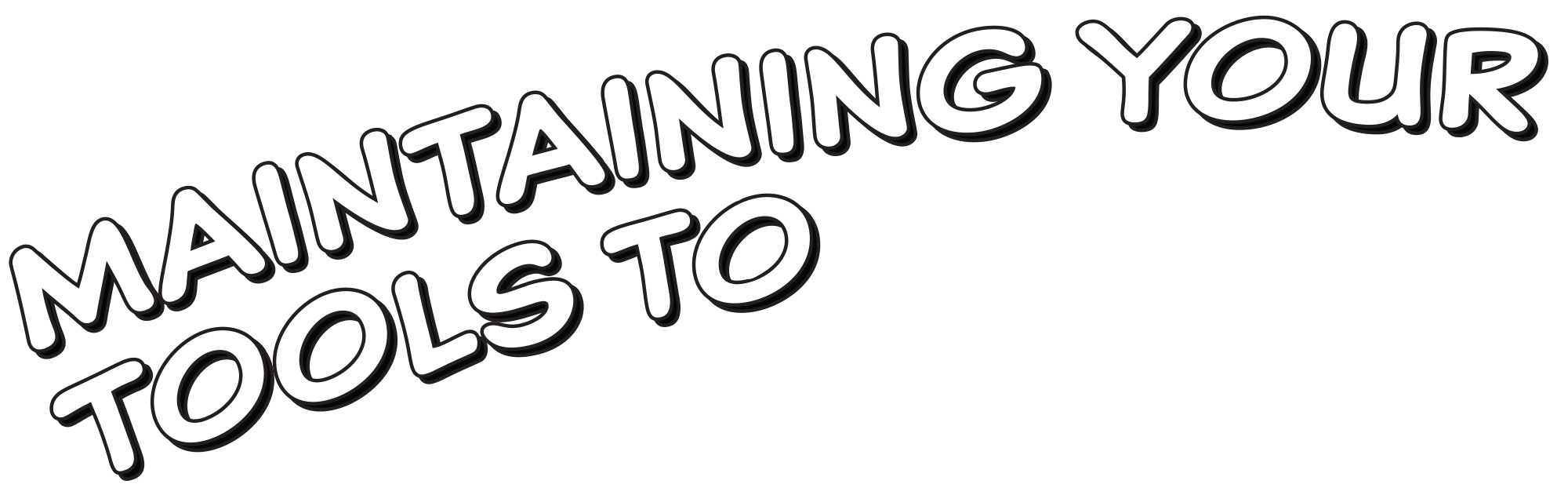

 oan was in the middle of a shave-down on a heavily matted dog when her clipper suddenly started making a squealing noise, then her blade started dragging through the dog’s coat. She quickly switched to another blade, but after a few seconds, it wouldn’t cut the hair either. And then, just like that, her clipper quit.
Joan feverishly tried to get the clipper to turn on again. She reached in the drawer and got her back-up pair of clippers, but they wouldn’t turn on either. Joan knew that they hadn’t been holding a full charge lately, but she had put off having them checked. Now they wouldn’t work at all.
In desperation, she went into the storeroom and dug out an ancient pair of corded clippers. She plugged them in, and thankfully they worked—well, sort of. They were loud, and when she put a blade on them, it vibrated pretty badly. Joan had no choice, though. If she wanted to finish that dog, she had to use them.
As she was working, the clipper got so hot in her hand that she had to stop and let it cool down. She eventually finished the groom, but there were blade tracks all over the back half of the dog that she couldn’t blend in.
When the client came to pick up the dog, Joan explained what happened and discounted the groom. The customer was less than pleased—and did not rebook. It was a costly day for Joan, but her disastrous day might have been avoided if she had just kept up with regular maintenance on her equipment.
Keeping them well-maintained and in top operating condition help you work more quickly and efficiently and allows you to get the finished groom you desire. Yet, it’s surprisingly easy to overlook routine maintenance until a problem surfaces.
Equipment that is not operating correctly can make an already physical job even more difficult. And, if a tool or piece of equipment fails in the middle of your busy work day, it can become a major problem.
Good equipment maintenance begins with one simple rule: Don’t put your tools away dirty. Hair, dander, product residue, and other debris can accumulate on all of your grooming equipment and affect its performance over time.
At the end of every day, take the time to properly clean your equipment before you put it away. Follow the manufacturer’s recommendations for the cleaning, oiling, and care of your tools and equipment, because maintenance requirements can vary considerably between manufacturers.
For many groomers, scissors and shears are among the most important and expensive tools in their toolbox. They are precision instruments, and they deserve to be treated that way. In addition to the daily care, pay attention to how they feel while you are using them. Are they cutting smoothly, or are they bending or pulling hair? Does the tension feel off? These can be early indications that the shear needs more than basic cleaning and oiling.
Professional sharpening and servicing should only be performed by someone who understands grooming shears. Sharpening is not simply a matter of making an edge sharp. Different scissors have different designs, bevels and cutting characteristics, and improper sharpening can alter how it performs.


Clippers and blades collect hair and dander and generate heat during use. This makes regular cleaning and lubrication especially important. Remember, if a blade isn’t performing correctly, it can affect more than the quality of the haircut. It can force your clipper to work harder, which may contribute to premature wear.
Don’t overlook the rest of your equipment. Shears and clippers get most of the attention, but they aren’t the only tools that deserve regular maintenance. Dryers should be kept free of hair and other debris by cleaning the filters and other components daily. The cords should be inspected regularly for damage. Also check your tables, tubs, grooming loops, hoses, electrical connections and other frequently-used equipment for any signs of wear or damage.
Your goal when inspecting and maintaining your equipment is not to become a repair technician but to become observant and recognize when something needs attention. You know when something isn’t quite right with the equipment you use every day—your scissors don’t “feel” right, your clipper sounds different or a blade isn’t gliding through the hair. Don’t ignore these signs that something needs attention, because later can mean a broken shear, a damaged clipper or an emergency equipment purchase.
Your tools work hard for you every day. They help you create beautiful grooms, keep your schedule moving and earn your income. Take care of the tools that take care of you. Your equipment will last longer, you’ll work more efficiently, and you’ll be much less likely to experience a day like Joan had.


by Peach Yahney, Ph.D.
 alk into almost any grooming salon and you’ll find more than flying fur and buzzing clippers. You’ll find professionals constantly weighing what is best for the pet, what the client is asking for, and what their own bodies and schedules can realistically manage. Those crossroads can feel heavy, confusing and exhausting.
Many of our hardest moments in grooming are not signs that we are broken but signs that our values are out of sync with the situation in front of us. When we name that “value misalignment” and respond with skills, boundaries and support, we can transform stress into growth—and build grit and resolve in a deeply compassionate way.
- A severely matted dog arrives and the owner demands a fluffy, pain‑free makeover that you know isn’t realistic or humane.
- A dog is clearly showing stress signals—panting, trembling, resisting—and you feel pressure (from the schedule, your boss or your own perfectionism) to “push through” rather than slow down, modify or stop the groom.
- A client pushes you to use a handling method or tool you consider unsafe.
- Your schedule is booked beyond what your body can handle and “squeezing one more in” becomes the norm.
- You work in an environment where gossip, rushing or cutting corners is accepted, even though you value professionalism and care.
In these moments, you may feel anger, guilt, sadness, frustration or even numbness. That emotional reaction is not evidence that you’re weak; it is evidence that your values are alive and active. Value misalignment is your internal dashboard light blinking, saying, “Something here does not fit who I want to be as a groomer.”
by Peach Yahney, Ph.D.
 alk into almost any grooming salon and you’ll find more than flying fur and buzzing clippers. You’ll find professionals constantly weighing what is best for the pet, what the client is asking for, and what their own bodies and schedules can realistically manage. Those crossroads can feel heavy, confusing and exhausting.
Many of our hardest moments in grooming are not signs that we are broken but signs that our values are out of sync with the situation in front of us. When we name that “value misalignment” and respond with skills, boundaries and support, we can transform stress into growth—and build grit and resolve in a deeply compassionate way.
- A severely matted dog arrives and the owner demands a fluffy, pain‑free makeover that you know isn’t realistic or humane.
- A dog is clearly showing stress signals—panting, trembling, resisting—and you feel pressure (from the schedule, your boss or your own perfectionism) to “push through” rather than slow down, modify or stop the groom.
- A client pushes you to use a handling method or tool you consider unsafe.
- Your schedule is booked beyond what your body can handle and “squeezing one more in” becomes the norm.
- You work in an environment where gossip, rushing or cutting corners is accepted, even though you value professionalism and care.
In these moments, you may feel anger, guilt, sadness, frustration or even numbness. That emotional reaction is not evidence that you’re weak; it is evidence that your values are alive and active. Value misalignment is your internal dashboard light blinking, saying, “Something here does not fit who I want to be as a groomer.”


Groomers regularly demonstrate powerful strengths, often without naming them, including:
- Compassion in calming anxious pets and listening to worried owners
- Perseverance when completing difficult grooms with patience and care
- Fairness when applying the same safety and welfare standards to every pet
- Courage when saying no to unsafe or inhumane requests
- Love of learning when pursuing continuing education and certifications
Try this simple reflection exercise: Think of a recent hard situation at work. And instead of asking, “What did I do wrong?” ask, “Which strengths did I use?” and “Which strengths do I want to bring forward more clearly next time?”
This reframes tough experiences as part of your development rather than proof that you’re in the wrong field. You begin to see yourself as a professional who is growing skills, not someone who is constantly “messing up.”
- Realistic optimism: “This situation is hard, and I can grow through it.”
- Healthy boundaries: “I care deeply, and I still have limits.”
- Learning mindset: “Every difficult day can teach me something useful.”
One practical way to do this is to notice the stories you tell yourself after a hard day.
Instead of thinking, “I can’t handle this; I’m not cut out for grooming,” try, “Today’s situations stretched my current skills. I handled some parts well, and I can learn better ways for the parts that felt rough.”
Over time, this gentler inner voice builds resilience. You stay honest about difficulty while also noticing your competence and growth.
Written policies help your daily decisions line up with your ethics so you’re not re‑negotiating your values with every client. Consider:
- A coat condition and matting policy that explains, in simple language and photos, when a shave‑down is the most humane option and how you will proceed
- A safety‑first policy that spells out when you will stop or modify a groom (for example, extreme stress, health concerns or equipment issues)
- Clear scheduling, aggression and cancellation policies that protect your health, time and income
When your business structure reflects your values, you don’t have to rely only on willpower in stressful moments. The system itself supports you in doing what you believe is right.
Many stressful moments are also communication moments. Having a few well‑practiced phrases can turn panic into grounded resolve. For example:
- “My first responsibility is your dog’s safety and comfort. Given the coat condition, the humane option today is a shorter cut. From there, we can work together on a plan to grow the coat back healthy.”
- “I’m not comfortable using that technique because I consider it unsafe for your dog. Here’s what I can offer instead that will keep them safe.”
Each time you use a script like this, you are practicing courage, clarity and kindness. That practice gradually changes your self‑image from “I hate conflict” to “I am capable of compassionate, firm conversations.”


Use these prompts between grooms or at the end of the day. You can jot answers in a notebook or simply pause and reflect.
1. Today’s alignment check:
“Where did my actions really line up with my values today?”
“What is one moment I feel proud of, even if no one else noticed?”
2. Noticing misalignment:
“When did I feel that ‘something is off’ feeling today?”
“What value of mine was being rubbed the wrong way in that situation?”
3. Strengths in action:
“Which strengths did I use today (compassion, courage, perseverance, fairness, love of learning)?”
“Where could I bring out one of those strengths a little more clearly tomorrow?”
4. Boundary check:
“Did I say yes when I meant no? Or no when I meant yes?”
“What is one small boundary I can practice next time to protect my wellbeing and my values?”
5. Next tiny step:
“What is one small change—policy, script or habit—that would bring my work just a little closer to my values this week?”
- Set up a regular check‑in with a grooming friend where you each share one challenging situation and brainstorm value‑aligned ways to handle it
- Join or create a small peer group (online or in person) focused on wellbeing, not just technique, where it’s normal to say, “This is hard,” and to ask, “How can we handle this in healthier ways?”
When your community treats struggle as part of growth—not a sign of failure—it becomes easier to stay in the field with your heart intact.
Seeking support is not the opposite of grit—it is one of the bravest expressions of it. You are not abandoning your resolve; you are investing in it.
By noticing when your values and your work are out of sync, drawing on your strengths, setting clear boundaries and staying connected to a supportive community, you can meet those moments with compassion and courage. In doing so, you cultivate the kind of grit and resolve that does not harden your heart but deepens it—and makes your work more sustainable and meaningful for years to come.
Peach Yahney, Ph.D., is a licensed psychologist and professional groomer who specializes in the intersection of mental health and animal care. She combines clinical training in positive psychology with hands‑on salon experience to help groomers build sustainable, value‑aligned careers. Peach offers education, consultation, and workshops to support groomer wellbeing and compassionate, science‑based practice.
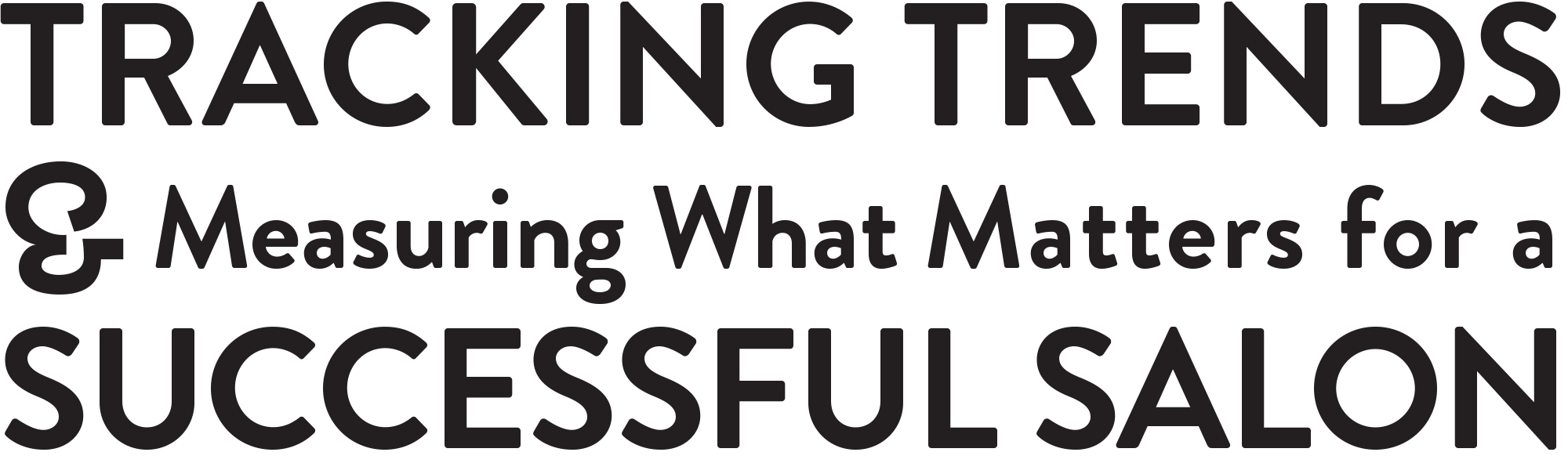



 e spend a great deal of time learning how to brush, bathe, dry and properly use grooming equipment. These are essential skills, but they may not be the most important tools we use to build a successful grooming business.
One of the most valuable tools a business owner can have is not found in a grooming supply catalog—it is a spreadsheet. Why? Because the health of your business determines how many dogs you will be able to groom in the future.
If the business struggles, it does not matter how talented you are as a groomer—you may not have a business left to serve your clients. As salon and business owners, we need to understand not only how to groom efficiently but also how to operate efficiently. And that starts with measuring what we do.
Many business owners focus on daily sales, the number of dogs groomed or whether the appointment book is full. And while those numbers do matter, the real value comes from watching trends over time. Do you know what percentage of your available appointments are booked? How long does it take to groom the average doodle? Which services are your staff successfully upselling? Which days are consistently slower?
There are countless things you can track. Once you track them, you can manage them. Did you groom more dogs this year than last year? Did revenue increase? Did expenses increase faster than revenue? If your numbers went in the wrong direction, have you measured the change well enough to develop a strategy? Without the numbers, you are making decisions based on assumptions.
What if you knew exactly how long each type of groom takes and how long each groomer typically takes to complete it? You could schedule more accurately, reduce gaps and better understand how many appointments you can realistically complete each day.
We often underbook or overbook. Underbooking leaves money on the table, while overbooking creates stress for groomers, delays for clients and complaints when dogs are not ready by the promised time. Knowing your numbers allows you to schedule based on reality.
Add-on services are another opportunity for measurement. Do you offer teeth brushing, deshedding treatments, specialty shampoos, nail services or other upgrades? How many did you sell last month? Was that more or less than the previous month? How does it compare with last year? These numbers are easy to track and can reveal important trends.
If one groomer consistently sells more add-ons than another, ask why. Are they better at explaining the service? Are they more comfortable making recommendations? Could the rest of the team benefit from additional training? The goal is not simply to collect numbers—it’s to use them to make better decisions.
Efficiency also means understanding what it costs to provide a service. For example, how much does it cost to bathe a 30-pound, short-haired dog? Consider shampoo, conditioner, water, electricity, laundry, towels, labor and other associated costs. Now change your bathing technique. Did you use less product? Did you save time? Did you use more products but reduce labor? Sometimes the greatest cost is not the product—it is employee time. Without measuring, it is difficult to know which changes actually improve your bottom line.
Start by asking, “What do I hope to gain?” If your goal is greater profit, identify your biggest money-makers. It might be deshedding, baths for short-haired dogs, cat grooming or specialty services. Measure where you are today, develop a strategy, then measure again.
It is common to have a theory about what is helping or hurting your business, but tracking the numbers allows you to prove or disprove that theory. Instead of saying, “I think this is working,” you can say, “The numbers show that this is working.” If the numbers prove you wrong, that is valuable information, too. You can change direction and move forward with knowledge rather than a guess.
If you are not familiar with using spreadsheets, there are many courses and resources available. A business coach or mentor can also help you determine what to track and how to make the information useful. The goal is not complicated reports but useful information that helps you make better decisions.
The spreadsheet may not be the most exciting tool in the salon, but it can be one of the most powerful. It helps us understand our businesses, identify opportunities, correct problems and make informed decisions. Measure it, manage it, improve it, then measure it again. That is how we turn a good grooming business into a healthy, efficient and sustainable one.
Dr. Cliff Faver graduated with a BS in Biology/BA in Chemistry before getting a Veterinary degree in 1987. He is the past owner of Animal Health Services in Cave Creek, Arizona and now the US distributor for Iv San Bernard products, teaches the ISB Pet Aesthetician Certification program, and speaks internationally on hair and skin. His passion is to merge groomers and veterinarians to aid in helping and healing pets. He is also a member of AVMA, AAHA, AZVMA, Board member with Burbank Kennel Club, and has served on Novartis Lead Committee, Hill’s International Global Veterinary Board, and a Veterinary Management Group.


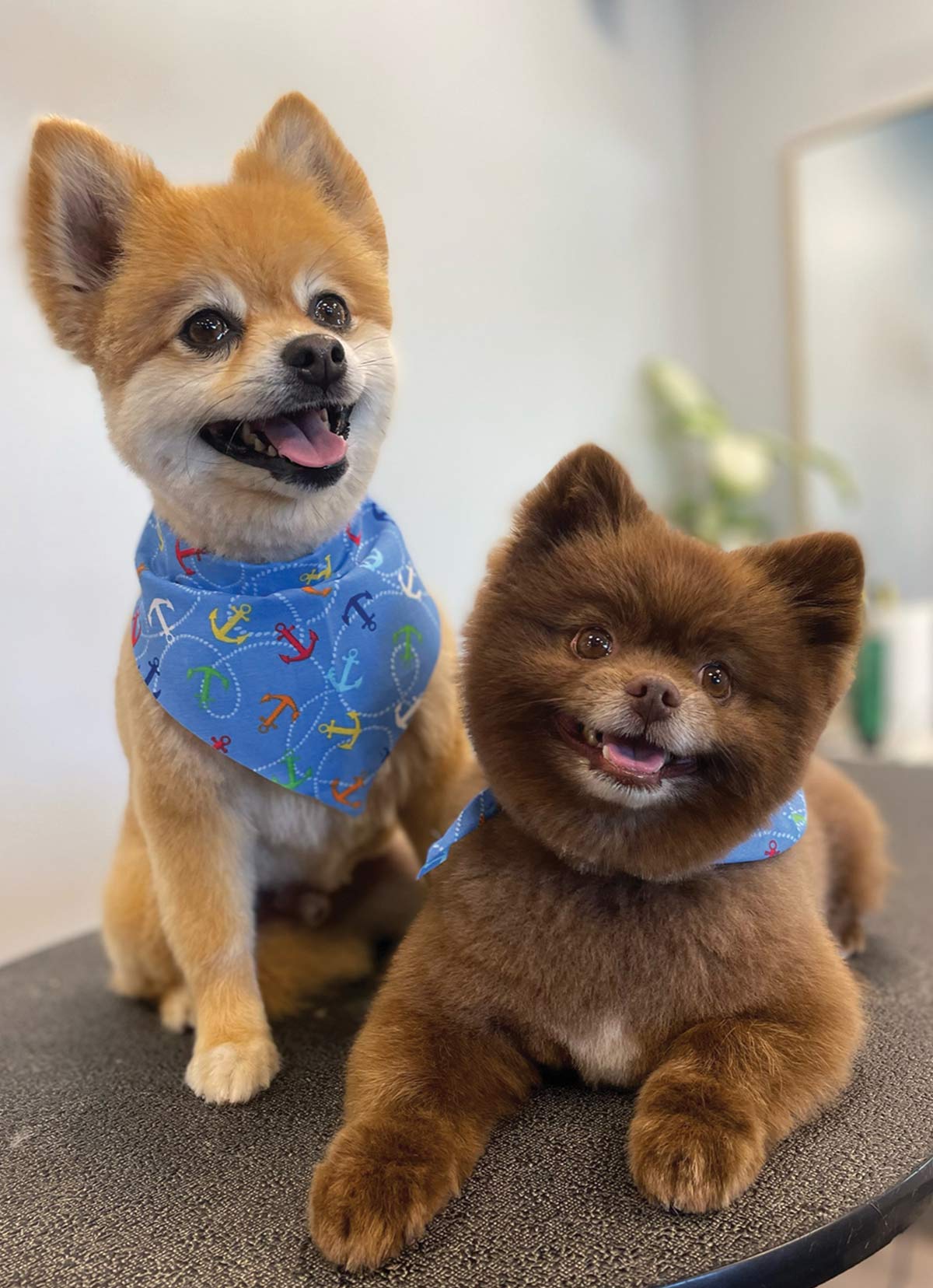
by Keith Loria
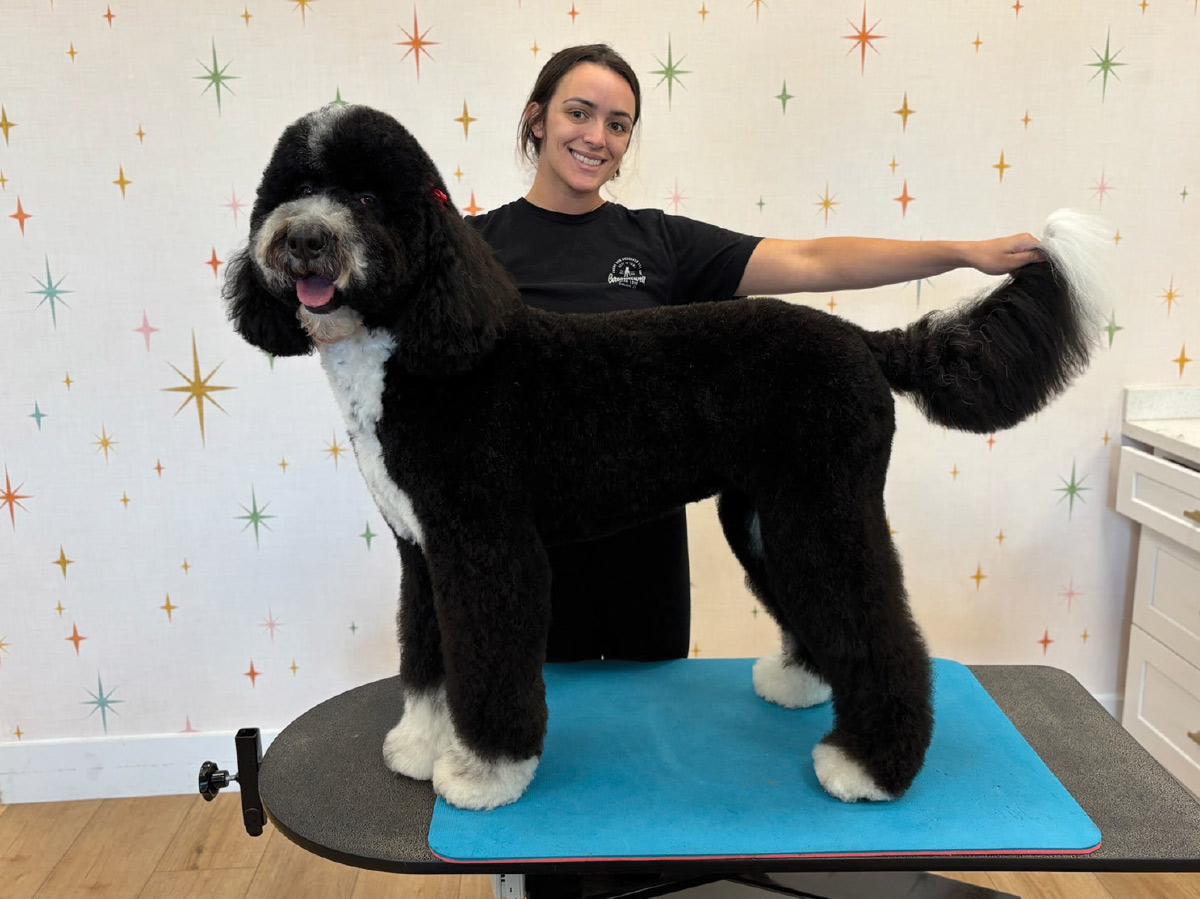
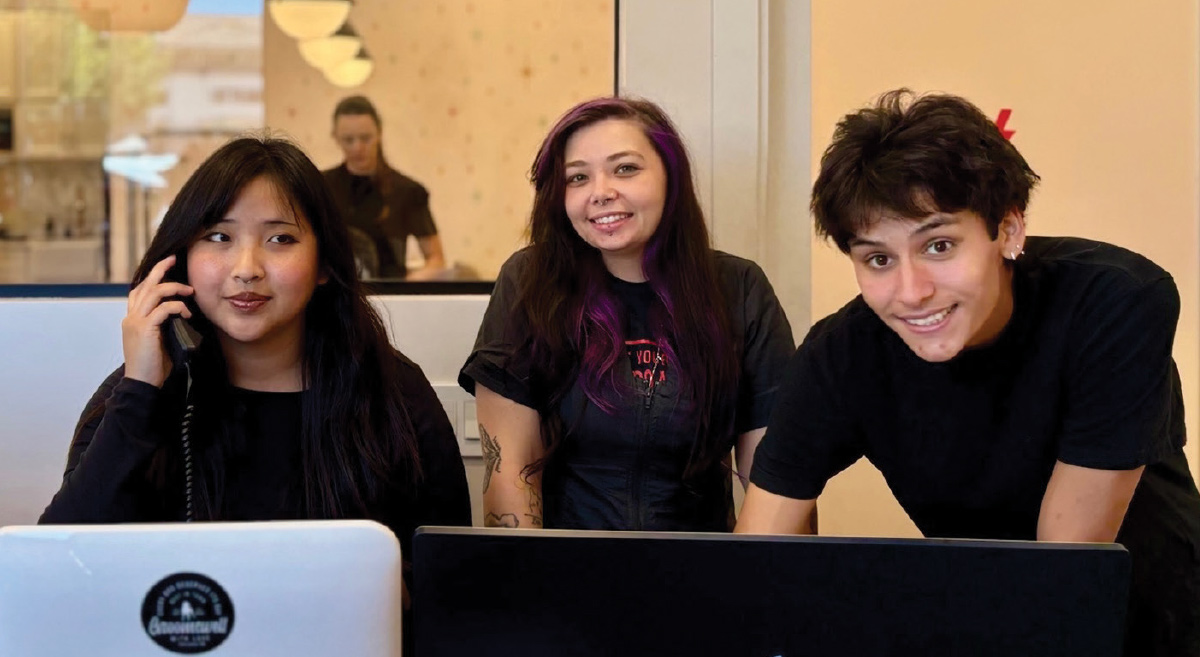
Photos provided by Groomswell Canine Salon
 hen Groomswell Canine Salon located in Carlsbad, CA, reopened in May of this year after nearly 11 months of reconstruction, one fact told owner Maria Serpa everything she needed to know about the business her family had built: Nearly every employee returned. For a salon that had placed its team at the center of every major decision, the reunion was more meaningful than any sales figure.
“To me, that spoke volumes about how they feel about this place,” Maria shares. “We have always tried to create a groomer-first salon—a place where they feel valued, where they know they have a special skill that not everyone can do, and where someone always has their back.”
That culture began early when the grooming business was just a temporary setup in the Serpa family garage, an idea that came about after changes at the salon where Maria’s daughters initially worked left the sisters without a grooming home.
“Mara and Payton asked if they could set up a little studio in the garage just to help one or two clients until those families found somewhere else to go,” Maria recalls.
The small favor quickly became a full schedule. Before long, the sisters were booked from 8 a.m. to 8 p.m., seven days a week, and several friends had joined them to help. At one point, five groomers were working from the house as clients drove from across San Diego County.
With Maria’s 25 years in sales and marketing experience and her husband Joseph’s decades in user-experience design, the family saw an opportunity to combine the daughters’ artistry with their business and design expertise.
“I started doing all the research, and we realized this was a very sustainable business,” Maria shares. “We decided as a family to jump completely in. I cashed out my retirement, and we invested in the salon.”
The female- and Latina-owned Groomswell Inc. was founded in May 2020 with two brand pillars: craft excellence and servant leadership. The first encompasses bespoke services, holistic care and continuous education. The second determines how the company treats its people.
In practice, that means giving groomers the tools, training and authority to build lasting careers. Team members have autonomy to establish pricing based on their experience and the work involved. They can decline a risky groom, recommend another setting, or stop a service if a dog is reaching its physical or emotional limit—without fearing that management will pressure them to continue.
– Maria Serpa
“We wanted to elevate the craft of grooming and position our groomers as highly skilled tradespeople who could have sustainable career paths,” Maria shares proudly. “We said we would know we were successful when every top groomer in San Diego wanted to work for us because it was the best place to work.”
Protecting that culture shapes hiring, too. Groomswell often develops new talent from the ground up rather than relying primarily on experienced hires whose methods may not align with the salon’s approach. New team members typically begin in reception, then those pursuing grooming move into the bathing academy for at least a year before advancing to the grooming academy.
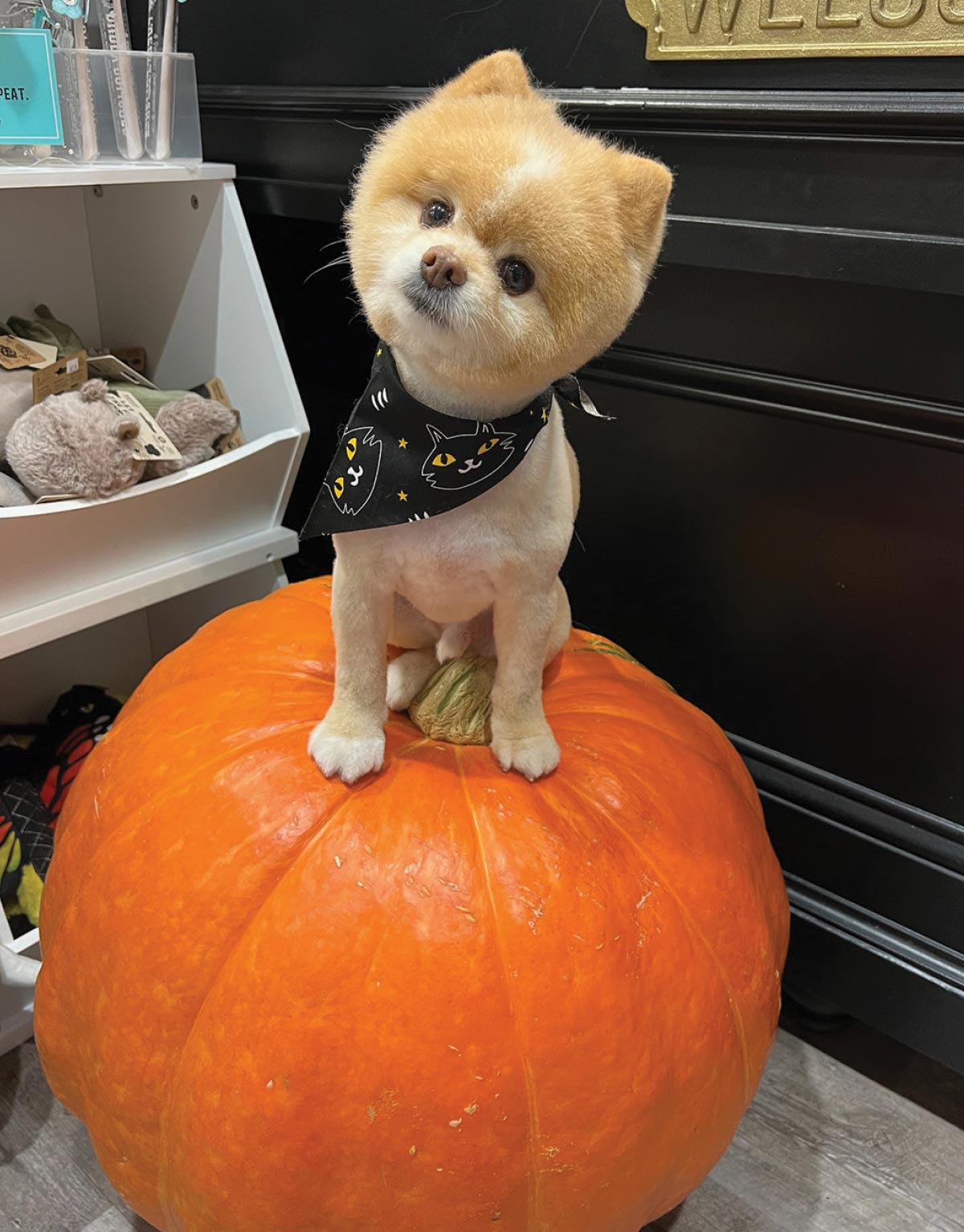
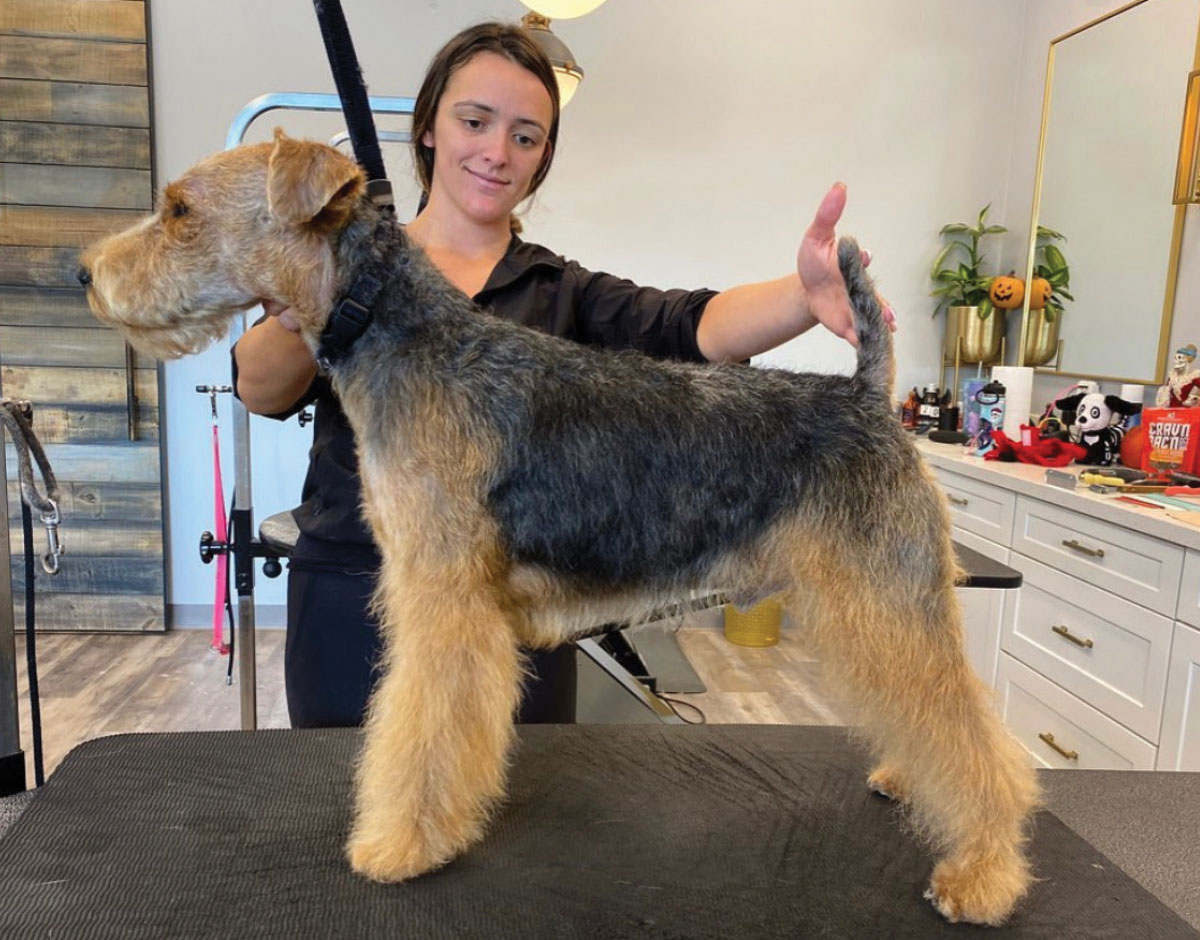
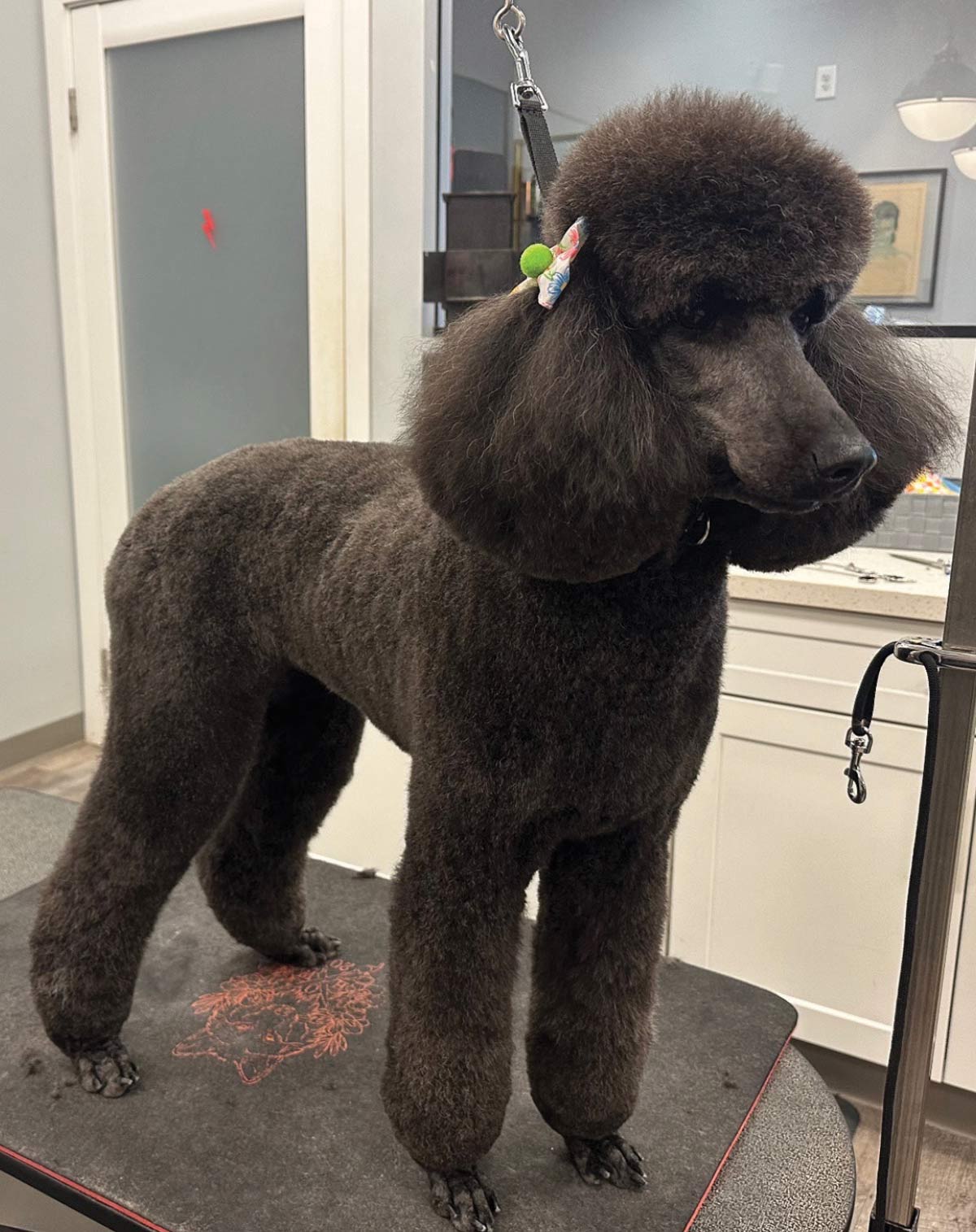
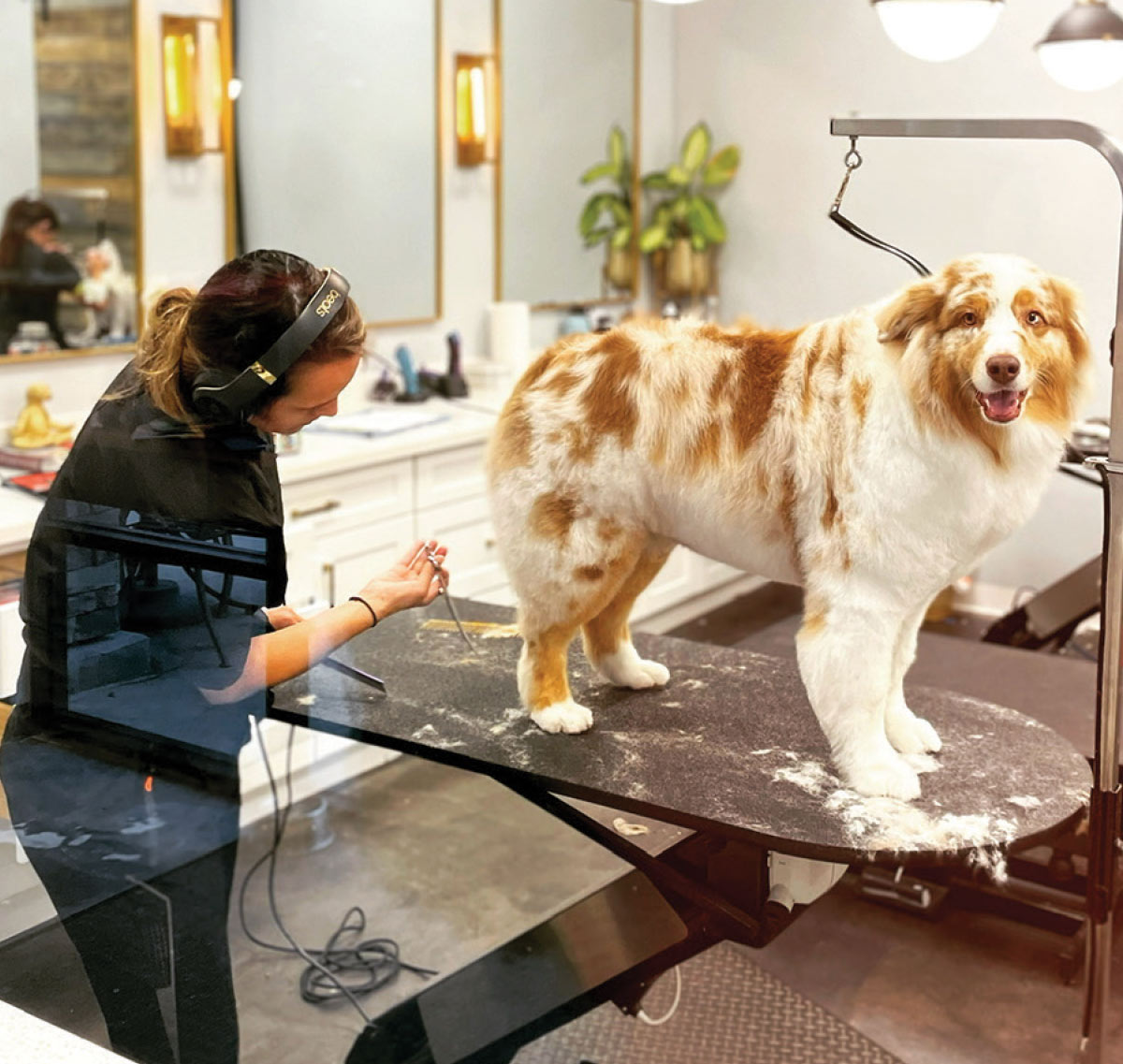
Groomswell’s groomer-first philosophy is inseparable from its dog-first approach. The polished Carlsbad salon opens into a curated boutique. Beyond it, a large picture window overlooks a quiet grooming room with six stations, each outfitted with a mirror, cabinetry and lighting. Separate bathing and drying rooms keep the styling area calmer.
“It feels like walking into an upscale hair salon,” Maria describes. “Kids come in and squeal when they see their dogs through the window. It creates transparency for the whole family because pet parents can see what grooming looks like in real time.”
That transparency begins before the appointment with Groomswell’s detailed screening process to learn about a dog’s age, health, grooming history, behavior and sensitivities. A puppy facing its first haircut, a senior nervous around dryers or a dog presenting another concern may be scheduled for a paid consultation before a full groom.
Those expectations also include time and price. Services are based on hands-on time and complexity, with the cost discussed before work begins. Each stylist works straight through on one dog at a time, and even an experienced groomer generally completes no more than five or six dogs a day.
“We are definitely not a high-volume place,” Maria shares. “We go at the dog’s pace and do whatever its skin, coat, or temperament demands. We are known for beautiful aesthetics, but it is never a one-length-all-over kind of salon.”
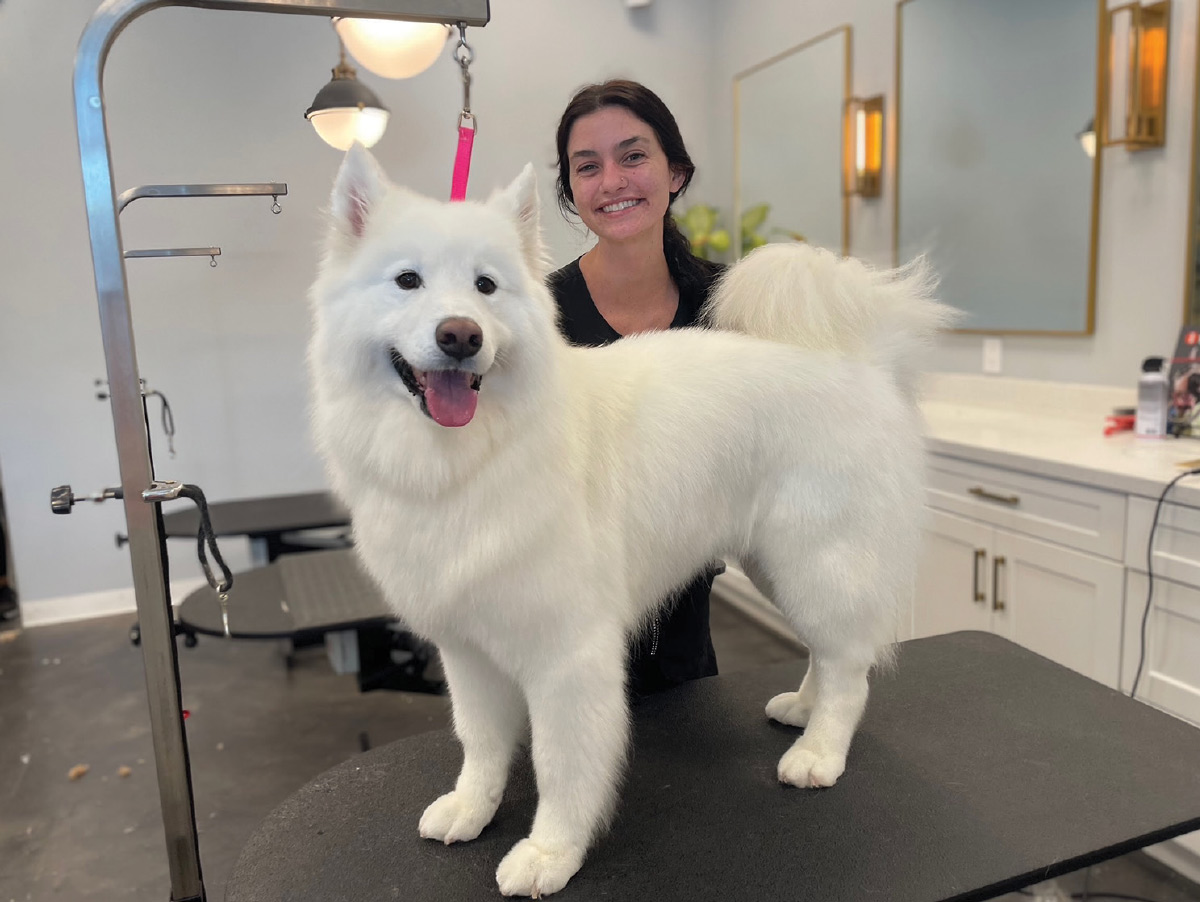
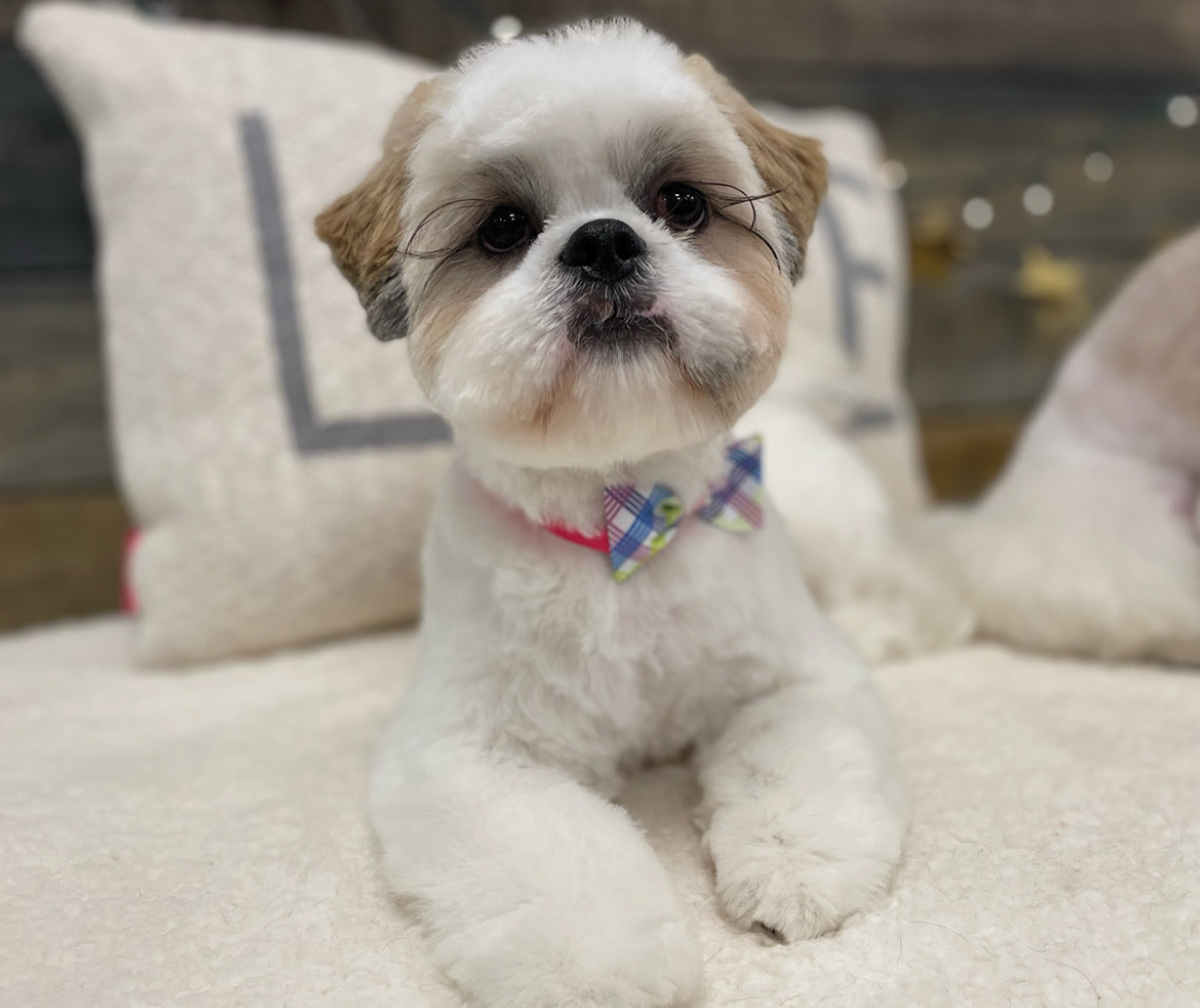
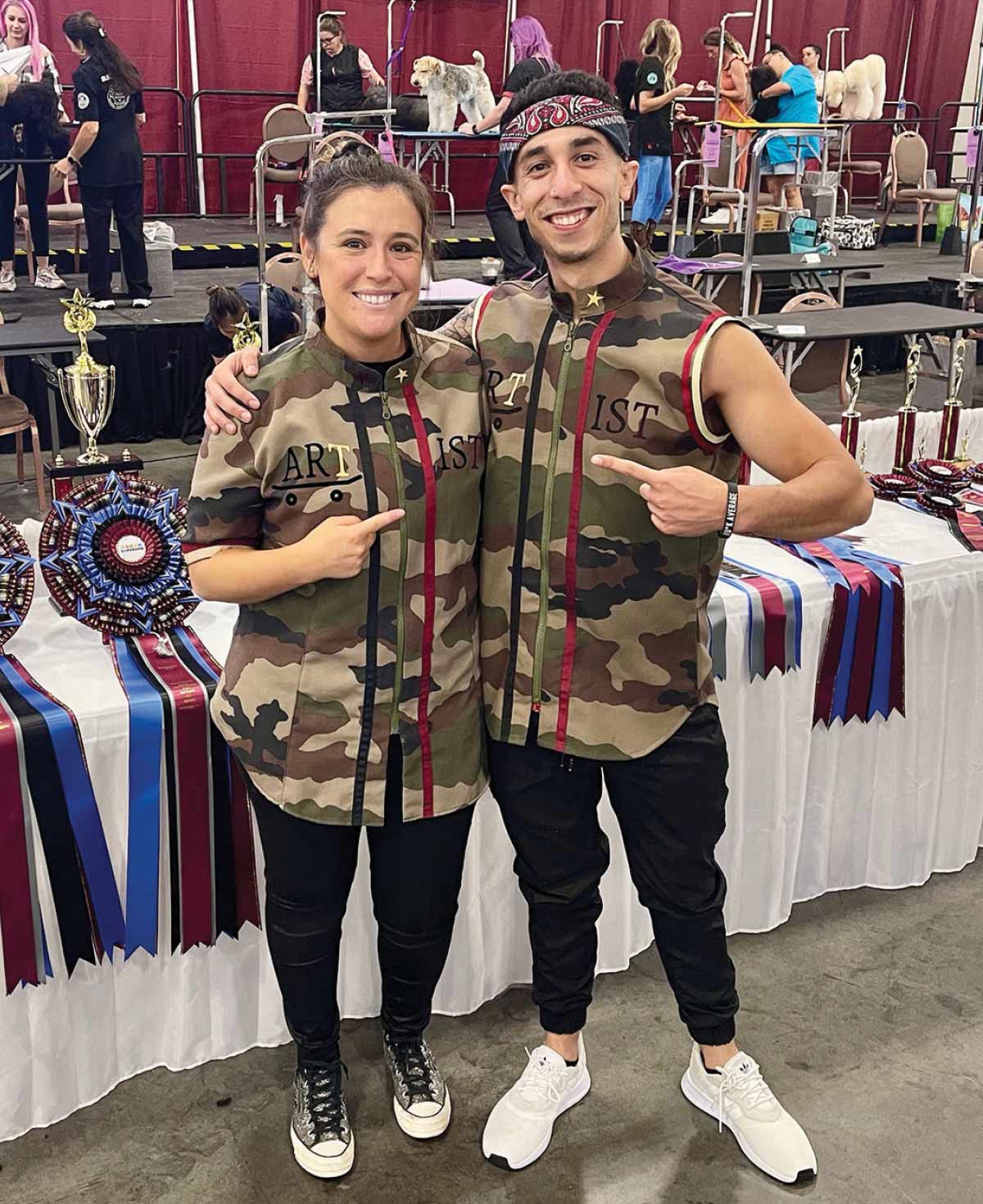

Early estimates suggested repairs would take four to six months. Instead, the rebuilding process stretched the shutdown to almost 11 months total. The family had been in the process of acquiring a second location, but suddenly their attention shifted from expansion to rebuilding.
Groomswell tried to remain visible through Instagram, neighborhood Facebook groups, Nextdoor and occasional text updates through its booking platform. Maria admits she wishes the company had told the rebuilding story more consistently, but the messages and construction photos reassured clients that the salon intended to return, along with its employees.


Expansion remains part of the long-term plan. The family still sees potential for another location, and Maria believes a carefully developed mobile service could help pets that struggle in a salon and clients who cannot easily travel. Still, growth will not come at the expense of the original model that brought the team back.
“The brick-and-mortar salon gives us the space to train and develop team members the way we want,” Maria shares. “We have created something very special.”
After a year that could have dismantled the business, Groomswell’s reopening offered proof that the Serpas had built more than an attractive salon. They had created a community strong enough to wait, return and begin again—together.



by Jennifer Bishop Jenkins
 ur grooming shears, the scissors with which we do our finest work, are among a groomer’s most prized possessions. Along with our clippers, often they are also among our most expensive investments.
Most groomers know that the care of their shears matters—how we set them down and pick them up, how we hold them while scissoring, how we clean and disinfect them, how we store them, and how and where we get them sharpened. But how many of us know what they are made of?
Metals & Hardness
One of the descriptive factors that experts will tell us about the metal in our professional shears is its hardness. This is often measured by what is called the “Rockwell scale.” The higher the number, the harder the metal. The hardness of metal used in professional hairdressing shears typically ranges from the upper 50s to low 60s on the Rockwell hardness scale, which provides a balance between edge retention and durability without being overly brittle.
While hardness is important to be aware of in the metal, if it is too hard, the metal can become more brittle and even snap or fracture under impact or stress. The Rockwell scale measures the metal’s resistance of being deformed by pressure applied to it. But if the metal is too soft, then hair can sometimes fold between the blades instead of being cut by the sharp edges.
The Cutting Edges
Sheared edge quality is crucial in manufacturing, affecting the performance and durability of materials. Various standards, such as ISO 9013, provide guidelines for assessing edge quality, including defects like dross, which can impact the shear’s final integrity.
Dross refers to the waste material or impurities that accumulate during the cutting process, particularly when metal is cut using high-heat methods like plasma or laser cutting. This material can negatively affect the quality of the cut and may need to be removed for optimal results.

Country of Origin
If a shear says “Japan” on them, it is because they were made and put together in Japan. It is advisable for groomers to ask questions about the labeling of Japanese steel on the shear because they may contain a fraction of it, all the while the actual country of origin is China or a different place altogether.
“Metals from different parts of the world, while being the same metal, are uniquely different from one another in density, hardness, and strength,” notes Jonathan David with Kenchii shears.
“That I know of, no one makes American scissors that I have ever seen,” says Dennis Geib with Sensei shears.
Dennis also went on to warn about the leading manufacturing challenge: the less money put into the steel, the higher the profit for the company. He also advises groomers to ask about the percentage of steel in the metal.
Some of us prefer a heavy substantive shear, while others prefer light and quick and super sharp. And there is something out there that will be optimal for each of us. It is a very good thing that there are so many choices for us, given the huge range in sizes of dogs and their behavior, coat and owner preferences, as well as options for every budget.

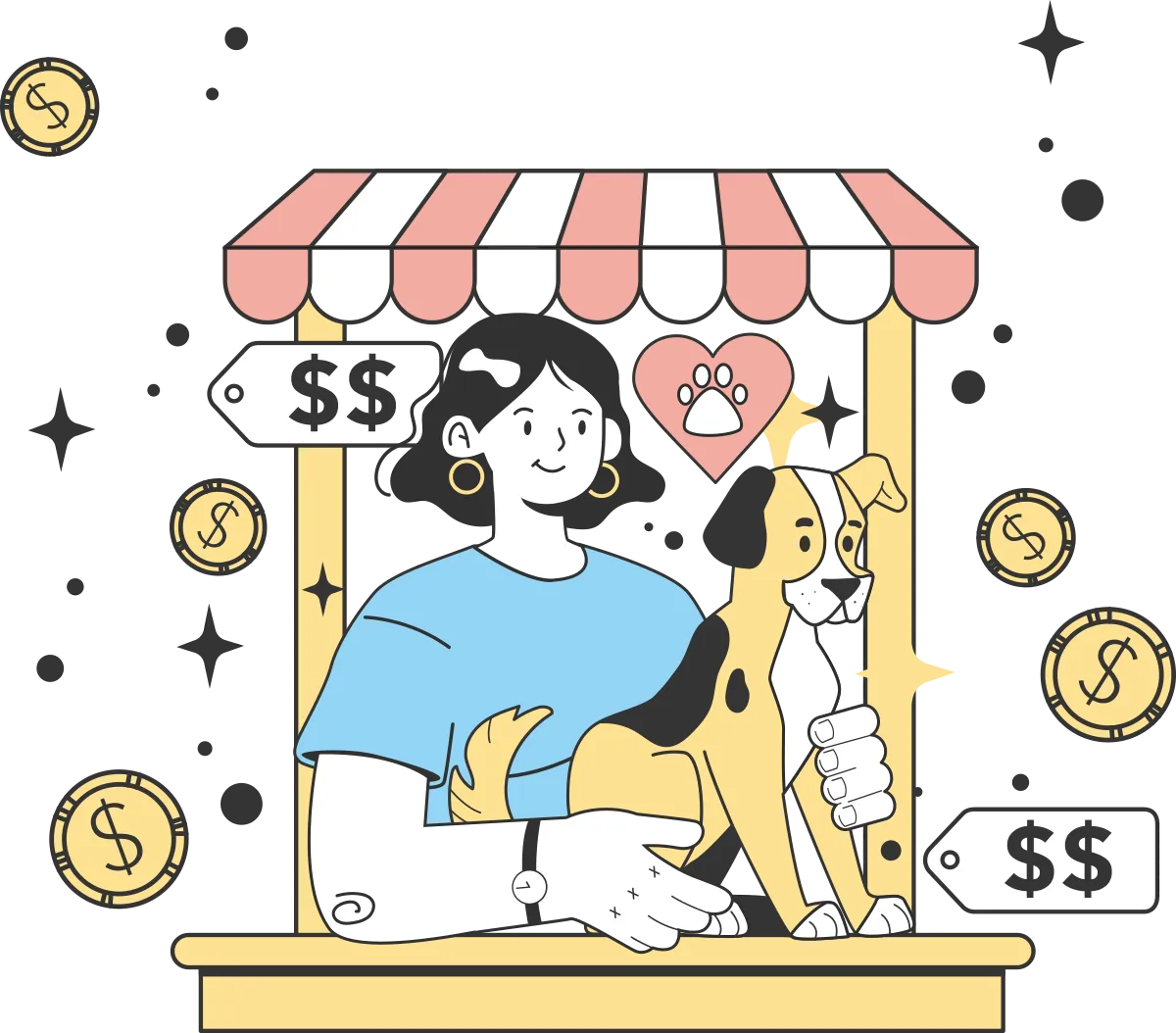

 It doesn’t take rocket science to see that grooming prices are all over the map. One salon might have such low overhead that they’re still charging $35 for a full groom. (Yes, people really do charge that little.) On the other end of the spectrum, a brick-and-mortar salon specializing in one-on-one services may have a starting price of $130 or more. Geographic location also has a huge influence on pricing. Rates that work in a small rural town may never support a salon in a large metropolitan area, and vice versa.
With so much variation, it can be tempting to simply charge what everyone else around you is charging. While it’s important to understand your local market, pricing your services should start with something much more important: knowing your numbers.
Calculating what to charge isn’t nearly as complicated as many groomers think. Start by adding up your monthly overhead. This includes rent, insurance, utilities, software, licensing, equipment maintenance, supplies and any recurring business expenses. Then, factor in payroll, payroll taxes, employee benefits and the salary you want to earn as the owner. Don’t forget annual expenses like continuing education, retirement contributions, equipment replacement, veterinary bills for accidental injuries, emergency cushion or other miscellaneous costs. Divide those yearly expenses by 12 so they become part of your monthly budget.

Many groomers are surprised when they complete this exercise. The number is often much higher than expected because it’s easy to overlook the hidden costs of running a business. Pricing based on what feels fair or what another salon charges can leave you operating at a loss without even realizing it.
Breaking even simply means your business survives. It doesn’t leave room for replacing worn-out equipment, taking a vacation, investing in continuing education, saving for retirement or preparing for unexpected emergencies. A healthy business should generate profit, not just cover expenses. If you follow the “Profit First” method, you can even build your desired profit directly into your pricing structure from the beginning instead of hoping there’s something left over at the end of the month.
Prices should absolutely be competitive, but consistently undercharging is a disservice to both your business and your clients. It may feel like you’re attracting more customers because your prices are lower than everyone else’s, but in reality, you’re doing the same work as every other groomer for a fraction of the pay.
Even groomers who are just starting out deserve to earn more than minimum wage. While experience, speed and specialization certainly influence pricing, no one should be working full time only to struggle paying their own bills. Your pricing should reflect both your cost of doing business and the value of the services you provide. It should also be comparable to other salons in your area offering a similar experience.
Ironically, underpricing often hurts clients in the long run as well. Clients who have enjoyed unrealistically low prices for years are suddenly forced to find another groomer when that business closes. They’re often shocked to discover that the average price in their area is often double what they’ve been paying. For many families, that kind of increase isn’t financially possible overnight. Some begin stretching appointments farther apart, while others stop coming altogether. Appropriate pricing isn’t just about making money; it’s about building a business that’s sustainable enough to continue serving clients for years to come.
It’s also important to remember that not every client is shopping for the lowest price. Some value convenience while others appreciate specialized handling, one-on-one appointments, flexible scheduling, exceptional communication or a low-stress environment for their pet. The goal isn’t to appeal to every client but to attract the clients who value what you offer.
Likewise, not every groomer needs to compete on price. Groomers who specialize in show dogs, hand scissoring, one-on-one appointments, mobile grooming, Fear Free handling or other premium services should absolutely charge accordingly. Those clients aren’t simply paying for a haircut; they’re paying for expertise, experience and a specialized level of care.
Knowing what to charge can feel intimidating, but it doesn’t have to be based on guesswork. There is actual math that can help determine exactly what your business needs to not only survive, but to thrive. It may feel uncomfortable quoting higher prices to a potential client, but imagine how much more uncomfortable it would be explaining that your business is closing because it simply couldn’t afford to stay open.
Many groomers keep their prices low because they feel compassion for elderly clients, people on fixed incomes, rescue dogs or owners who genuinely didn’t realize professional grooming would cost as much as it does. There’s absolutely nothing wrong with wanting to help. What isn’t necessary is undercharging every client to make room for the few situations that tug at your heart.
Instead, consider offering solutions that still protect your business. You might offer shorter maintenance haircuts, flexible payment arrangements, discounted pricing for a specific client in need or even barter services if that’s a good fit. Those decisions can be made intentionally instead of becoming your standard pricing model.
There’s a common misconception that making a profit and being compassionate are mutually exclusive. In reality, the opposite is often true. The healthier your business becomes, the more freedom you have to help others. Profitable salons can donate grooming services, sponsor rescue organizations, quietly assist a family going through a difficult time or offer complimentary grooming to pets in need.
The more successful your business is, the greater your ability to give back. Building a profitable salon isn’t selfish; it’s what allows you to continue serving your clients, supporting your community and creating a business that will still be standing years from now.
Retro Stylist Wear
Evolution Shears
Pet Store Direct
Another Grooming Podcast
Wahl Bravura 2
www.animalphotography.com
“The Grooming Witch of the Iron Ledge” by Anjie Coates
Agnieszka “Aga” Pluta
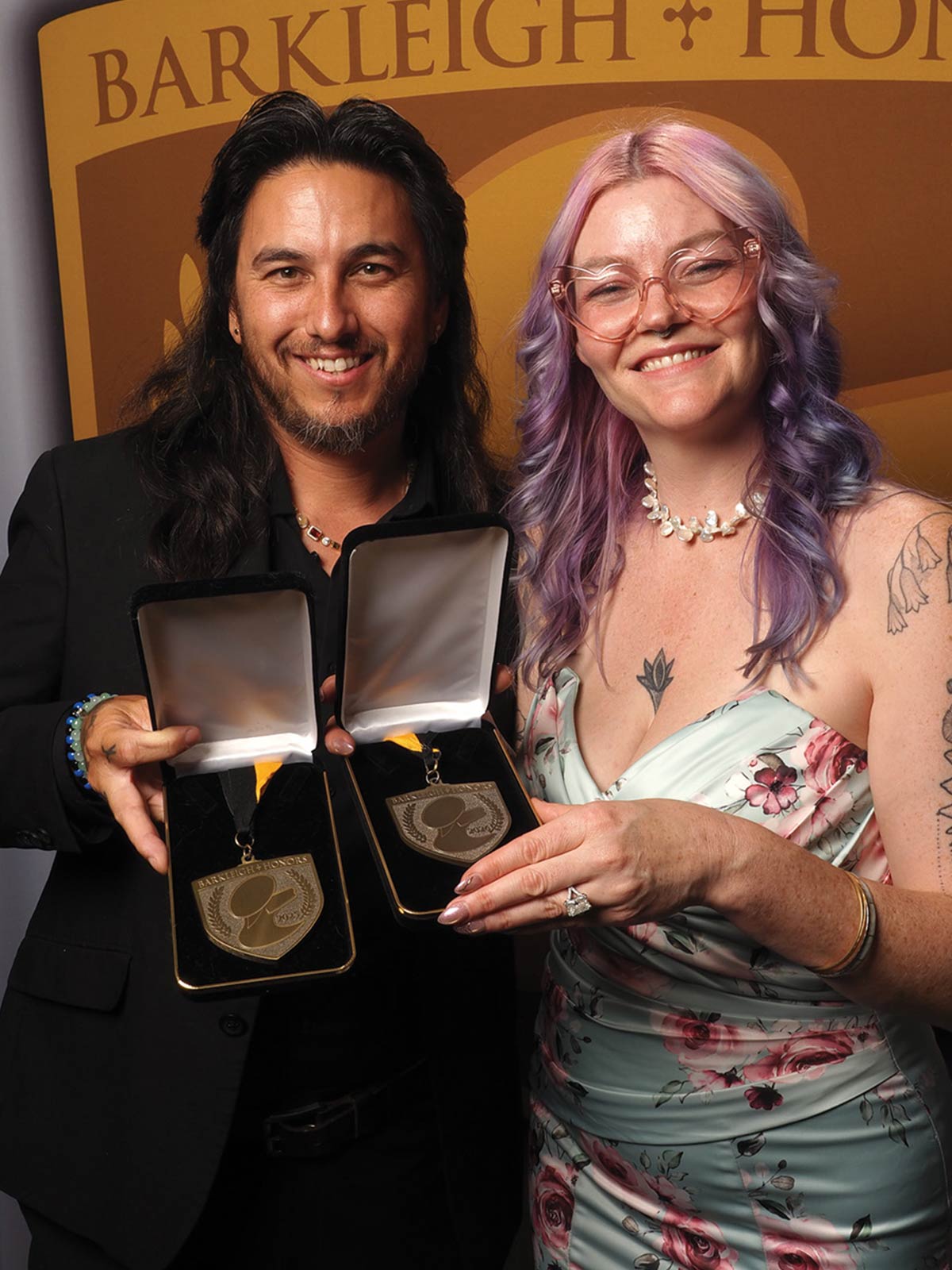
Nathan & Kathlena Austin

“Hair Is Hair, Right?” by Allison Brooks Treil, Andrew Juhasz & Nick Szczecinski
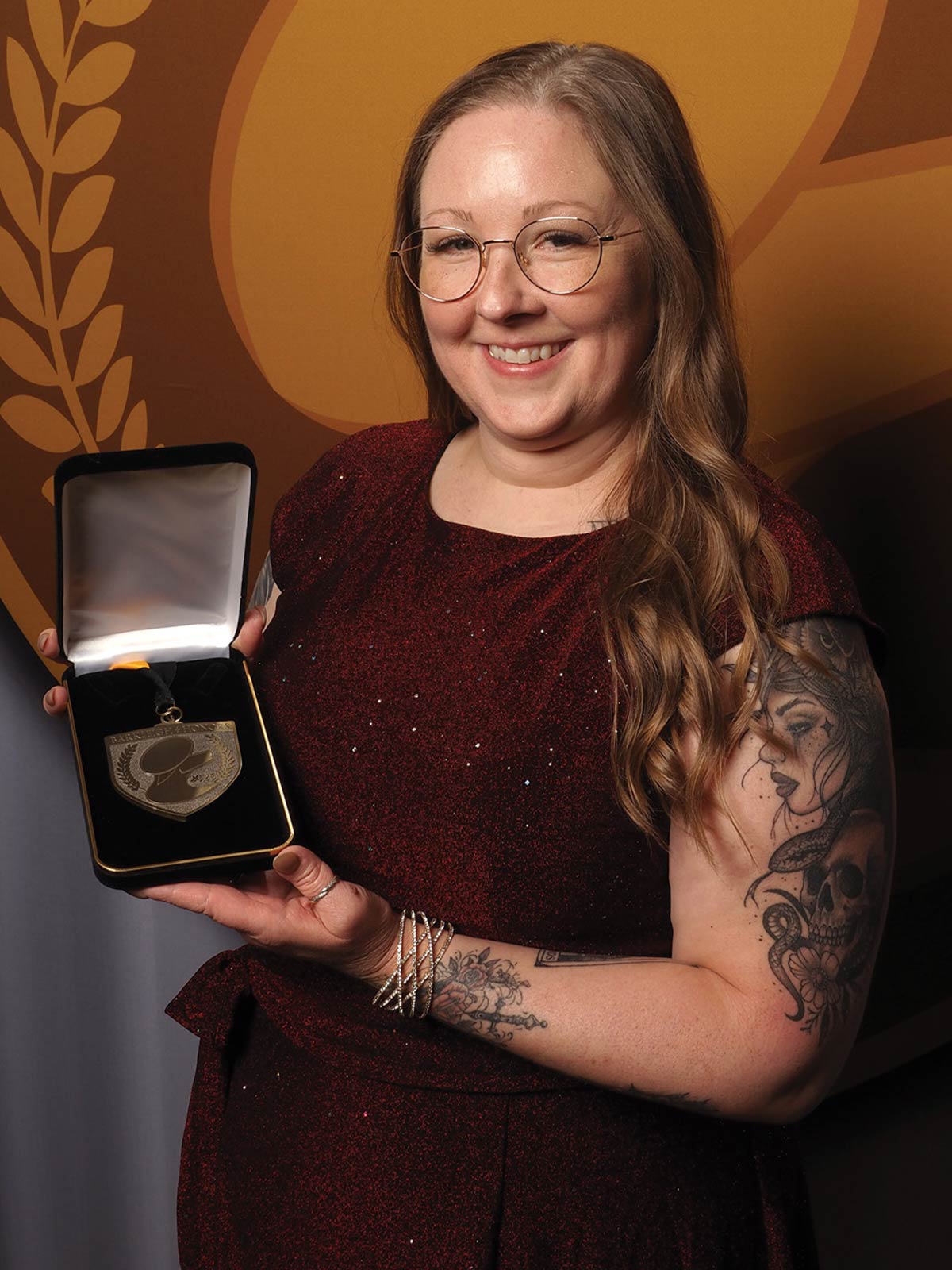
Kim Levesque
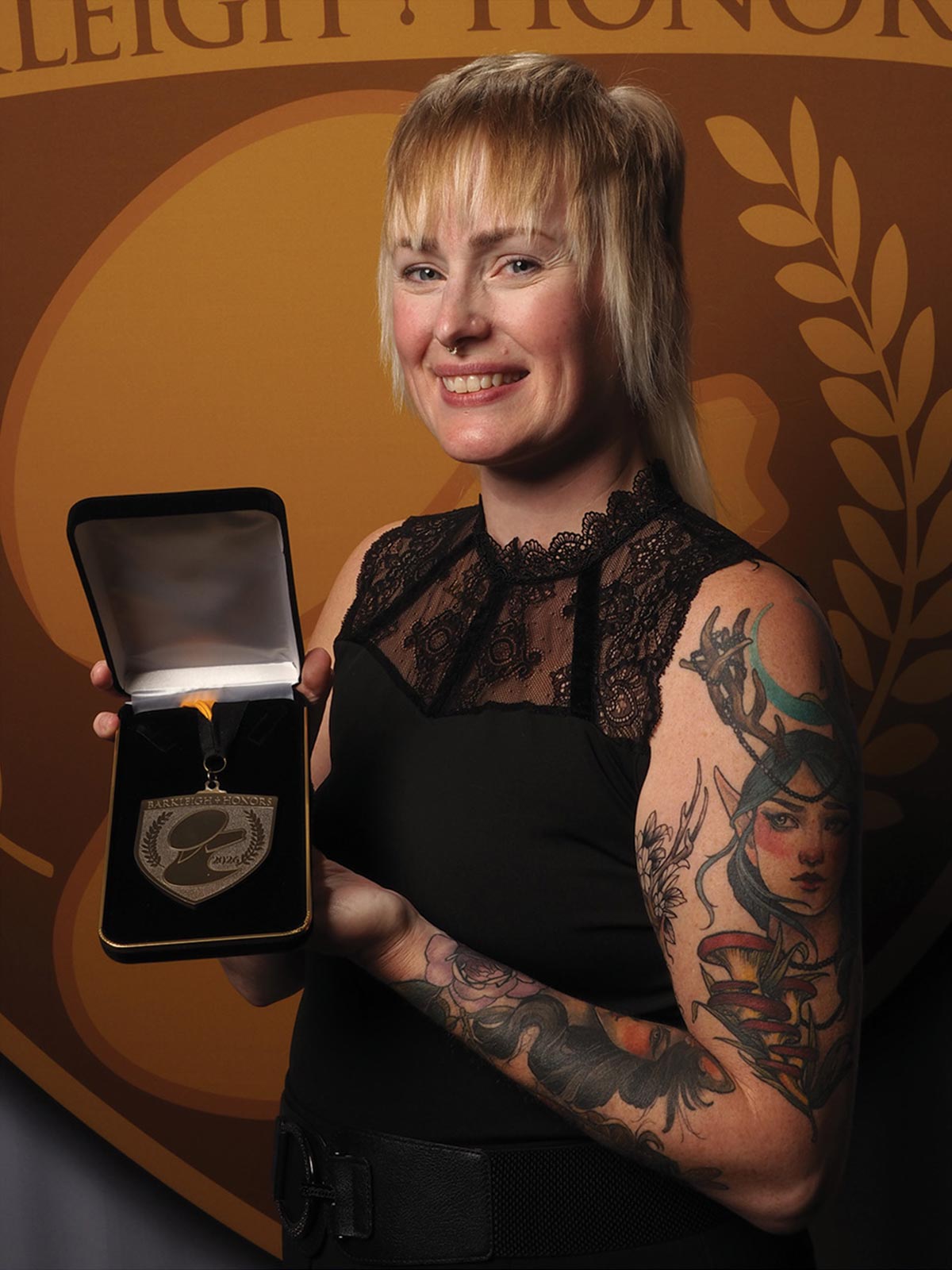
Marcia Strong

Teri DiMarino

Alyssa Kasiba
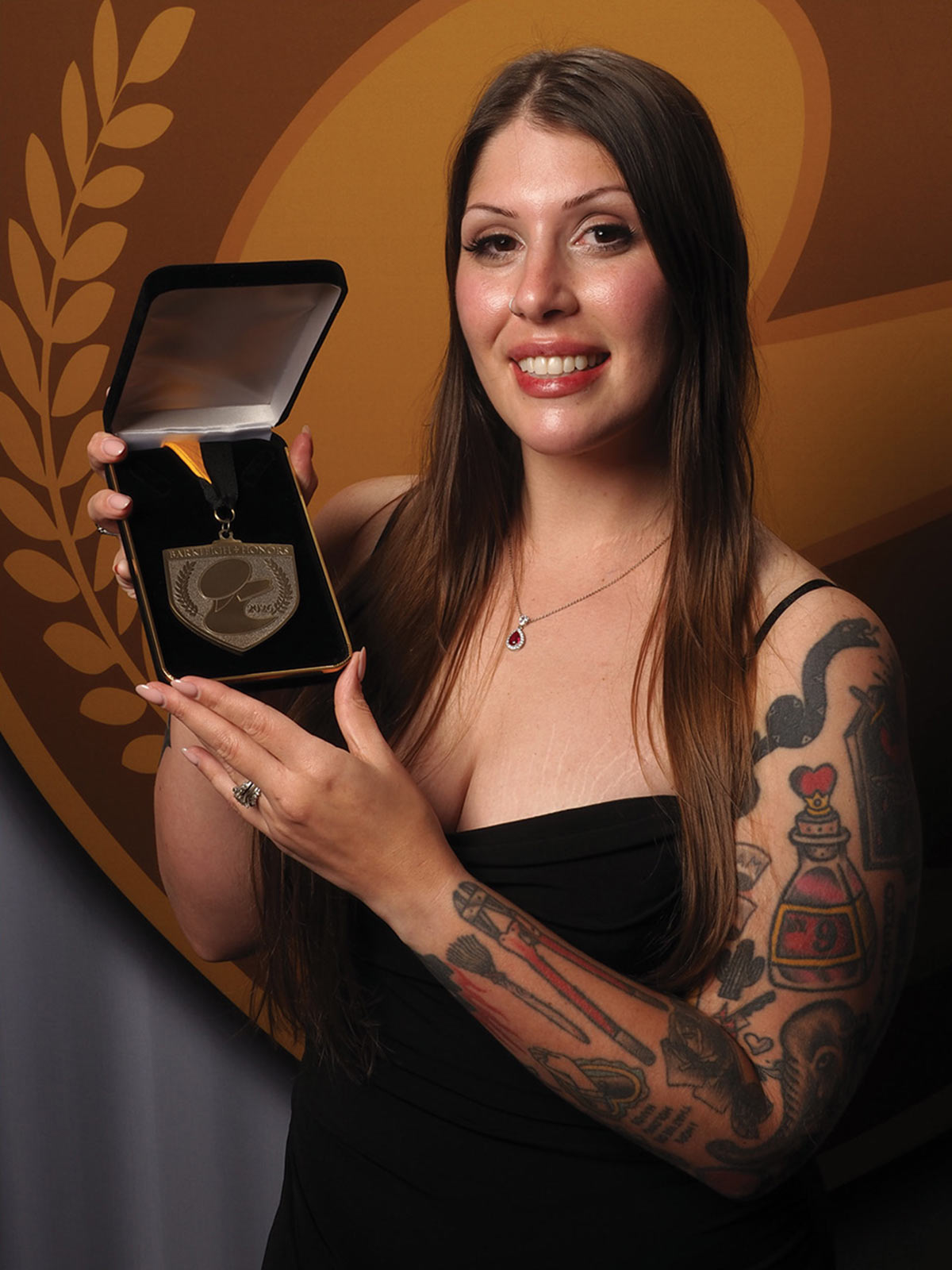
Groom Curriculum
Nadia Bongelli

Misty Gieczys

Lisa Hart
www.animalphotography.com

 backup clipper is one of those purchases that feels unnecessary right up until your main machine dies halfway through a fully booked day. Then, all of a sudden, it’s the most important tool you own.
Buying a second clipper is the easy part—making sure it actually fits the rest of your setup is where people trip up. A machine can be excellent in its own right and still make a poor backup if it needs a different blade family, different combs, its own charging system or spare parts you don’t normally keep on the shelf.
A good backup shouldn’t add complication. It should allow you to put down your main clipper, pick up the spare and carry on with as little disruption to your workflow as possible. That means choosing your backup around the kit you already own, not around whatever clipper happens to be on sale.
Many professional clippers take A5-style detachable blades, and if your main clipper and backup share the same compatible blade family, you can move straight across using what’s already in your case.
Other machines run adjustable 5-in-1 blades or a system of their own. Those can be great tools, but switching blade systems for your backup often means buying duplicate cutting lengths and combs which are just sitting there doing nothing most of the time.
Two blades that look alike aren’t necessarily interchangeable, so check the manufacturer’s compatibility information for the exact clipper and blade. The middle of a busy day is the wrong time to find out a favorite blade won’t latch, or that your usual blade family doesn’t fit at all.






If your main clipper failed right now, would the same combs fit the backup? Some combs are built around a particular blade type or cutting head, and two products described in near-identical terms can still fit differently.
If you lean on attachment combs day to day, test the actual combination rather than assuming it will work. You don’t need every accessory in the salon to cross over between clippers—you just need the ones you actually use to finish a normal day.
There’s a real advantage to two machines sharing manufacturer-approved batteries, chargers, blades and accessories—one set of consumables covers both, and swapping between them is effortless. But there’s also a case for a different power source altogether.
A corded clipper makes a genuinely useful backup to a cordless main machine because it takes the battery and charger out of the equation entirely. Mobile groomers need to check that any corded backup suits the power available in the vehicle.
If shared batteries matter to your plan, confirm the manufacturer actually lists them as compatible, and check the same for charging stands and power supplies. It’s also worth putting the spare on a simple routine: charge or test it at sensible intervals per the manufacturer’s guidance, run it briefly, and check that the battery, lead and switch are all behaving normally.
Handle it before you buy if you can, or at least choose a supplier who can talk you through the product properly. A backup needs to be different enough to solve the failure without being so unfamiliar that it slows you down or throws off your handling.
A backup clipper doesn’t need to be the newest, fastest or most expensive machine you own. It just needs to be ready, compatible with enough of your working kit and simple to bring into service the moment something goes wrong.
So don’t just ask which second clipper to buy—ask which clipper can step into your current job with the fewest new problems. Get that right, and your backup finally becomes what it was always meant to be: insurance for your working day.




 s groomers, we love our tools. We research dryers, compare clippers, have favorite shears, and probably own at least a few combs or brushes that we would be genuinely upset if someone walked off with. We know good tools help us work more efficiently, produce better grooms and sometimes even make a difficult day a little less difficult. But there is one tool in your grooming business that is more valuable than anything sitting on your grooming table, and that is your time.
You can replace a dryer and you can sharpen a pair of shears, but you cannot order more hours in the day. And yet, time is probably one of the things we waste most often without even realizing we are doing it.
It is rarely one big thing that throws off the entire day. More often, it’s five minutes looking for the blade you know you just had. It is stopping what you are doing because you are completely out of something you thought you had another bottle of. It is discovering the dryer filter really should have been cleaned before you had a Newfoundland standing in the tub. None of these things seem like a huge deal individually, but added together, day after day, they can have a surprisingly big impact on your business. That is where routines come in.
Think about losing just 15 minutes during an average workday. Fifteen minutes does not sound like much, but over five days, that is more than an hour, and over a month, it adds up to several hours. Stretch that over an entire year and suddenly all of those little interruptions do not seem quite so little. And that time does not necessarily need to be filled with another groom.
Maybe getting that time back means you can actually sit down and eat lunch. Maybe you can finish your notes before the end of the day instead of doing them later. Maybe you have enough cushion in the schedule that one late client does not wreck your afternoon. Maybe you simply get to go home 15 minutes earlier. Saving time does not always mean doing more—sometimes it means making your day easier.

Instead of thinking, “I need to check inventory sometime,” inventory gets checked on a specific day. Instead of trying to remember when equipment needs attention, maintenance is scheduled. Instead of mentally running through everything before you leave, you have a simple closing routine. You no longer have to remember when to do it because you have already decided.
That may sound like a small distinction, but when you own or manage a business and already have a hundred things competing for your attention, getting even a few of them out of your head can make a big difference.
Find Your Own Time-Wasters
- Where you lose time
- What makes you stop in the middle of a groom
- What you are always looking for
- What you constantly forget
- What keeps turning into an emergency even though you knew it was eventually going to happen
If you are constantly running out of shampoo, you probably do not have a shampoo problem, you have an inventory routine problem. If every morning starts with you scrambling to get ready, your solution might be an end-of-day routine. If you answer every text, phone call and social media message the second it arrives, you may need a communication routine. Start with the problem, then build the routine around fixing it.

Everything Should Have Its Place
Your most-used tools should be easy to reach, supplies should go back to the same location, backup equipment should have a designated spot and inventory should be stored in a way that makes it relatively easy to see when something is running low. If you have ever spent several minutes searching for something that was just two feet away from you, you know how ridiculous this particular waste of time can feel. Those minutes count, too.
If your primary clipper stops working at 10 a.m., do you have another one? If your dryer quits, what is your plan? If your favorite blade breaks, do you have a replacement? And one of the most important questions: Does your backup equipment actually work? Checking backup equipment should be part of your routine, too. Make sure it is clean, charged, accessible and functional.
It is also worth having a routine for the financial side of equipment. Setting aside money regularly for repairs and replacements can turn the day your dryer finally gives up from a financial crisis into an annoying but manageable business expense. You cannot prepare for every possible problem, but you can prepare for the predictable ones.

Your schedule may look completely different, and it should. The important thing is that you have made the decision ahead of time. Because if something is important to your business but only gets done when you happen to remember it, you do not really have a system.
Start with what is causing you the most frustration. Maybe it is equipment maintenance, inventory, opening and closing, client communication or workspace organization. Pick one problem and create one simple routine that you do consistently. The best routine is not the most impressive one, it is the one you will actually keep doing.
We spend a lot of money protecting and maintaining the tools of our trade, but we should put the same amount of thought into protecting our time. Good routines are not about squeezing another dog into an already full schedule. They are about making the business easier to run.
Take a look at your workday and pay attention to the things you repeatedly waste time doing, remembering, searching for, fixing or reacting to, and then ask yourself: What simple routine could I put in place so I don’t have to keep dealing with this?
We will always need good dryers, dependable clippers, sharp shears and all of the other tools that allow us to do our jobs well, but none of those are the most valuable tool in your business. Your time is. Protect it accordingly.

by Chris Anthony
Photos provided by Chris Anthony
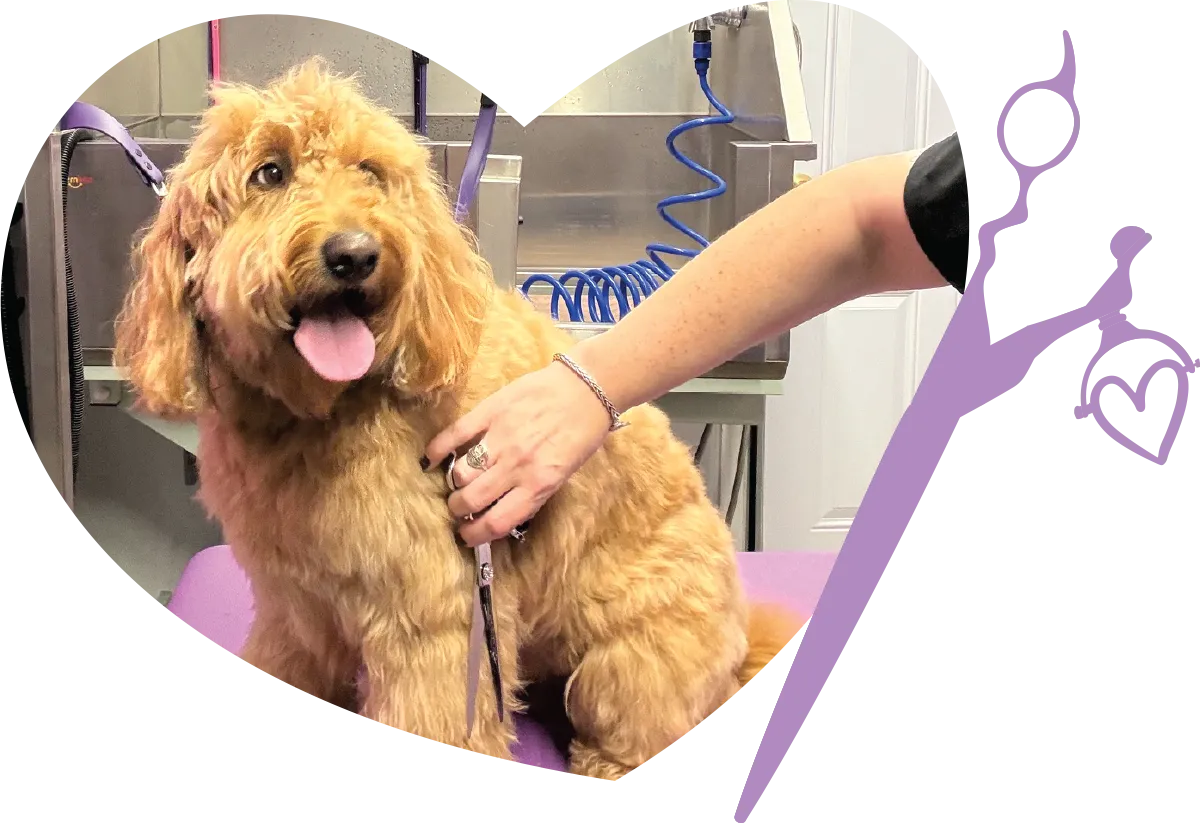
 hen we’re talking about grooming tools, there seems to be very little middle ground regarding swivel shears. Groomers seem to either love or hate them. But why? Why all the love and why the hate? The following aims to give you the knowledge to decide for yourself and to know that both comfort and full control of your shears are possible with swivel shears.
One of the main reasons some groomers say they dislike swivel shears is a lack of control. That’s completely understandable because feeling like you are not in control of your sharpest tool can be terrifying. But the problem lies not in our hands, our skills or even the “weird” movement of the shears themselves; it’s in our training.
No groomer has, completely untrained, picked up a pair of shears and completed a fully hand-scissored continental that is show-ring ready. We had to be taught how to properly use our tools, yet we can be so hard on ourselves as professionals that we are often expected to pick up a new tool that works differently from how we have been trained and run with it. We had to be taught how to hold our shears, and conventional shear techniques often do not apply to swivels.
One of the first things we’re taught about how to properly hold (non-swivel) shears is not to put our fingers in all the way. This helps us control the angle we’re cutting into the hair and move the shear into the positions we need. Unfortunately, it also puts pressure on our carpal tunnel area and adds stress on our hands and wrists.
We contort ourselves, trying to get into various positions that get the results we need and are comfortable and safe for the pets in our care. But try to grasp something that moves with just barely the tips of our fingers, and you have the wildly moving chaos that many groomers only experience with swivel shears.
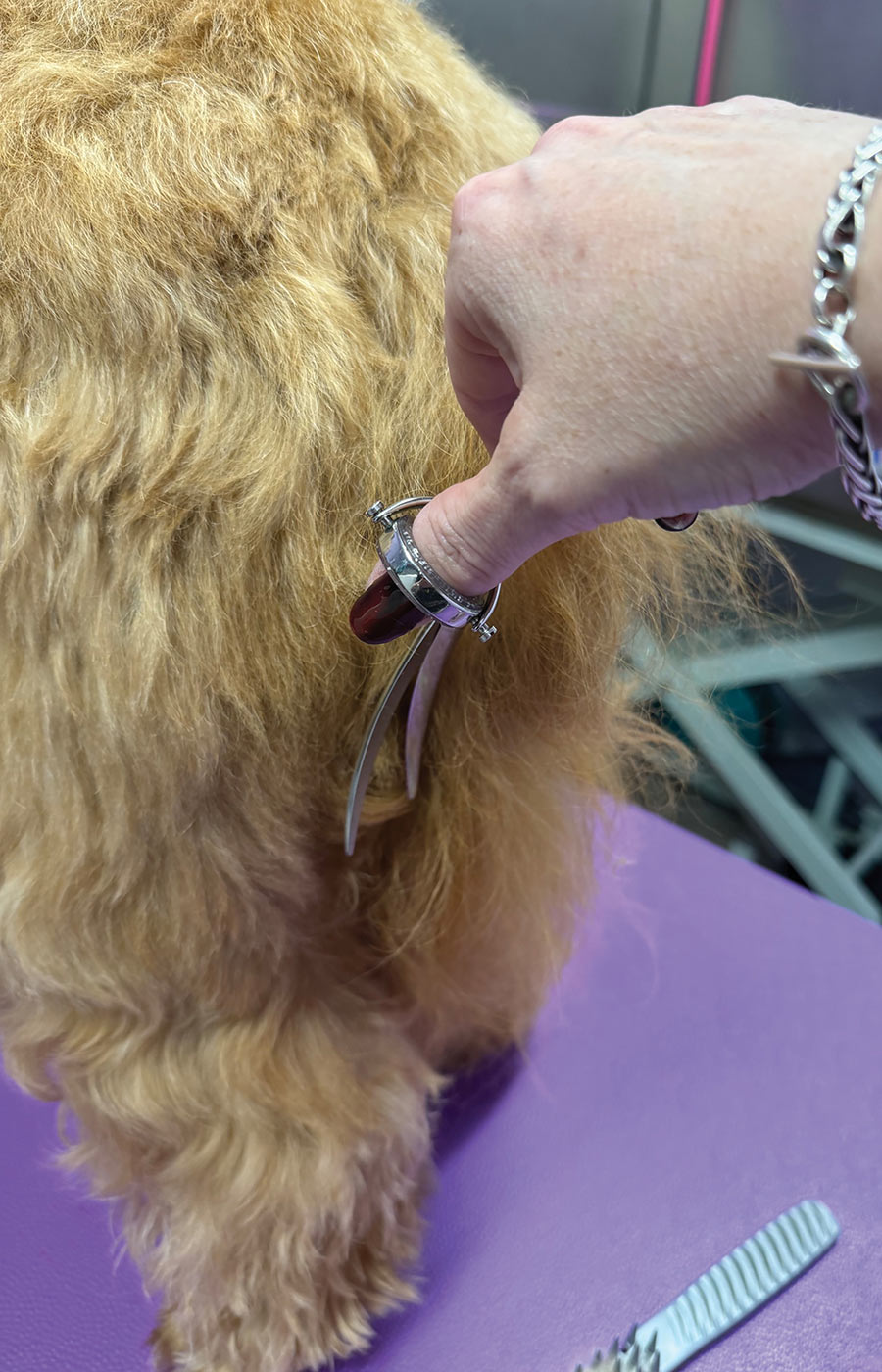
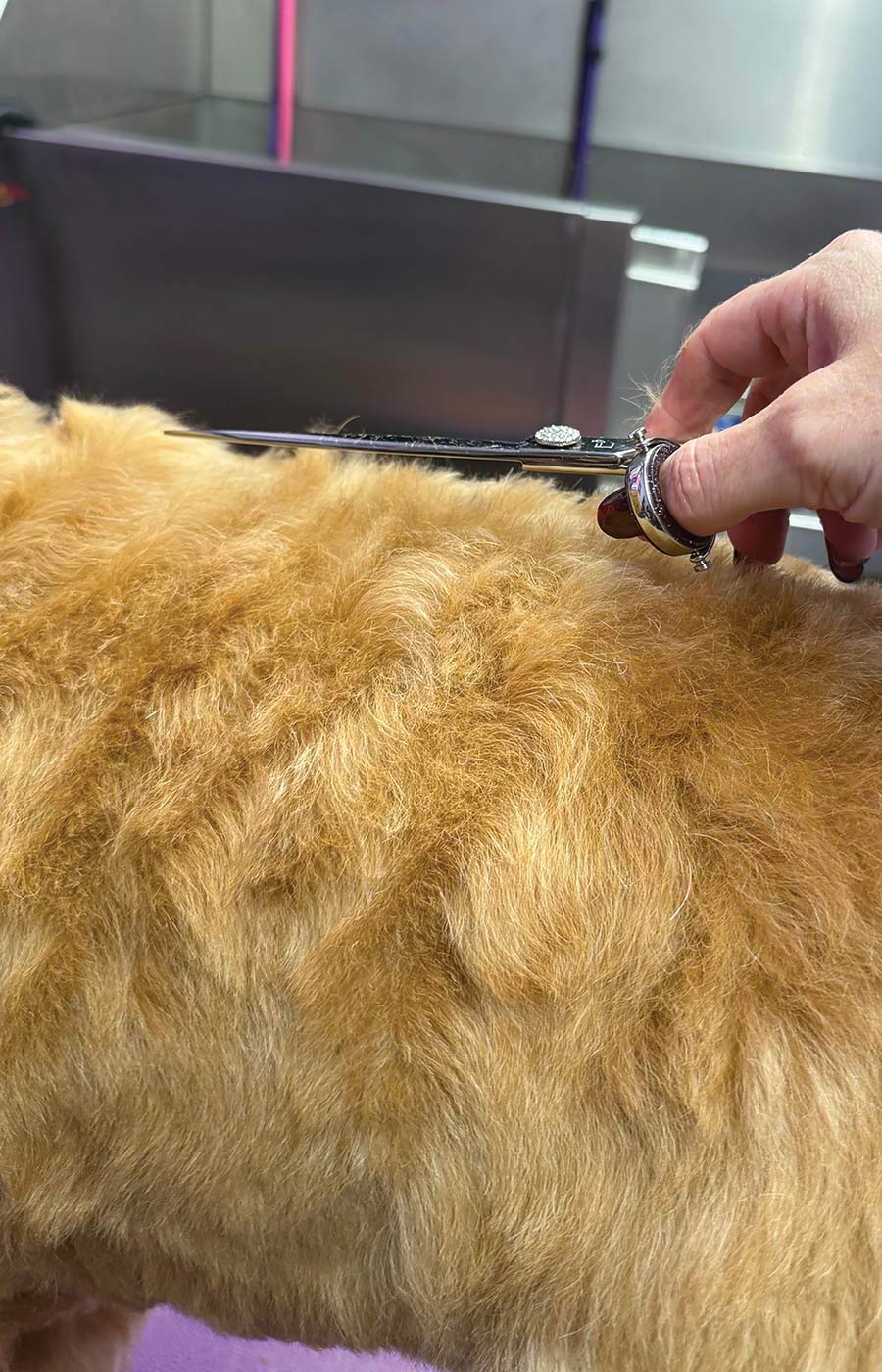
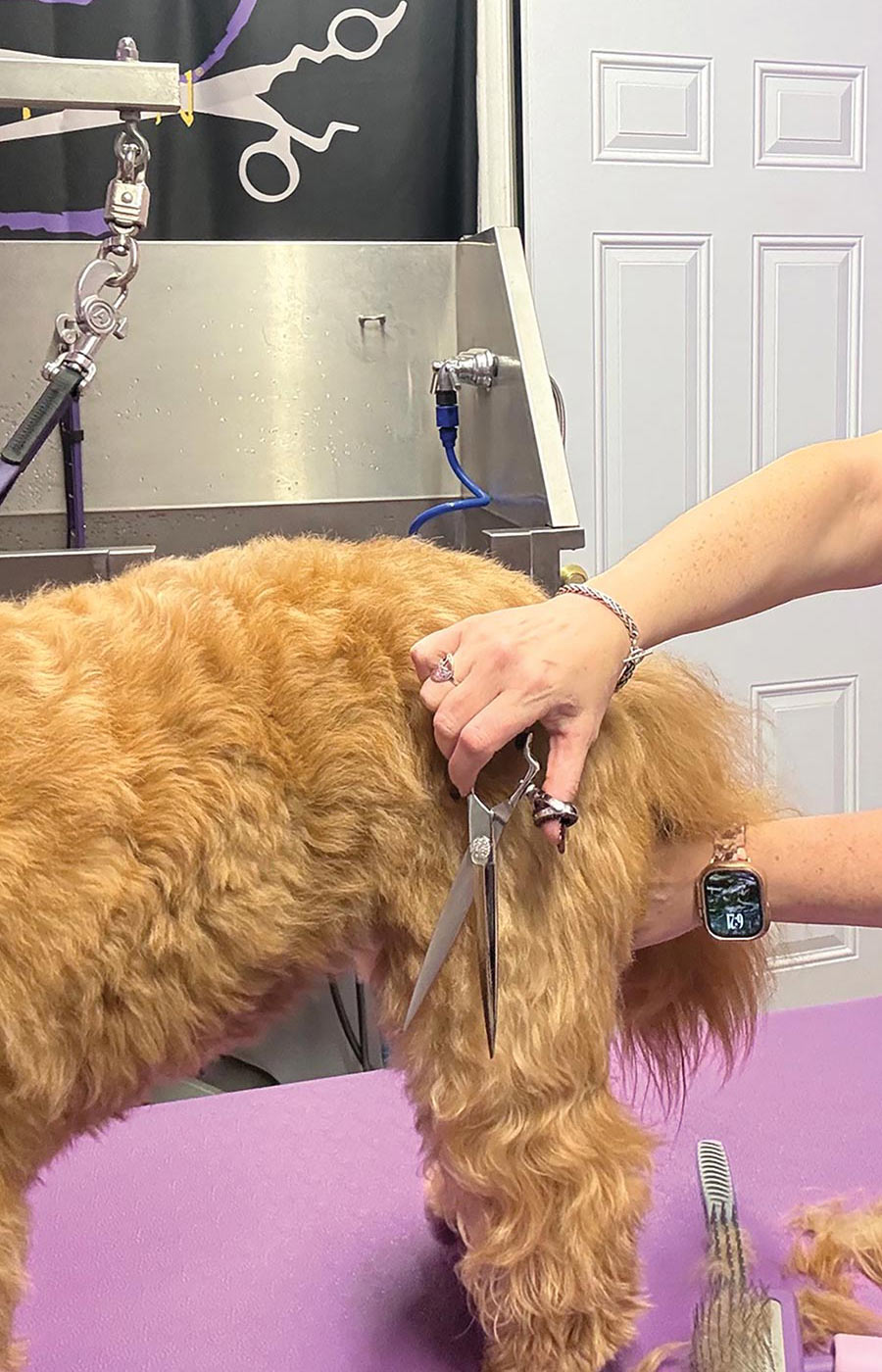
You may actually find you have more control of your shears with swivels than with standard shears because you can position the shear wherever you need to. Imagine grooming the inside of a leg without having to turn yourself sideways and halfway upside down. They can also allow you to relax your hand more and move more naturally, not gripping tightly.
Speaking of moving naturally, let’s briefly address carpal tunnel syndrome. When we put our hands and wrists in awkward positions, it compresses the carpal tunnel area. Think of how many times a day we use our thumb to drive the shear, potentially compressing the carpal tunnel area.
Not every groomer gets carpal tunnel issues, but most of us will have some level of hand or back pain at the end of the day. Swivel shears help keep our wrists straight, and properly fitted ones even keep our thumbs and hands in a more neutral position. Every little thing we can do to use better ergonomics helps our bodies and careers last longer.
Once we know how to properly hold our swivels, controlling them becomes a breeze. It is a learning curve, but so was the first time we picked up shears or clippers. Muscle memory may tell us it feels strange, but once you tune that out and listen to your body, everything falls into place.
Our body and instincts are very often “smarter” than our brains. Our brains can get hung up on how things are “supposed” to be done and don’t always account for new ways of doing things. So, try something new and pick up that pair of swivels in the back of your drawer or at the next trade show—you may just fall in love.


 having is one of those cat grooming skills that can look deceptively simple, especially if you’re already shaving dogs. Turn on the clippers, remove the hair and try not to cut the cat. In reality, safely shaving a cat has far more to do with what happens before the blade ever touches the coat.
Cats have thin, loose skin; plenty of folds and wrinkles; and an impressive ability to move exactly when you don’t want them to. Add matting, an elderly cat, a wiggly kitten or a cat with very strong opinions about grooming, and even a seemingly simple sanitary trim can become complicated.
- Safety and stress reduction (top priority)
- Relieving pain or discomfort
- Preventing future problems
- Final styling and any owner requests (if the cat is still doing well)
This priority ranking means focusing on what the current (often painful) issues are for the cat, while any “vanity” requests from the owner, like rounding the ruff or paws, are only done if the cat has tolerated the rest of the groom first. But the top concern should be removing and preventing matting for most cats.
When a cat is matted, our first responsibility isn’t preserving as much coat as possible but determining the safest and least stressful way to make that cat comfortable again. A tiny mat may be easily combed out, a slightly larger area might release during bathing and blow-drying if the cat tolerates it well, but repeatedly tugging at a sensitive armpit because we don’t want to shave it isn’t doing the cat any favors.
What the cat tolerates heavily influences that decision. Saving coat isn’t a victory if doing so requires significantly more handling, discomfort or stress.
Clean, intentional shaved areas instead of little holes scattered throughout the coat are preferable whenever possible. Spot shaving may solve today’s problem but can leave uneven areas that are more likely to tangle with surrounding longer coat as they grow back. Sometimes shaving a little more now makes maintaining the coat easier later.
Even then, temperament isn’t a permanent label. A cat that tolerates nail trimming may hate having its belly combed. A cat that is wonderful for bathing may have a very short fuse for clipper work. Health, age, matting, previous experiences and simply how long the groom has taken can all change what that cat is willing to tolerate.
Starting small before committing to larger shaved areas is a good idea, particularly with a cat you haven’t groomed before. A sanitary trim or small amount of clipper work can tell you quite a bit about how the cat responds to the sound, vibration, positioning and sensation. Nobody wants to discover halfway down the back that the cat has decided the lion cut is over. A reverse mohawk is difficult to explain at pickup.
Assessment should continue throughout the entire groom. Every step gives us new information, and the grooming plan should be allowed to change based on that information.
On easier areas like the back and sides, this means keeping the cat comfortable while holding the skin taut opposite the direction the clippers are traveling. Follow the natural curves of the body and keep the angled teeth portion of the blade flat against the skin rather than digging into it.
The harder areas require even more attention to positioning. Armpits, bellies, groins, and sanitary areas contain folds and loose skin that can disappear underneath coat, especially when matted. Move the cat so you can actually see what you’re doing rather than blindly pushing a blade into an area you can’t clearly assess.
Sometimes the cat’s natural skin flexibility can work in your favor. Rolling the skin can move a difficult fold onto a flatter surface. An armpit or tuck-up area that feels awkward in one position may become much safer when the skin is gently shifted to a shoulder or hip nearby.
The legs don’t always need to be stretched as far as possible, either. Relaxing a leg can sometimes flatten the skin better than pulling it outward. The goal isn’t to put the cat into a textbook position but to create a safe working surface while keeping the cat comfortable.
Towels can provide comfort as well as protection, and appropriate protective-handling tools can be useful for nervous or defensive cats. The goal is always to create enough control to safely complete the necessary grooming without escalating the cat unnecessarily.
During initial mat removal, you can use lighter pressure to remove the bulk of the coat so you can better see what is underneath. Once you can see the wrinkles, nipples and skin folds, you can finish the haircut more precisely with taut skin and controlled clipper passes.
Trying to create a perfectly finished haircut while working through dirty, heavily matted coat can waste time and increase risk. Sometimes the safest strategy is to remove what needs to come off, get the cat clean and refine the haircut afterward.
Your equipment matters here, too. Clippers and blades should be appropriate for the coat and the job you’re asking them to perform. Detail work requires maneuverability, while thick, dirty or heavily matted coats may require more power. Blades should be clean, sharp, oiled and properly maintained, and backup equipment should be readily available. A struggling tool encourages us to compensate with more pressure and more passes. Neither makes shaving safer.
It is better to start with the sanitary area, armpits and the rest of the underside as the first areas to shave a cat for the first time. That way if they start to lose patience, you have the “easy” areas left where the cat can sit or lay on the table more easily.
Learning how to move a cat comfortably, support the body, relax a leg and flatten an area of skin can happen before shaving enters the equation. If you are able to confidently handle the cat, then the tool in your hand doesn’t matter—whether it be a comb, clippers, dryer nozzle, hose, etc.
When you’re ready to build clipper skills, start with tolerant cats and small areas. Practice under the supervision of an experienced cat groomer when possible and gradually introduce more challenging situations as your handling improves. Attempting a difficult cat (e.g., elderly, matted, aggressive) alone without any cat-specific grooming training is a recipe for disaster.
Handling mastery comes before shaving mastery. If you can’t safely position the cat without clippers in your hand, adding a sharp moving blade isn’t going to make the situation easier.
This is why setting expectations with owners before the groom is so important. It is always best to under-promise and over-deliver than guarantee a perfectly finished lion cut before you’ve had the opportunity to work with the cat.
Sometimes the safest groom isn’t the prettiest groom. Sometimes we remove the painful matting, accomplish the essentials and leave the cosmetic finishing for another day. Sometimes we modify the plan entirely. And sometimes the correct decision is to stop and refer the cat for assistance at a veterinary clinic or a different grooming environment.
Shaving cats safely requires technical ability, but the clippers are only one piece of the equation. Good shaving begins with assessment, handling, positioning, skin control, appropriate equipment and the willingness to adjust your plan based on the cat in front of you.



by Blake Hernandez
Groomed by Amy Lupcho
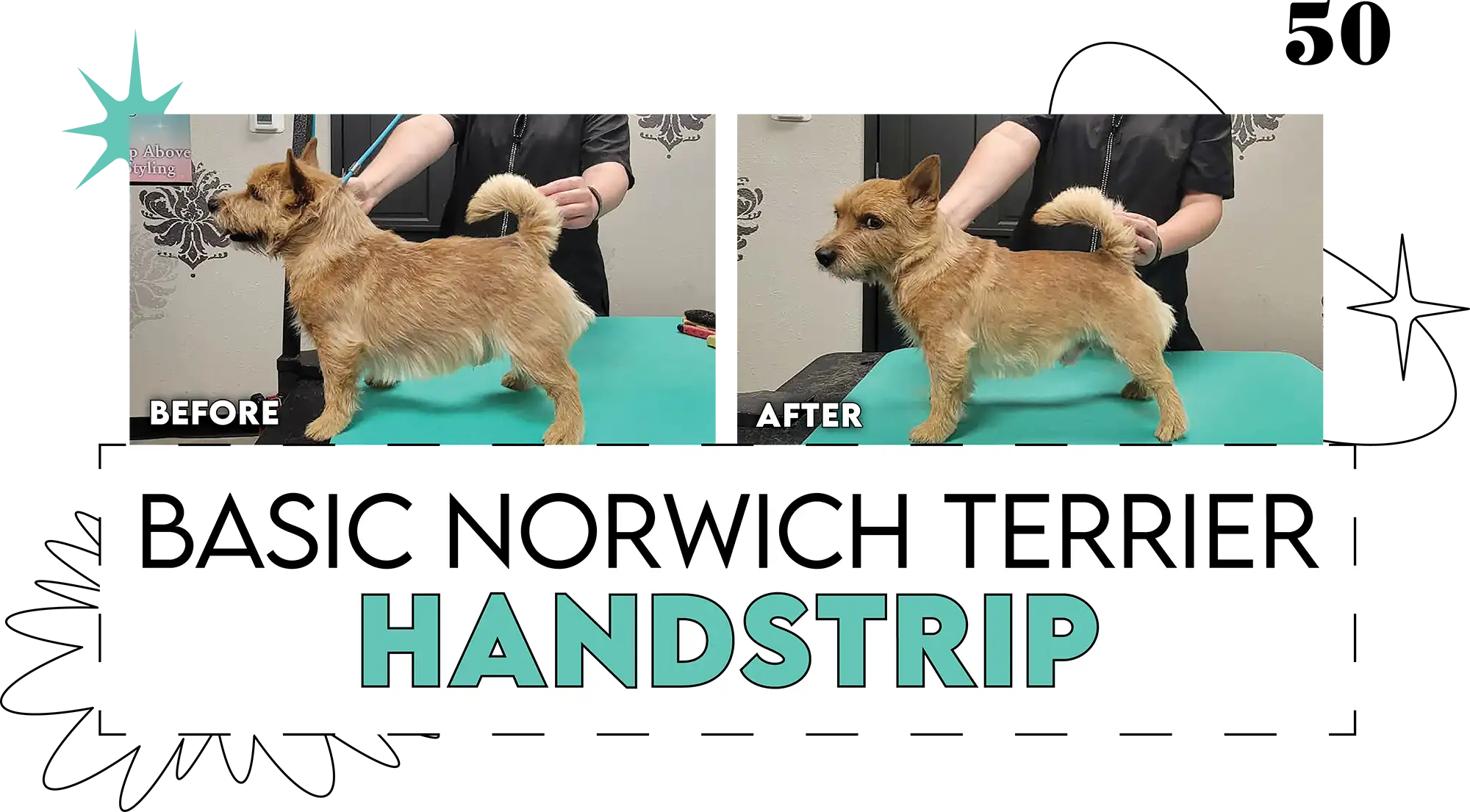
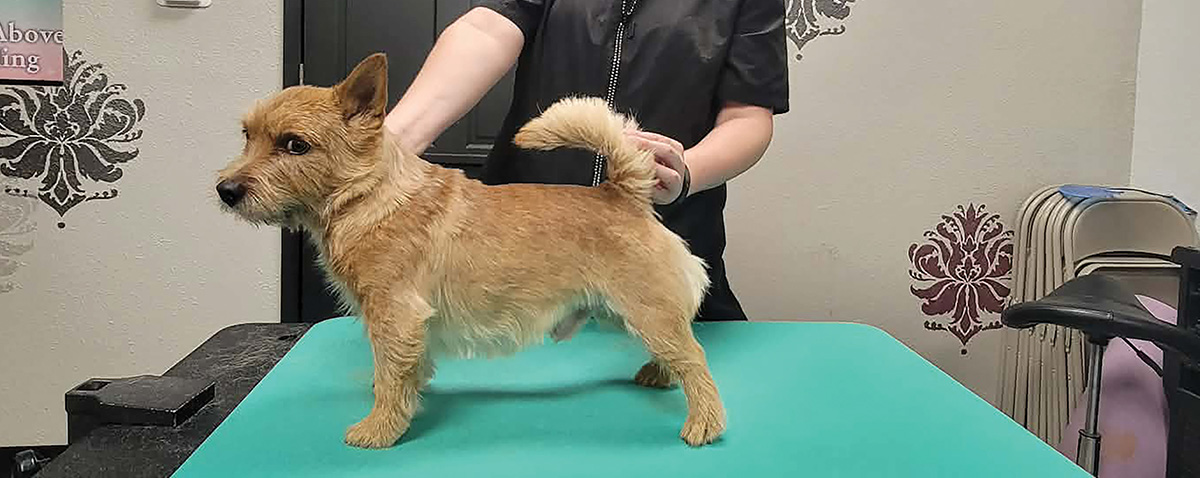
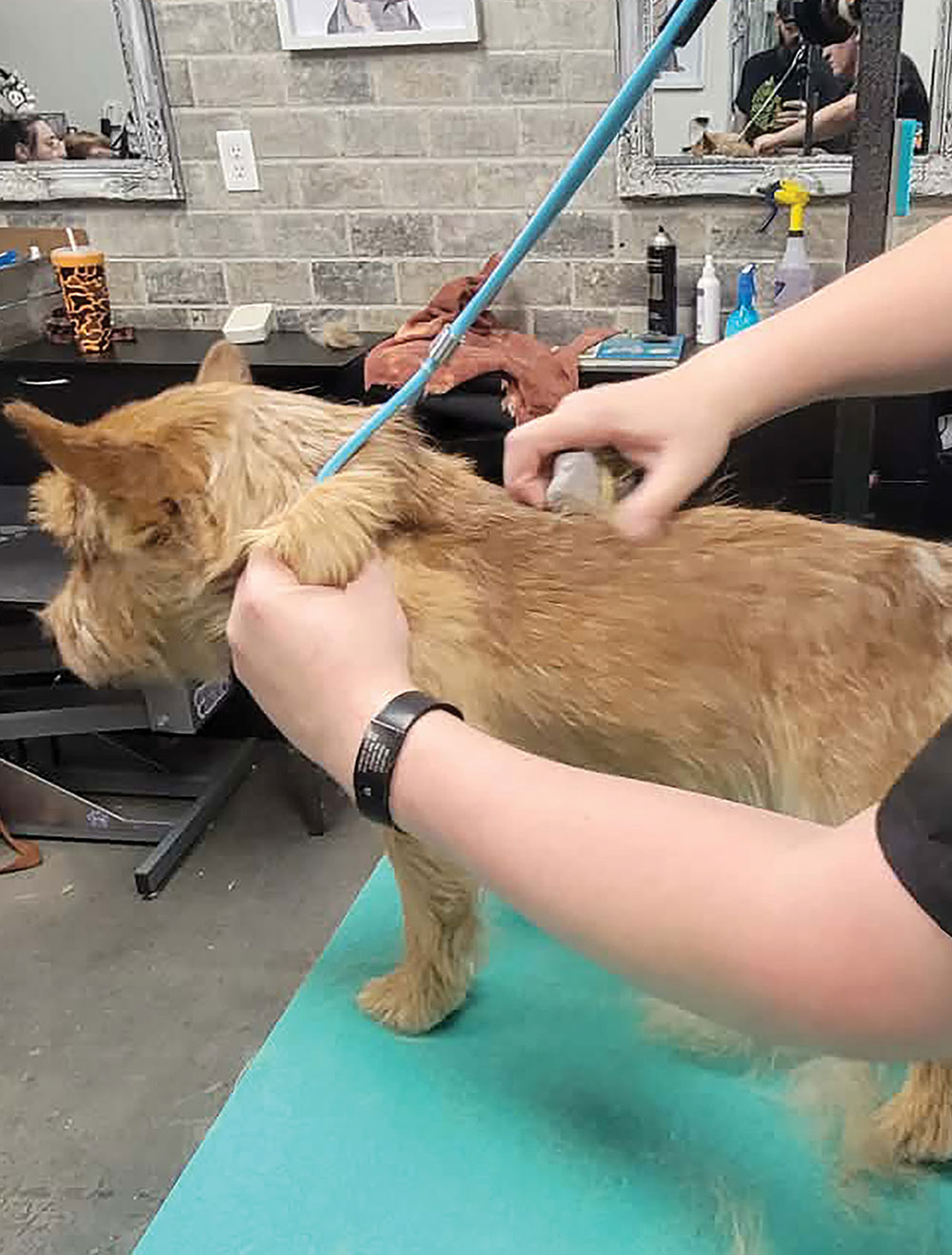
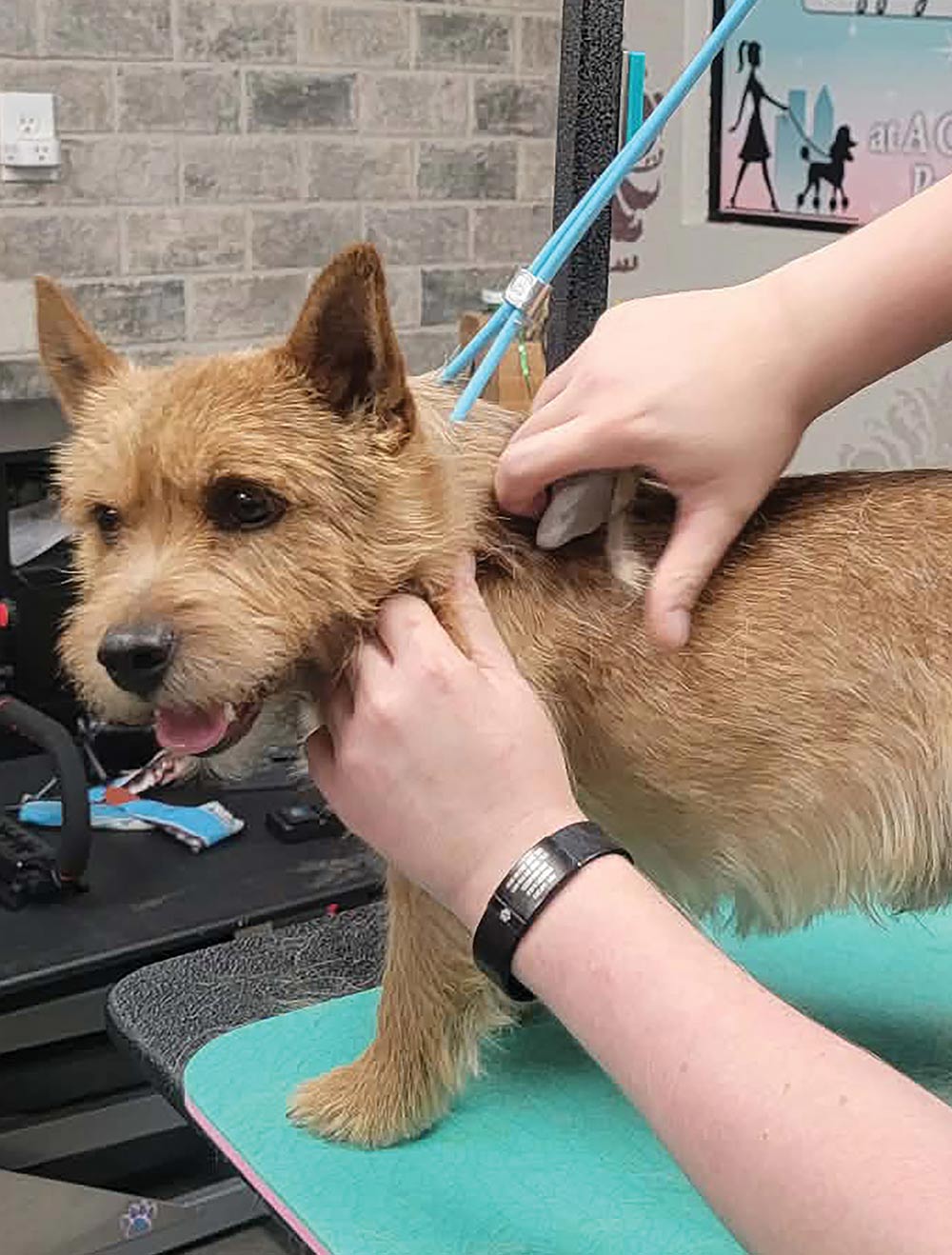
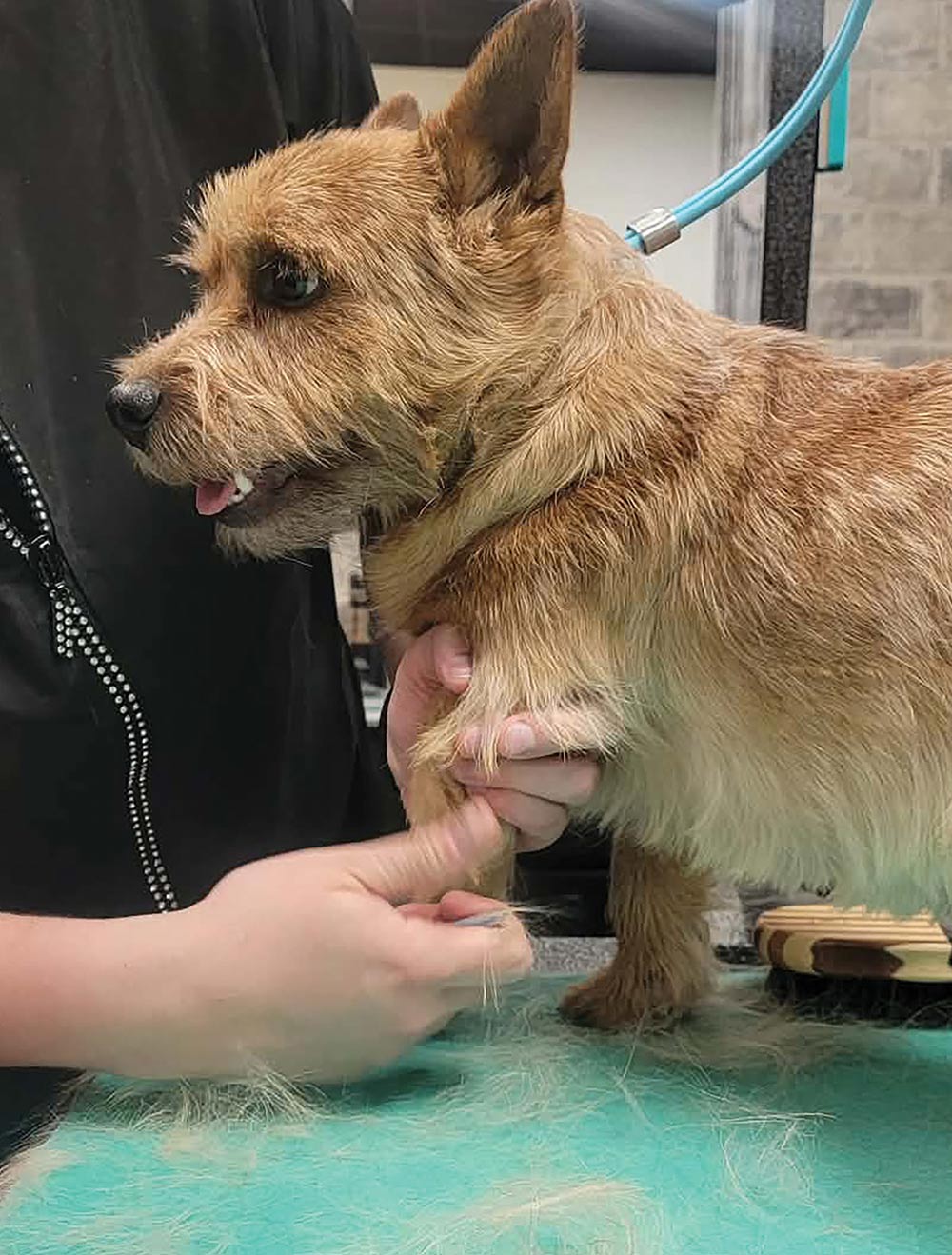
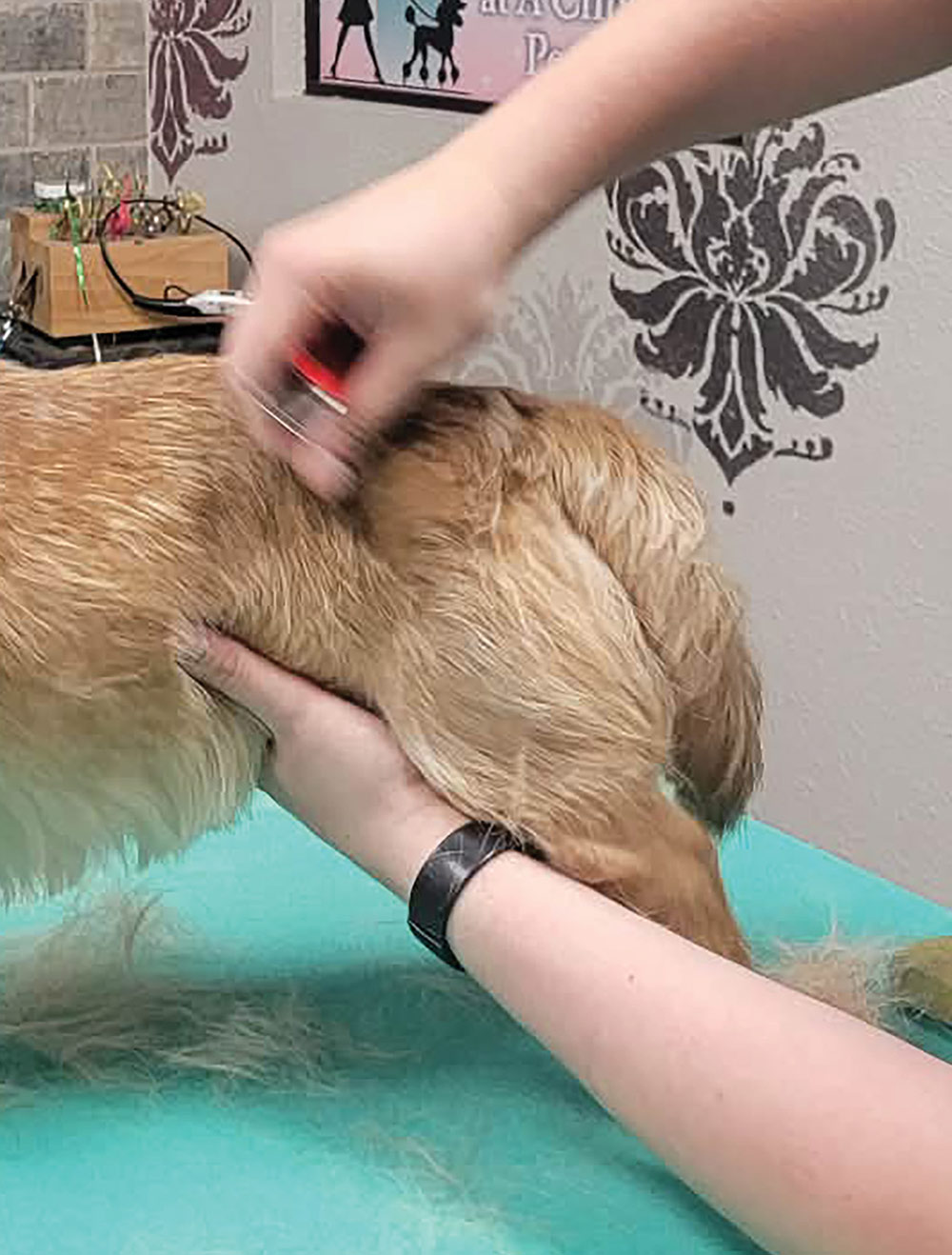
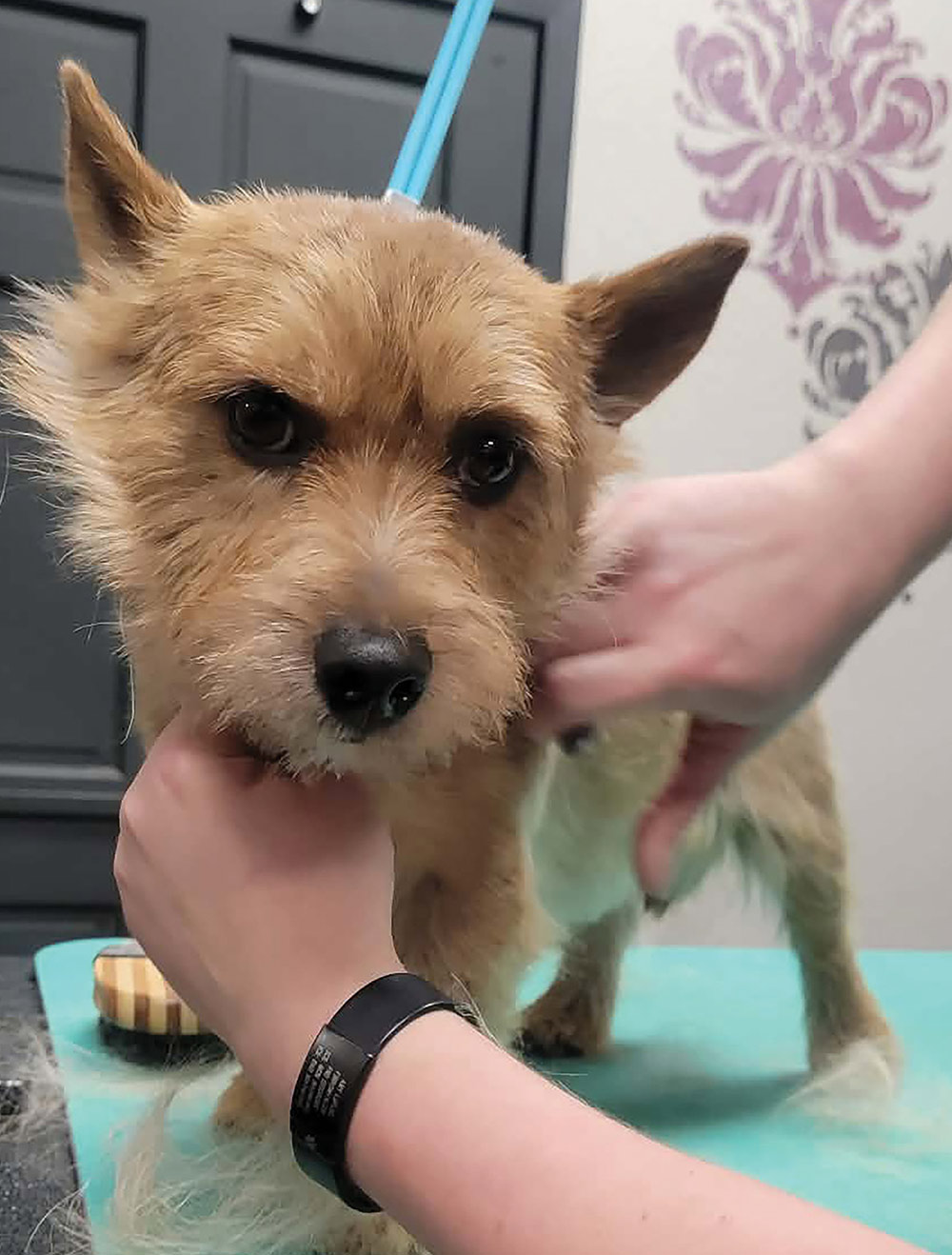
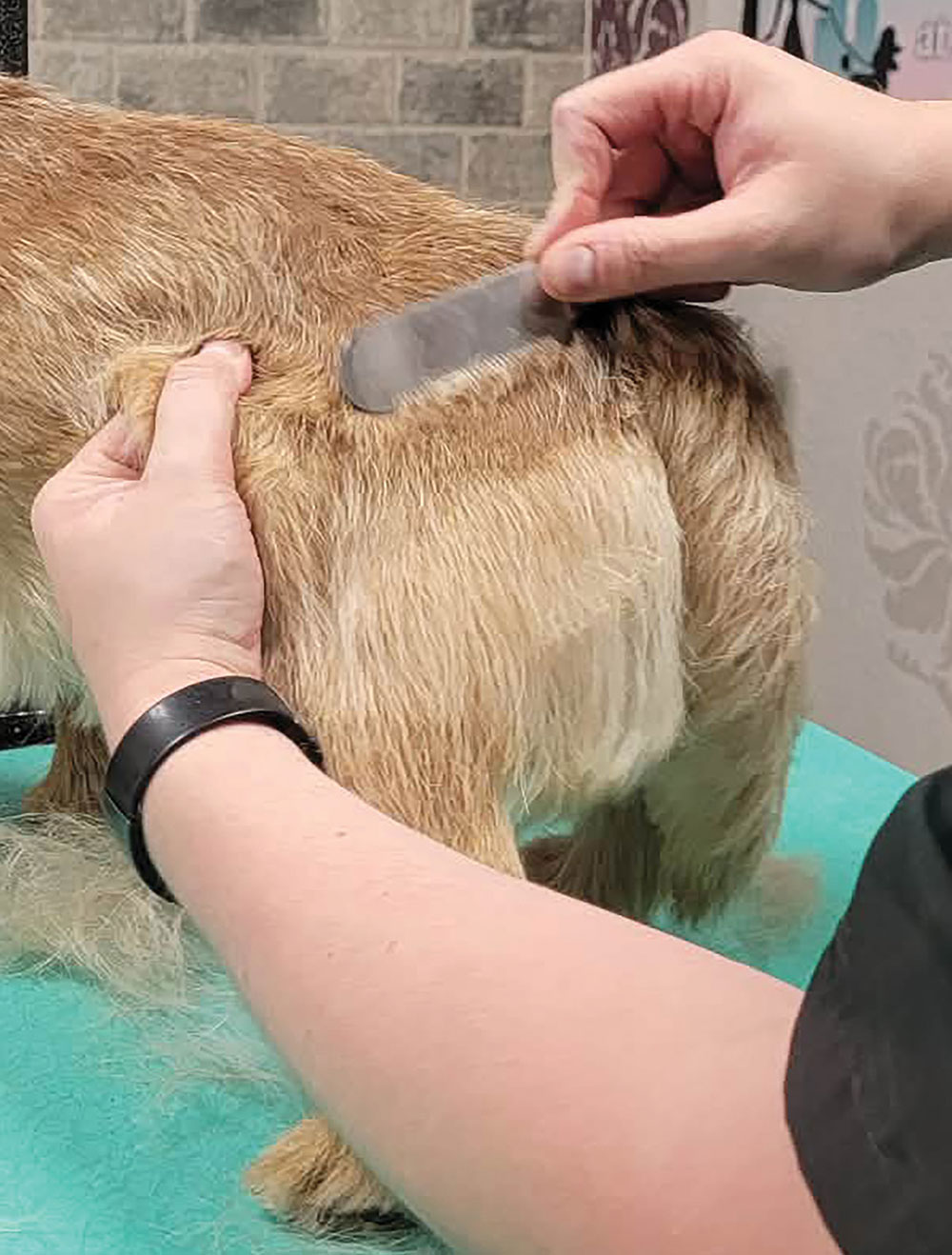
 andstripping is as mysterious to new groomers as it is challenging and physically taxing. The technique is the direct attack and removal of hard top coat, while its “sister technique”—carding—is the direct attack and removal of soft undercoat. Both techniques are used on dogs with wiry and, sometimes, silky coats that shed.
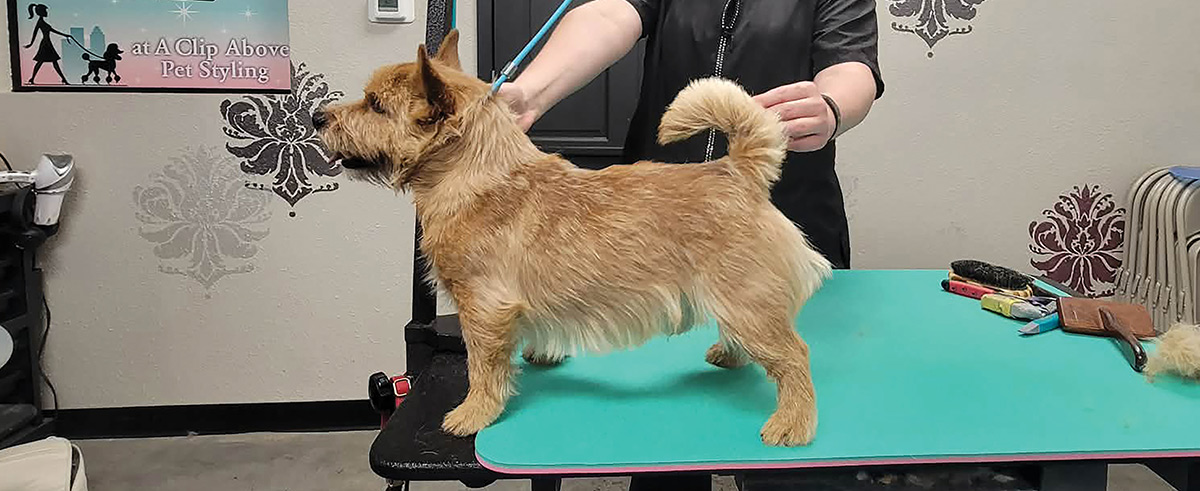
The Norwich Terrier being groomed here has had odd layering and timing for his grow out, so it was decided to not pull for pattern but to just pull a single layer off everywhere. This will allow the groomer to start sculpting and manipulating his shape and furnishings more easily at upcoming appointments.

Call (717) 691-3388 ext 224 to place a Classified.
Rates: 25 words or less, $50.00.
Each additional word, $2.00 each.
Classified ads must be prepaid.
Call for issue deadlines.
Agency discounts do not apply.