

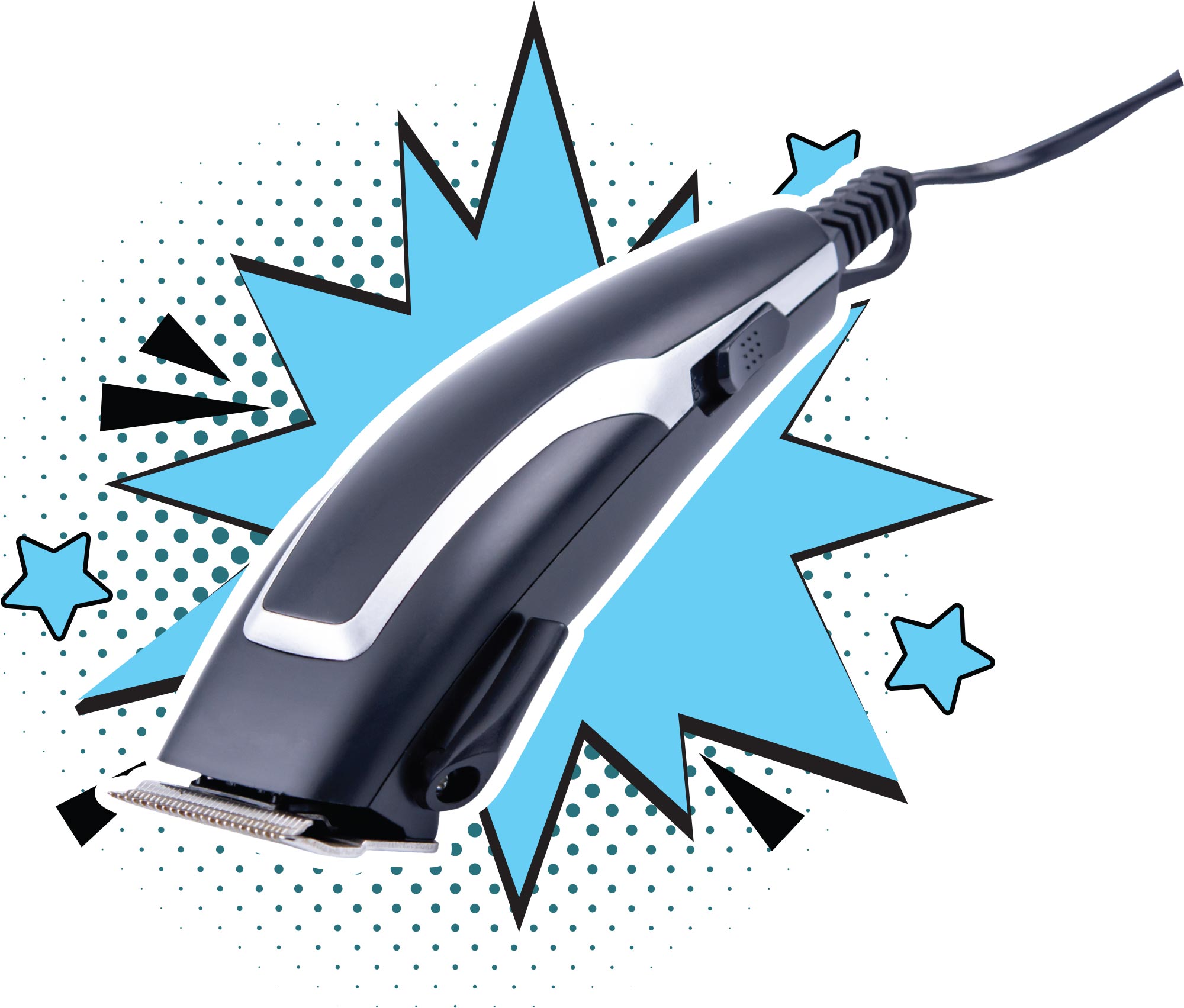
 oan was in the middle of a shave-down on a heavily matted dog when her clipper suddenly started making a squealing noise, then her blade started dragging through the dog’s coat. She quickly switched to another blade, but after a few seconds, it wouldn’t cut the hair either. And then, just like that, her clipper quit.
Joan feverishly tried to get the clipper to turn on again. She reached in the drawer and got her back-up pair of clippers, but they wouldn’t turn on either. Joan knew that they hadn’t been holding a full charge lately, but she had put off having them checked. Now they wouldn’t work at all.
In desperation, she went into the storeroom and dug out an ancient pair of corded clippers. She plugged them in, and thankfully they worked—well, sort of. They were loud, and when she put a blade on them, it vibrated pretty badly. Joan had no choice, though. If she wanted to finish that dog, she had to use them.
As she was working, the clipper got so hot in her hand that she had to stop and let it cool down. She eventually finished the groom, but there were blade tracks all over the back half of the dog that she couldn’t blend in.
When the client came to pick up the dog, Joan explained what happened and discounted the groom. The customer was less than pleased—and did not rebook. It was a costly day for Joan, but her disastrous day might have been avoided if she had just kept up with regular maintenance on her equipment.
Keeping them well-maintained and in top operating condition help you work more quickly and efficiently and allows you to get the finished groom you desire. Yet, it’s surprisingly easy to overlook routine maintenance until a problem surfaces.
Equipment that is not operating correctly can make an already physical job even more difficult. And, if a tool or piece of equipment fails in the middle of your busy work day, it can become a major problem.
Good equipment maintenance begins with one simple rule: Don’t put your tools away dirty. Hair, dander, product residue, and other debris can accumulate on all of your grooming equipment and affect its performance over time.
At the end of every day, take the time to properly clean your equipment before you put it away. Follow the manufacturer’s recommendations for the cleaning, oiling, and care of your tools and equipment, because maintenance requirements can vary considerably between manufacturers.
For many groomers, scissors and shears are among the most important and expensive tools in their toolbox. They are precision instruments, and they deserve to be treated that way. In addition to the daily care, pay attention to how they feel while you are using them. Are they cutting smoothly, or are they bending or pulling hair? Does the tension feel off? These can be early indications that the shear needs more than basic cleaning and oiling.
Professional sharpening and servicing should only be performed by someone who understands grooming shears. Sharpening is not simply a matter of making an edge sharp. Different scissors have different designs, bevels and cutting characteristics, and improper sharpening can alter how it performs.


Clippers and blades collect hair and dander and generate heat during use. This makes regular cleaning and lubrication especially important. Remember, if a blade isn’t performing correctly, it can affect more than the quality of the haircut. It can force your clipper to work harder, which may contribute to premature wear.
Don’t overlook the rest of your equipment. Shears and clippers get most of the attention, but they aren’t the only tools that deserve regular maintenance. Dryers should be kept free of hair and other debris by cleaning the filters and other components daily. The cords should be inspected regularly for damage. Also check your tables, tubs, grooming loops, hoses, electrical connections and other frequently-used equipment for any signs of wear or damage.
Your goal when inspecting and maintaining your equipment is not to become a repair technician but to become observant and recognize when something needs attention. You know when something isn’t quite right with the equipment you use every day—your scissors don’t “feel” right, your clipper sounds different or a blade isn’t gliding through the hair. Don’t ignore these signs that something needs attention, because later can mean a broken shear, a damaged clipper or an emergency equipment purchase.
Your tools work hard for you every day. They help you create beautiful grooms, keep your schedule moving and earn your income. Take care of the tools that take care of you. Your equipment will last longer, you’ll work more efficiently, and you’ll be much less likely to experience a day like Joan had.