

by Misty Gieczys
Photos provided by Misty Gieczys
 hen we look for activities to build a child’s character, traditional team sports usually dominate the conversation. But there is a completely different arena where kids can develop deep responsibility, important life skills and a massive financial safety net for the future: the world of animal sports and early exposure to the pet care space.
For pet professionals, groomers and animal lovers, this isn’t just a hobby—it’s an open invitation to get our kids working, learning and saving right alongside us. From toddlers getting their feet wet with stuffed animals to teenagers stacking future retirement wealth, the animal world provides the ultimate blueprint for raising independent, resilient kids.
- Itty Bitties (Up to 4 years old): This adorable introduction is purely about fun. Instead of handling live animals, toddlers enter the ring proudly showcasing a stuffed dog.
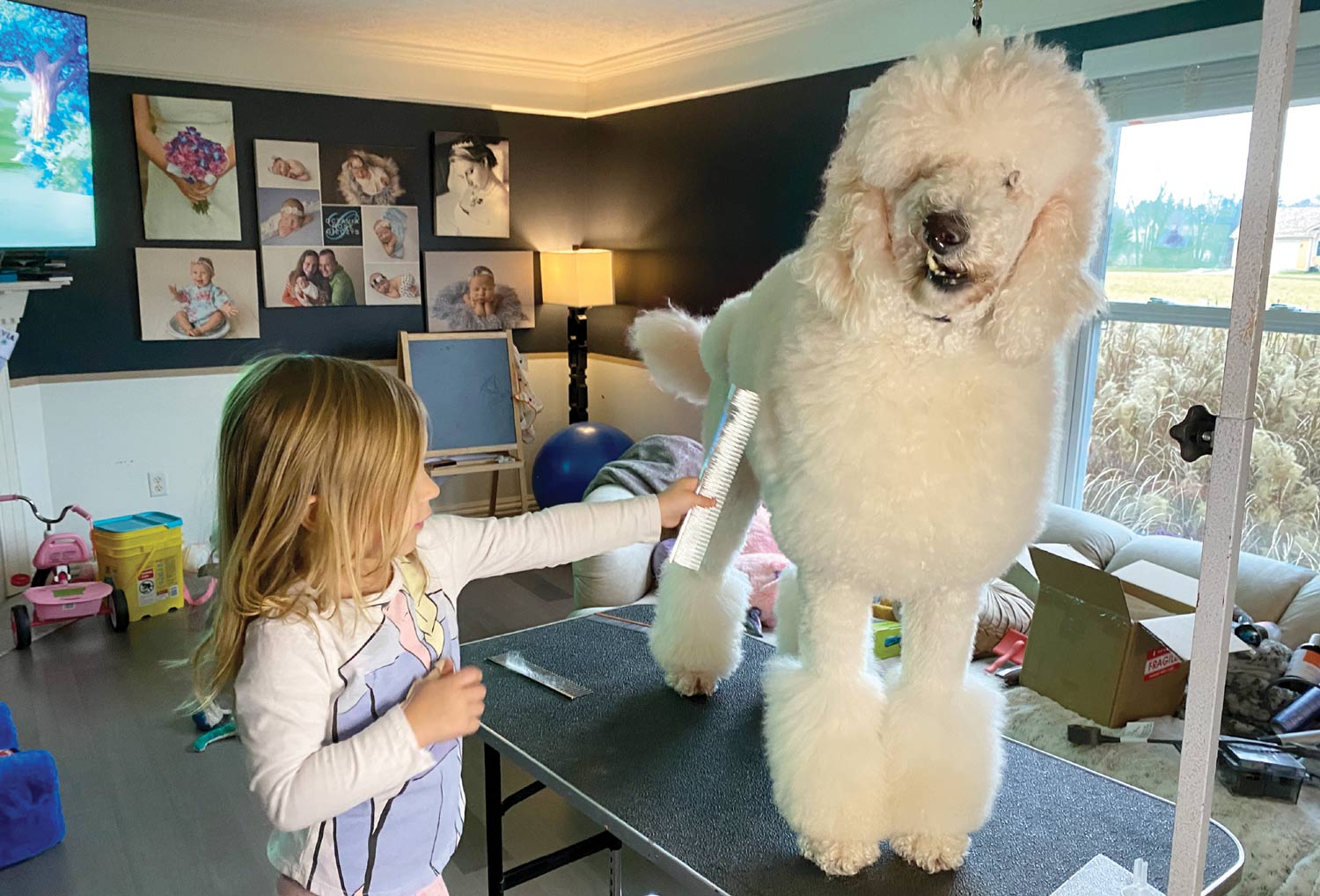
- Pee Wee (Ages 5 to 8): This is a fun, non-competitive introduction to live dogs. Each child enters the ring one by one with a parent or responsible adult to learn basic handling skills in a supportive environment.
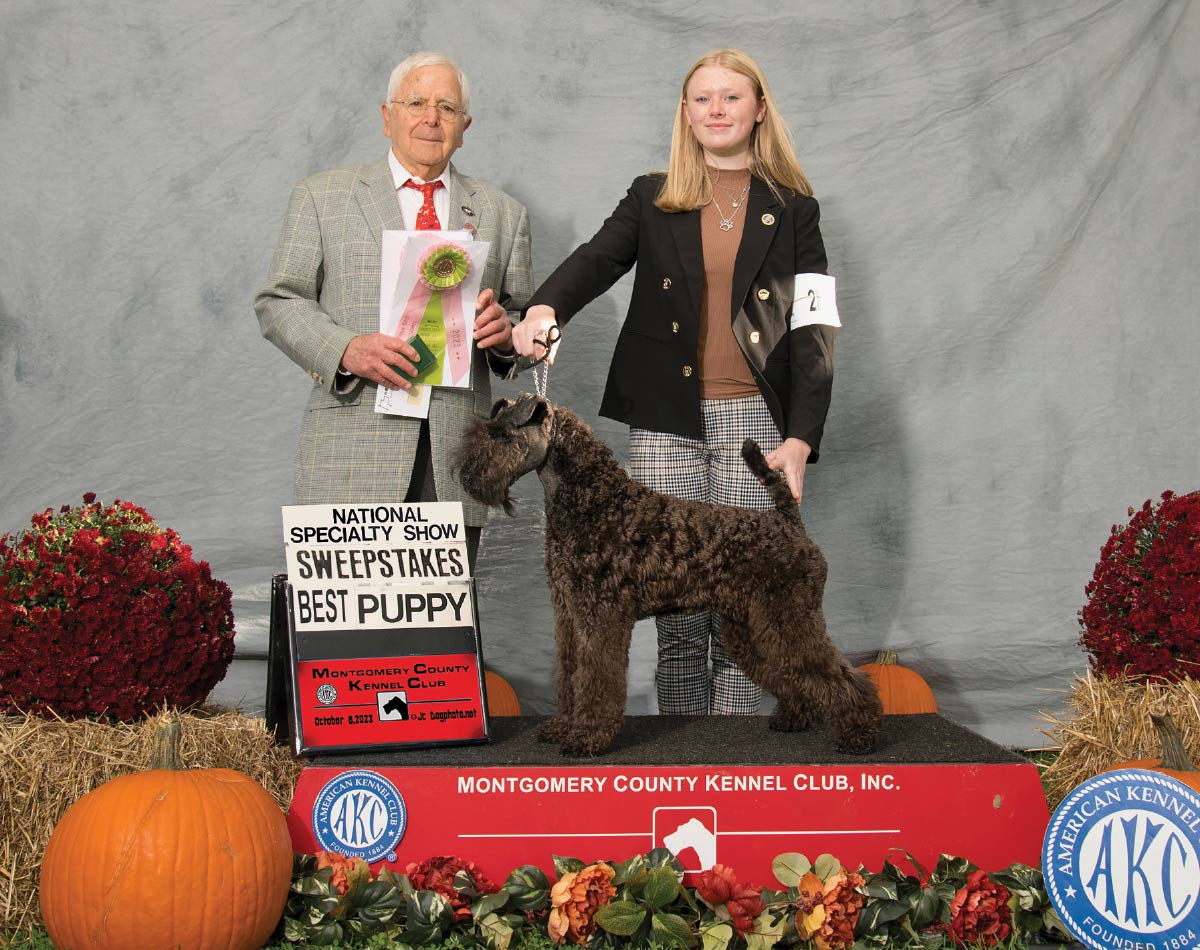
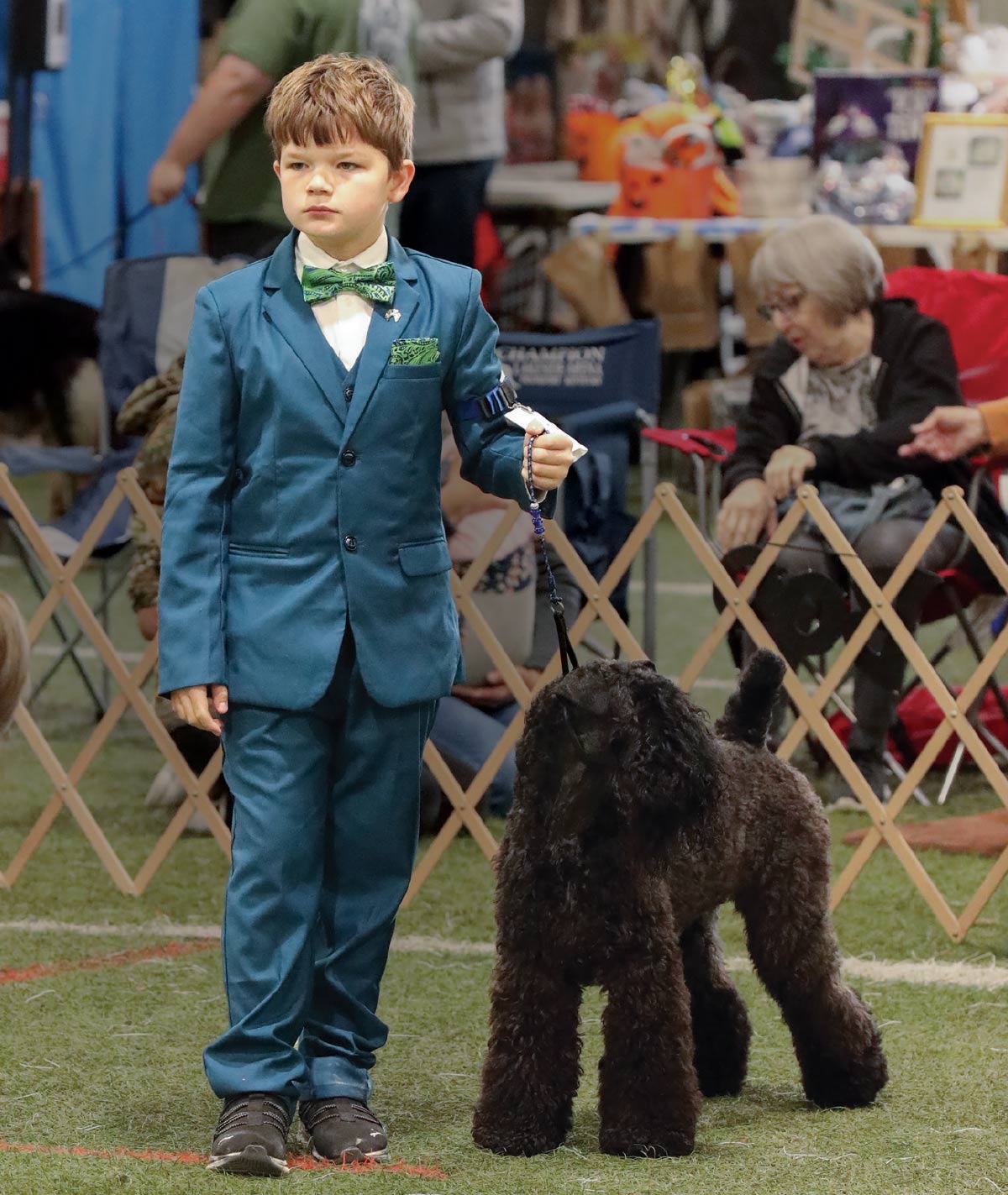
- Juniors (Ages 9 up to 18): This is where the real competition begins. Juniors are judged strictly on their handling abilities, etiquette, presentation and knowledge—not on the physical faults of the dog.
One of the biggest roadblocks for young handlers used to be the AKC’s strict ownership rule. To show a dog in Juniors, the child or an immediate family member had to officially own or co-own the animal. For families without a show-quality dog or the means to buy one, this barrier kept many talented kids on the sidelines.
Thankfully, the AKC permanently eliminated the ownership restriction for Junior showmanship. A Junior can now borrow any registered dog from a supportive mentor or breeder without changing the dog’s legal paperwork. This opens up the playing field endlessly, allowing kids from any background to dive headfirst into the sport.
If your family is completely new to the show world, the idea of jumping into a competitive ring or borrowing a purebred champion can feel intimidating. However, the community is eager to welcome fresh faces. Here is how parents can navigate the gateway into the sport:
- Locate Local All-Breed and Specialty Clubs. Every region has local AKC-affiliated clubs. By searching the AKC club directory online, you can find groups right in your backyard. Attend a local club meeting or an unbenched dog show. Introduce yourself to the club officers and let them know you have a young person eager to learn handling.
- Utilize Specialized Facebook Networks. There are highly active, moderated Facebook groups specifically dedicated to matching Junior Handlers with mentors and breeders (such as “AKC Junior Handlers Info” or breed-specific junior groups). Parents can post a short introduction about their child’s age, location and interest level.
- Source a “Kid-Proofed” Dog. When looking for a loaner dog, parents must prioritize temperament. Children have unique high-pitched voices, and their erratic behavior, sudden movements and quick bursts of energy can easily spook an unsocialized dog. Because of this, it is crucial to connect with local breeders and explicitly ask for a dog that has been intentionally raised, handled and socialized around kids.
- Provide a Support System. The most successful Juniors are the ones whose parents understand ring etiquette. In this sport, the parent’s job is to ensure the child is on time, looks presentable and has the supplies they need—but once the child steps into that ring, the parent steps back completely. Allowing the child to communicate directly with the judge and manage the dog independently is where the real magic happens.
- Fast CAT (Coursing Ability Test): In this sport, dogs sprint one at a time down a secure, fenced straightaway chasing a mechanized lure. It is an inclusive, entry-level sport open to both purebreds and mixed breeds alike. For kids, learning how to handle their dog at the starting line, safely release them, and use precise recall commands to catch them at full speed at the finish line is an incredible rush that builds massive bonds and teamwork.
- Barn Hunt: This sport tests a dog’s nose, speed, agility and surefootedness in a labyrinth of straw bales. Dogs must navigate tunnels, climb obstacles and use their scenting skills to locate live rats safely enclosed in protective, aerated tubes hidden in the straw. Kids learn scent theory, how to read their dog’s subtle behavioral indications when they find a hide and how to communicate effectively under a ticking clock.
Enrolling your child in local Fast CAT or Barn Hunt introduction classes gets them outdoors, keeps both the kid and the dog physically fit, and provides an instant community of active pet lovers.

- Free AKC Professional Handling Clinics: The AKC Registered Handlers Program regularly hosts completely free youth clinics at various dog shows across the country. Top-tier, professional adult handlers volunteer their time to give kids hands-on, one-on-one ring coaching.
- AKC Patch Program: Kids can also complete the AKC Patch Program, which is an interactive educational scavenger hunt designed for Boy Scouts, Girl Scouts and youth groups to earn an official iron-on dog show patch.
- Local Club Mentorship: Youth seminars and competitions put on by breed-specific specialty clubs are built to teach young people all about the unique history and care of the breed, walk them through hands-on handling techniques and let them test their skills in a real ring.
- Community and School Outreach: In a world dominated by tablets, social media and online algorithms, finding ways to genuinely connect with the youth means taking our passion directly to them. As business owners and industry leaders, we can step up by bringing educational days directly to local Girl Scout and Boy Scout troops or public school classrooms.
Topics challenge kids to think like future industry leaders. Juniors might write on prompts like, “How do we educate our community on responsible pet ownership?” while Seniors face high-level questions like, “If you were the president of a national breed club for a year, what three priorities would you implement to secure the future of the sport?”
Because these scholarship funds (and showmanship wins, which can bring in $2,000 to $8,000 a match) are securely held by the organizations and don’t pay out until the child reaches college age, a dedicated kid has nearly a decade to stack multiple awards. By the time they graduate high school, higher education becomes infinitely more obtainable through their own hard work.

This is true in grooming competitions as well. When a child enters a youth grooming competition, they are held to the exact same standards as the adults: the same rules, the same technical expectations and the exact same time clocks. However, providing compassionate mentorship preserves their confidence, ensures they walk away with a new skill and inspires them to keep coming back to compete.
One of the greatest silent crises facing the youth today is the addiction to instant gratification. Social media feeds, video games and streaming apps train young brains to expect immediate rewards with zero friction. If something gets hard, they can simply swipe away. Dog sports and grooming competitions are the ultimate, healthy antidote to this screen-induced vulnerability.
In the ring, there is no undo button. A child can spend months bathing, conditioning, training and practicing with a dog, only to walk into the ring and get passed over by the judge. Learning how to smile, look at the winner and say, “Congratulations, great job,” builds an elite level of mental armor. It teaches children that failure isn’t fatal; it’s just data. It forces them to look inward, analyze what they can improve and develop the grit required to try again. That resilience is a rare commodity in the modern world, and it guarantees they will outpace their peers in adulthood.
When a young teen works on a shop floor, they aren’t just trading time for dollars; they are getting a front-row seat to how a business actually operates. Furthermore, they learn face-to-face customer service. Learning how to greet a client politely, hold a door or safely accept a dog on a lead strips away the social anxiety that plagues so many modern teens. It teaches them that their labor has value and that professionalism matters.
Ultimately, whether a child sticks with animals forever or goes down a completely different career path, exposure to the pet industry provides something priceless: a tangible trade skill and an unbreakable foundation for life. There is immense power in having a practical trade skill to fall back on, even on top of a college degree.
The pet world doesn’t just build better handlers—it builds resilient, resourceful and financially savvy adults. So let’s open our shop doors, share our rings and invite the next generation into this incredible industry. By giving our kids a leash, a brush or a cleaning shift today, we aren’t just teaching them a trade—we are setting them up for a lifetime of success!