





ALSO INSIDE
todd@barkleigh.com
adam@barkleigh.com
gwen@barkleigh.com
rebecca@barkleigh.com
luke@barkleigh.com
laura@barkleigh.com
brandi@barkleigh.com
carlee@barkleigh.com
evan@barkleigh.com
allison@barkleigh.com
james@barkleigh.com
karin@barkleigh.com
presley@barkleigh.com
Daryl Conner
Amanda McGrath
Dr. Cliff Faver
Blake Hernandez
Melissa Viera
- Andis2
- Animal Photography48
- Barkleigh Pet Pro Cruise61
- Barkleigh Store – Groom-O-Grams27
- Barkleigh Store – Matted Pet Release Form63
- Barkleigh Store – Meow Wow56
- Barkleigh Store – The Pet Stylist Playbook11
- Best Shot Pet19
- Best Shot Pet47
- Best Shot Pet – UltaMAX Pro22
- Cosmos Bathing Systems51
- Direct Animal Products23
- Double K Industries3
- Eau Du Bitches45
- Electric Cleaner Company13
- Envirogroom | Special FX Premium Products49
- Evolution Shears7
- EZ Groom Pro39
- Friedman Tax60
- Governor Insurance Agency53
- Groomer’s Choice4
- Groomsoft17
- Hanvey57
- Heiniger41
- IV San Bernard10
- Laube67
- Midmark62
- Mobile Grooming World68
- Odorcide33
- Paragon School of Pet Grooming14
- Pet Boarding and Daycare Expo9
- Pet Boarding and Daycare Podcast25
- PetBizInsurance.com8
- PetLift21
- Poly Pet Tubs32
- Puppy Playground52
- Quadruped Pet Care15
- Thera-Clean43
- Wag’n Tails65
Featured Spotlight Profile
Midmark






























 or decades, cats have been the pet industry’s afterthought—the “self-cleaning” animal that got a nail trim at the vet once a year and little else. However, that era is over. The American Pet Product Association dubbed 2025 and 2026 the “Year of the Cat,” and cat groomers everywhere are seeing profitability levels they never would have imagined a decade ago.
It’s clear cat groomers are an underserved, fast-growing market with far less competition. Three cat groomers from around the country—Jennifer Anderson of The Cat’s Meow Grooming Salon just outside Minneapolis, MN; Kasee Artis of That Cat Grooming in Tucson, AZ; and Kristina Robertson of Barkley Square Grooming in Falls Church, VA—share what it’s really like to build (or add) a cat grooming business, and why they believe it’s one of the smartest moves a groomer can make.
“Nobody was really serving the cats—they were sort of second-class citizens, and I wanted that to change,” states Jennifer Anderson, NCMG.
She now employs four full-time cat groomers, and the majority of her clients come in four times a year specifically to prevent matting in the first place, rather than to fix it after the fact.
“Ten years ago the concept was, ‘cats just clean themselves; they don’t need groomers,’” Kristina explains. “It’s so different now. The cat industry is definitely booming.”
She points to the rise of “catios” and live-in pet sitters as evidence of how much cat owners’ habits have changed.
“For so long cats just didn’t get their due,” adds Kristina.
Kasee Artis, CFMG, started her cat grooming career as a mobile groomer and still operates in that same business model, with appointments booked out four months or longer. She credits cat-only veterinarians for helping her build her client base.
“I visit our local veterinarians about twice a month—not only to advertise and bring in business, but to educate them on proper cat grooming,” Kasee shares.
Part of what’s fueling that change, according to all three groomers, is a new generation of owners—and specifically, more young men adopting cats than ever before.
“We were noticing how many cute, handsome, buff guys come in carrying their cats and are just fawning all over them,” Kristina notes. “They’re so compassionate about how we treat them.”
Barkley Square Grooming started as a dog grooming business, but Kristina recently ran the numbers on how offering cat grooming affects her bottom line. Even though only one of her five groomers works on cats, that specialty brings in about 30 percent of the salon’s total revenue.
“My cat groomer brings in almost more revenue than two dog groomers combined,” she adds.
Jennifer has seen a similar dynamic at her own cat-exclusive salon.
“We charge more,” begins Jennifer. “My pricing is on the high end for our area, but we’re also cat-exclusive—there are no dogs in our facility, so that makes a difference.”
– Kasee Artis
“There just aren’t enough cat groomers out there,” Kristina states. “If someone’s thinking about it, there’s real demand.”
For groomers new to cats, it helps to know what standard you’re working toward.
Kasee offers a clear benchmark for a properly groomed domestic longhair: “The coat should lie flat with no separation or clumping, and a fine-tooth comb should glide through it without catching,” she describes. “Feel-wise, it should be like rubbing your skin right after a shower. It doesn’t get caught on anything; you don’t feel any kind of oily residue.”
Kristina has a broader philosophy: “For dogs, grooming is a necessity, because dogs don’t truly clean themselves,” she explains. “For cats, it’s more accurately described as ‘assistance for an animal that already grooms itself;’ meaning the groomer’s real job is managing stress and preventing problems like matting, greasy coats, and overgrown nails before they become painful.”
All three groomers have one piece of advice for those wanting to get into the cat space: Get real, feline-specific education before you get in the tub.
“You can’t groom a cat like you groom a dog,” Kasee stresses. “Restraint techniques, loops, and forceful handling that work on dogs are inappropriate and often dangerous for cats.”
“Cats have looser skin that isn’t attached to their muscles the way a dog’s is, which lets them twist and react far faster than most groomers expect,” adds Kristina.

“A video or an online course can tell you what to do, but if it’s in person, they can show you how to redirect and how to read certain body language,” Kasee shares.
“Don’t give up on it just because you got bit or scratched,” adds Kristina. “There’s such a need for caring cat groomers.”
All three groomers agree that a phased approach works well, meaning you don’t need to go cat-exclusive to benefit. Jennifer suggests designating a cat-only day or morning at an existing dog salon to remove the noise and stress of barking dogs from the equation. And Kristina’s salon is taking that further by building a dedicated cat room with its own tub to separate cats from the main grooming floor.
The data backs up what these groomers are seeing on the ground: Cat ownership is growing while much of the rest of the pet industry holds steady. A new generation of owners is investing more in their cats’ care than ever before, yet the number of groomers qualified to serve that market hasn’t caught up.
For dog groomers willing to invest in real cat-specific education, the opportunity isn’t just to diversify a client list—it’s to step into one of the most underserved, and increasingly profitable, corners of the grooming industry.

 unning a grooming business means wearing more hats than most people realize. You are not only a groomer, you are a manager, scheduler, customer service representative, sanitation supervisor and much more. On any given day, you may have calmed a nervous puppy, helped a frustrated employee, explained severe matting to a client, answered six phone calls and unclogged a drain—all before lunch.
Whether you are a sole proprietor, salon owner, or operating multiple salons or mobile units, running a grooming business also comes with a host of challenges. One of the most difficult and frustrating issues most groomers running a business admit to experiencing is entitlement.
In a strong salon culture, nobody is “too good” to help or clean. Teamwork means everyone contributes to the success of the whole business. Every task matters because every task affects the pets, the clients and the overall flow of the salon.
Resentment builds when hardworking staff members feel they are carrying the weight for someone else who believes the rules do not apply to them. Unfortunately, technical talent sometimes makes this harder for salon owners to address. A groomer may produce beautiful work and still be toxic to your salon culture.
In fact, some of the most damaging employees are technically talented people who create constant drama, resist teamwork or believe the rules should not apply to them. That’s why you should not hire someone based solely on their grooming ability. One of the smartest things you can do is hire for attitude and work ethic as well.
- Speaking negatively about every former employer
- Focusing only on money or schedule flexibility before asking about their job requirements and expectations
- Displaying arrogance, dismissiveness or exuding drama during the interview process
- Showing little interest in teamwork or salon culture
After you hire someone, having written employee policies helps prevent problems. Every grooming salon should have an employee handbook that clearly outlines duties and expectations. Clear policies eliminate confusion and reduce favoritism. Everyone understands the expectations from the beginning, and accountability becomes much easier.
Unfortunately, though, one of the hardest things for many groomers is saying no to someone. But trying to satisfy unreasonable people creates stress, anxiety and leads to burnout. You have to learn how to protect yourself and your business—and that starts by having policies in place before you book an appointment.
Before accepting a new pet, ask questions such as: Has your pet been professionally groomed before? Does your pet tolerate brushing, nail trims, drying and handling? Has your pet ever bitten someone or shown fear or aggression during grooming? Are there medical conditions we should know about?
Client paperwork is equally important. A signed release form is a must and should address issues such as matting and humane shave-down authorization, senior pets and health-related risks, behavioral issues including biting or aggression, owner acknowledgement of grooming risks, emergency veterinary authorization if needed, and late pick-up, cancellation and no-show policies.
A simple, professional response often works best: “For the safety and comfort of your pet, this is the service I can responsibly provide today,” or “Our policies are the same for every client, and we apply them consistently.”
Losing a difficult client can be a good thing. A business built on fear of complaints eventually stops serving its best clients and starts revolving around its most unreasonable ones.
The strongest grooming businesses are not built by trying to make everyone happy. They are built by creating a culture where clients understand that grooming is skilled professional care, not just a haircut; a culture where your staff understands that every task matters; a culture where boundaries are clear, expectations are known and respect flows both ways.
Every policy you write, every person you hire, every client you accept and every standard you uphold shapes the future of your salon. You already have enough on your plate. Do not allow entitled people to disturb the peace, professionalism and success you have worked so hard to build.

by Chris Anthony
Photos provided by Chris Anthony
 any groomers don’t enjoy grooming cats because they claim they are unpredictable. However, cats are very proud creatures and will 100% tell you what they are feeling. If we are surprised by their actions, we are just not listening.
The first thing to take into account is that a cat is not a dog, and their body language can be much more subtle. Cats speak softly and carry very sharp claws. They are very much like little ladies in fur coats; while dogs can often be calmed down, try telling any woman to calm down after she is already angry.
Communication is also a two-way street. If we understand everything a cat is saying but unintentionally say rude things to them, the situation will probably escalate. What goes over better are combinations of bribery, making them think it’s their idea and vibes.
We know that animals can sense energy, and cats are absolute masters. They know if you like cats in general, them in particular and if you are afraid—and they will 100% use that information. If you don’t like grooming cats, you shouldn’t. Ultimately, it’s not fair to the cats, but it’s also not fair or safe for you. They will sense your dislike and will respond in mean-girl fashion, usually with claws.
This will come in handy when some restraint is necessary, especially when shaving the belly. The underside is a very vulnerable spot and where we need all of our skills and tricks. Less is generally more when dealing with restraining cats. While keeping a cat safe during shaving is vital, just enough pressure should be used to make them feel secure without feeling forced.
Fig. 1 shows a cat looking over the side of the tub, clearly plotting. Hanging onto the edge gives her a sense of control and lets her examine her surroundings more easily. Always watch where they are looking; it often will let you know exactly how and where they are planning an escape. Her ears are back but not flat, which says she is not happy but not angry and can still be sweet-talked through her bath.
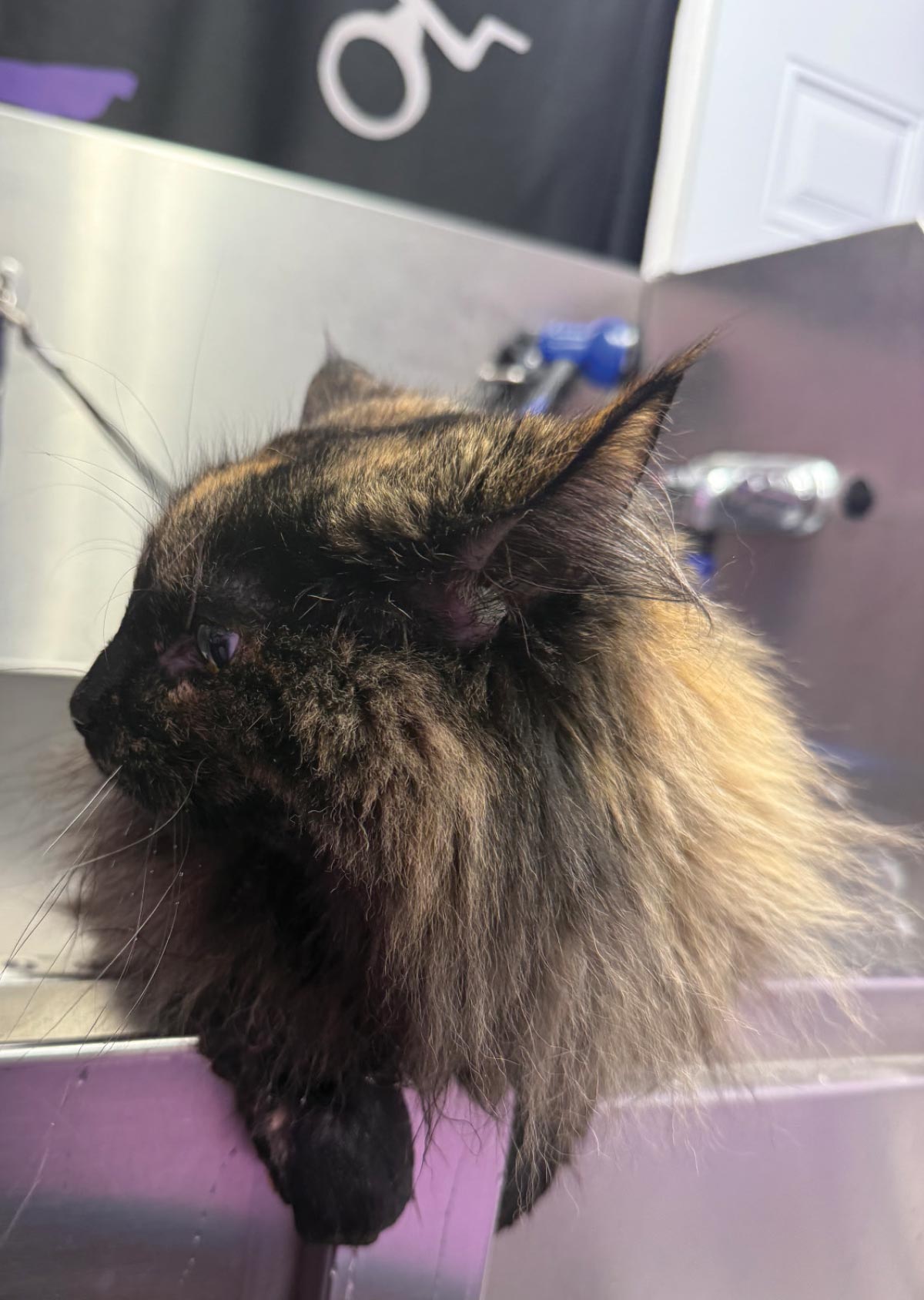
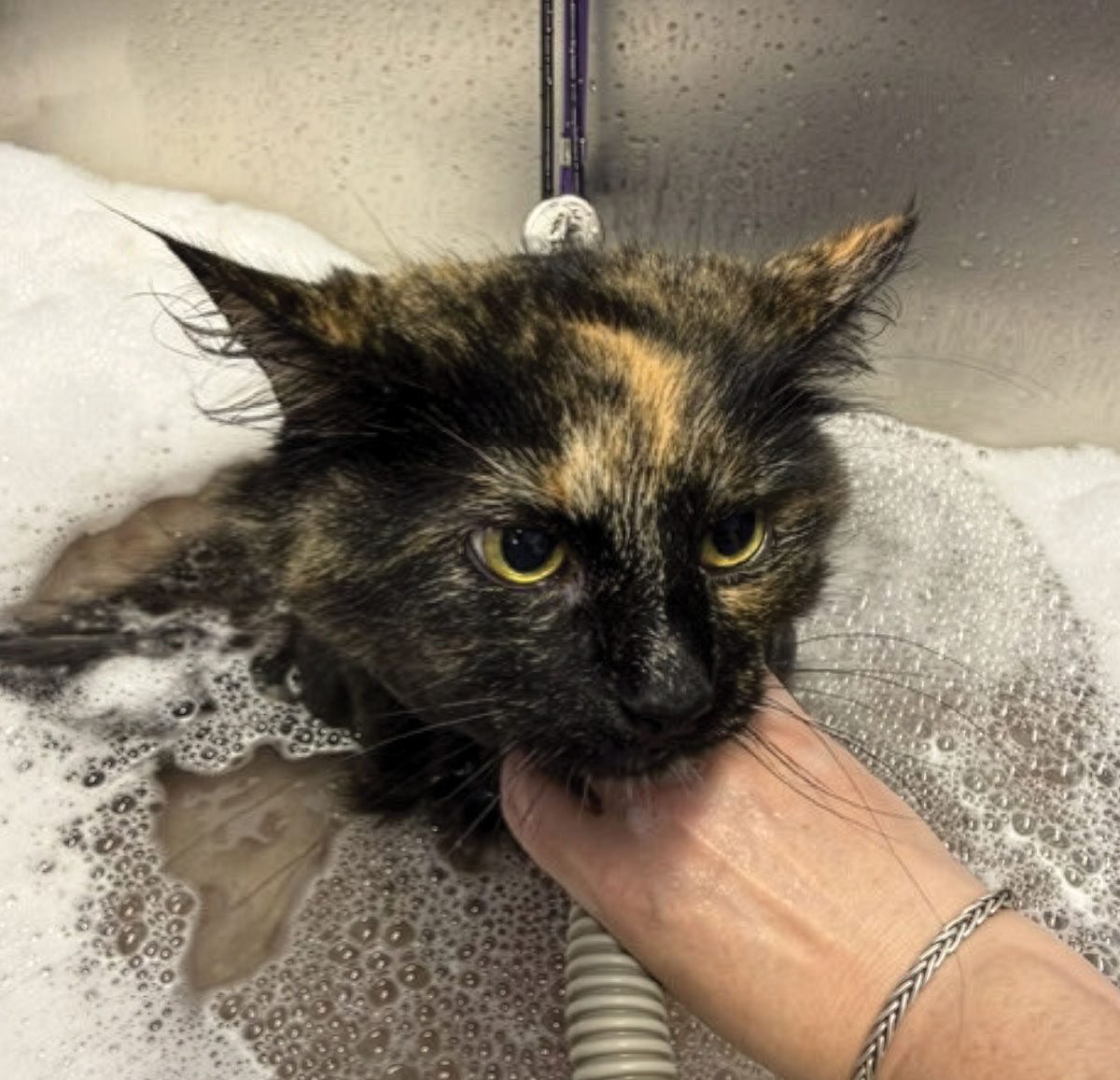
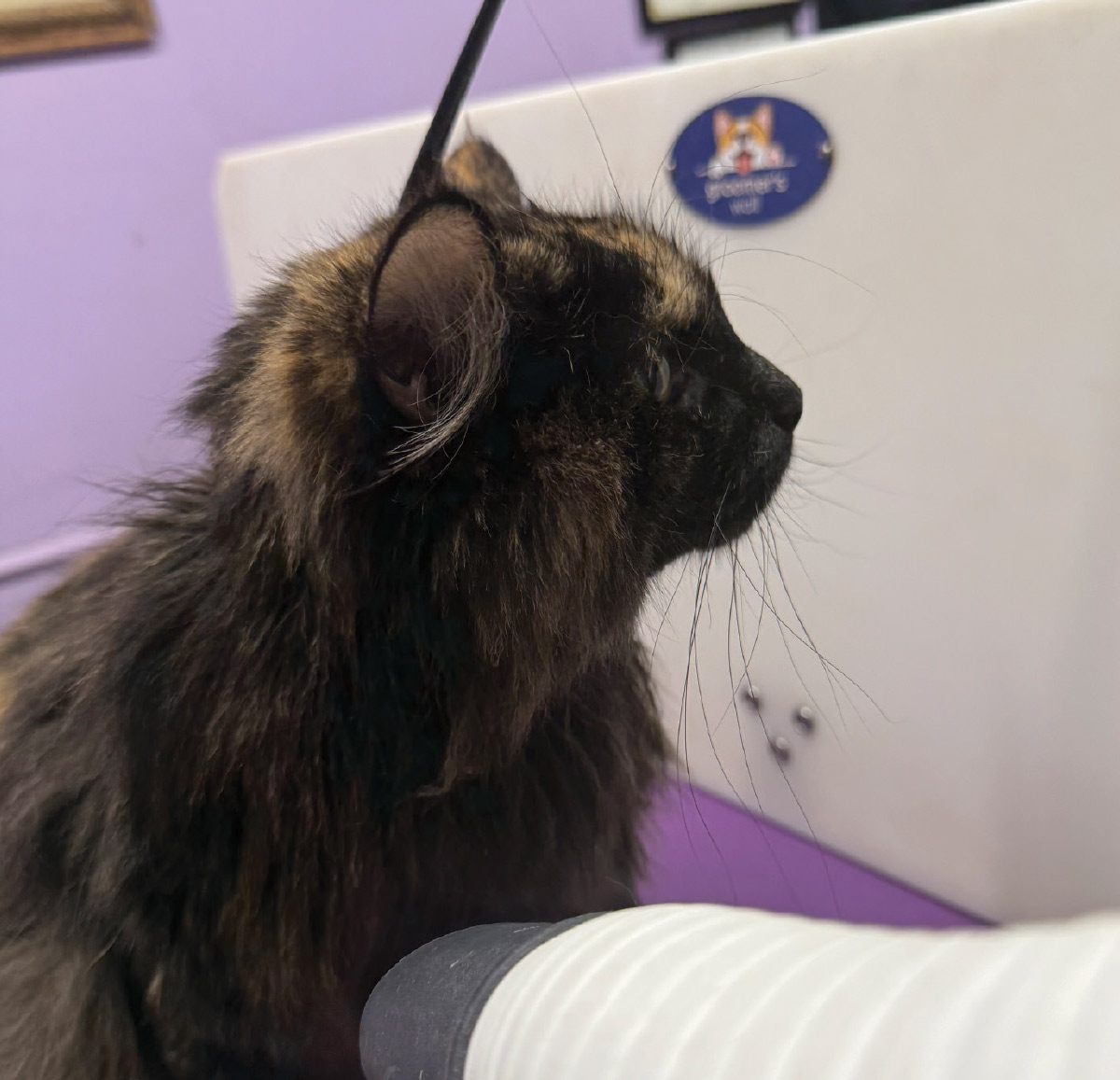

Fig. 3 shows she is calmer out of the bath. A Happy Hoodie was used for the HV portion of the groom and has been removed for the quiter fluff dryer. Her ears are upright, which is a good sign. But follow her gaze; she is actually plotting a failed escape attempt over the wall.
Earning the trust and respect of a cat is not always easy, but it is one of the most rewarding experiences in pet grooming. As long as we remember that a cat is not a dog and treat them with the same respect and gentleness that we want to receive from them, we’re at a great starting place.
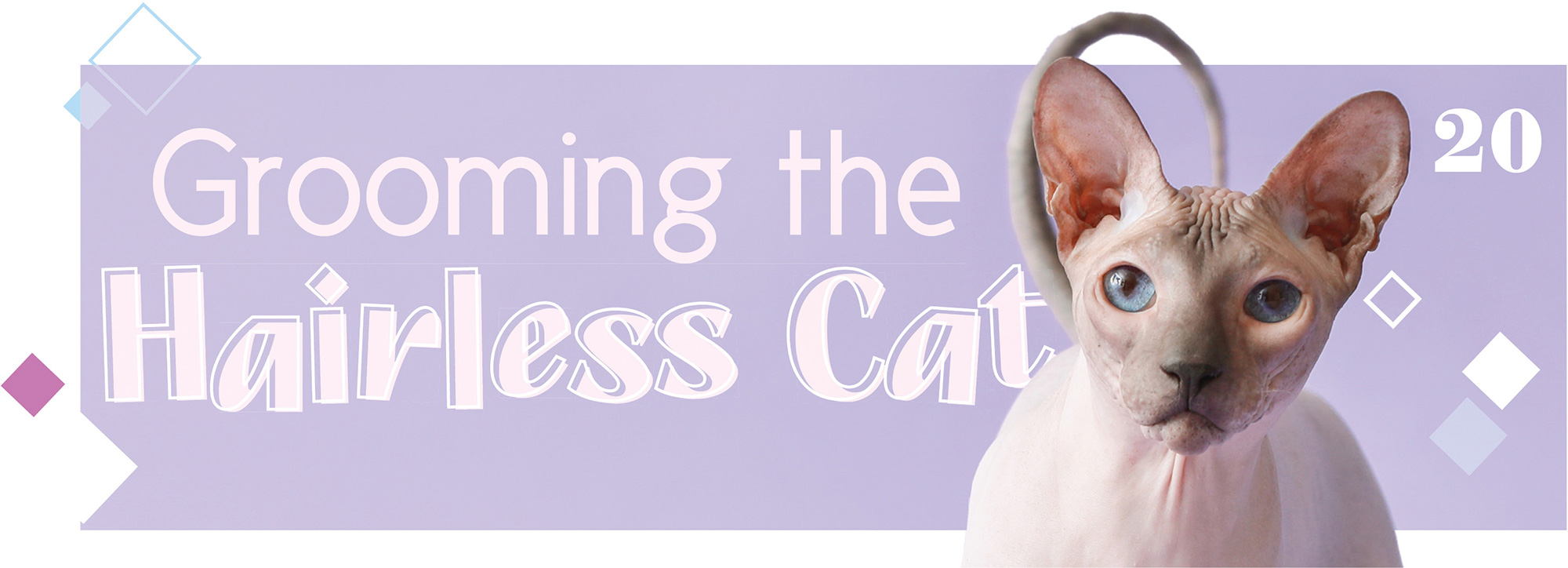
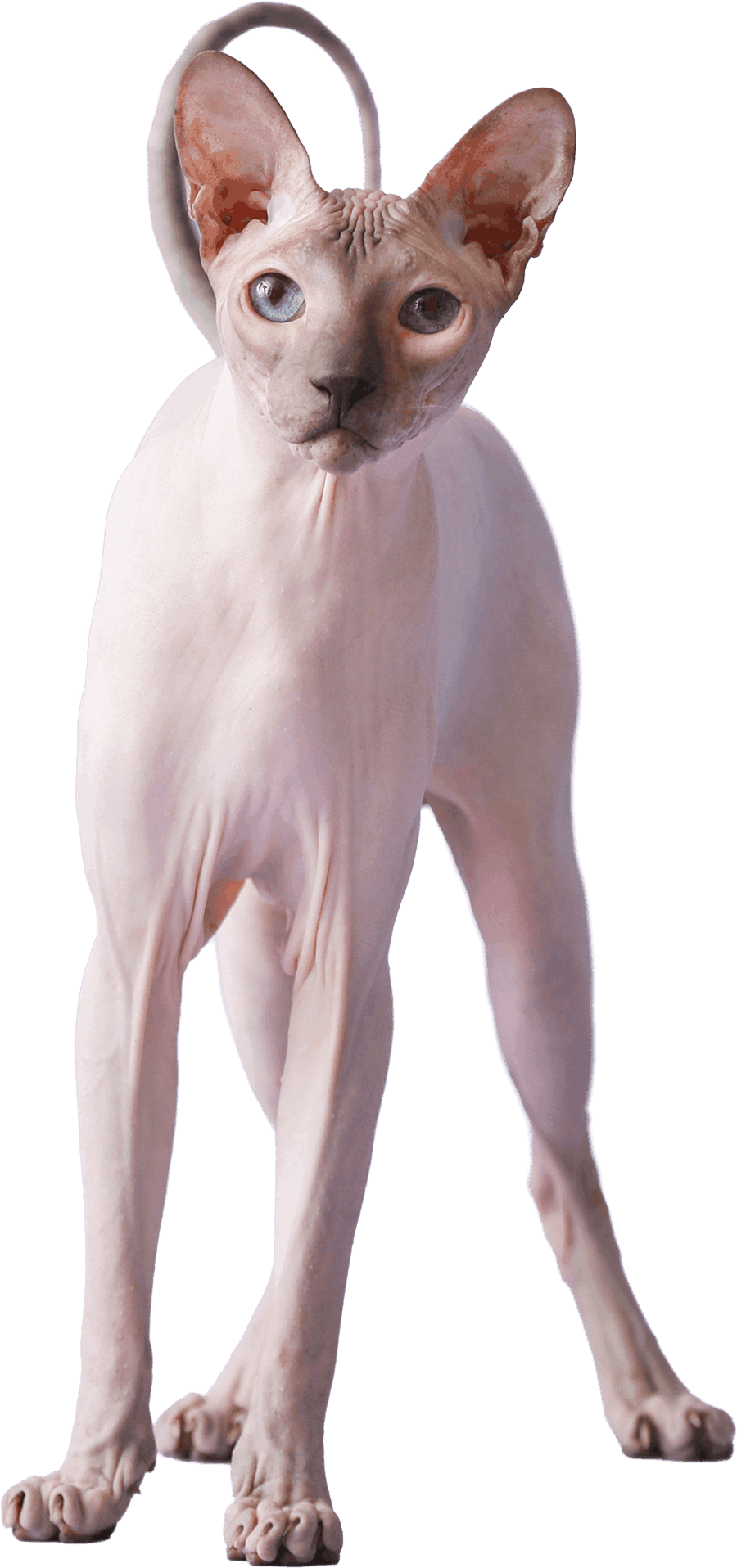
 airlessness in cats is rare but has become a breed-standard coat type for certain cat breeds. The hairless gene in cats occurred randomly and naturally, just as it did in dogs and in many mammalian species. Their distinctive lack of coat means unique grooming routines and specialized products.
The cat breeds most commonly hairless are Sphynx, Donskoy and Peterbald. There is also a hairless cat breed called Bambino, a result of a cross-breeding between hairless cats to a munchkin cat, sadly rendering them with short legs, unable to jump and move about as other cats of normal size and build do.
Hairless breeds have special needs for warmth and soft, immersive bedding. Gentle heating can be helpful. Groomers who take hairless cats in for grooming must be particularly attentive to this issue and provide a warm environment and soft blanket inside their crate.
Some hairless cats can also be prone to certain health concerns such as heart issues. They need a safe and stable environment, protecting them from extreme stress from temperatures, humidity and sun exposure. This, of course, means no high-velocity drying. Regular veterinary check-ups and monitoring is especially important for hairless cats.
Most importantly, though, they must be kept as indoor cats only. And because of their hairlessness, must even be generally kept from sunlight through windows. Sunlight can cause problems with their sensitive skin, including cancer.
airlessness in cats is rare but has become a breed-standard coat type for certain cat breeds. The hairless gene in cats occurred randomly and naturally, just as it did in dogs and in many mammalian species. Their distinctive lack of coat means unique grooming routines and specialized products.
The cat breeds most commonly hairless are Sphynx, Donskoy and Peterbald. There is also a hairless cat breed called Bambino, a result of a cross-breeding between hairless cats to a munchkin cat, sadly rendering them with short legs, unable to jump and move about as other cats of normal size and build do.
Many people also think that they are the right cat for someone with allergies; however, hairless cats have a unique property in their saliva which most people with allergies are highly allergic to. They lick themselves all over, so a hairless cat is not a solution for a person with allergies.
Hairless breeds have special needs for warmth and soft, immersive bedding. Gentle heating can be helpful. Groomers who take hairless cats in for grooming must be particularly attentive to this issue and provide a warm environment and soft blanket inside their crate.
Some hairless cats can also be prone to certain health concerns such as heart issues. They need a safe and stable environment, protecting them from extreme stress from temperatures, humidity and sun exposure. This, of course, means no high-velocity drying. Regular veterinary check-ups and monitoring is especially important for hairless cats.
Most importantly, though, they must be kept as indoor cats only. And because of their hairlessness, must even be generally kept from sunlight through windows. Sunlight can cause problems with their sensitive skin, including cancer.
Some hairless cats will have minimal hairs in some places that need gentle brushing with a soft bristled brush. No metal tools should ever be used. Their hairless skin is known most of all for excreting oils that need frequent bathing and grooming, and they have a tendency to carry yeast in their skin. The cat’s veterinarian should guide how this is handled.
Groomer communication with the owner is critical, as these cats require bathing on a generally-recommended weekly basis, though sometimes this can be extended to once or twice a month in some cats with close monitoring. It might be rare that the owners of hairless cats would be coming to a professional groomer that often for bathing, but if the owner is not trained and willing to do it, this could be the frequency for which our services would be required.
Special wipes are also manufactured strictly for the special needs of hairless cats’ skin and heavy oil secretion. These cleaning cloths should carefully be used around the nail bed, where the nails meet the foot skin, and the nails themselves at least weekly to remove caked-up oil secretions.
Special attention must be paid to the eyes and ears, again using products made specifically for hairless cats because of oil buildup around those areas. The general rule is not to use Q-Tips because it risks injury; just a soft cloth is best for use in the ears.
While many people might think of the hairless cat as an easy-care pet, they are quite the opposite. They are the most loving companions and truly great cats, but are a commitment to specialized, knowledgeable and frequent grooming.


by Keith Loria
Photos provided by ABQ Cat Grooming
 hen Brooke Gabbert opened ABQ Cat Grooming in July 2021, the salon was not quite ready—but the cats certainly were.
Calls began coming in while she was still preparing the space, but rather than make those pet owners wait, she started grooming with one table in an empty room. And many of those first clients remain with her today.
That hurried opening confirmed what Brooke had begun to suspect: Albuquerque needed a salon devoted entirely to cats. However, creating New Mexico’s first feline-exclusive grooming salon would require more than specialized equipment and a “Cats Only” sign.
Brooke also had to introduce many local pet owners to the idea that cats need professional grooming and establish the trust and boundaries necessary to do that work safely.
“When you bring cat grooming into a city, you are creating a new customer culture,” explains Brooke. “People are used to holding their cat and calling the shots. I had to get them to understand that I needed them to let go so the cat could see that I had control.”
She had spent much of her life preparing for this challenging work, though. Brooke’s best friend’s mother operated a home-based grooming business, and she began helping there at just 12 years old. So, she became comfortable in a grooming shop long before choosing it as a career.
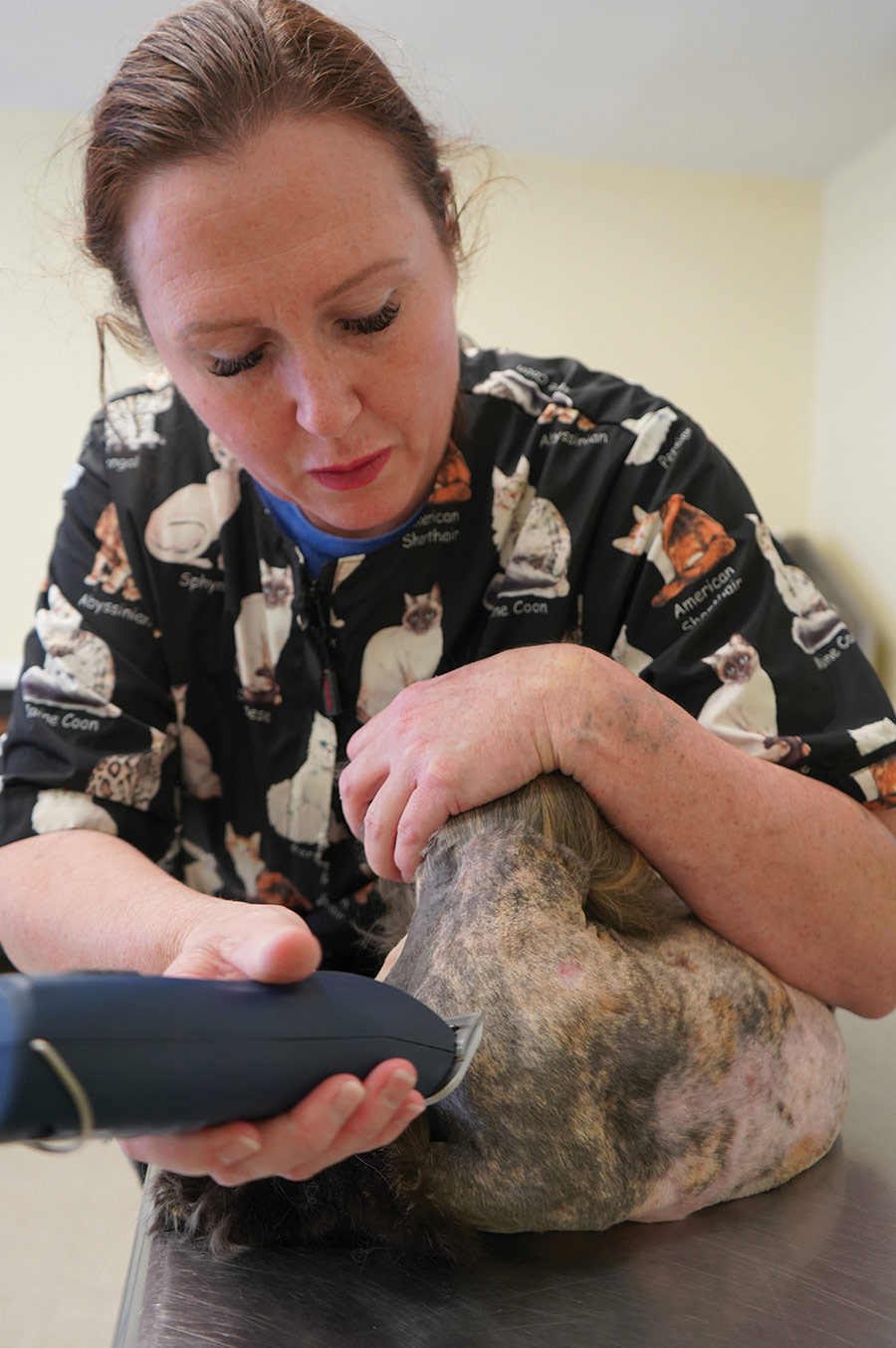
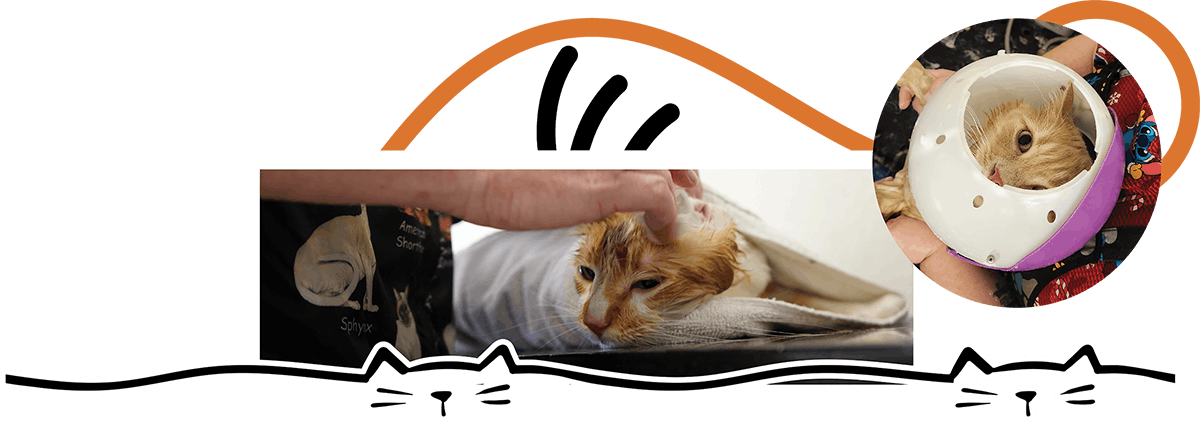
“I was one of those dog groomers who did one or two cats a month and called myself a cat groomer,” admits Brooke. “Then I started talking to actual cat groomers and realized, ‘Oh, we are not the same.’”
Although she completed the grooms, Brooke began to see how much more she needed to learn about feline behavior, efficient handling and coat care. That realization led her to pursue a Certified Feline Master Groomer designation through the National Cat Groomers Institute.
“I’m glad I did a few years of training and got my CFMG before I opened,” she shares. “The first two years of a business are hard, and a lot of people are not ready for that.”
The education also revealed a talent she had not known she possessed. Brooke, who once considered herself more of a dog person, discovered that she read cats well and could work without unnecessarily escalating their stress.
“I didn’t know I would be so good at it,” she exclaims. “They liked me. I didn’t upset them. Working with them is what made me love cats.”
Cats shape nearly every aspect of ABQ Cat Grooming, from the salon layout to its service standards. Their philosophy begins with correcting a persistent misconception: Cats may lick themselves, but licking is not grooming. A cat’s tongue cannot remove every mat, degrease an oily coat, trim an ingrown nail, or address many skin and coat concerns.
Every cat at ABQ is bathed and fully dried. Depending on the animal’s needs, services can include nail care, de-shedding, mat and tangle removal, sanitary trim or a full haircut. The salon is especially known for comb cuts—also called plush or teddy-bear cuts—as well as rounded faces and their work with Persians.
“We expect ourselves to do 100 percent of the job, just like any other grooming shop,” Brooke explains. “We do everything a dog shop does; we just do it with cats.”
That commitment includes working with cats that do not immediately cooperate. Instead of rejecting a cat simply because it is difficult, Brooke looks for a safe path forward. That may mean changing the handling strategy, conditioning the cat over repeated visits or, when necessary, recommending veterinary assistance.
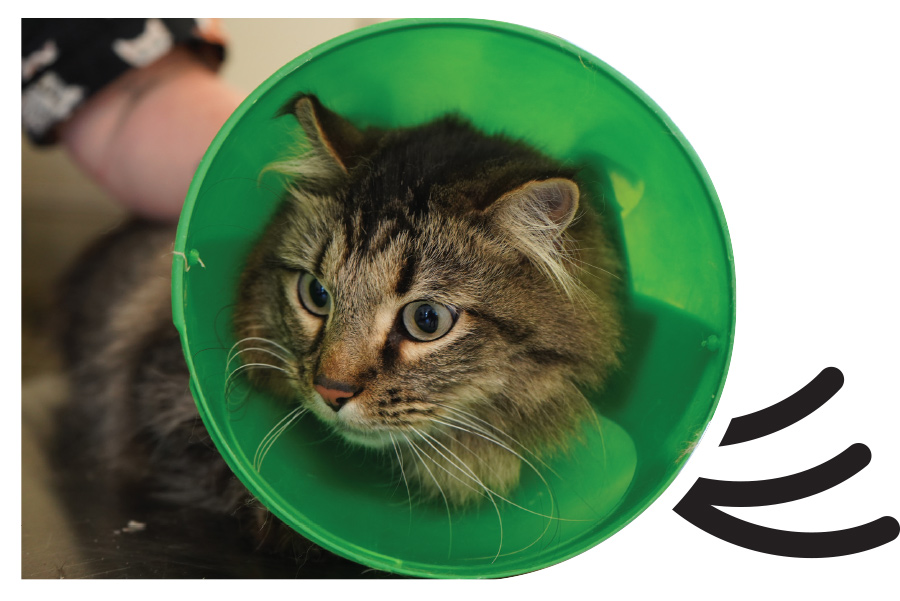
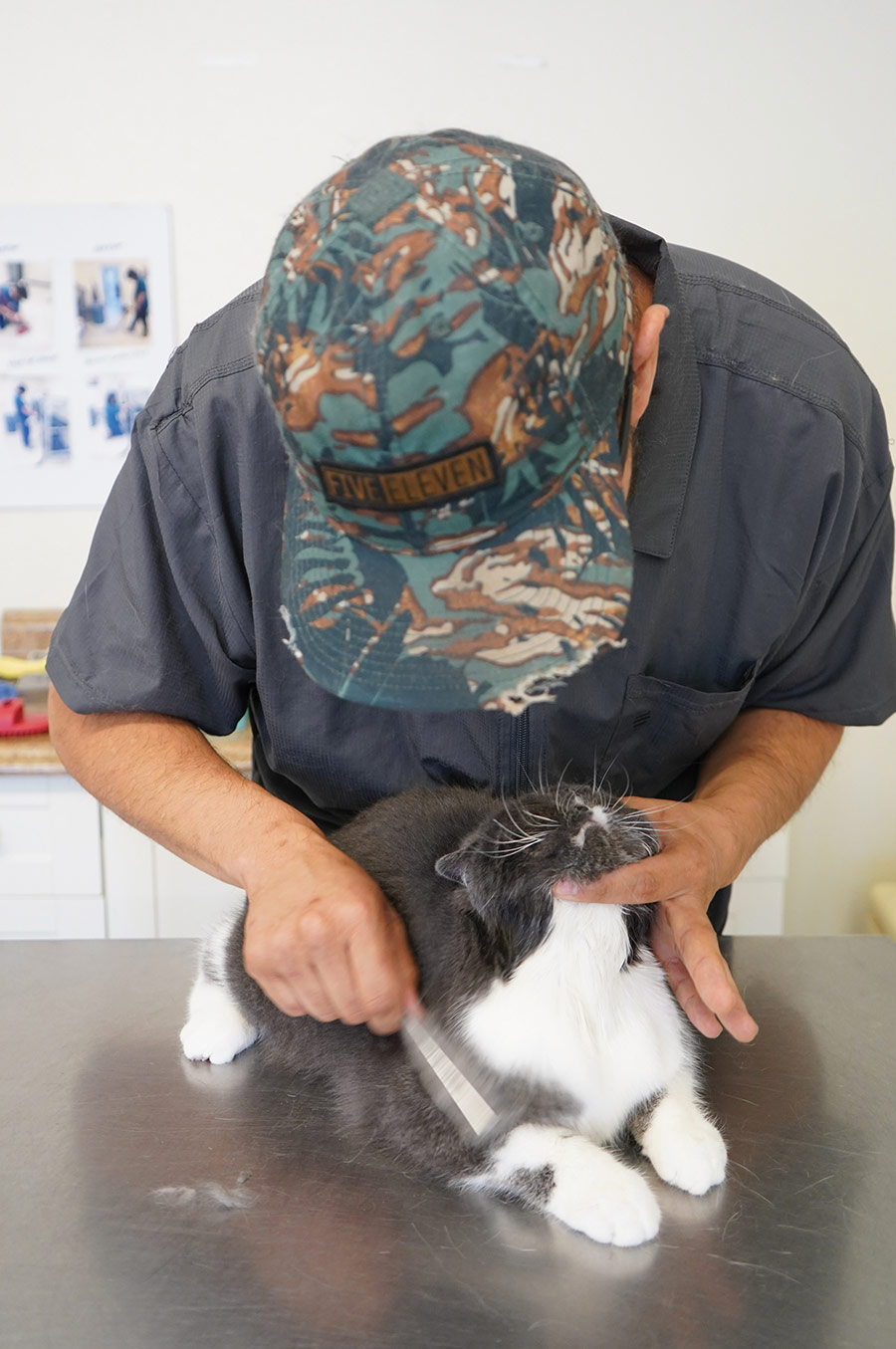
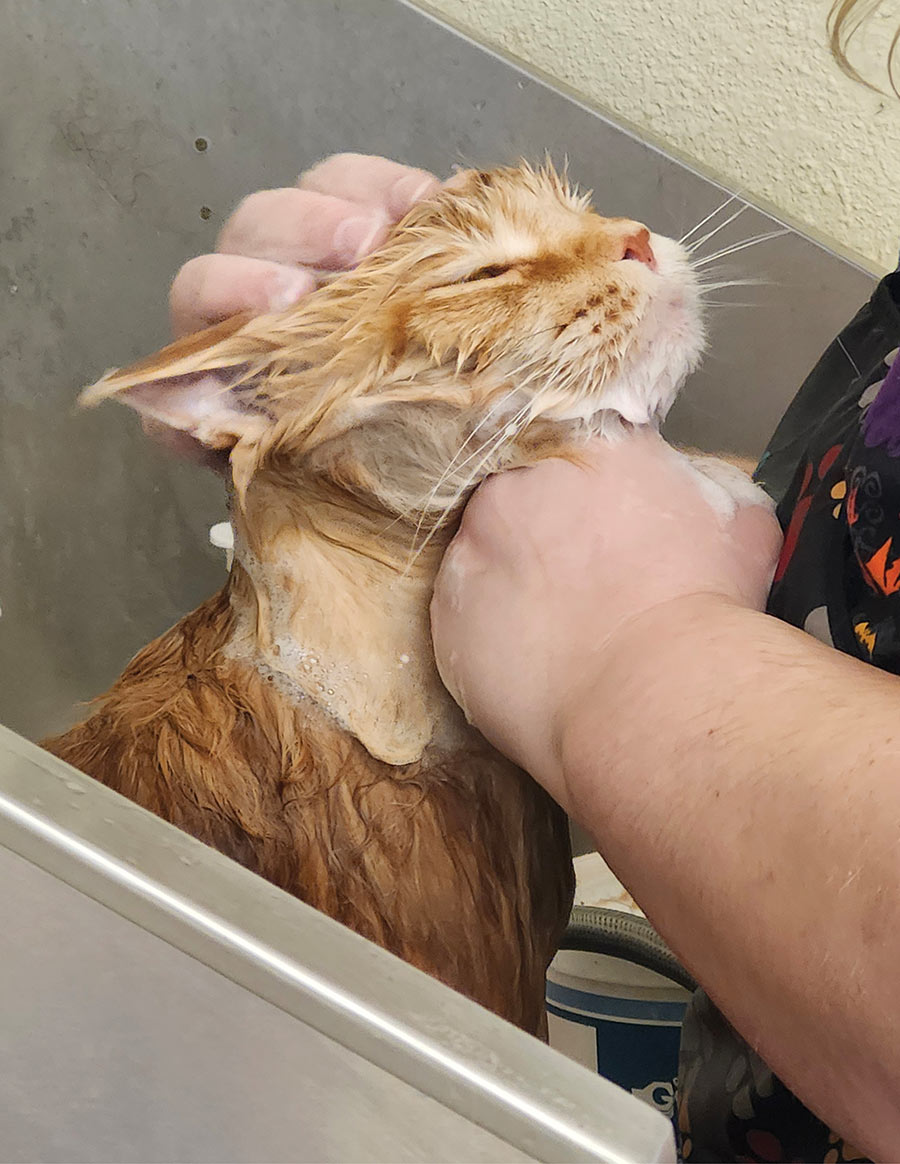
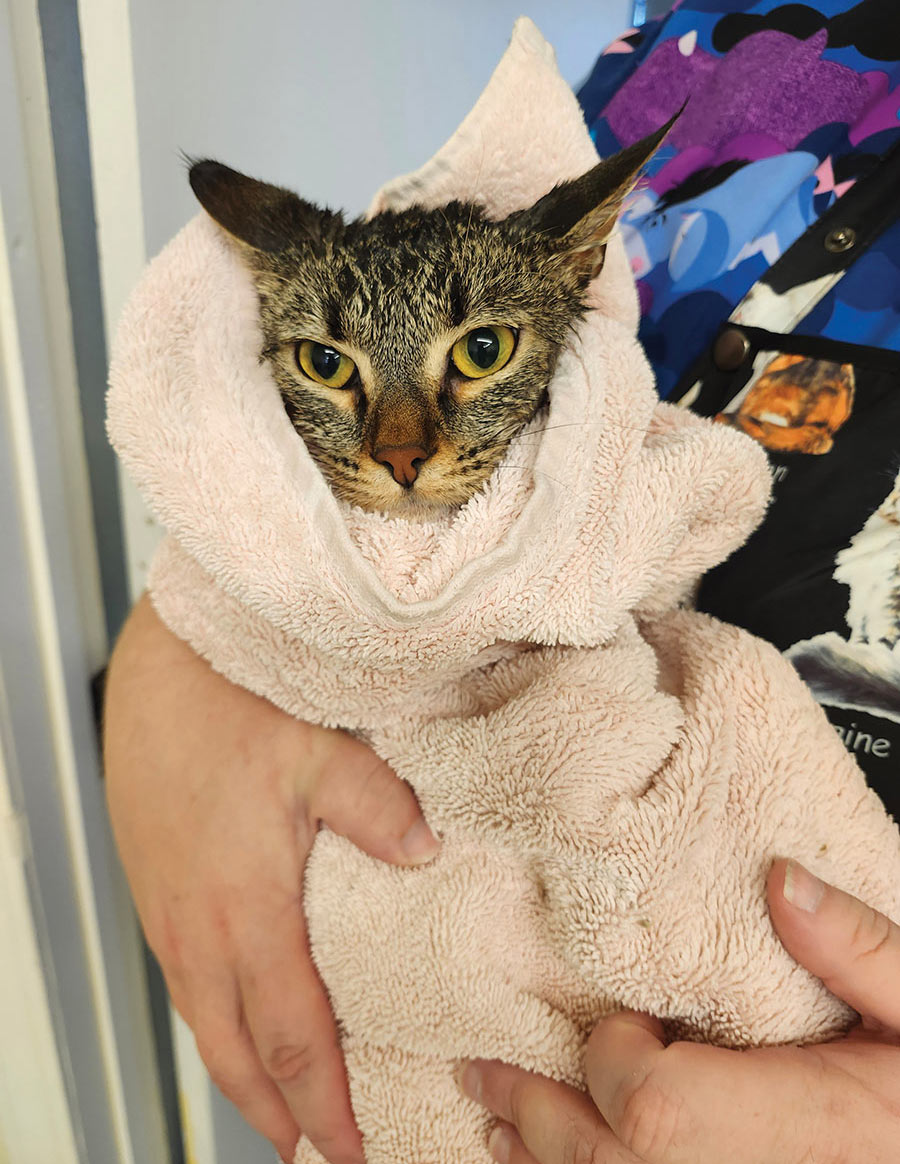
Brooke’s handling relies on observation and constant repositioning, which can interrupt a building reaction before it becomes a larger struggle. The salon is arranged so a cat that slips free cannot travel far. If one becomes highly agitated, she would rather release it briefly and retrieve it calmly with a towel than risk injury by fighting to maintain a hold.
“With cats, it is repositioning, repositioning, repositioning,” Brooke explains. “They have to rethink what they are going to do next. Most of them will stay there, and the regular ones know: ‘OK, it is grooming time.’ They might growl because they are cats and that is how they react, but they stay and do their groom.”
Regular appointments make a noticeable difference. That is why educating owners about maintenance is not only a coat-care issue; it protects the cat and the groomer. For Brooke, establishing those expectations took resolve.
Early on, some owners wanted to remain in the grooming area, grab their cats or dictate which safety steps Brooke could perform. She learned that accepting every demand could undermine the very experience clients were paying her to provide.
“I had to stand by my decisions,” she says. “I have sent people away when they did not trust me. If you don’t trust me, don’t come see me.”
Brooke also learned to distinguish between clients seeking an ongoing professional relationship and those treating a long-neglected groom as a next-day emergency. The latter appointments can be physically taxing and difficult to work into a full schedule of established cats. So, she began prioritizing patient owners willing to follow a routine, and those clients became the foundation of ABQ.
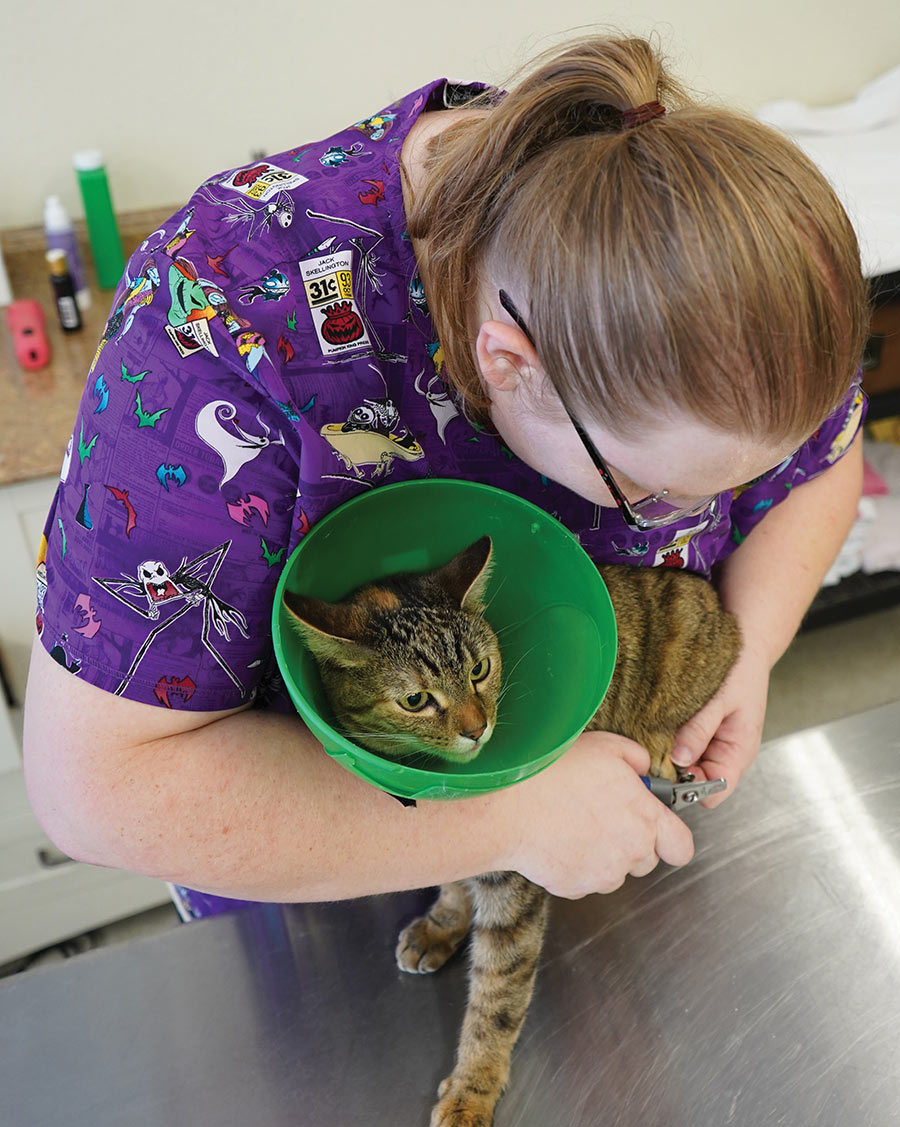
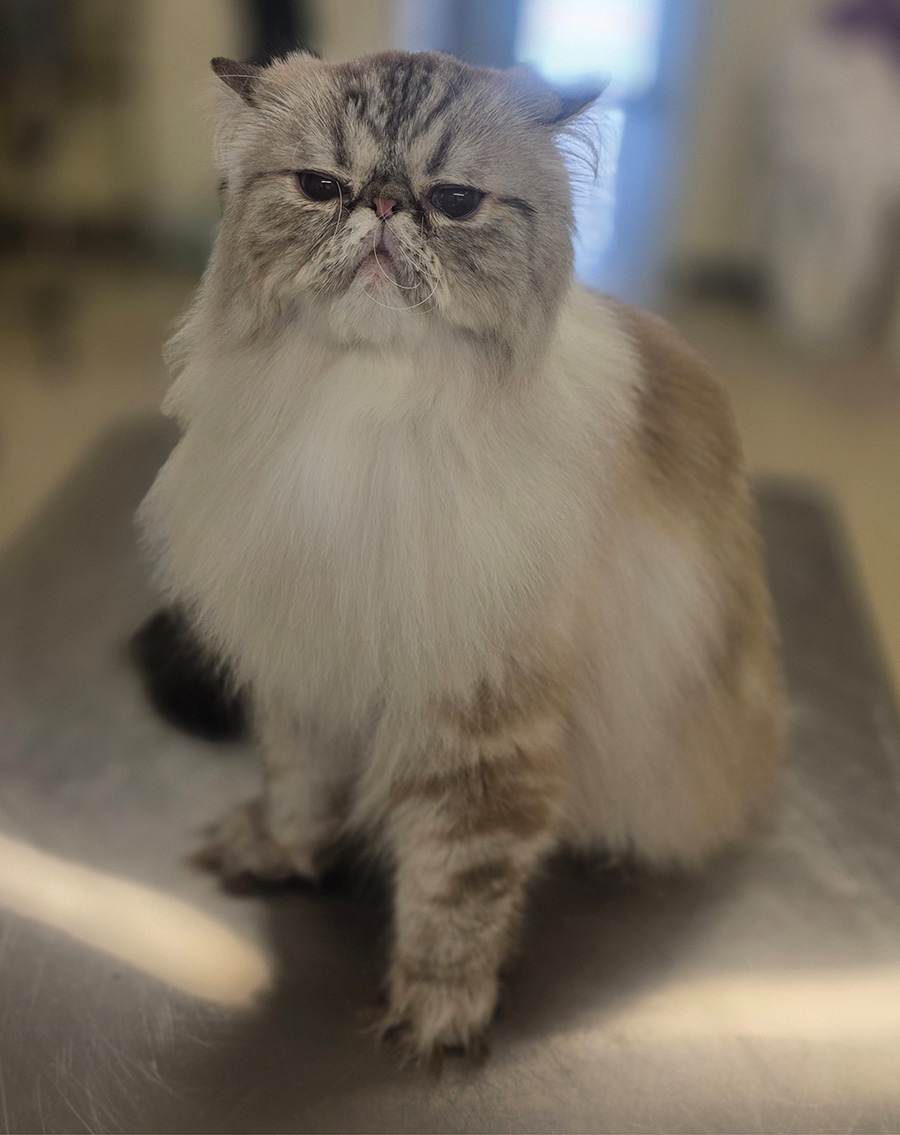
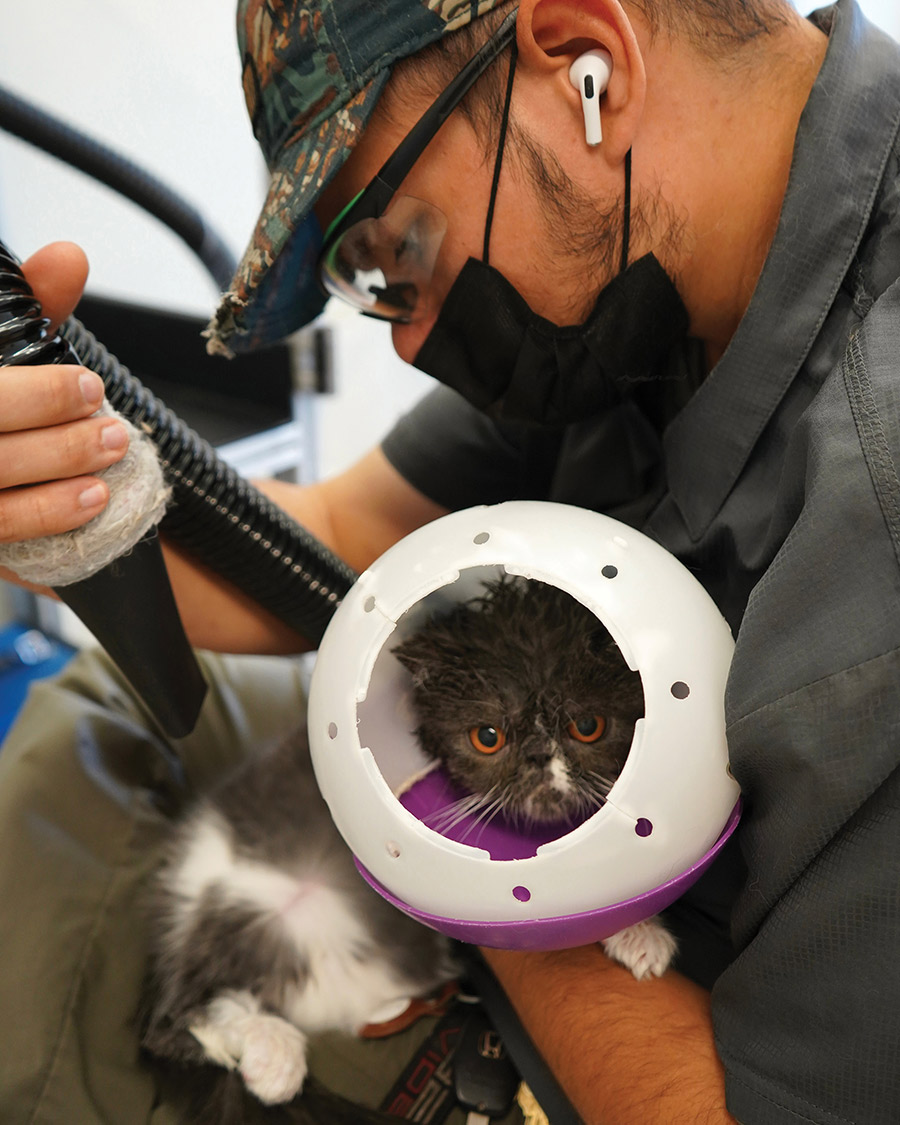

ABQ Cat Grooming began as a one-woman operation, but Brooke now has two assistants who have worked alongside her for approximately three years and are beginning to groom. Building the team slowly allowed her to master her systems, then teach people to read cats and support the process without adding stress.
With one assistant helping with drying and finishing, the salon can groom about 10 cats in a day. Still, volume is not Brooke’s only measure of a healthy business. ABQ is open four days a week, and she intentionally works part time.
“I am always trying to prevent burnout before it happens,” she justifies.
That mindset was shaped partly by the physical toll of accepting too many irregular, high-stress appointments. When Brooke began noticing signs of tendonitis, she reconsidered how she scheduled demanding cats and where she needed firmer limits. The result is a business that supports a different lifestyle than the one she experienced as a dog groomer, and a model she hopes her employees can benefit from as their skills grow.
The next chapter for ABQ may include boarding, an expansion Brooke has considered for some time. Her more immediate priority, however, is developing her assistants into confident feline groomers who can work independently. That would increase ABQ’s capacity without making growth dependent on Brooke spending every work hour at the table.
Her advice to groomers considering a similar leap is candid: Feeling overwhelmed at the beginning does not mean the idea is failing. Competence and confidence are built through controlled, repeated experience, along with the willingness to adjust policies when the work begins taking too great a toll.
“There are moments when you think, ‘I cannot do this,’ and that is normal,” Brooke empathizes. “You may be scared for a few days or feel hesitant, but you can push through it. It gets better. It can actually get easy if you keep at it.”
ABQ Cat Grooming has come a long way from one table in an empty room, but the principle that continues to fill the appointment book has not changed: Cats deserve complete, professional grooming, and the people providing it need the training, trust and boundaries to do the job well. By building this principle into her feline-exclusive model, Brooke has created a salon where cleaner, more comfortable cats are more than a slogan; they are the business.



 rowth is exciting, but it also exposes weaknesses. Informal pricing, inconsistent expectations, unwritten policies and unclear responsibilities become more costly as the team expands. A grooming business does not need every system perfected before it grows—it needs an operational foundation that supports growth. The following four practices can help owners create a business that is profitable, consistent and less owner-dependent overall.
A target profit margin of at least 15 percent, with 20 percent preferred, gives a business room to build reserves. Profit should not automatically become additional owner compensation. Retaining it helps prepare for repairs, staffing interruptions, slower periods and other surprises. For a growing grooming company, $50,000 can be a meaningful first reserve goal.
Pricing should also be tied to realistic productive time. Calculate what the company must earn during an actual grooming hour—not a perfect day at full capacity. Allow for cancellations, callouts, slower days and normal disruptions, then estimate each service’s time and build the price from that hourly target. Size, breed, coat type, condition, behavior, age and health concerns can all affect the time required. When something adds meaningful time, it should be reflected in the schedule and price.
Before raising prices, owners should reduce preventable waste. Clients should not absorb expenses the company could have corrected internally. A full calendar can create revenue, but only sound operational math can turn that revenue into a stable, scalable business.
Pace is part of the job. Groomers will naturally work at different speeds depending on their experience, the service being performed, the dog’s behavior and the level of care required. However, every business still needs realistic service-time standards that support its scheduling and pricing model. Coaching, hands-on training and working alongside an experienced groomer can help many employees improve.
Some employees, however, may not be able to meet the standards required by the role. After expectations have been clearly communicated and they have received training, feedback and a fair opportunity to improve, management may need to determine whether the employee is the right fit. That decision can be difficult, but avoiding it can affect clients, coworkers, the schedule and the financial health of the business.
Consistency begins with hiring, but it is built through structured onboarding. Written training, check-ins, shadowing and a gradual transition to independent work help employees understand the standard. Manuals are useful, but expectations become clearer when employees see them modeled, practice them and receive feedback in real situations.
No company can anticipate every situation it will face. When a new problem reveals a gap in policies or training, leadership should develop a solution, document the new standard and train the team. Clear expectations give employees the opportunity to succeed and management the clarity to act.
A useful matting policy should define how much basic mat removal is included, when additional time must be charged and when prolonged dematting must stop. The employee-facing policy should explain what to do and when fees apply. Client communication should explain the coat condition, likely result, possible charges and why a shorter haircut may be safest.
Once matting becomes a company standard instead of a personal negotiation, groomers can communicate more confidently, fees can be applied consistently, pets will be better protected and fewer appointments become major delays.
The same principle applies to cancellations, fleas, rescheduling, start times, callouts, make-up days and client communication. Without shared standards, every recurring problem becomes another personal decision.
Empowerment requires more than permission to make decisions. Employees need training, authority, access to information, enough time to handle the responsibility and a system for documenting what has been done.
Delegation also has a financial side. Owners should consider what their time is worth. If leadership is handling work that could be taught to a capable employee in a lower-cost role, hiring support may be the better decision. The owner’s time can then go toward strategy, growth, leadership development and financial oversight.
Standard operating procedures and contingency plans are essential for owners who want to take a real vacation. The business should be prepared for equipment failures, lost production capacity, adverse weather, injuries, resignations and other disruptions. Plans should identify who makes decisions, what steps to follow and when to contact the owner.

Scaling a grooming business can be difficult, but it can also be incredibly rewarding. Owners do not need every system perfected before taking the next step; they need to look honestly at what growth is exposing.
Review the numbers, clarify expectations, turn recurring problems into policies and give capable people real responsibility. Pick one area creating friction today and begin strengthening it. Every system improved creates more stability for the team, more freedom for the owner and a stronger foundation for the next stage of growth.
Alex Bergstresser is the founder of Truebridge Firm, an operations consulting company serving growing grooming and pet-service businesses. After helping scale a mobile grooming company from one vehicle and one groomer to five vehicles, more than 25 employees, and $1.5 million in annual revenue, Alex now helps owners strengthen pricing, scheduling, staffing, policies, and financial visibility while reducing owner dependence. Truebridge works with businesses that have outgrown informal processes and need practical, customized systems to support sustainable growth. Alex’s approach combines firsthand operational experience with clear, actionable guidance for day-to-day operations. Learn more about Alex and Truebridge Firm at truebridgefirm.com.

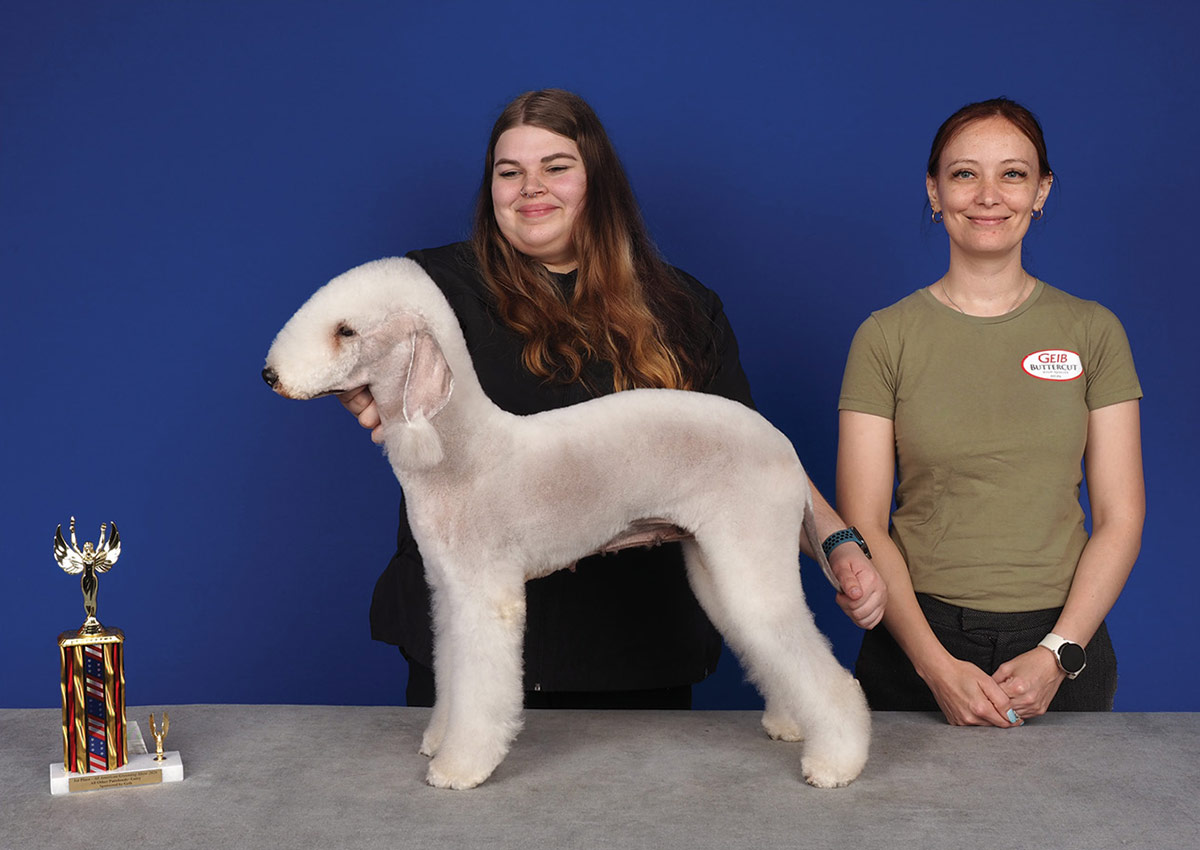
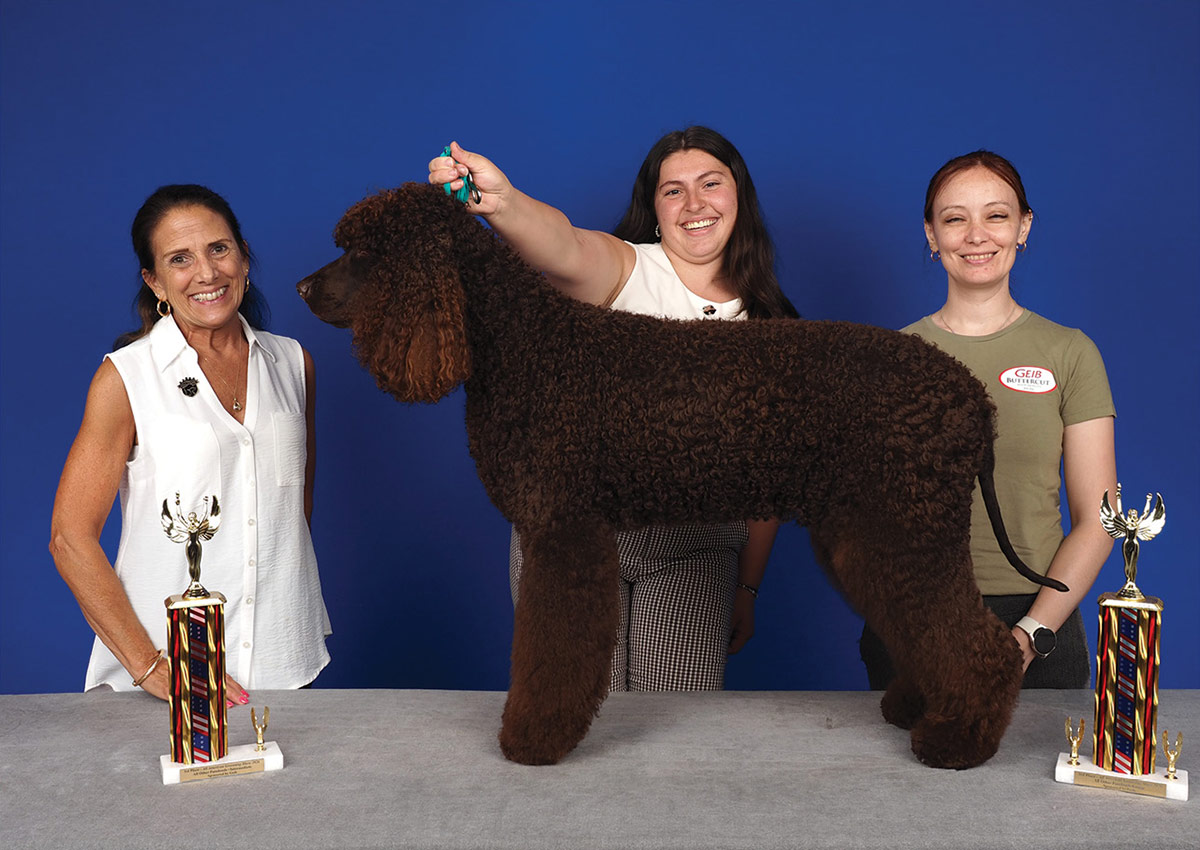
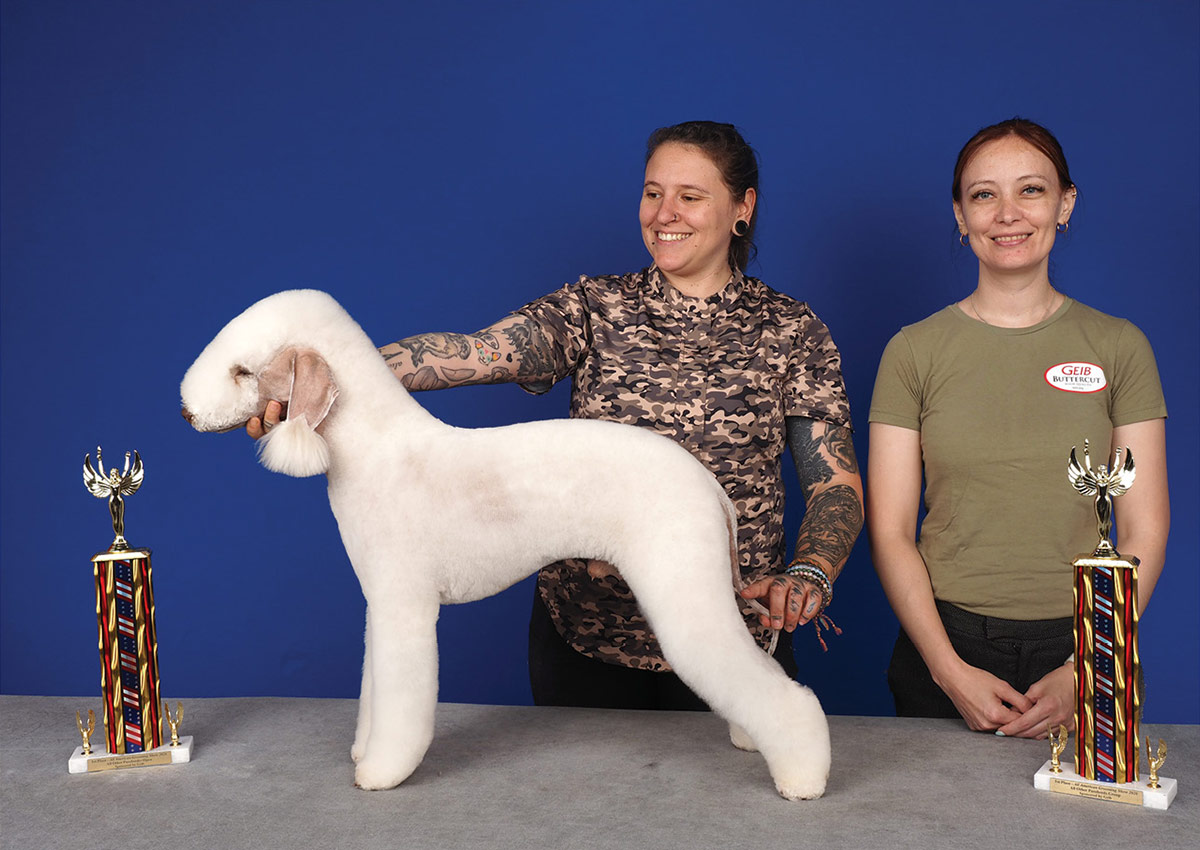
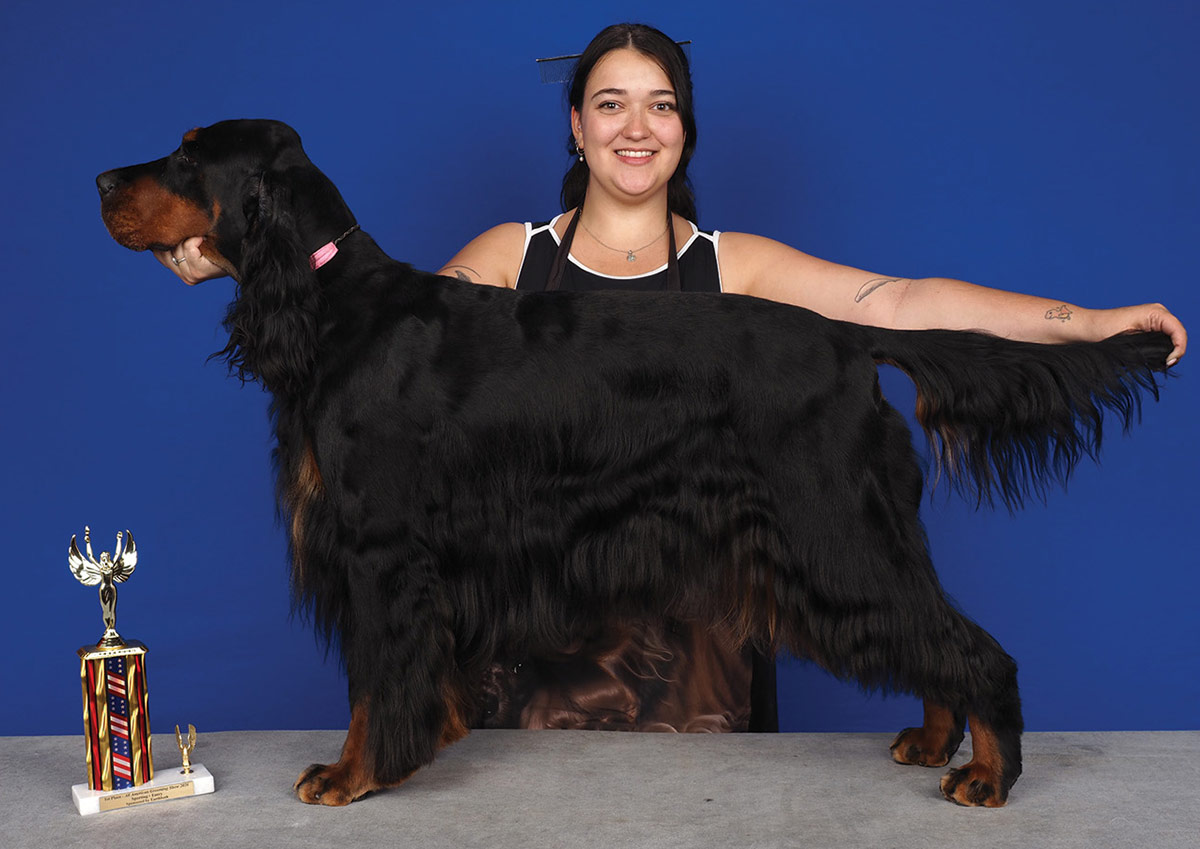
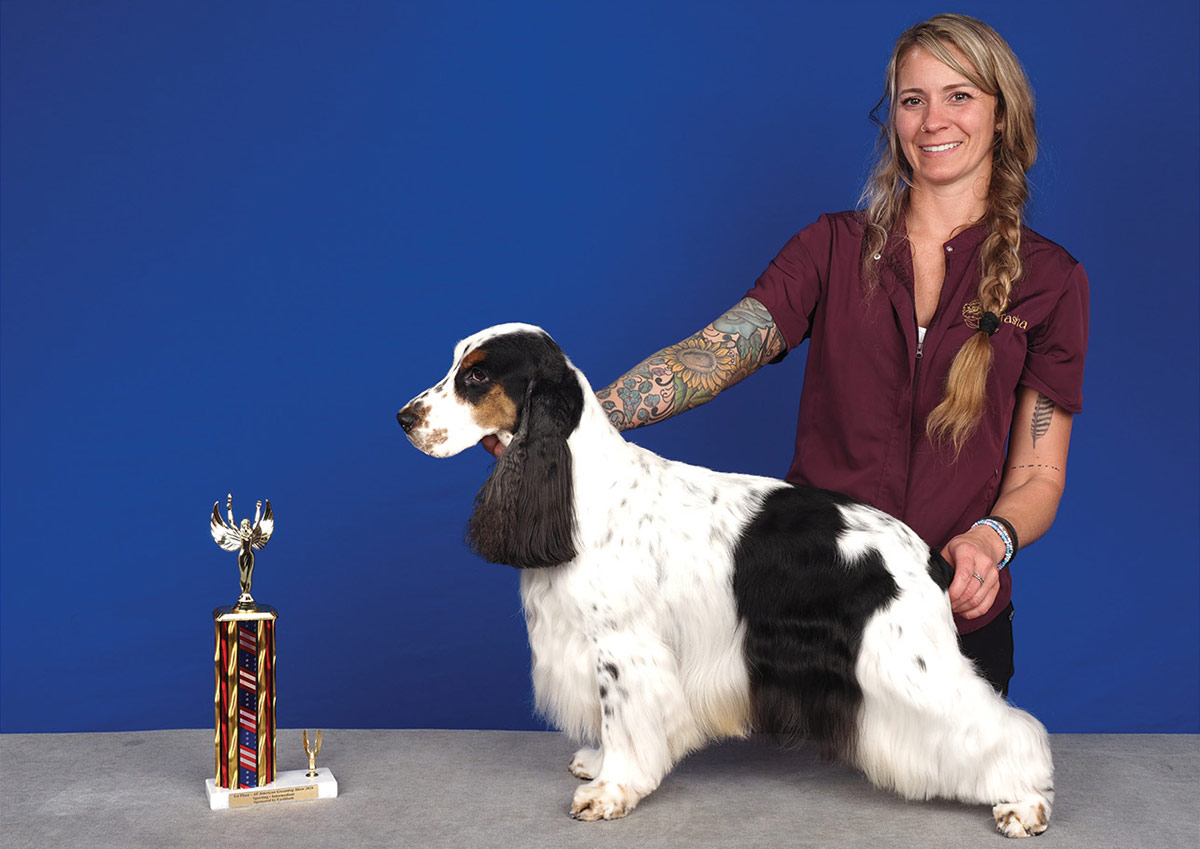
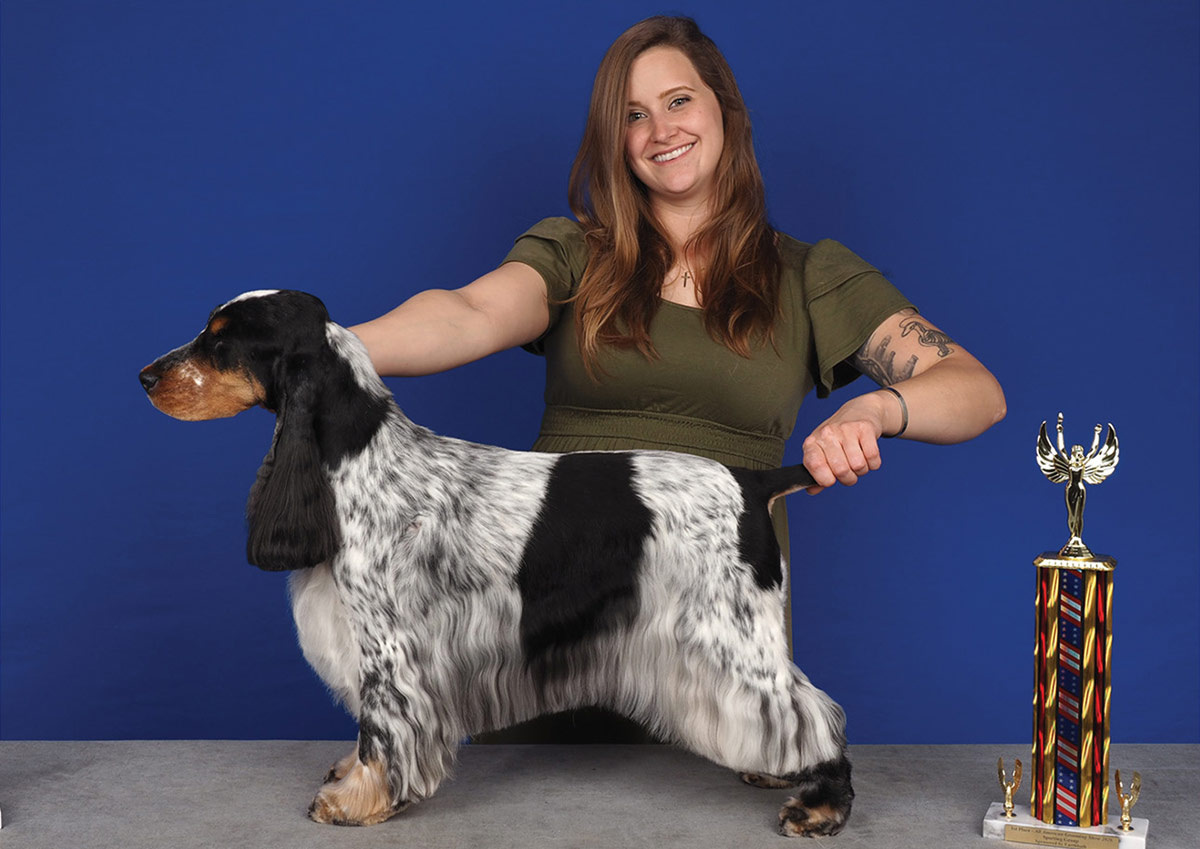
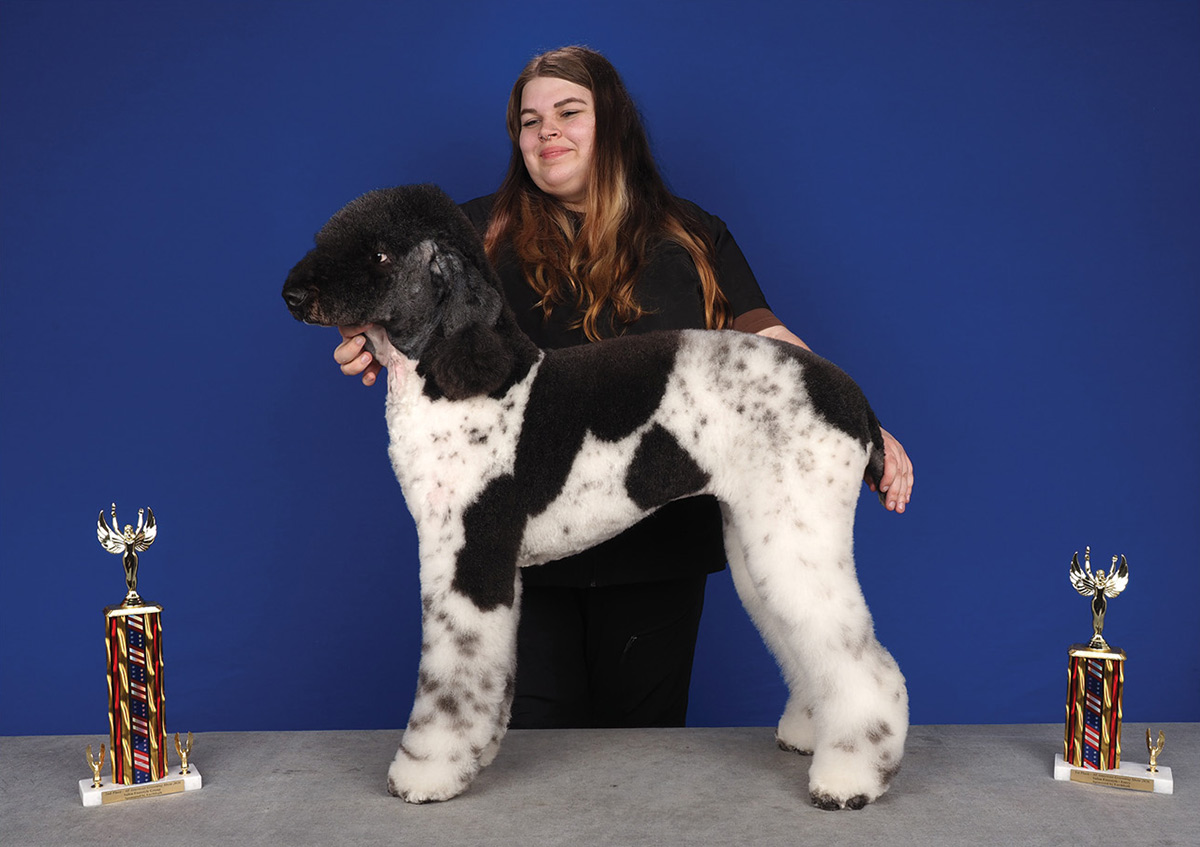
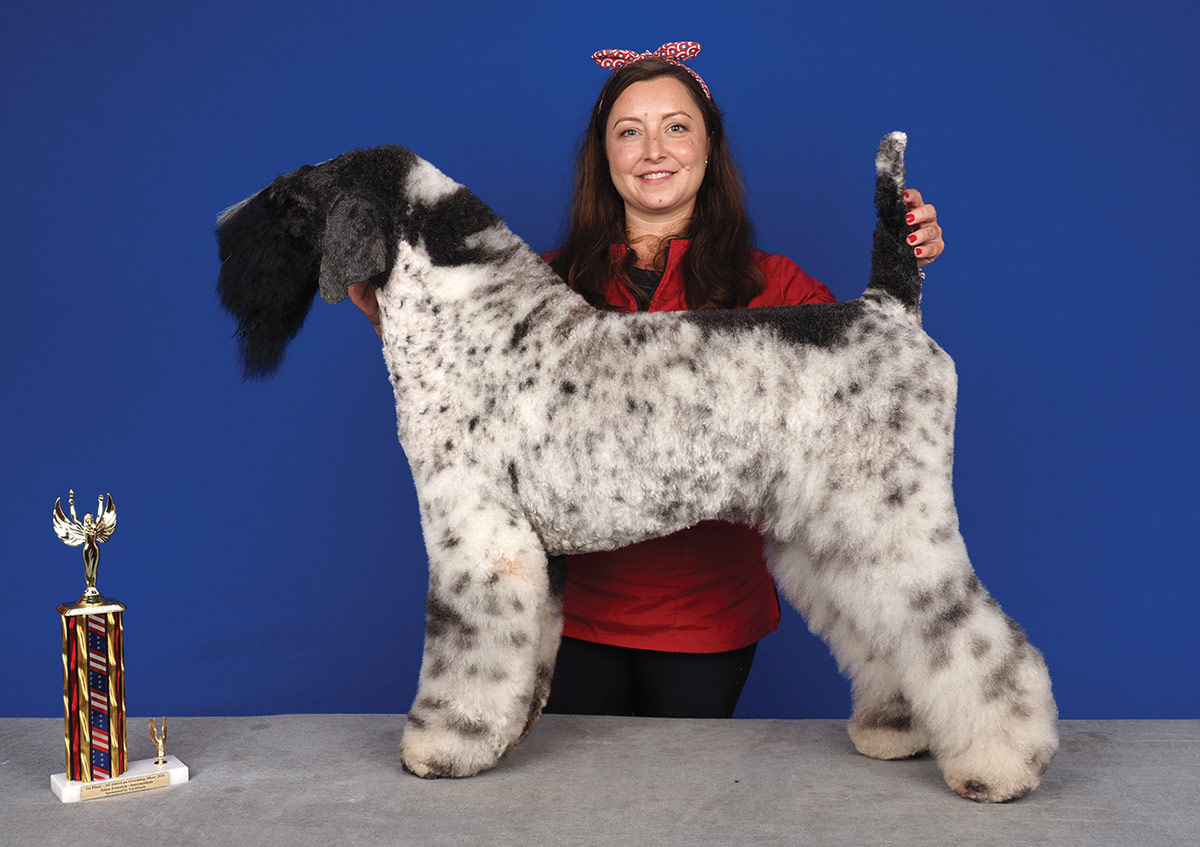
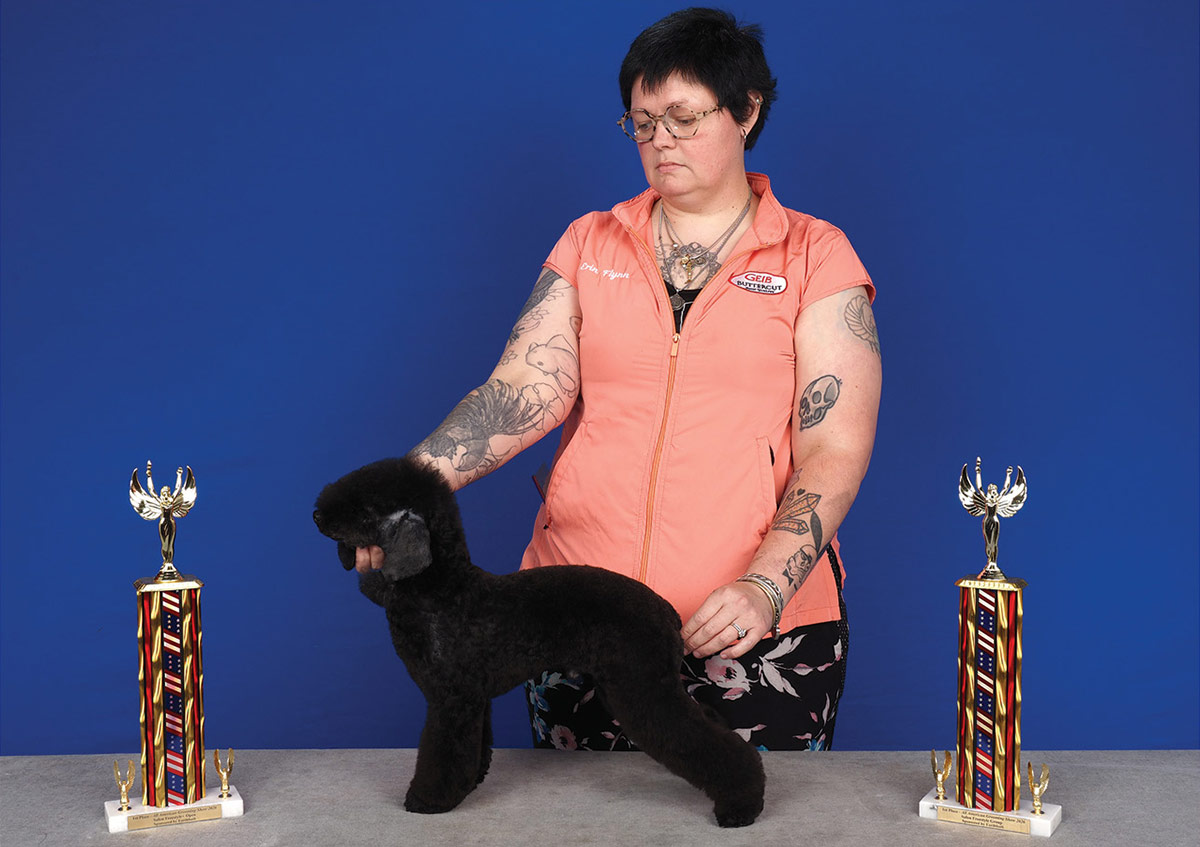
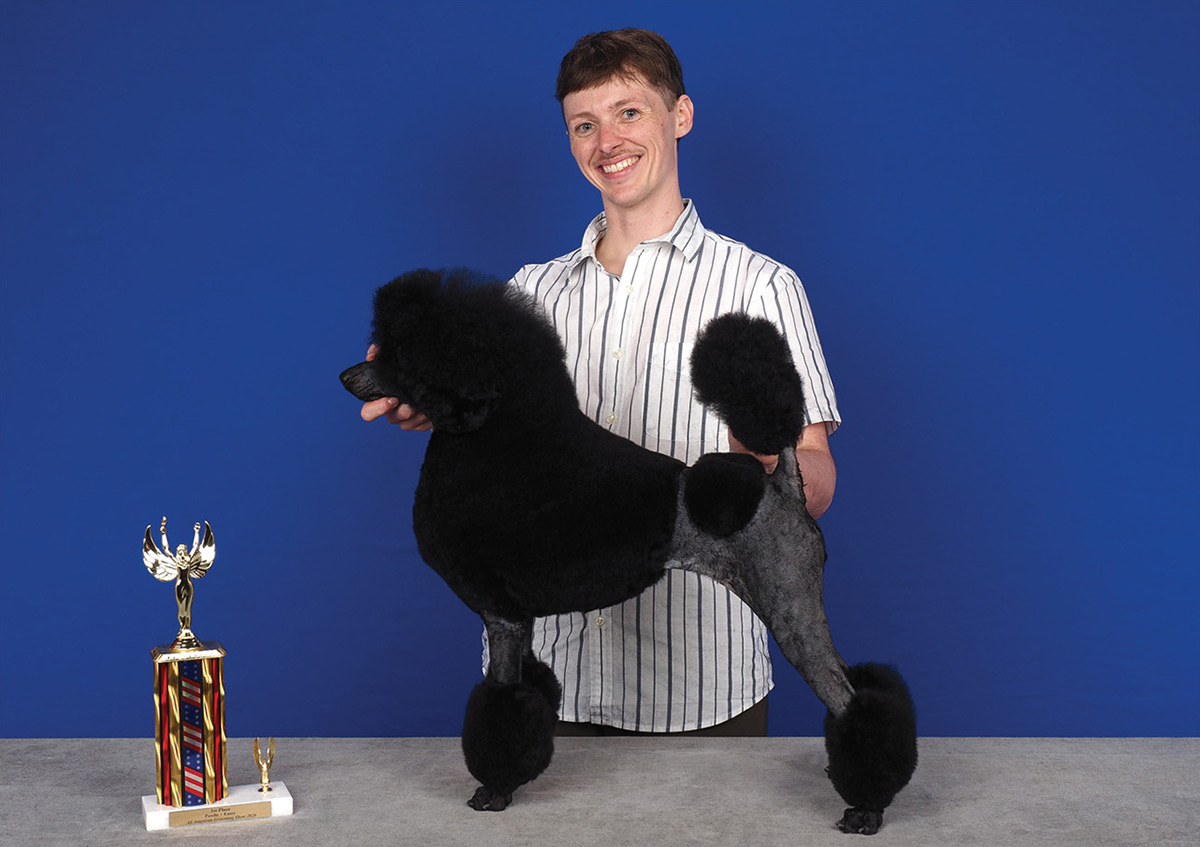
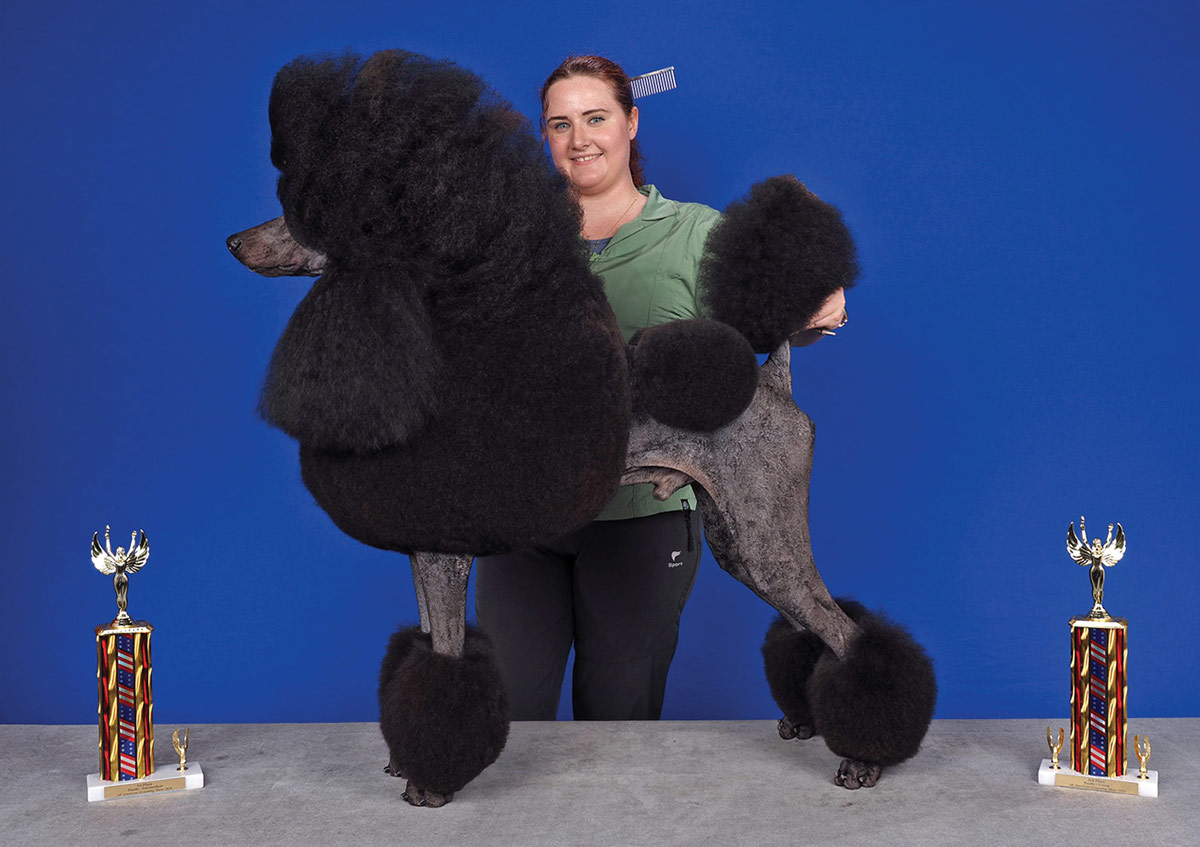
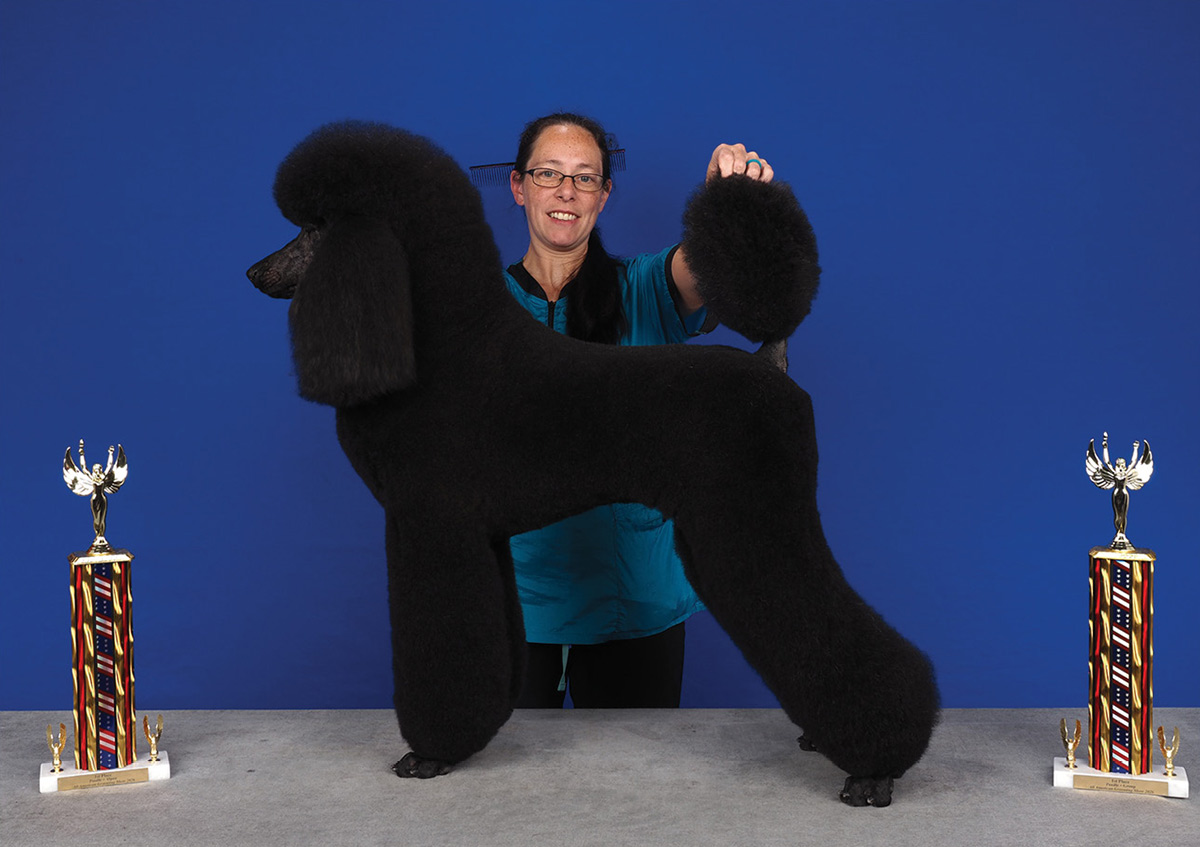
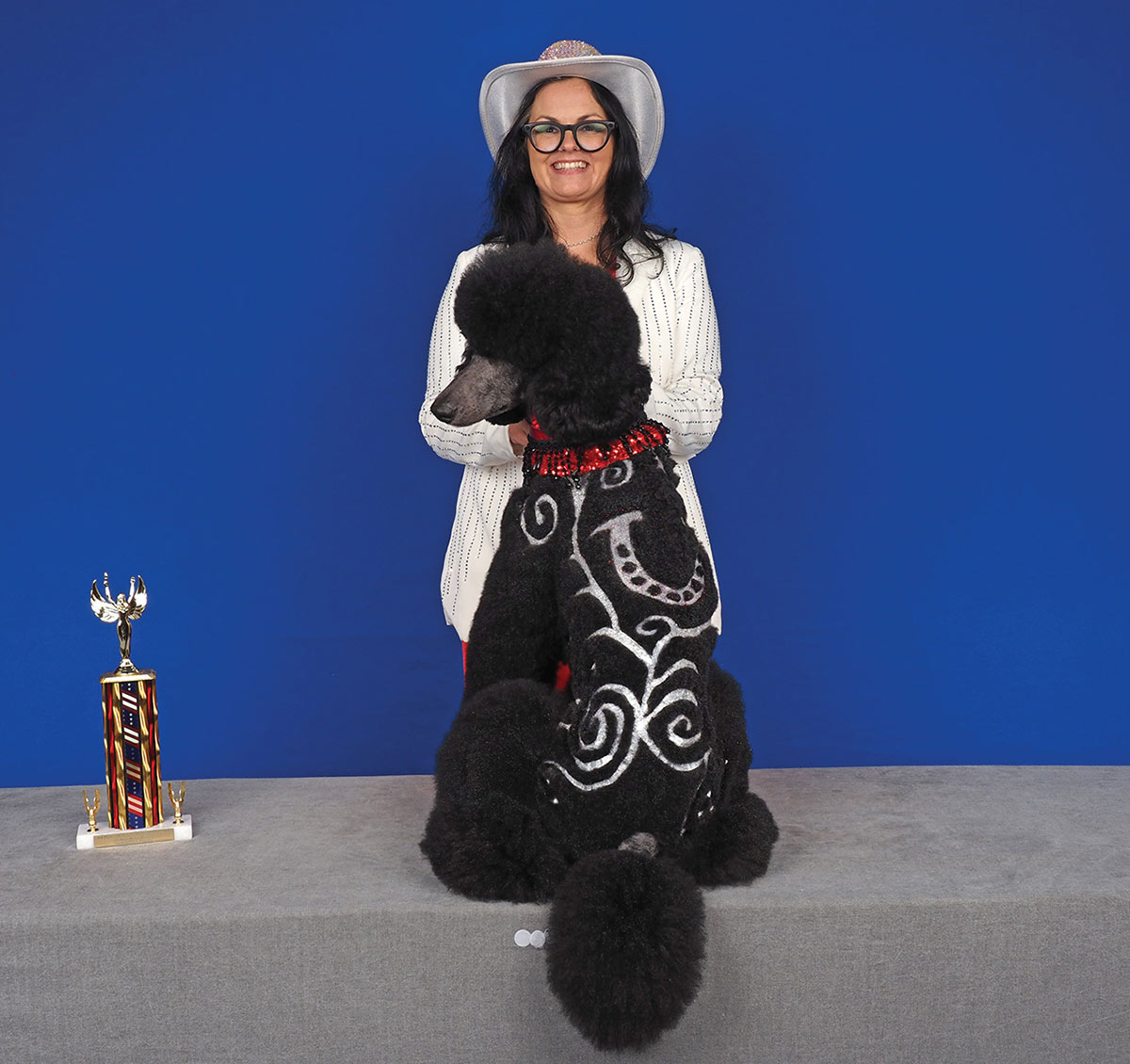
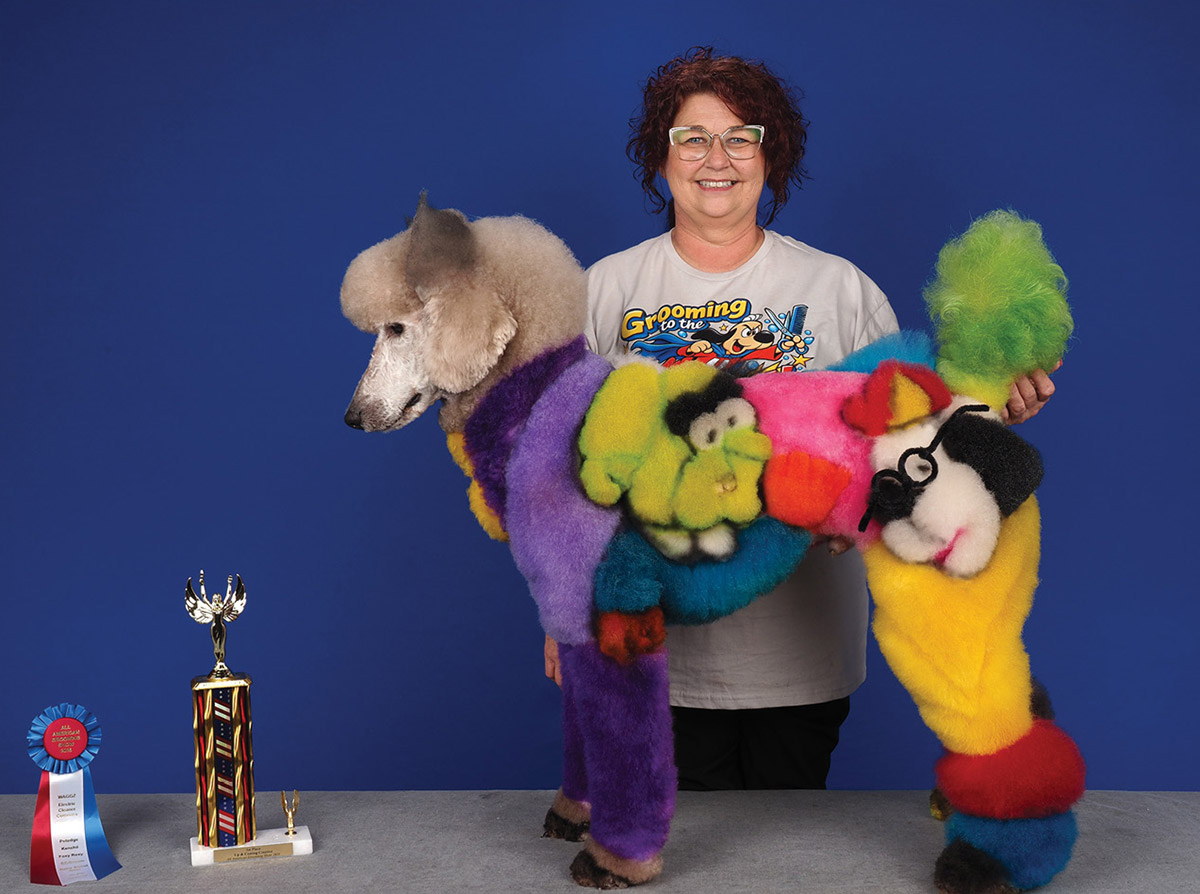
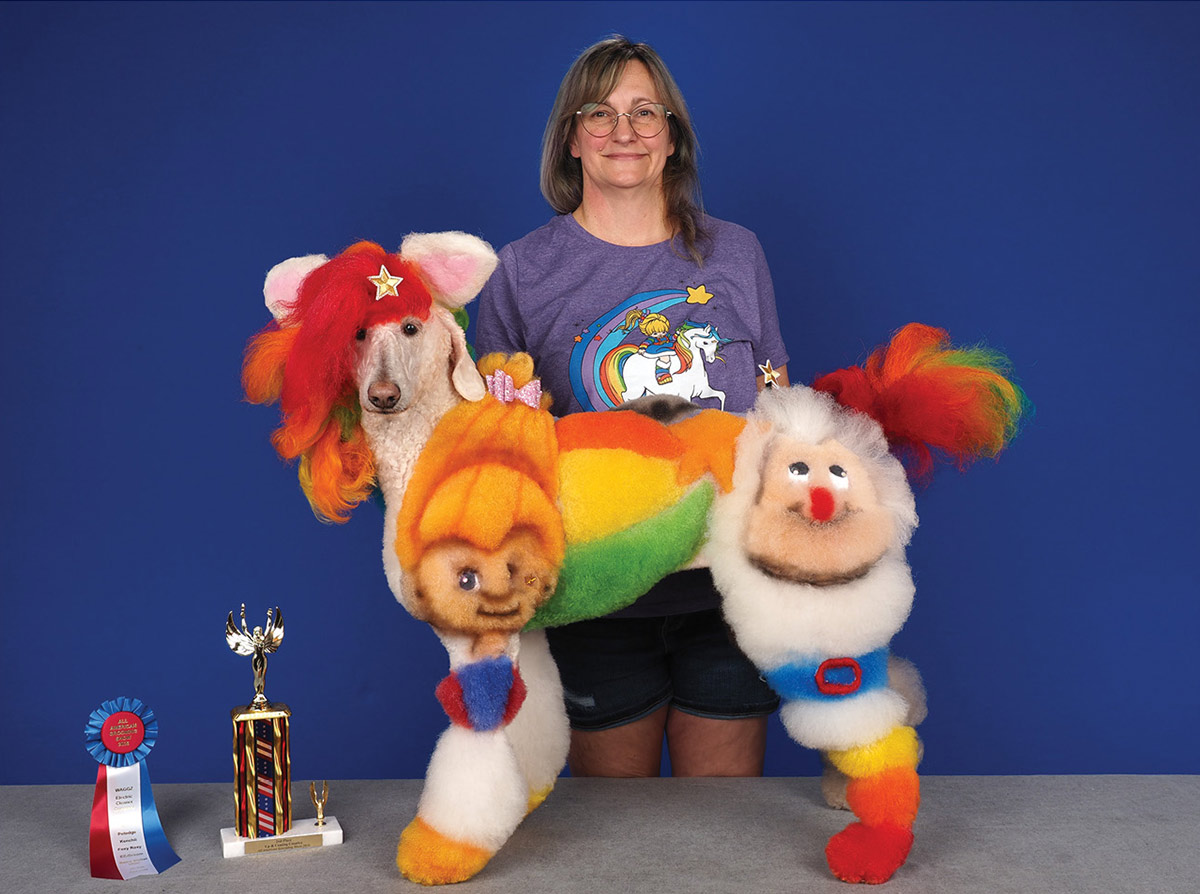
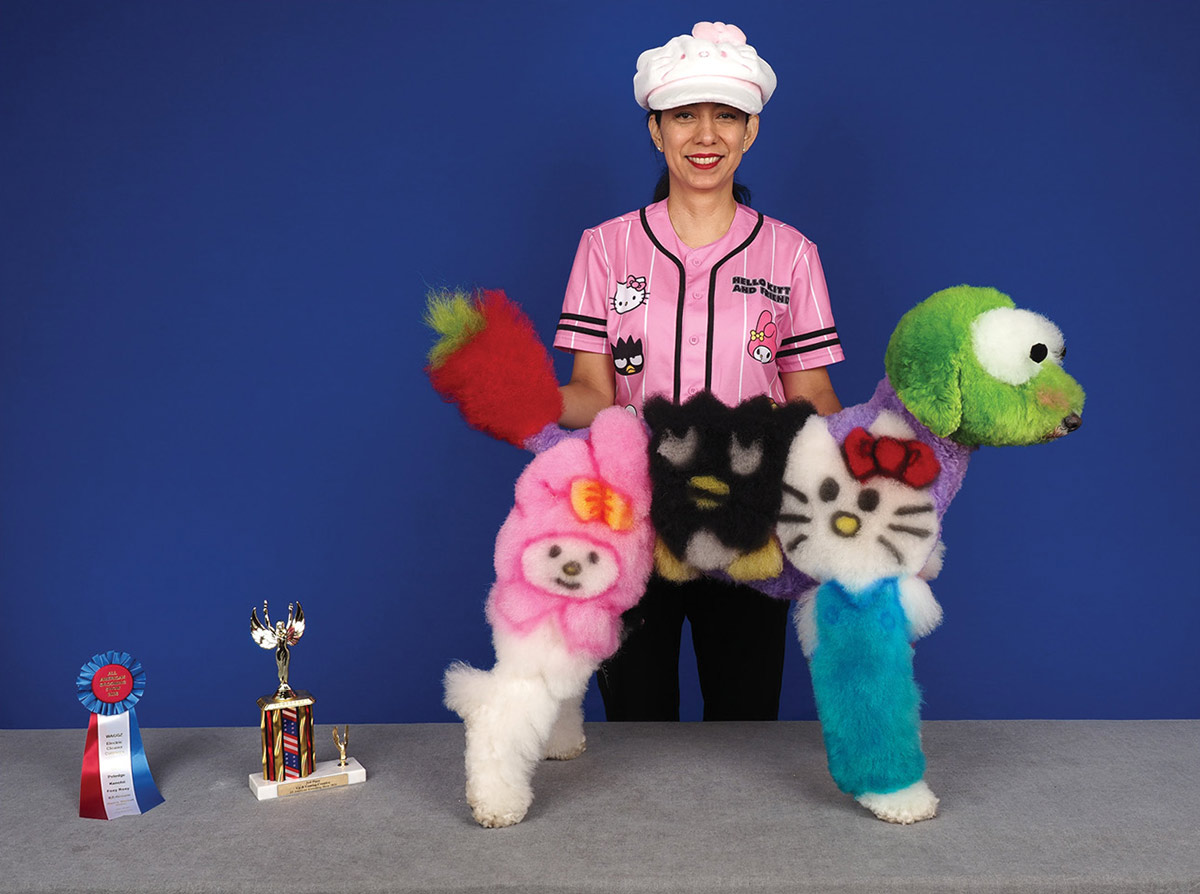
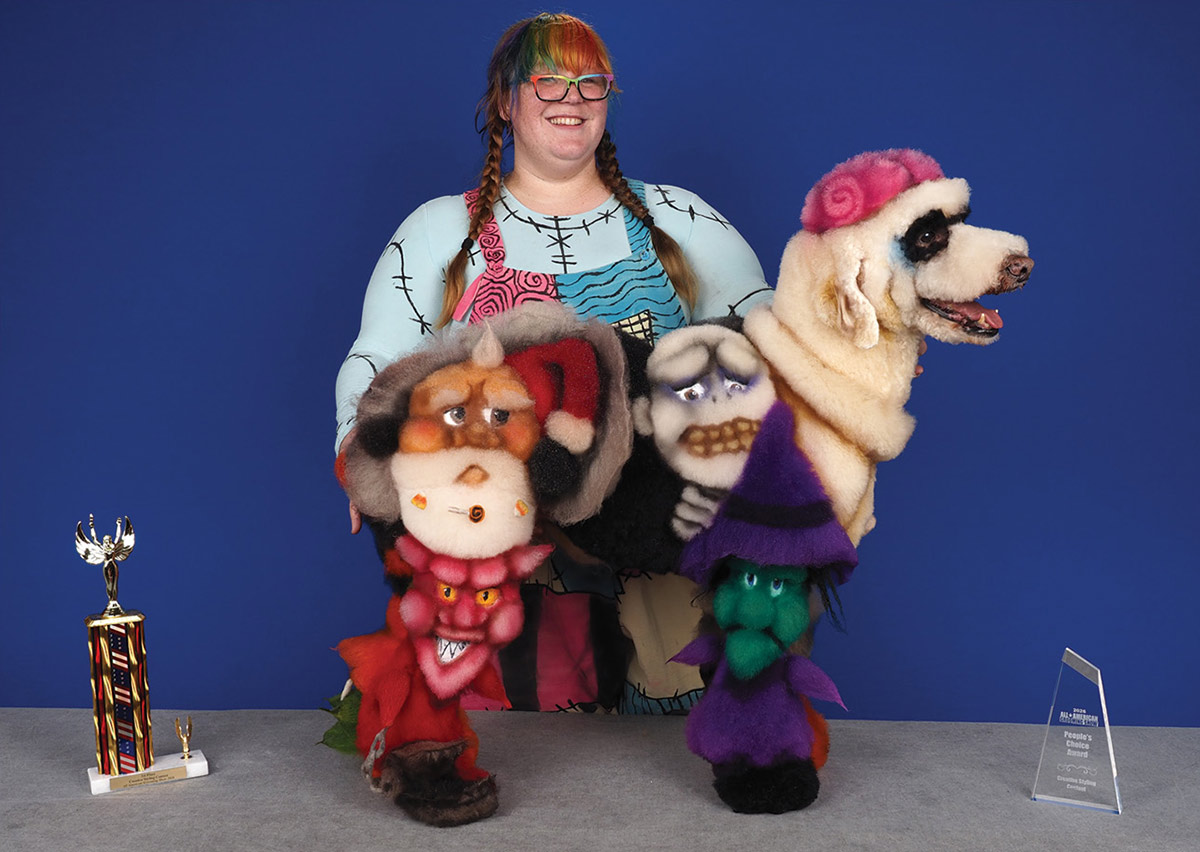
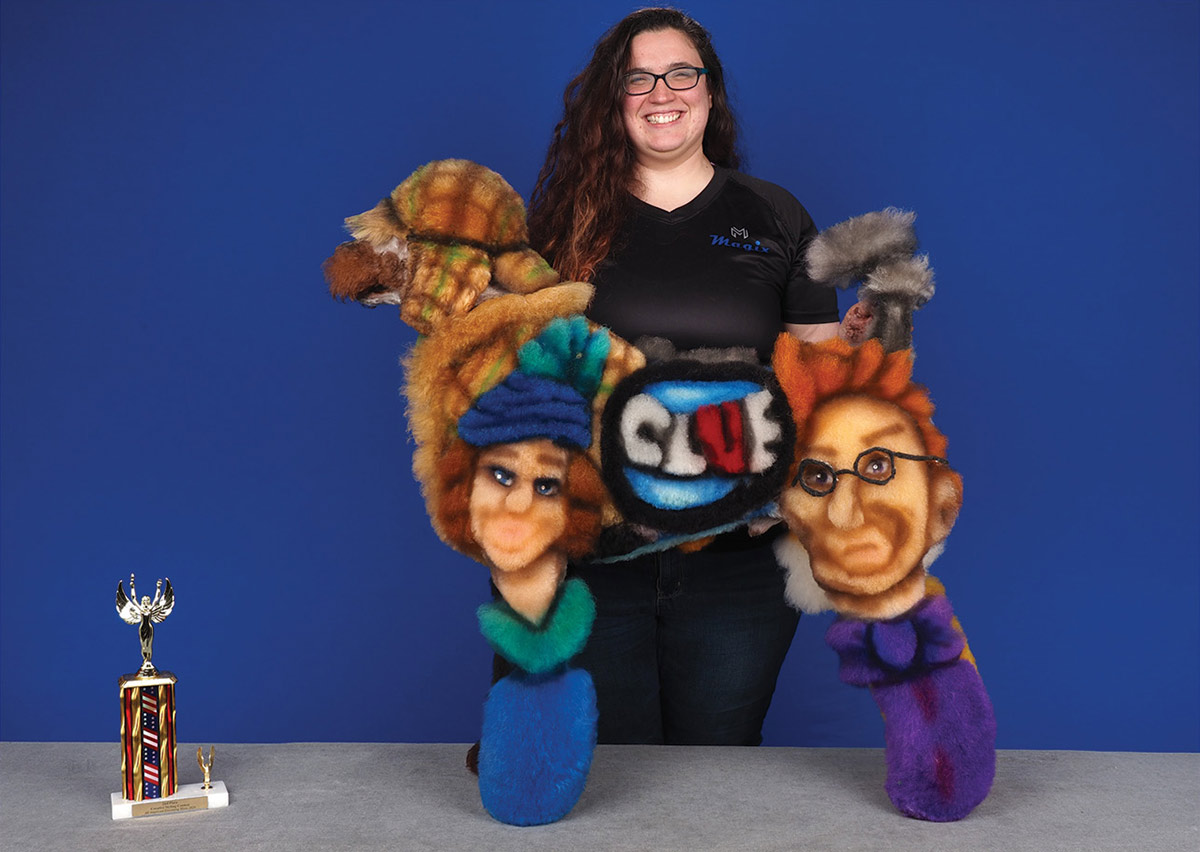
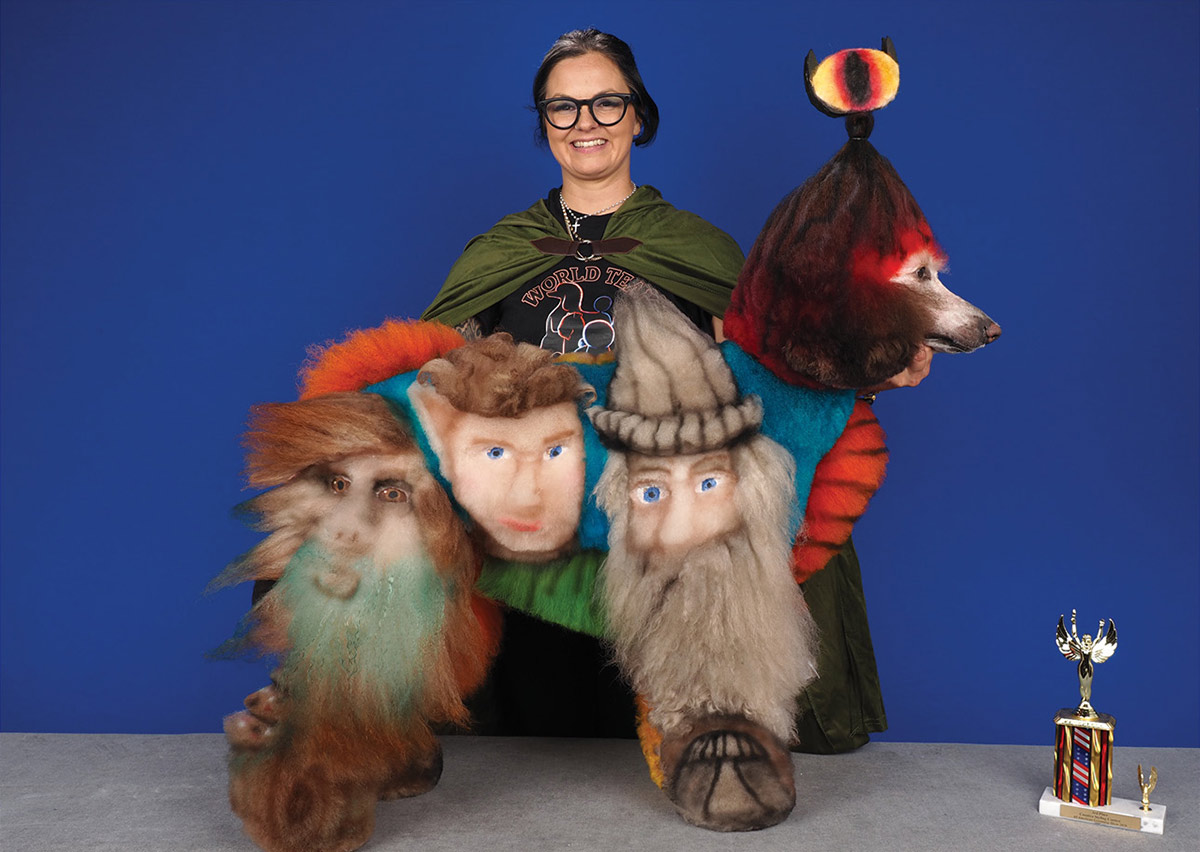
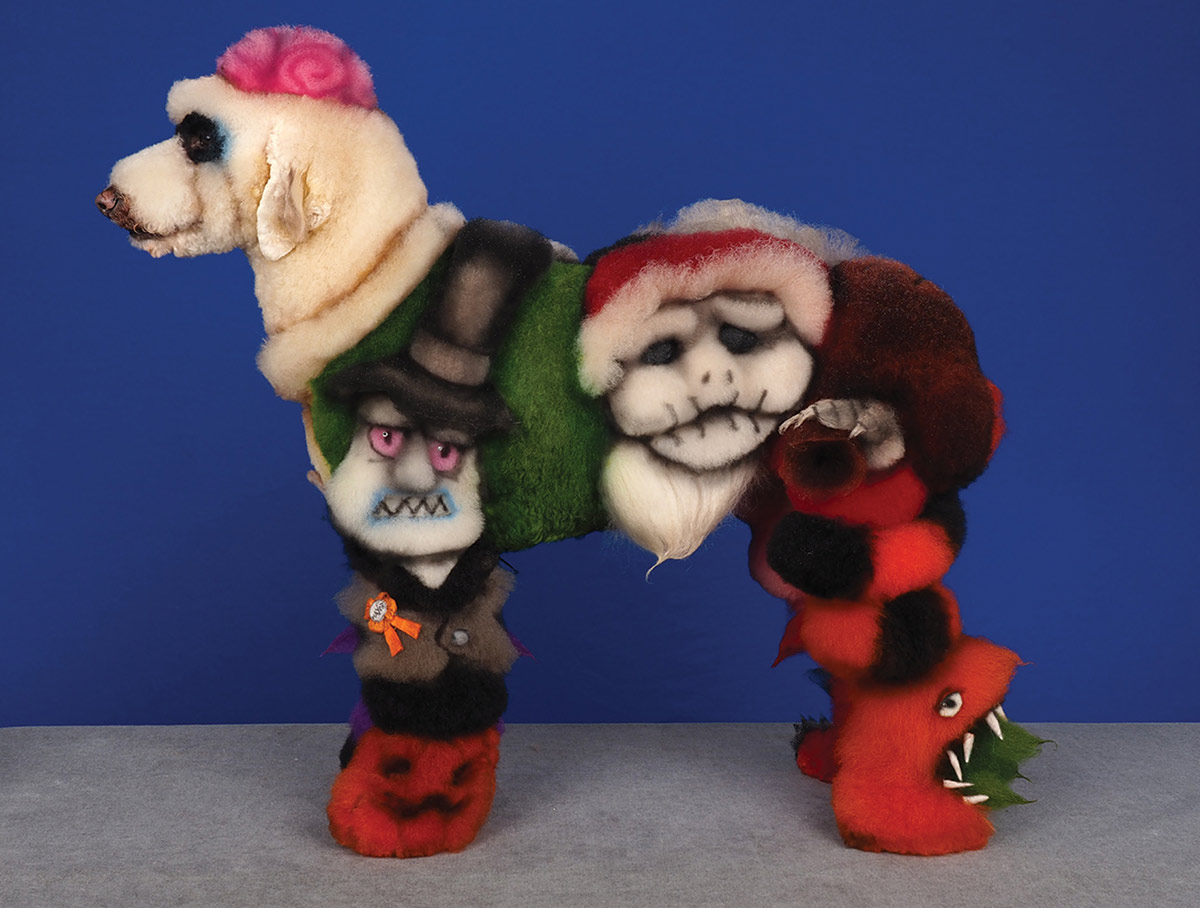
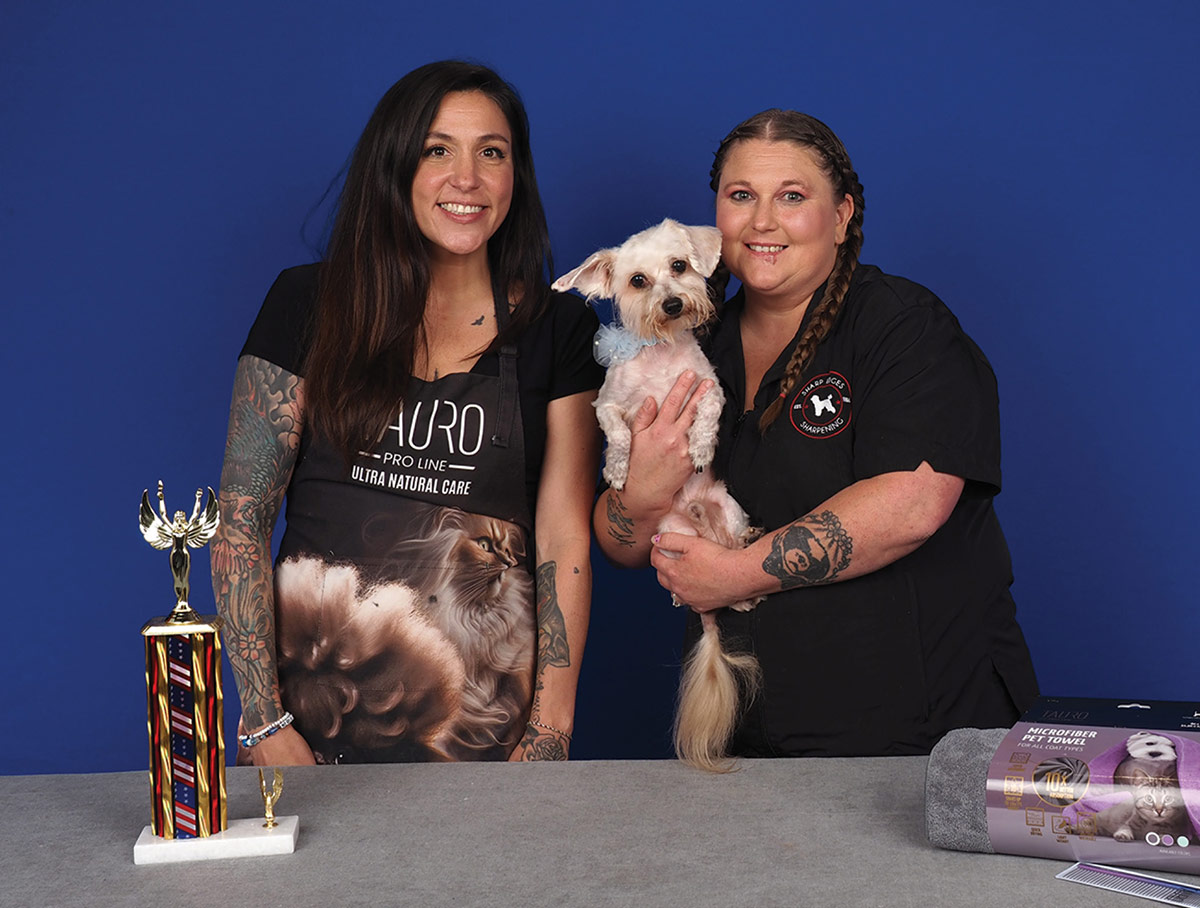
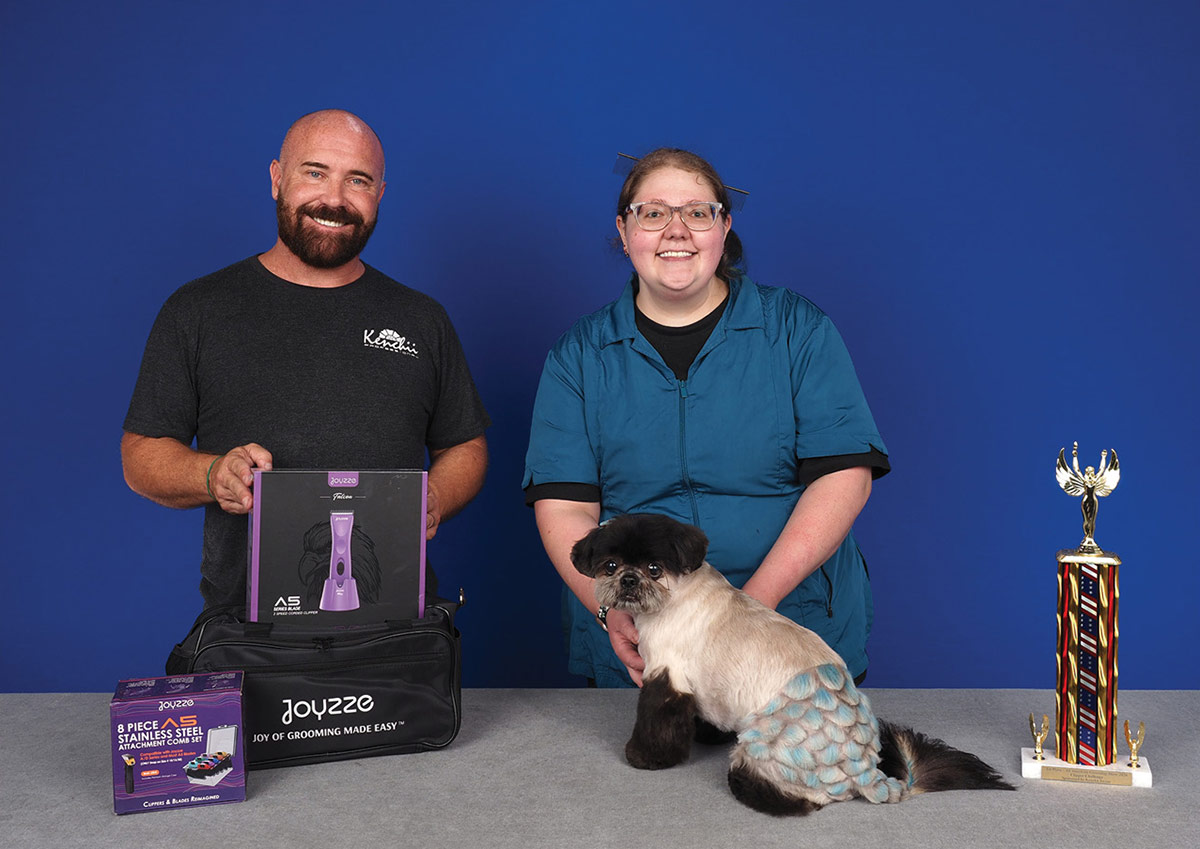
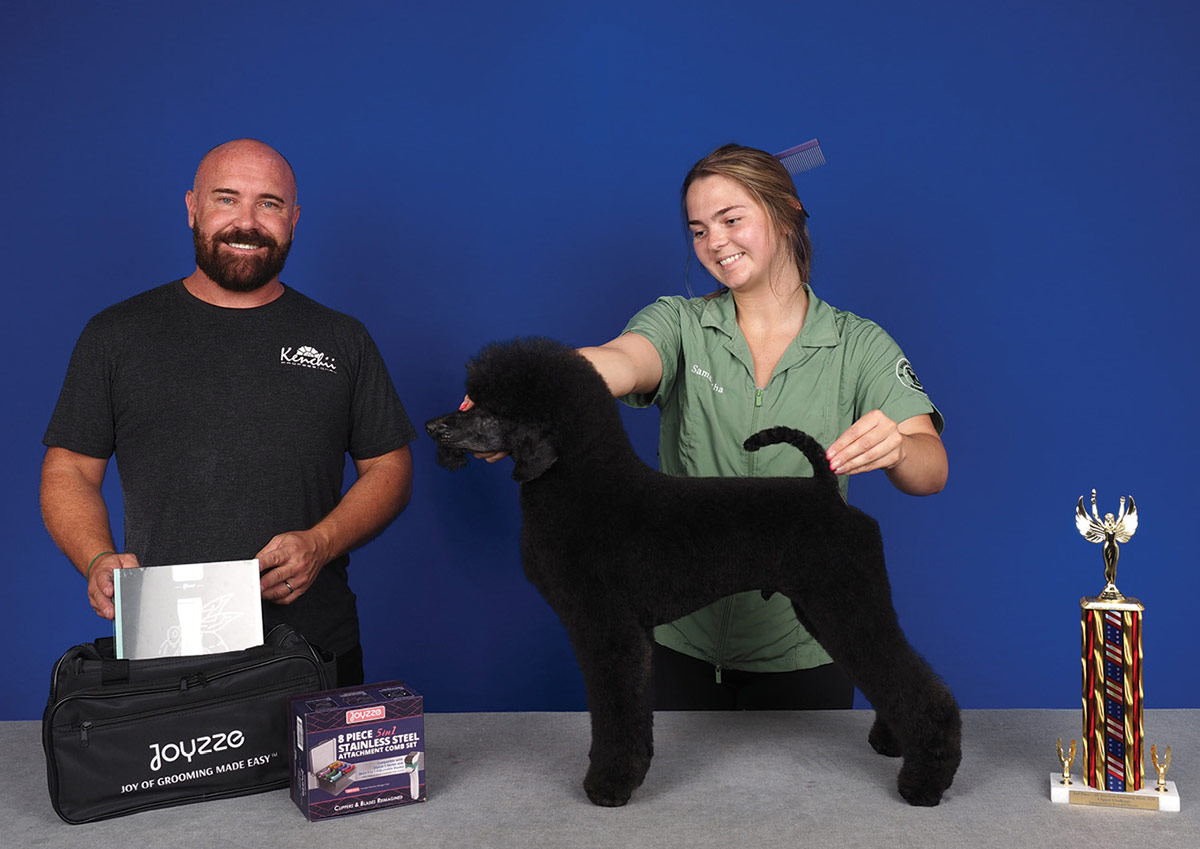
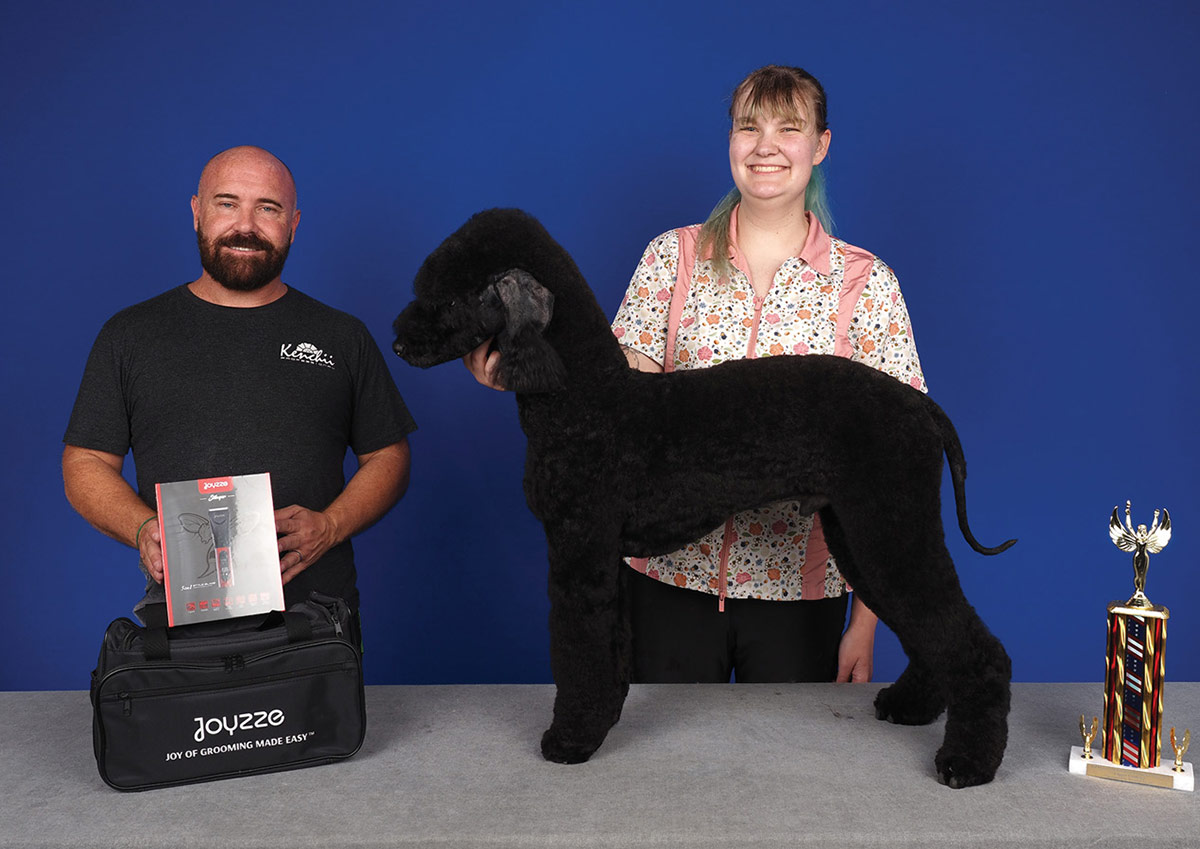
Contest Results

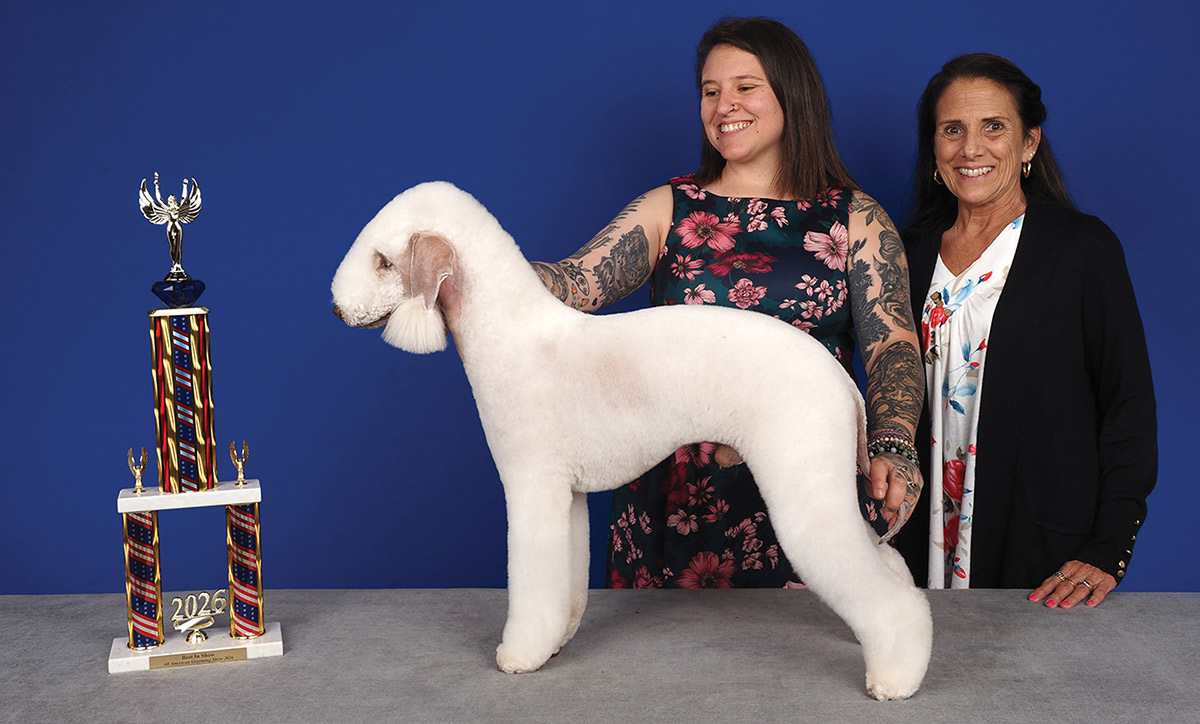
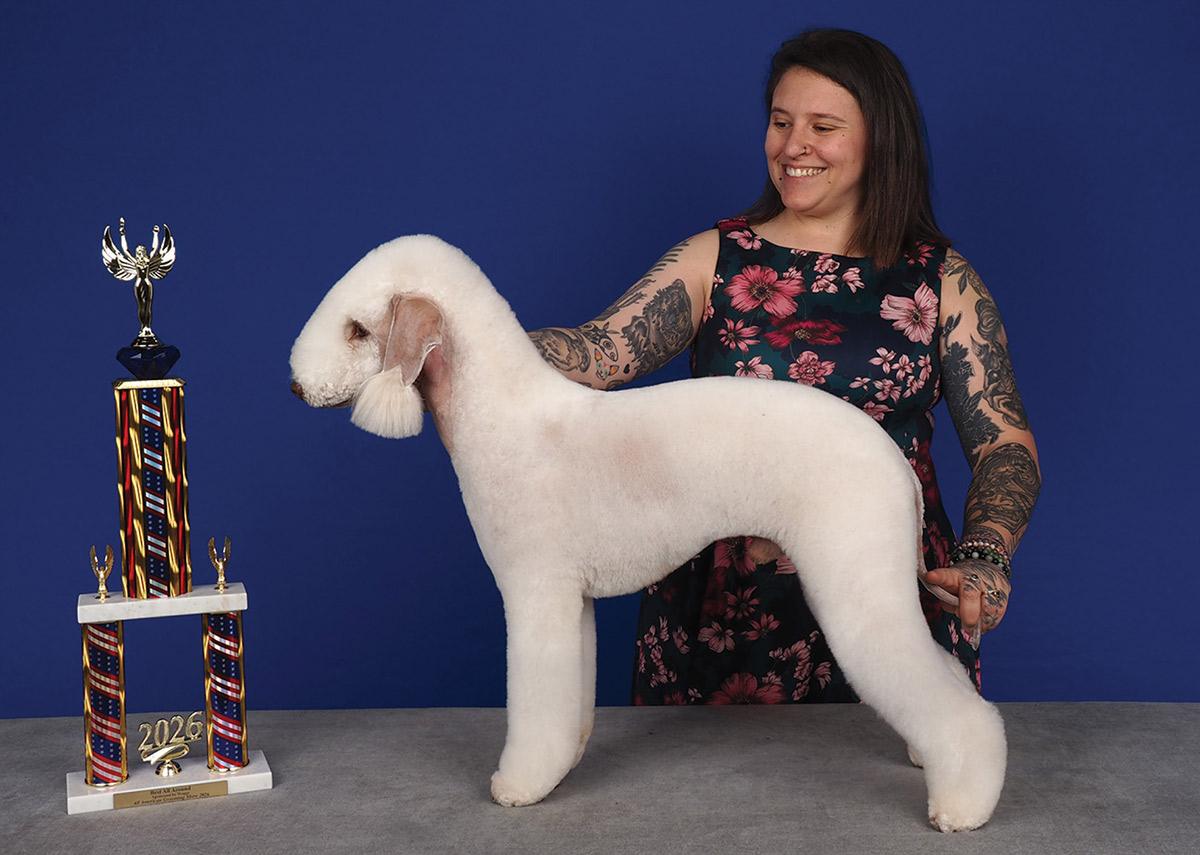
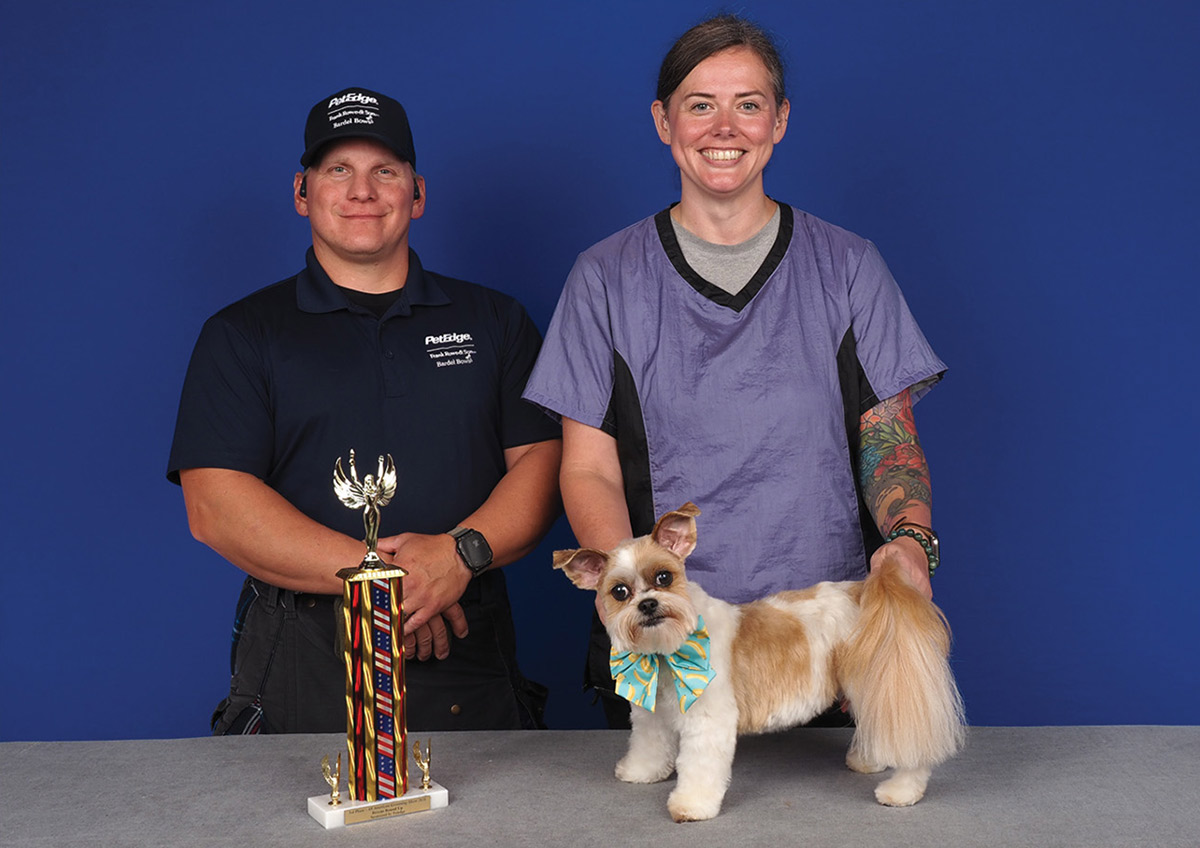
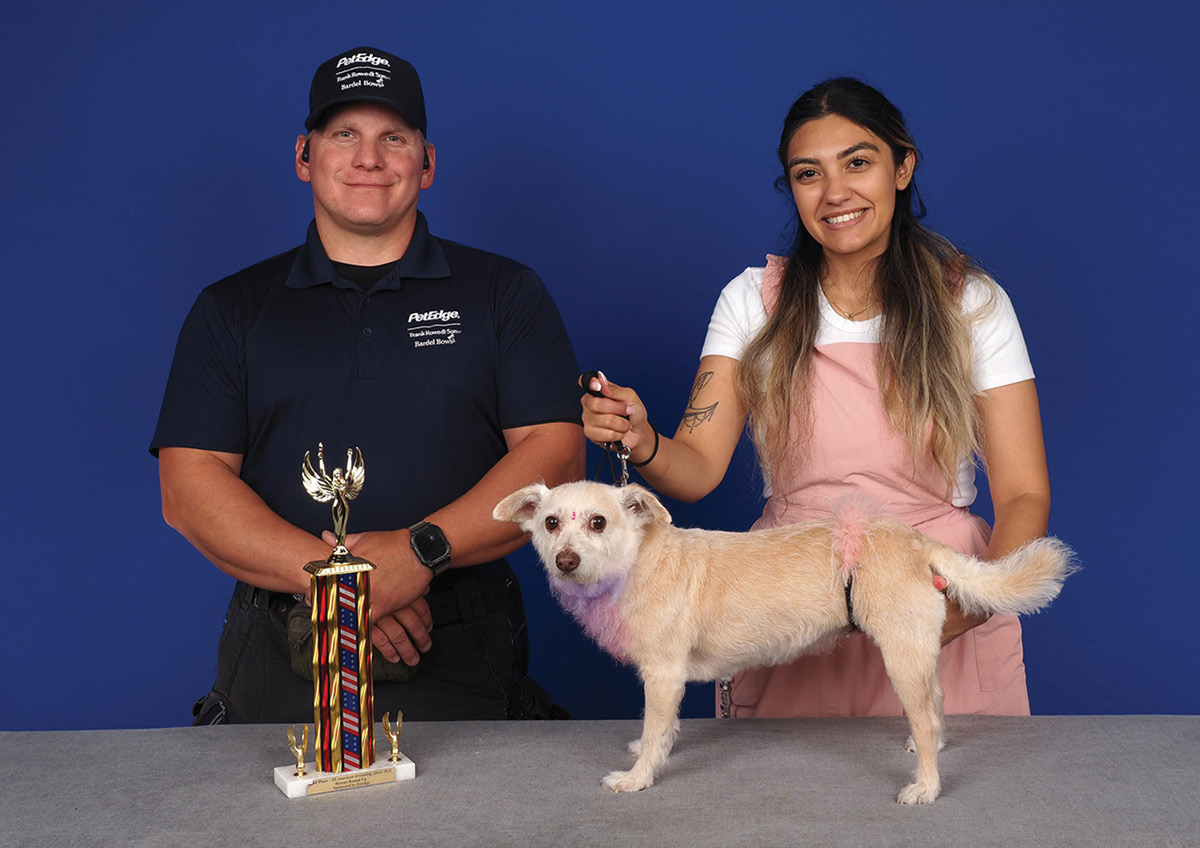
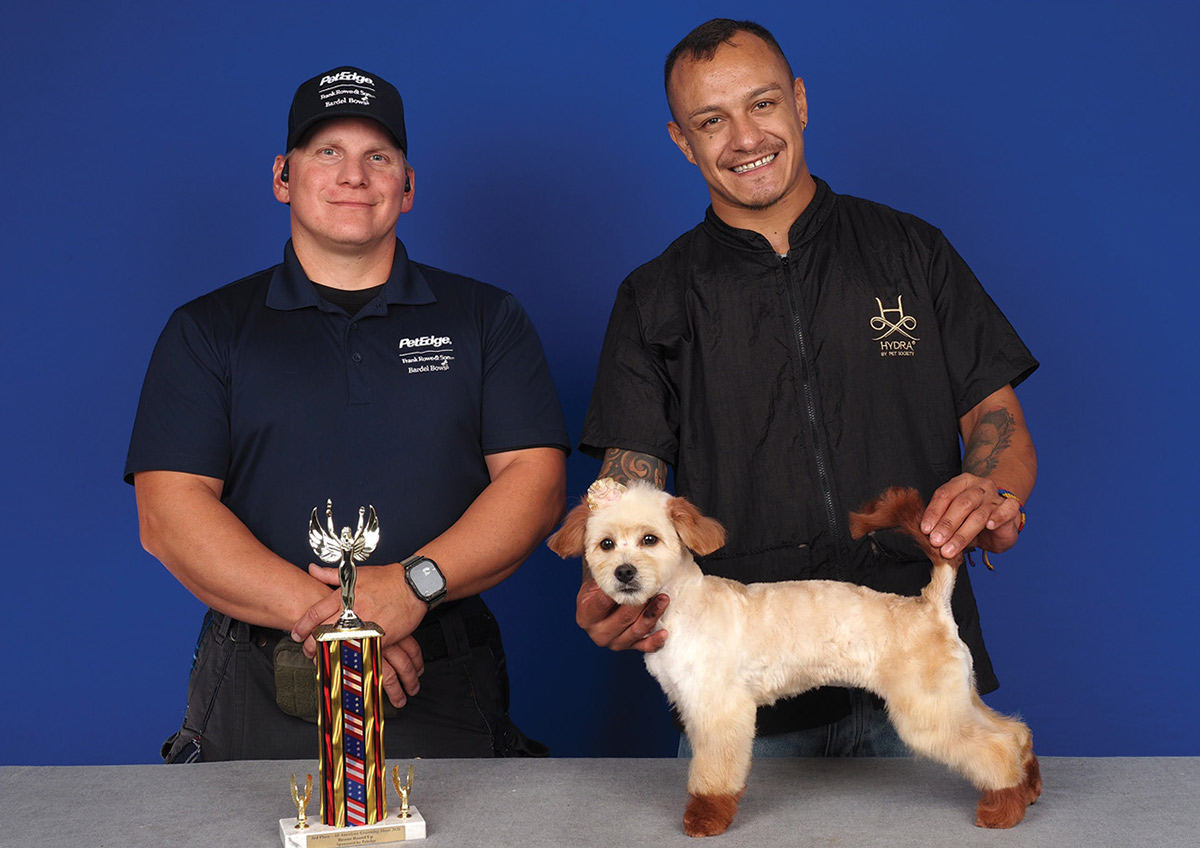
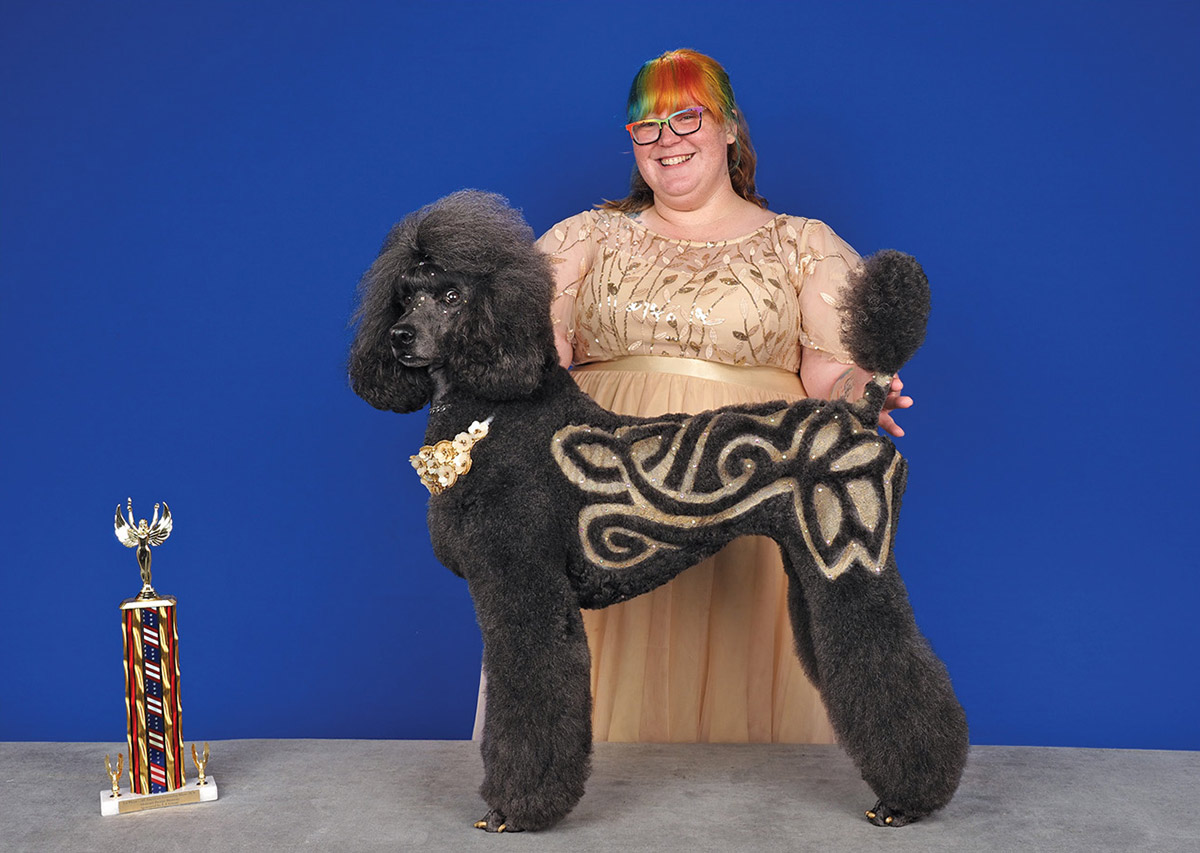
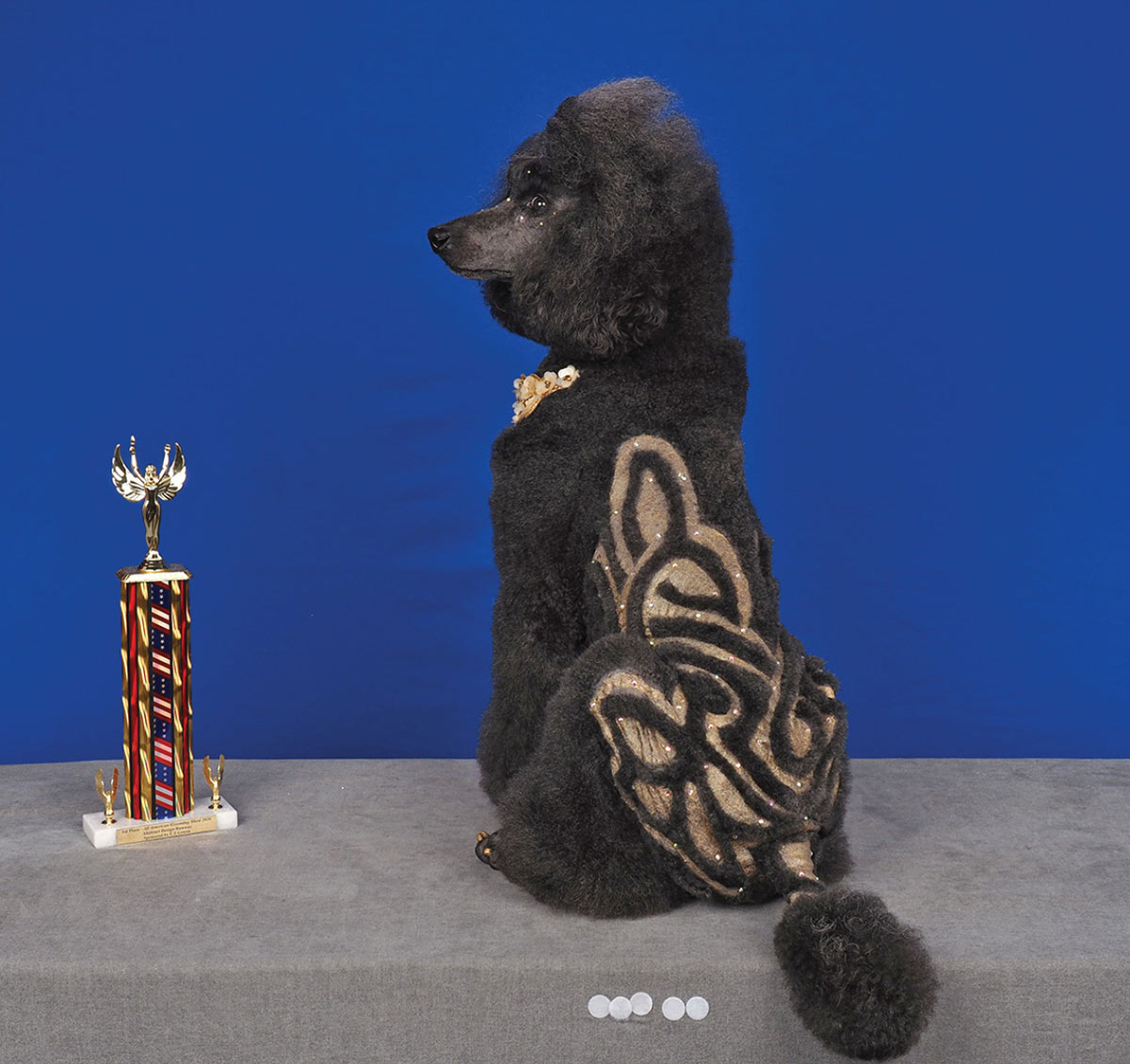
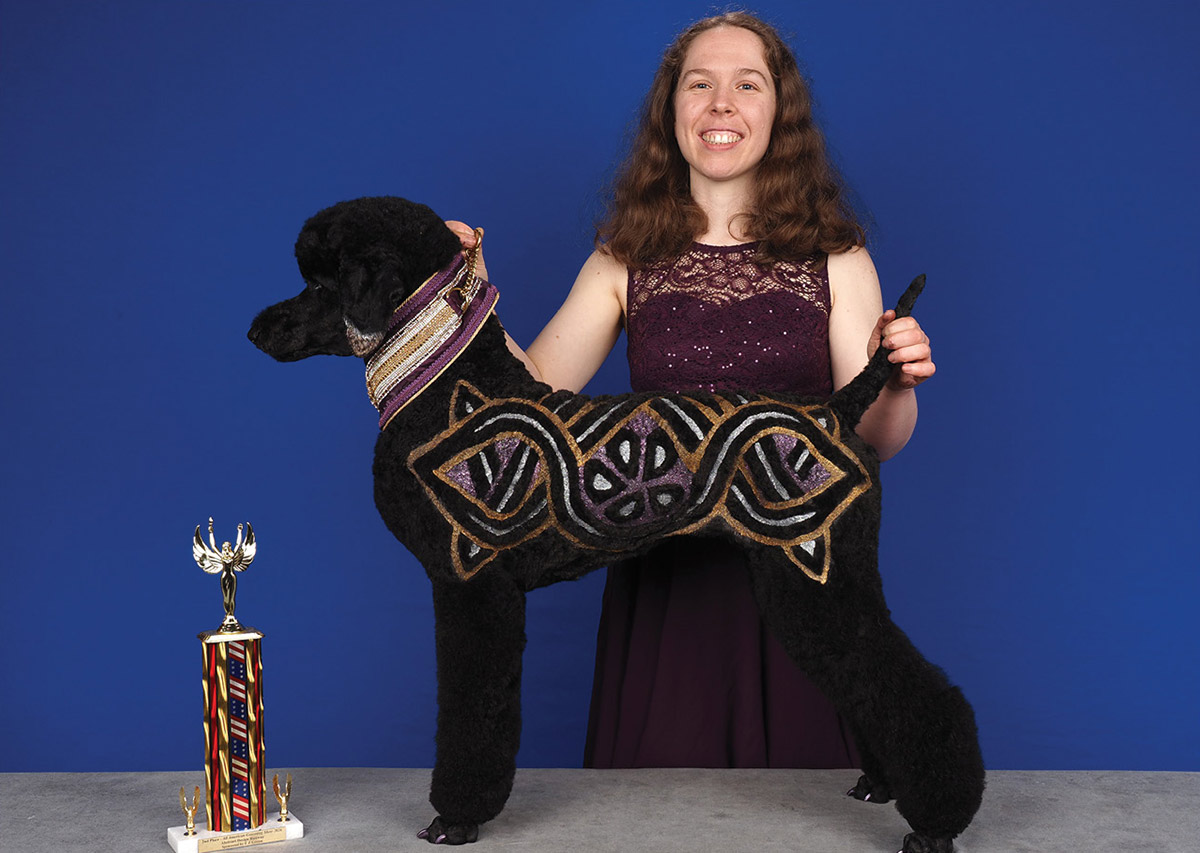
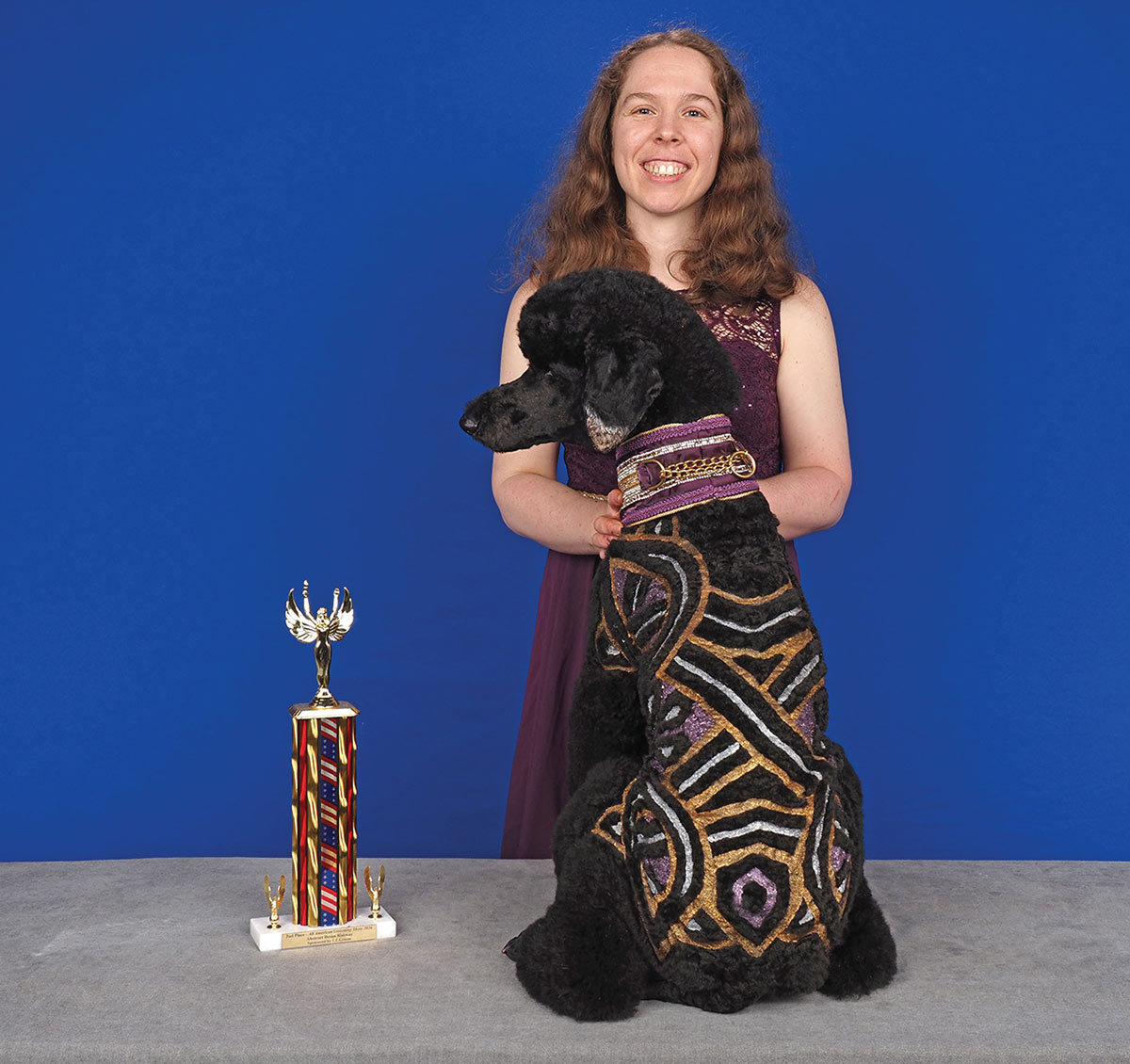
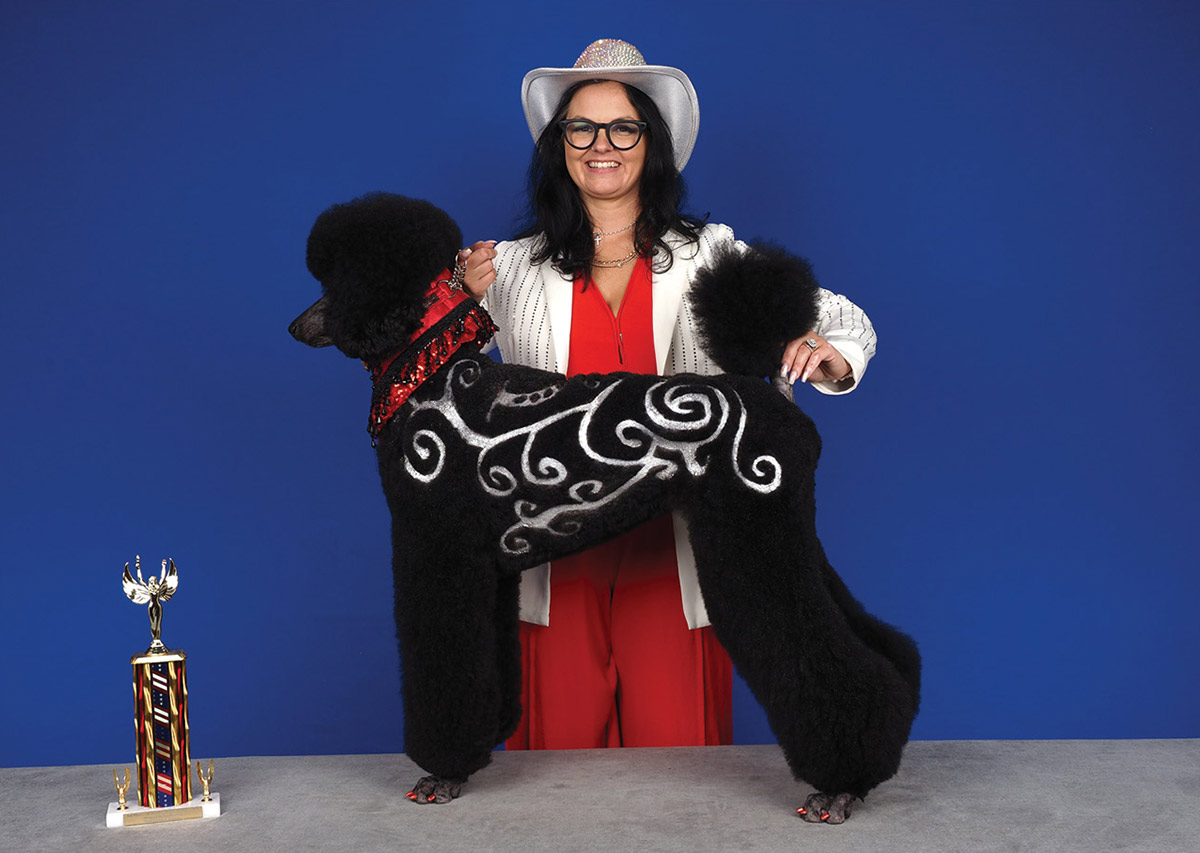


by Lynn Paolillo
Photos provided by Sherie Williams-Slattery
 lthough we may be separated by oceans, connecting with cat groomers during conferences, competitions and online events have made our profession feel much smaller. A technique developed in one country can quickly find its way into salons around the world, giving all of us new ways to improve the care we provide to cats.
Few people have embraced that opportunity more than Australian cat groomer Sherie Williams-Slattery. As an experienced salon owner, educator and NCGI Certifier, Sherie has made multiple trips to the United States for cat grooming education and recently spent 10 days in Singapore studying Asian Fusion-style cat grooming and earning second place in a competition there. While the ribbon was an incredible accomplishment, the knowledge she brought home was even more valuable.
“I’ve always believed that education doesn’t stop once you’re certified,” notes Sherie. “If I wanted to become the best groomer, educator, and advocate for cats that I could be, I needed to keep learning from the very best, wherever they were in the world.
“I wasn’t looking for someone to tell me I was doing everything correctly,” she continues. “I wanted to challenge my own thinking, question my habits, and expose myself to different perspectives.”
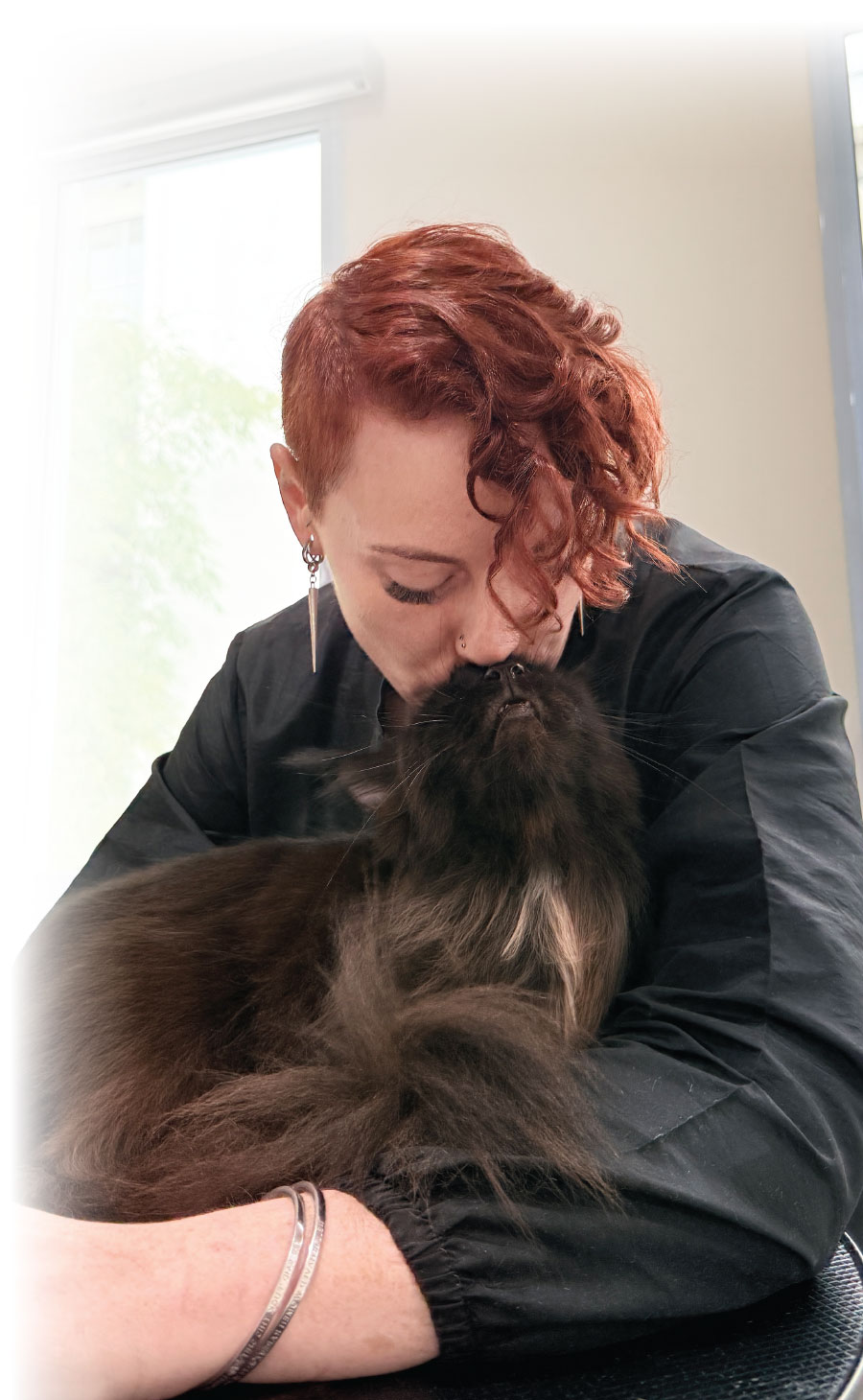
“If I could return to Australia with even one idea that improved cat welfare, helped groomers build confidence, or raised the standard of care we provide, then every trip would be worthwhile,” states Sherie.
However, what surprised her most wasn’t how different cat grooming was around the world but was how similar it was.
“No matter which country I visited, the best cat groomers always had one thing in common: They genuinely put the cat first,” Sherie says.
“I also realized we all face many of the same challenges,” she adds. “Whether you’re in Australia, America, or Singapore, you’re building trust with owners, educating clients about preventative grooming, and working with cats that don’t always enjoy grooming.”
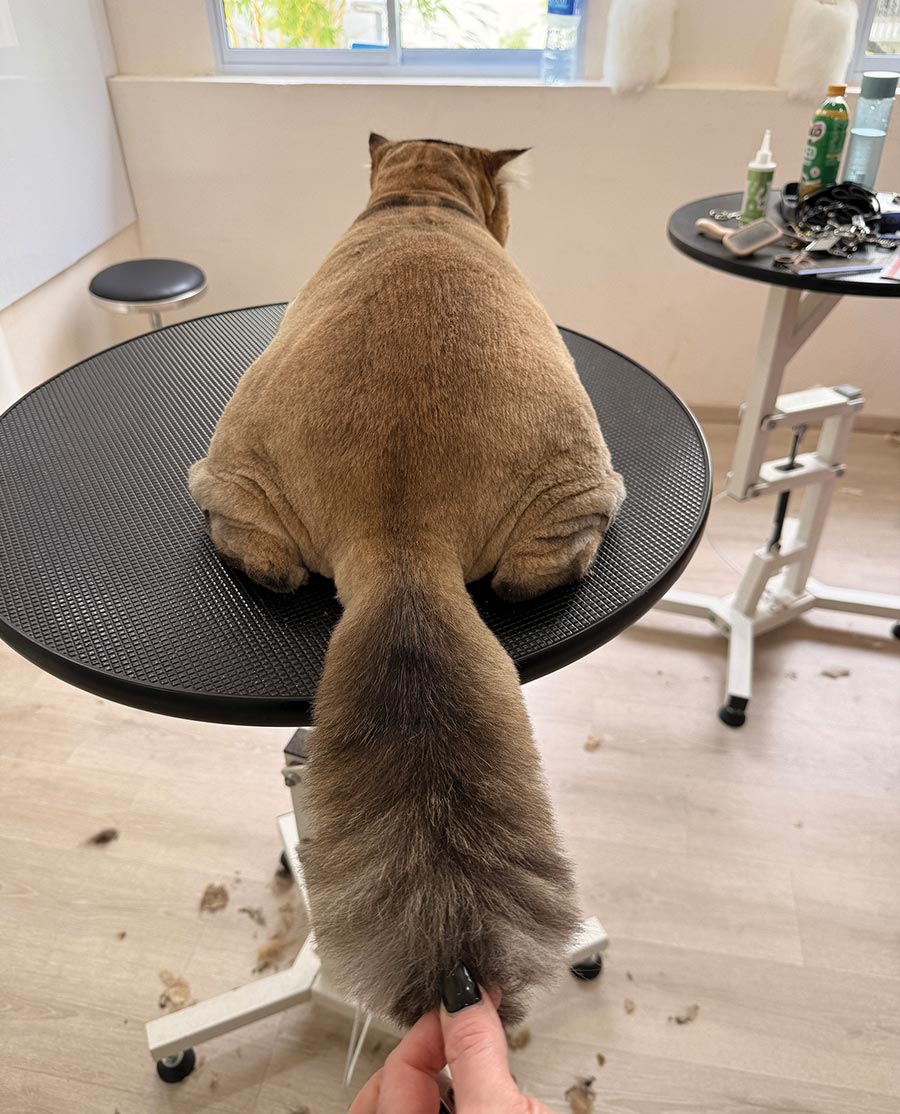
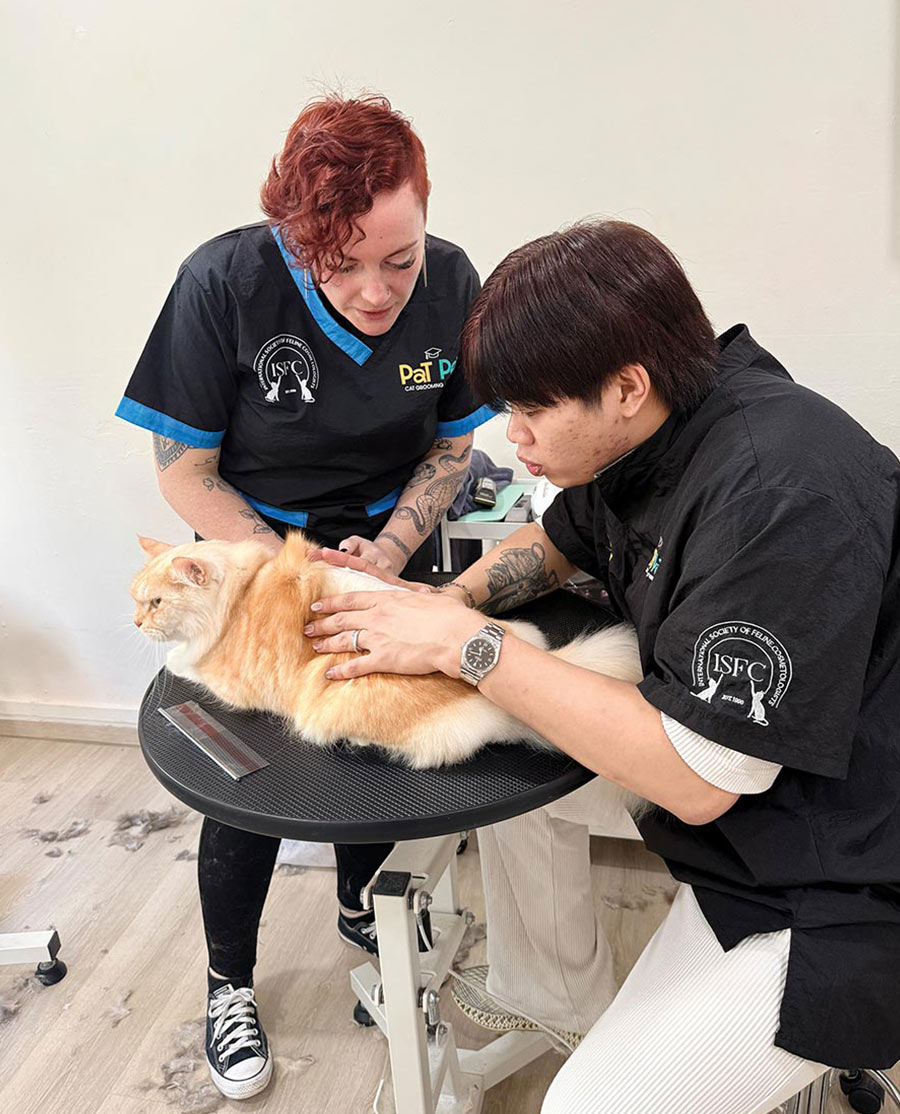
“The most experienced groomers were often the most willing to share their knowledge,” explains Sherie. “There wasn’t a mindset of protecting secrets. It was about helping the profession grow together.”
That willingness to share may be one of the greatest strengths of the cat grooming profession. Every time a groomer teaches a safer handling technique, demonstrates a different approach or shares a lesson they’ve learned, the profession moves forward.
Of course, there were plenty of differences, too. One of the biggest was simply the size of the industry. In Sherie’s home state of New South Wales, feline-exclusive grooming is still incredibly niche. Then she arrived in Singapore where said there were more than 20 cat-exclusive grooming salons on a single street. And that one observation completely changed her perspective.
“Cat grooming isn’t a niche service there. It’s a recognized specialty with a large client base and strong demand,” explains Sherie.
With that demand comes an opportunity for groomers to become highly specialized. Sherie was also impressed by the incredible attention to detail she saw throughout the salons and competitions.
“Every finish, every line, and every tiny detail mattered,” she shares. “There is a real culture of refining and perfecting even the smallest aspects of a groom.”
Sherie also noticed a culture of continual education. Seminars, competitions and advanced training weren’t occasional events; they were simply part of being a professional groomer. Even highly accomplished groomers were still refining their skills and looking for ways to improve.
Client expectations reflected those cultural differences as well. In parts of Asia, presentation and styling often receive greater emphasis, while Australian clients tend to prioritize practicality, comfort and the cat’s overall wellbeing.
“Neither approach is right or wrong,” Sherie says. “They simply reflect different cultures and expectations. Everyone ultimately wants healthier, happier cats. The journey to that goal might look different, but the passion behind it is universal.”
“There wasn’t one single technique that completely changed everything for me,” Sherie claims. “Instead, it was seeing how much thought experienced groomers put into the smallest details.”
Perhaps the biggest lesson she brought home, though, was realizing there are often multiple correct ways to achieve the same outcome.
“I’ve become less interested in finding the one ‘correct’ way to groom and much more interested in understanding why different methods work in different situations,” explains Sherie.
That shift has encouraged her to question her own routines more often. Instead of doing something simply because it’s how she’s always done it, Sherie now asks whether there’s an even better option for the individual cat she’s grooming, including slowing down.
“Sometimes spending an extra few seconds repositioning a cat or adjusting your approach creates a much calmer and safer groom than trying to rush through it,” she says.
Despite years of experience as a professional groomer and educator, Sherie willingly put herself back into the role of student. After just 10 days of studying Asian Fusion-style cat grooming, she entered a competition in Singapore alongside some of the region’s most accomplished groomers.
“Walking into a competition surrounded by incredibly talented groomers from across Asia was definitely intimidating, but it was also incredibly inspiring,” she shares.
Placing second was an incredible achievement, but Sherie says the biggest reward wasn’t the ribbon. It was the friendships she made, the feedback she received and everything she learned from being surrounded by groomers who were just as passionate as she is.
The experience reinforced something she believes every groomer should remember: If you’re always comfortable, you’re probably not learning. And as an NCGI Certifier, Sherie says international travel has changed the way she approaches education.

She also encourages students to remain curious throughout their careers.
“I don’t want them searching for one perfect way to groom,” Sherie says. “I want them to keep asking questions, learning, and growing throughout their careers.
“Continuing education doesn’t mean admitting you’ve been doing everything wrong,” she continues. “It simply means recognizing that our industry, our tools, and our understanding of feline behavior are always evolving.”
As our profession becomes more connected through online education, conferences, competitions and travel, Sherie hopes groomers continue to learn from one another while preserving the strengths that make each country’s industry unique.
“I don’t think international education will make every groomer work in exactly the same way, and I don’t think it should,” she notes. “The value comes from sharing ideas while still adapting them to the individual cat and the community you’re serving.”
Travel has strengthened her belief that multiple safe and effective approaches can exist, provided the cat’s welfare remains at the center of every decision.
“I’m also more convinced that understanding the reason behind a technique is more important than simply copying it,” explains Sherie. “When you understand the purpose, you can adapt safely. When you only memorize the steps, it becomes much harder to respond when the situation changes.
“Great grooming is not about proving how much you can make a cat tolerate,” she continues. “It’s about achieving the best possible result while preserving trust, comfort, and dignity.”
And no matter where we live or practice, that’s a philosophy every cat groomer can appreciate.
 ats have a remarkable ability to hide illness. Unfortunately, though, they also have a remarkable ability to get into trouble because someone assumed they should be treated like a small dog. Dogs and cats may share our homes, but they do not share the same biology.
The reality is that cats are unique. Their skin is thinner, their metabolism is different and they spend several hours every day grooming themselves. That means every product placed on a cat’s coat has the potential to become something they ingest. Therefore, choosing the right products and avoiding the wrong ones is one of a groomer’s most important responsibilities.
Cats lack several of the liver enzymes needed to metabolize many essential oils. Tea tree oil, eucalyptus, peppermint, wintergreen, citrus oils, clove, cinnamon and numerous other plant oils may accumulate to toxic levels. “Natural” is a marketing term, not a medical one.

More obviously, household cleaners should not be used on cats. Kitchen degreasers may remove grease, but they also remove the protective oils from the cat’s skin and can cause a significant chemical irritation. Dish detergents belong in the kitchen, not in the grooming salon.

Every bottle sitting on your shelf should have earned its place there. It should contribute to healthy skin, a healthy coat and the cat’s long-term wellbeing. If a product only creates the appearance of health while compromising skin function, it has failed its purpose.
The best cat groomers all share one quality: They respect feline biology. They understand that cats are not small dogs. They appreciate that every product applied to the coat will eventually be licked, swallowed and processed by the body. Most importantly, they realize that healthy skin is the foundation of every beautiful coat.
As veterinarians, we often see the consequences of using the wrong products. As groomers, you can prevent those problems before they ever reach the exam room. That is one of the greatest values of professional grooming: not simply making cats look beautiful but helping them stay healthy for years to come.
Dr. Cliff Faver graduated with a BS in Biology/BA in Chemistry before getting a Veterinary degree in 1987. He is the past owner of Animal Health Services in Cave Creek, Arizona and now the US distributor for Iv San Bernard products, teaches the ISB Pet Aesthetician Certification program, and speaks internationally on hair and skin. His passion is to merge groomers and veterinarians to aid in helping and healing pets. He is also a member of AVMA, AAHA, AZVMA, Board member with Burbank Kennel Club, and has served on Novartis Lead Committee, Hill’s International Global Veterinary Board, and a Veterinary Management Group.


 f your cat grooming schedule is made up of mostly matted shave-downs or emergency-type grooms, you are missing out on the bread and butter of repeat clients. Individual grooms of the emergency type can certainly be profitable, but we’re only looking at today’s invoice and missing the bigger picture.
As a salon owner it is easy to judge success one groom at a time. We celebrate a fully booked day or a high-ticket service because the results are immediate and measurable. In reality, though, the most valuable clients in your salon aren’t the ones who spend the most money in a single visit, but instead are the ones that come back consistently, trust your recommendations and become walking billboards for your business.
That is the idea behind lifetime value. Lifetime value refers to the total revenue a client generates throughout the entire relationship they have with your business. Instead of asking, “How much did this appointment bring in?” start asking, “What could this client be worth over the next five or 10 years?”
For cat groomers, that shift in thinking can completely change the way you approach client relationships. You need far less clients overall when you have owners that consistently bring their cat in every four to six weeks.
To put it in perspective, imagine two clients: The first brings their cat in once every few years for an emergency shave because the coat has become unmanageable. The second follows your recommendation and schedules maintenance appointments every four to six weeks. Although each individual visit may cost less than an emergency groom, that client will generate significantly more revenue over the course of several years.
As groomers, we know the reasons cats need to be groomed. Number one being that they are greasy little creatures and will have a number of skin and coat issues if that is not dealt with in a professional manner. From dander to matting, all of a cat’s issues can be prevented with a good bath using quality products. We also know that nail trims are a necessity, and grooming for senior or obese cats must happen on a regular basis.
Most owners aren’t neglecting their cats on purpose—they’re simply unaware of how preventative grooming can improve their pet’s comfort and quality of life. That is where your expertise becomes invaluable. Every conversation with a client is an opportunity to educate rather than simply complete a service. When owners understand why you’re making a recommendation instead of feeling like you’re trying to sell them something, trust begins to grow.

These conversations don’t need to be lengthy lectures; in fact, they’re often most effective when they’re simple and conversational. When owners understand what you’re seeing and why regular maintenance matters, they’re much more likely to view you as a trusted professional rather than someone providing an occasional service.
When speaking with a client about rebooking, the only question that should be asked is: “Are Tuesdays the best days for appointments for you?” Never ask the question: “Do you want to rebook your next appointment?” It is far too easy for owners to then say that they will call back for an appointment.
By asking the question simply about which day or time is best, you are training the client that it is an expectation to rebook. Most people appreciate having one less thing to remember, and it helps create consistency for everyone involved.
Regular appointments also make scheduling easier for your business. Predictable clients create a more stable calendar, reduce gaps in the schedule and provide a steadier stream of income throughout the year.
Owners benefit as well. They avoid emergency situations, unexpected expenses and the guilt that often accompanies discovering extensive matting. Grooming becomes another routine part of their cat’s healthcare. Instead of constantly solving a crisis, you’re helping clients prevent them. That’s a much more sustainable business model.

The best referrals happen naturally. When a client has consistently positive experiences, sees improvements in their cat’s comfort and feels educated rather than pressured, they’re far more likely to tell others about you. Unlike paid advertising, referrals arrive with built-in trust—something that money can’t buy.
Following up after a particularly difficult groom, celebrating improvements in a cat’s coat condition or simply remembering a pet’s name can all strengthen the relationship and communicate that your client isn’t just another appointment on the schedule. People remember how you made them feel long after they’ve forgotten the details of the appointment itself.
Every cat owner who walks through your door represents an opportunity to create trust, provide education and establish a partnership that lasts for years. When you help owners understand the value of preventative grooming, recommend maintenance schedules based on the individual cat’s needs and consistently provide an exceptional experience, you’re doing much more than completing a groom—you’re building loyalty. And loyalty is one of the most valuable assets any business can have.
So the next time a cat client visits your salon, don’t just ask yourself what today’s appointment is worth—ask yourself what this relationship could be worth over the next decade. The answer will be far greater than the total on today’s invoice.

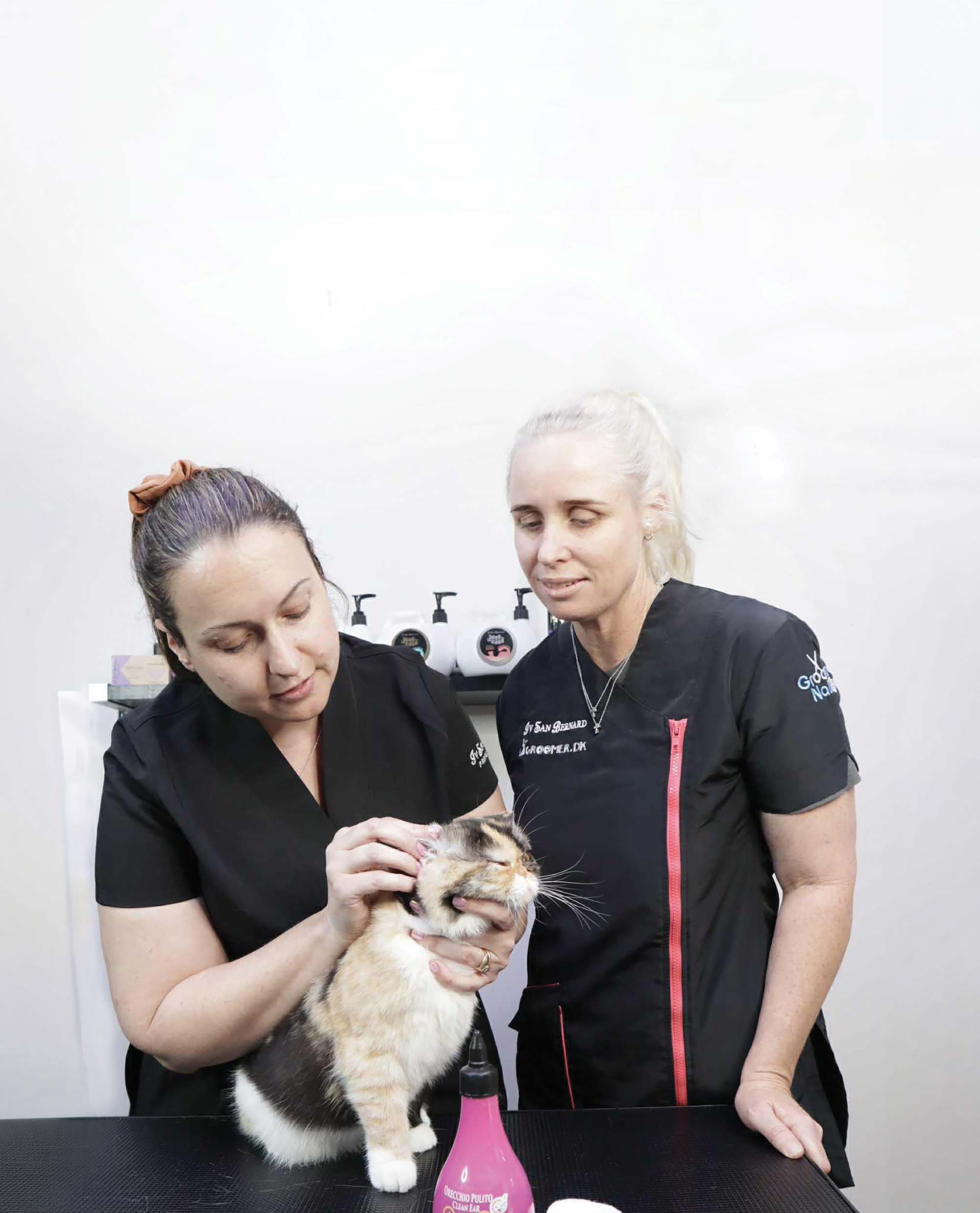
 hen most individuals hear the term “cooperative care,” there’s an automatic assumption that it means letting the animal in front of them make all of the decisions as though it is a hands-off, optional approach to grooming. Which, of course, sounds nice in theory, but is wildly unrealistic in a professional environment.
Cooperative care is not about handing over control in favor of the animal’s preference, but about establishing a space for effective communication between both the cat and the groomer. And when it comes to cats, communication is everything.
Cats are not inherently stubborn, evil, difficult or mean because they are resistant to your handling. They are a highly sensitive species with fast reflexes and strong survival instincts who happen to also have complex body language along with a very low threshold for feeling trapped. Their responses can absolutely seem subtle one moment then explosive the next, and not because they are unpredictable, but because people often miss their non-verbal communication before escalation occurs.

 hen most individuals hear the term “cooperative care,” there’s an automatic assumption that it means letting the animal in front of them make all of the decisions as though it is a hands-off, optional approach to grooming. Which, of course, sounds nice in theory, but is wildly unrealistic in a professional environment.
Cooperative care is not about handing over control in favor of the animal’s preference, but about establishing a space for effective communication between both the cat and the groomer. And when it comes to cats, communication is everything.
Cats are not inherently stubborn, evil, difficult or mean because they are resistant to your handling. They are a highly sensitive species with fast reflexes and strong survival instincts who happen to also have complex body language along with a very low threshold for feeling trapped. Their responses can absolutely seem subtle one moment then explosive the next, and not because they are unpredictable, but because people often miss their non-verbal communication before escalation occurs.
This is where cooperative care begins. It asks us to stop seeing the resistance as defiance and start understanding it as information. Instead of asking, “How do I make this cat comply?” it asks the groomer to consider, “What is the cat telling me, and how can I respond in such a way that keeps everyone safer?” It requires us to recognize when a cat is participating, when they are reaching the end of their tolerance and when they’re in danger of escalating into crisis.
Cooperative care is the place between what needs to be done and how carefully we choose to do it. The hardest part of our work is not actually the cat, but the groomer. Cats are honest animals. They will tell you when something is too much, if they’re unsure about it or if you’re over-handling them. The question isn’t about if cats are communicating with us, but if we’re listening to them.
That being said, they don’t understand if we’re trying to communicate the long-term effects of unattended urine scald, fecal contamination, embedded nails, pelted coats and other various neglected hygiene. All they know is we’re trying to do something to them that they have an invested interest to not see happen. But necessity does not excuse force as a default for handling, or resistance as an excuse for negligence.
As professional cat groomers, we have a responsibility to address the hygiene, comfort and health concerns in front of us. Our communication to the cat is expressed by getting our tasks done efficiently, effectively and as quickly as possible without pushing the cat past their capacity for handling.
A cat who allows more drying at the next appointment is progress. A cat who no longer panics when their feet are being touched is progress. The cat who once needed an overwhelmingly intense pelt removal but can now be maintained on a routine grooming schedule is progress. These moments may not make for the most dramatic photos, but they are the moments that actually change a cat’s experience.
True feline skill is not found in overpowering the cat, but in empowering them. It is found in the groomer choosing to adjust the environment, change the tools, shorten the session, modify the groom, pause the process or seek veterinary support.
Cooperative care is not passive or permissive; it is active, educated and intentional. This type of care requires preparation, timing, humility, professional reflection and the ability to adapt in real time. It begins when we choose to approach compassionately, and it lives within the language we use.
The language we choose to use matters because it does not just become the cat’s story in our care, but a part of the larger narrative surrounding the entire feline species. When we label cats as mean, dramatic, aggressive or impossible, we stop looking for answers. We make the cat the problem instead of examining the process. Cats are not difficult because they are cats; cats become difficult to handle when their needs, instincts, anatomy, stress signals, and thresholds are disregarded and ignored.
Proper documentation allows us to track patterns, identify triggers, measure improvement and make better decisions. It allows us to begin identifying pattern recognition so we can then analyze whether a cat does better with a quieter dryer, a different tub setup, shorter sessions, a different order of services or even something as simple as a different time of day.
Most importantly, documentation validates the cat as an individual. Not every cat can handle the same thing or needs the same thing. A purebred Persian from a show household is not the same groom as a longhaired rescue with social trauma who has never been professionally handled. A senior cat with arthritis is not the same appointment as a young, healthy cat receiving routine maintenance. Cooperative care sees those differences and is interpreted appropriately by the professional to be effectively communicated to the owner.
We cannot talk about cooperative care without talking about client communication, aka education. We have to stop telling clients that everything went great when it didn’t. If the cat struggled, tell them. If they reached their limit, explain when and why. If only part of the service was completed, run it through with the owner. Give their person the knowledge and information needed to help set the cat up for success next time—even if it’s not with you.
Client communication does not mean being cruel, making excuses or being evasive. Cats can improve. With positive conditioning, appropriate exposure, thoughtful handling, honest documentation and consistent routine care, many cats can become more tolerant, confident and successful over time.
Before we can ask cats to cooperate, we have to understand what cooperation actually requires from us. We have to listen before we label, observe before we assume and adapt before they escalate. Cooperative care is not a trend or a soft alternative to real grooming, but a higher standard of feline care, because it requires the groomer to be more observant, honest, educated and willing to adapt to the cat in front of you. The goal is not simply to finish the groom, excuse ugly work or dismiss more challenging temperaments, but to provide care in a way that cats can handle, recover from and eventually learn to trust.


Photos by Groomer Nation PTY LTD
 s feline grooming continues to establish itself as a specialized discipline within the pet grooming industry, many experienced groomers are beginning to ask an important question: Are we teaching cat groomers enough?
While existing training pathways provide a useful starting point, a growing gap between entry-level cat grooming education and the realities of working safely and ethically with cats in a professional grooming environment was apparent. The result was not simply the development of another grooming course, but a reconsideration of what modern feline grooming education should look like.
Yet, historically, much of grooming education has focused heavily on techniques and coat care, often leaving groomers to gain deeper knowledge through years of experience. This revealed an obvious need for training that went further—not only in technical skills, but in anatomy, feline behavior, first aid, welfare assessment, communication and critical thinking.
If a groomer notices signs of pain, respiratory distress, stress, skin disease, arthritis, obesity, cognitive decline or behavioral changes during the appointment, the plan should change accordingly. This approach represents a move away from the traditional view that every cat should fit into a predetermined grooming process; instead, the cat determines the plan.
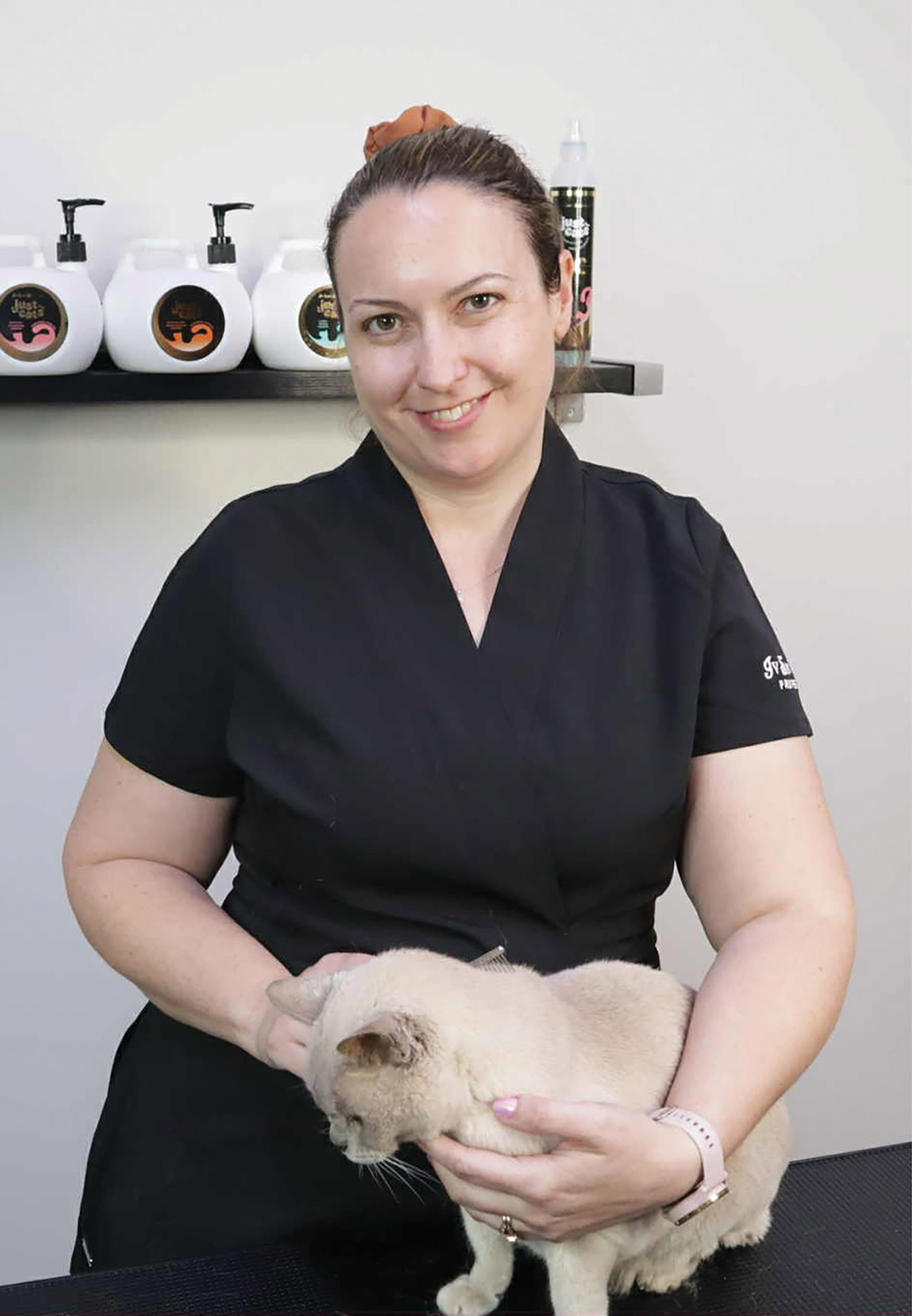
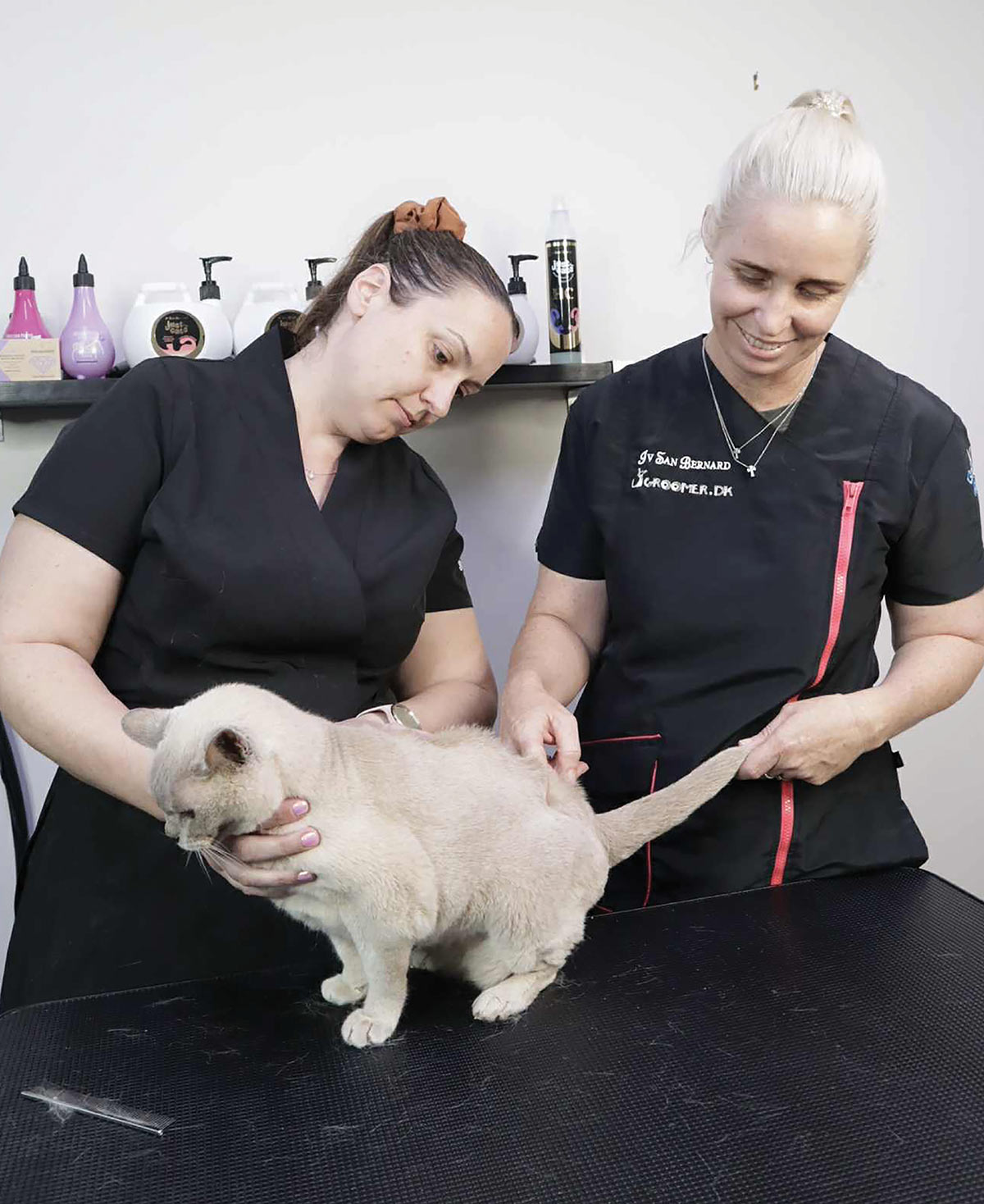
A cat is rarely aggressive without reason. More often, what groomers are witnessing is a cat communicating extreme fear, anxiety, stress, pain, frustration, illness or a combination of these factors. When viewed through that lens, the groomer’s role changes dramatically.
Rather than asking, “How do I control this cat?” the question becomes, “What is this cat trying to tell me?” This shift in perspective encourages observation, empathy and adaptation, creating safer outcomes for both the cat and the groomer.
- Understanding feline body language
- Recognizing early stress signals
- Identifying fear responses
- Adjusting handling techniques
- Reducing restraint wherever possible
- Knowing when a procedure should stop
Low-stress handling does not mean every cat enjoys grooming; it means the groomer develops the skills to minimize emotional distress while maintaining safety and welfare. For many experienced cat groomers, this represents one of the most important advances in the profession over the past decade.
A stronger understanding of anatomy helps groomers identify potential concerns and modify procedures appropriately. It informs positioning, handling, clipping techniques, bathing procedures, drying methods and overall welfare decisions. In short, understanding what is happening beneath the coat can be just as important as understanding the coat itself.
Experienced feline groomers are learning to assess coat texture, hydration levels, skin condition, sebaceous activity, environmental factors, age-related changes and overall coat integrity. The goal is not merely to strip oils from the coat, but to support healthy skin function, maintain coat quality and select products that meet the individual needs of each cat.

This philosophy encourages groomers to see every appointment as more than a grooming service. From the first client conversation through to the completion of the groom, each interaction becomes part of an ongoing welfare assessment. The cat becomes more than a coat, and the groomer becomes more than a technician.
As the industry evolves, so too do expectations. Today’s cat groomers are often among the first professionals to notice changes in behavior, mobility, skin condition, coat quality, body condition, or signs of pain and illness. Understanding anatomy, first aid, infection control, zoonotic disease risks, low-stress handling and feline behavior is becoming just as important as technical grooming skills.
This educational philosophy has also expanded beyond Australia through the Professional Certified Cat Groomer (PCCG) program. While the Australian qualification has been tailored to local legislation, diseases, welfare requirements and salon practices, the PCCG has been adapted to reflect international regulations, regional health concerns, zoonotic risks and best-practice standards worldwide.
Regardless of location, the principles remain the same: Cats come first, behavior is communication, low-stress handling matters and welfare should guide every decision. Ultimately, the aim is not simply to create groomers who can complete a groom, but to develop professionals who understand the whole cat and recognize the connection between health, behavior, welfare, handling, skin, coat and client communication. Because the most important evolution in feline grooming may not be a new technique or a new qualification—it may simply be a new way of seeing the cat in front of us.
Lexie Goldsmith is a Qualified Veterinary Nurse, Certified Master Cat Groomer, and qualified Trainer and Assessor with over 18 years of experience in feline care and grooming. A strong advocate for low-stress handling, she has helped reshape modern cat grooming by promoting techniques that prioritize feline welfare while delivering exceptional results. Through the Australian Certified Cat Groomer Program, Lexie shares the knowledge and methods she has refined throughout her career, helping grooming professionals worldwide develop confidence, skill, and a deeper understanding of feline grooming. To learn more about the program and start your journey in professional cat grooming, visit www.learncatgrooming.com.au
Classified