







ALSO INSIDE
todd@barkleigh.com
adam@barkleigh.com
gwen@barkleigh.com
rebecca@barkleigh.com
luke@barkleigh.com
laura@barkleigh.com
brandi@barkleigh.com
carlee@barkleigh.com
evan@barkleigh.com
allison@barkleigh.com
james@barkleigh.com
karin@barkleigh.com
presley@barkleigh.com
Daryl Conner
Amanda McGrath
Dr. Cliff Faver
Blake Hernandez
Melissa Viera
- Andis2
- Animal Photography56
- Best Shot Pet – Scentament Spa31
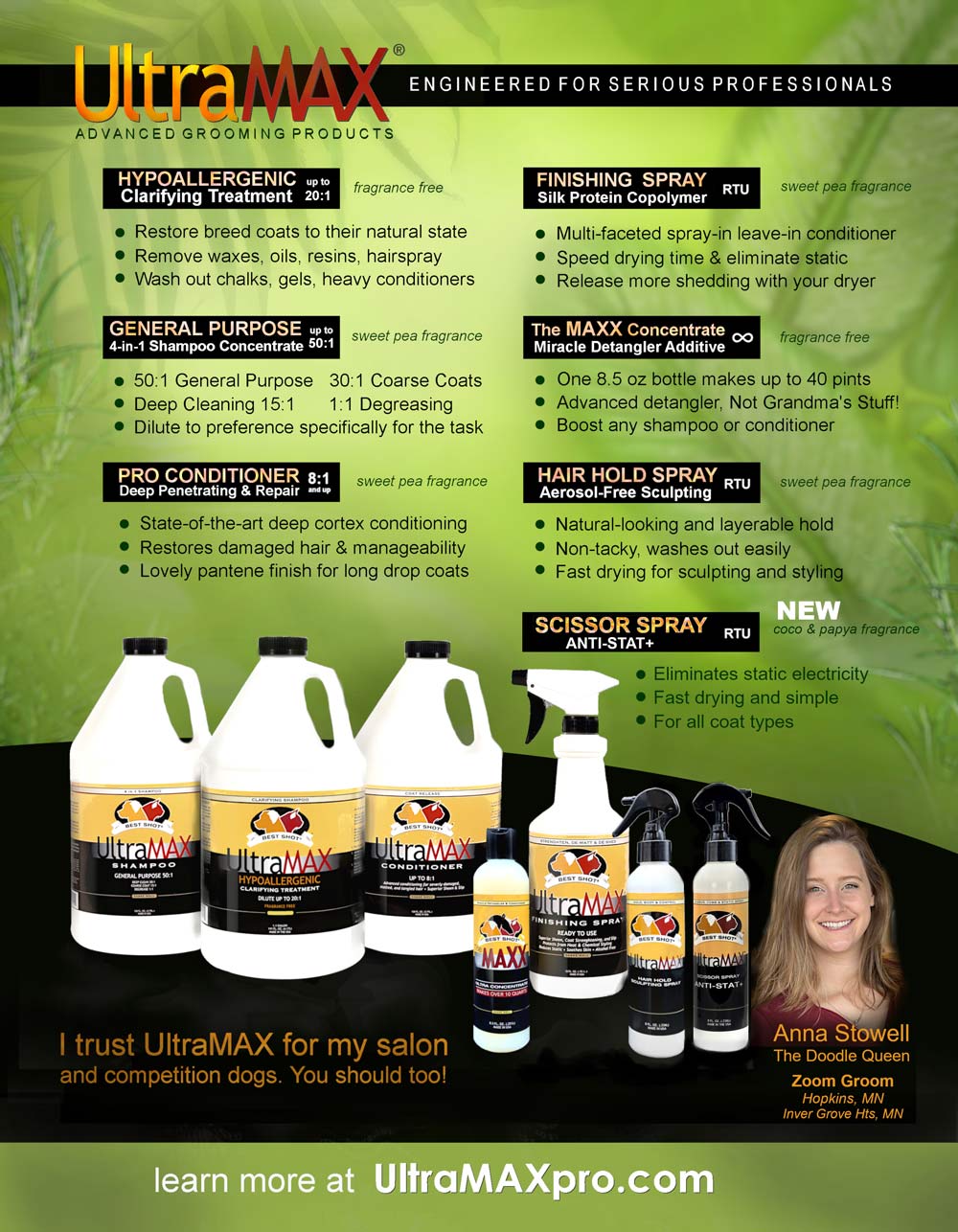
- Best Shot Pet – UltraMAX49
- Best Shot Pet – UltraMAX21
- Cosmos Bathing Systems53
- CU1000 Pet Shears16
- Direct Animal Products9
- Double K Industries3
- Electric Cleaner Company7
- Envirogroom | Special FX Premium Products27
- Evolution Shears12
- EZ Groom Pro43
- Friedman Tax
- Governor Insurance Agency34
- Groom Expo62
- Groomer’s Choice4
- Groomsoft45
- Hanvey25
- Happy Hoodie50
- Heiniger29
- IV San Bernard54
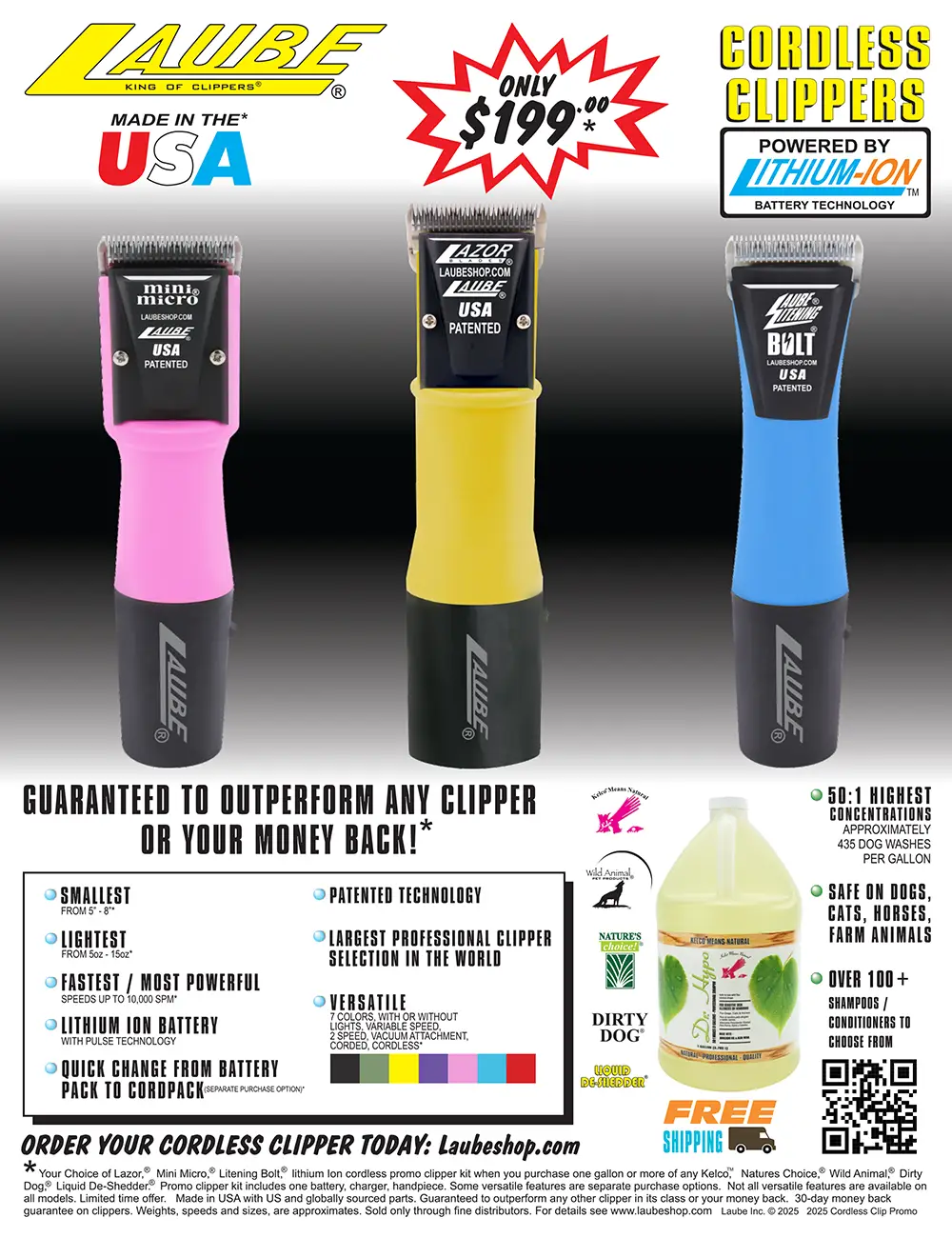
- Laube63
- Midmark42
- Mobile Grooming World64
- Odorcide35
- Paragon School of Pet Grooming20
- Pet Boarding and Daycare Podcast55
- PetBizInsurance.com8
- PetLift17
- Poly Pet-Tubs59
- Puppy Playground41
- Quadruped Pet Care13
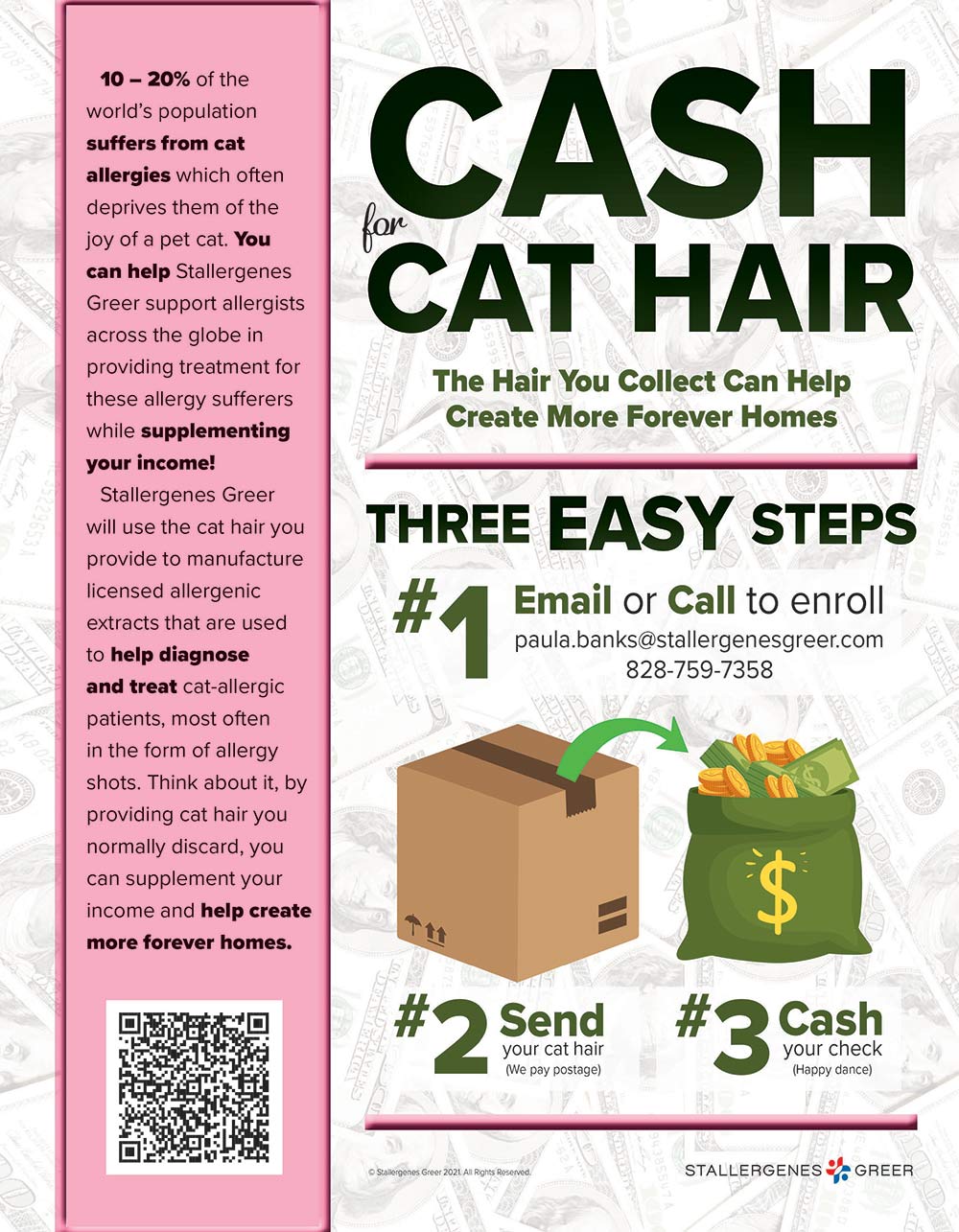
- Stallergenes Greer29
- StypStix33
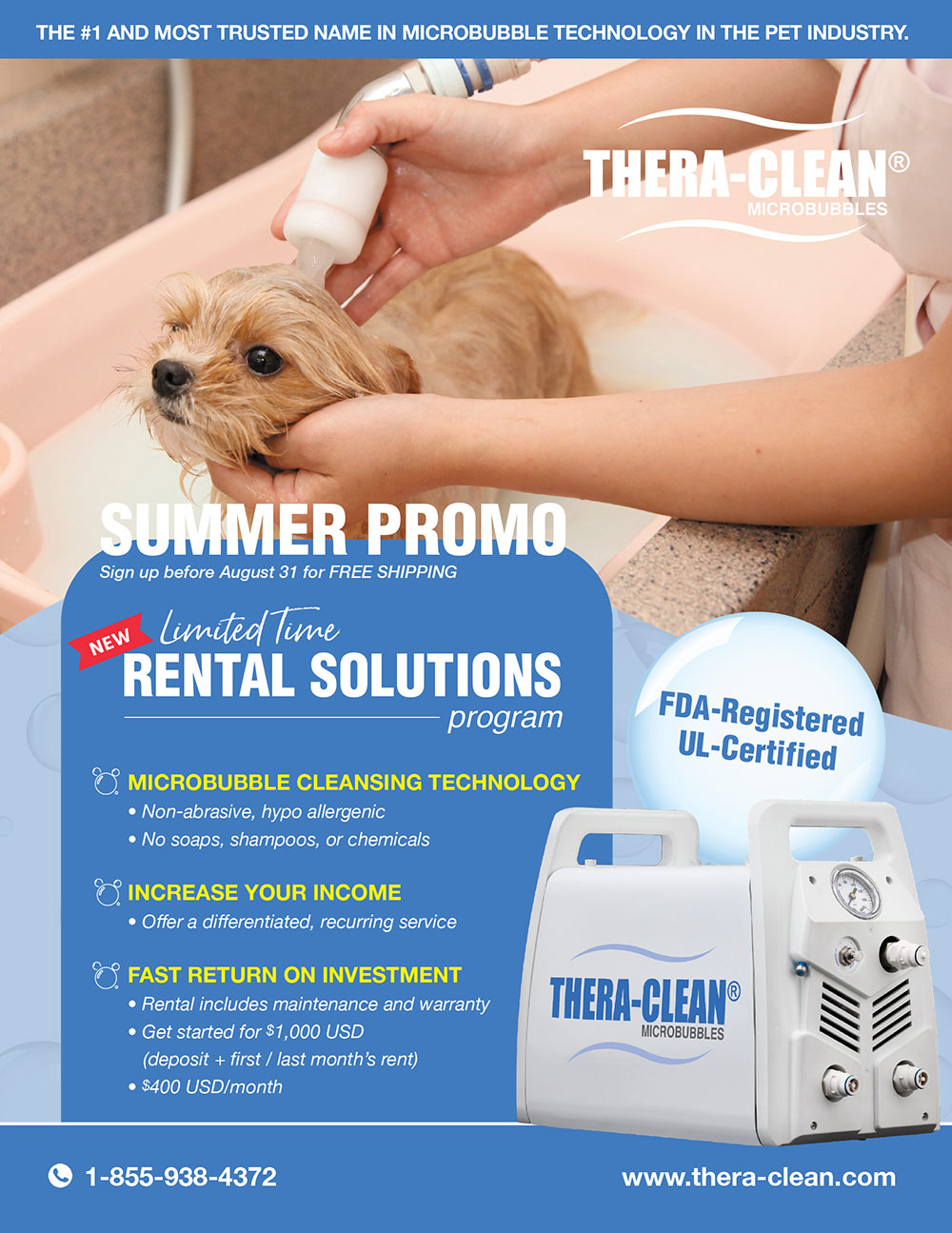
- Thera-Clean47
- Wag’n Tails57
Featured Spotlight Profile
Midmark



















 olly’s Pet Grooming. This is Polly. How may I help you?”
“Hi, My dog needs her hair cut. What do you charge?”
“Well, it depends. What kind of dog do you have and when was she groomed last?”
“She’s a Miniature Schnauzer and she was groomed about six weeks ago.”
“Our base price for a Miniature Schnauzer full groom is $80, but depending on her coat condition and the time it takes, it could be more.”
“$80 for just a haircut? That’s ridiculous. I’ve never paid more than $65. Do you price match?”
Does this sound familiar?
Every professional groomer has had some version of this conversation. And while it can be frustrating, it also highlights one of the biggest challenges in our industry: the disconnect between price and value.
When a potential client asks, “How much do you charge?” what they’re often thinking is, It’s just a haircut.
The truth is, most pet owners simply don’t realize everything that goes into what we groomers do. But as professionals, we know grooming is never just a haircut; it’s not quick, easy or simple. Professional grooming is skilled, hands-on work that directly impacts a pet’s health, comfort and quality of life.
A lot of the time owners focus on the price, simply because they assume that every groom is the same from business to business. But if we groomers jump straight to quoting a price without explaining the full scope of what we provide, we unintentionally allow our services to be reduced to a number—something easily compared and undercut.
That’s where many groomers go wrong. You need to lead with the value you provide to them and their pets, not numbers. Before you even mention a price over the phone, take a moment to paint the full picture of what a grooming appointment includes.
This response shifts the focus away from price and pinpoints what they receive with your services. A reply like this is also a quick way to communicate your value to potential clients who reach out to you through a text or on your website. More and more groomers are not posting prices on their website for this exact reason.
You don’t need a long explanation; in fact, shorter is often better. Your goal is simple: Help the client understand that grooming isn’t just a quick haircut; it’s hands-on, detail-oriented work tailored to each individual pet, performed by trained professionals. Then shift the conversation to their specific dog or cat and work in how your services can benefit them. You are no longer “selling a groom;” you’re a professional offering a comprehensive care experience for their beloved pet.
Pet owners don’t see what happens behind the grooming table. They don’t always realize the time, skill and attention required to safely groom a pet—especially one that may be anxious, elderly or matted. This is where you have the opportunity to educate them and let them know that:
- You use professional-grade products chosen for their safety and effectiveness.
- Your tools are maintained and sanitized to the highest standards.
- You stay current through continuing education and industry training.
- You are trained in pet handling and safety protocols, including first aid.
When clients understand that their groomer is not just a stylist but a trained professional actively supporting their pet’s wellbeing, the value becomes clear. And that value, when effectively communicated, justifies your price.
When someone says they can get their dog groomed cheaper somewhere else, it can be tempting—especially when you are building your business—to match a lower price. But competing on price alone is a race you will never win. There will always be someone willing to charge less. However, not everyone will offer the same level of care, attention and professionalism that you do.
One of the most powerful changes we can make is helping clients understand that their pet’s grooming is not a luxury but essential care that’s part of responsible pet ownership. When they see grooming as part of their pet’s overall wellness and not as an optional expense, they are far more likely to commit to regular appointments.
Not every potential client will say yes, and that’s okay. Some will always prioritize the lowest price, and those are frequently the most difficult to satisfy and the least loyal over time. But the clients who do understand your value—the ones who appreciate your skill, trust your judgment and see the difference in their pet—are the ones who will automatically rebook, refer friends and family, respect your policies and pricing, and become advocates for your business.
When you clearly communicate the depth of your services, demonstrate consistent quality and confidently stand behind your pricing, clients stop asking, “Why does it cost so much?” and start saying, “My pet is worth it.” Because they are, and so is your work.
You are not “just giving haircuts;” you are handling animals with skill and care, supporting their health and comfort, and providing a professional service that requires training, patience and precision. When you embrace that role and communicate it with clarity and confidence, you do more than justify your pricing—you elevate your business, educate your clients and help raise the standard for the entire grooming industry.



e use shampoos and conditioners every day in our grooming procedures, but do we really know how to use them to our advantage? Understanding how products function, combined with a basic understanding of skin and coat science, can be a game-changer for both our results and our workload. The better we understand our products, the smarter (not harder) we can work.
Let’s start with the basics. Shampoos are detergents designed to clean. Their job is to strip oils, grab dirt and debris, and hold them in suspension until the product is rinsed away. While shampoos are essential for cleaning, they are naturally stripping the skin and coat. In general, the more lather a shampoo produces, the harsher and more stripping it tends to be.
Another important factor many groomers overlook is water quality. Shampoos do not differentiate between dirt and minerals, so if you are working with hard water, minerals in the water reduce cleaning efficiency. This often means you need more shampoo to achieve the same cleaning power.
It is also important to understand that standard shampoos are not designed to disinfect unless they contain specific antimicrobial ingredients. A regular shampoo may dilute bacteria or fungi and help remove some contamination, but it will not actually kill microbes.


Conditioners are formulated to help restore the skin barrier, but not all conditioners work the same way. The ingredients inside the conditioner determine how the product functions. Two of the most important categories are emollients and humectants.
Emollients are fats and oils designed to create a protective barrier on the skin and coat. They help seal and protect, but they do not truly hydrate the skin or hair. If the coat or skin is already dry, an emollient may simply trap that dryness underneath the barrier. Emollient-heavy conditioners can also weigh the coat down, increase drying time, make scissoring more difficult, and leave residue behind on the skin and coat.
Humectants function very differently. They are designed to be absorbed into the skin and coat while drawing moisture in. This actually hydrates the skin and hair rather than simply coating them. Humectants generally leave little to no residue, dry more quickly, and improve the overall feel and manageability of the coat.
Many conditioners contain both emollients and humectants, but how the product performs depends on which ingredients are most dominant in the formula. Understanding this difference can dramatically improve the way we approach skin and coat health.
Another important function of conditioners is their ability to break down dried oils and sebum. A simple concept to remember is that oils dissolve oils. If sebum has dried and hardened on the skin, shampoos alone often make the problem worse because they further dry the area. Humectants become especially important because they help soften and hydrate the buildup, making it break down more easily.
A good comparison is removing chewing gum with peanut butter. The oils in the peanut butter help dissolve the gum naturally. This is much gentler and more effective than aggressively attacking it with harsh detergents. The same concept applies to hardened sebum and impacted coats.
Once we understand how products work, we can start using them correctly. If a pet already has dry skin or damaged hair and we only shampoo, we continue drying the skin and coat further. Even if we shampoo and follow with a heavy emollient conditioner, we may simply replace surface oils without actually rehydrating the skin underneath.
Ideally, for routine coat care, it’s best to use a mild shampoo that cleans without excessively stripping the coat, followed by a humectant-based conditioner that restores moisture to the skin and hair. Done properly, this can help maintain healthier skin and coat function while reducing many of the dry, itchy conditions we commonly see in the salon.
The two main things holding dead coat or dander in place are dried sebum and dirt. Together, they create what is essentially “concrete” in the coat. If you start with shampoo, you often dry and harden that buildup further. If you don’t break down the “concrete” when you brush (pre- or post-bath), the coat resists release, forcing the groomer to work harder and increasing discomfort for the pet.
A much better approach is to begin with a humectant conditioner (condition-shampoo-condition). Allow the conditioner time to soften and break down the hardened sebum before moving into the shampoo stage. Once the buildup begins to release, the shampoo can clean the coat much more gently and effectively. Following with another hydrating conditioner helps restore moisture and protect the skin barrier.
One thing we must remember is that this is a chemical reaction, and chemical reactions require time. If the conditioner is rinsed off too quickly, it will not have enough contact time to properly soften and hydrate the buildup.
For heavily shedding pets or those that are groomed infrequently, allowing the conditioner to sit for 10 to 20 minutes can make an enormous difference. Breeds such as Great Pyrenees and Newfoundlands are excellent examples. If done correctly, much of the loose coat should be released directly into the tub. This significantly reduces drying time, brushing, cleanup and physical strain on the groomer.
Cutting down on time spent drying and brushing also helps protect groomers from inhaling hair, dirt, dander, bacteria and fungal debris. “Groomer’s lung” is a very real concern in the industry, and reducing airborne debris should be a priority for every professional groomer.
The same process also works extremely well for short-coated shedding breeds. Unfortunately, many grooming routines shampoo first and condition afterward, which often causes the coat to be released after the dog goes home rather than during the bath.
Understanding how to use your products correctly can improve your results, reduce your workload and create a much better experience for the pet. Healthy skin and coat are not just cosmetic issues—dry, itchy, shedding pets are uncomfortable. When we understand the science behind our products and use them properly, we can groom more efficiently while helping pets look, feel and live more comfortably.
Dr. Cliff Faver graduated with a BS in Biology/BA in Chemistry before getting a Veterinary degree in 1987. He is the past owner of Animal Health Services in Cave Creek, Arizona and now the US distributor for Iv San Bernard products, teaches the ISB Pet Aesthetician Certification program, and speaks internationally on hair and skin. His passion is to merge groomers and veterinarians to aid in helping and healing pets. He is also a member of AVMA, AAHA, AZVMA, Board member with Burbank Kennel Club, and has served on Novartis Lead Committee, Hill’s International Global Veterinary Board, and a Veterinary Management Group.

 ost groomers dread the day they see a Newfie or a Great Pyrenees on the schedule. They say things like, “My back is going to hurt so bad after this” or “It’s going to take me forever to groom them!” But it’s time to change that narrative and bring justice to the large breeds.
These gentle giants deserve to be groomed and pampered just as much as their more lap-sized friends. The following aims to provide some tools and tricks groomers can use the next time they are feeling defeated by a large dog before it even walks through their door.
These dogs need us groomers, and they deserve a good experience just as much as the others. So get yourself some headphones and a good playlist or audiobook and the time will fly by. If you find yourself complaining about the process before it’s even begun, you are setting yourself up for failure.
Another thing to think about is if you need a second person to help you. Yes, you could do them alone, but it may take an unfair amount of time for the dog, so it’s okay to book these dogs as a two-person job. It makes things easier for you, your employees, the dog and the owner.
With that being said, make sure you are charging appropriately. Prices are different for every groomer, depending on a number of things, such as location, experience and education. Understand your market and set your prices as necessary. Most large-breed owners won’t complain about price because a lot of groomers won’t even take them, so they are just happy someone is willing to help them out.
Another thing you can do to set yourself up for success is to establish realistic expectations with the owners beforehand. Make them aware of how long it may take, what the price range could be, what type of trims you will be able to do, etc. The more information you can give the owner beforehand, the better.
Finally, the last thing you can do is make sure you have the right tools to get the job done. A lot of these breeds require a fair amount of deshedding and dematting, and if you don’t have the right tools available to you, it will create twice as much work.


During long grooms it can get hard for these big guys to even hold themselves up. They need those sit-down breaks or a quick drink of water. So, it’s best to learn to work with them and not against them.
If you are dealing with a dog that’s a permanent sitter, do everything you can while they sit—scrub, dry, brush and trim whatever areas you can. When you get to the point where nothing else can be done, then that’s when you can ask them to stand up for a while. Chances are the dog will be a lot more willing to stand some after you’ve let them rest.
Don’t exhaust yourself trying to force a process that works with smaller dogs; these breeds are not the same. It is okay to use a belly band, ask for some help or spot-shave a tight mat. What is important while grooming these gentle giants is to focus on keeping the experience positive and as stress free as possible—not just for the pet, but for you too.
First, start with whatever shampoo the dog requires and scrub away. Once they are all sudsed up, use your high-velocity dryer to help push the shampoo deep into the coat. You are not trying to get the dog dry; you are simply breaking up the thick or matted areas and pushing the shampoo through. Once you have gone over the dog with the dryer, you should already be seeing hair flying free and mats loosening. Then you are going to rinse the dog thoroughly.
Next, and this might be the most important part of the whole process, you are going to use some sort of dematting or deshedding conditioner to completely coat the dog and scrub it through. The trick here is to find a conditioner that makes the coat slippery. You want all the junk in their coat to slide out as easily as possible. You’ll then use a good slicker brush to brush the conditioner through the coat as well.
Then, for the second time, you are going to use your high-velocity dryer and push the conditioner into the coat, really focusing on the areas that are matted and loosening as much hair as you can. Afterward, rinse the conditioner out and move on to fully drying the dog. Once you have the dog completely dry, you will be astonished at how little brushing you will have to do.
Strength training to help strengthen your core and back muscles to give yourself more support; yoga to help stretch out your body and increase mobility—it is no secret that grooming can be hard on one’s body. So, why not combat that in order to stay healthy and lengthen your career?
There are so many different ways to take care of yourself, and it really should be a top priority for anyone in our industry. It would be nonsense to choose a career known for causing wear and tear on the body, then be surprised or upset when that wear and tear happens—especially if you did nothing to prevent it.
It is time we groomers start taking accountability and set ourselves up for a long and healthy career full of dogs of ALL sizes!



 hen I first began sourcing products for the professional grooming industry, I would speak to a groomer—someone who had spent years refining their technique, could tell you exactly why they chose one pair of shears over another, and had strong opinions about clipper blade tension and dryer airflow—and ask them what they used to clean their clients’ ears and eyes. The answer was almost always the same: whatever came with the salon when they started, whatever was on the shelf or whatever the supplier had on promotion that month.
I found this genuinely puzzling at first. But then I started looking more carefully at the products themselves and I understood why the conversation always went that way: because the ear, eye and oral care category—across most of what is available to professional groomers—is where ingredient quality quietly collapses.
This is not an accusation. It is an observation built from years of reviewing hundreds of formulations, and from asking a question that sounds simple but rarely gets a satisfying answer: What is actually in this, and why?
Here is where the “ingredient gap” comes into play. A professional groomer today has access to shampoos with genuinely sophisticated formulations—pH-balanced, coat-type specific or with active botanical ingredients whose roles in the formula can be clearly explained. The shampoo market is competitive enough that quality has been forced upward. Brands have to justify their formulations and groomers have learned to read labels, ask questions and notice when a product underperforms. The ear and eye care market, however, has not been put under that same pressure.
Walk into most grooming suppliers and look at the ear cleaning solutions they offer, then read the ingredient lists. You will find products where the entire formulation is described as “water, preservatives, fragrance.” You will find alcohol-based solutions used routinely on ears that are already inflamed. You will find multi-purpose wipes—sold as suitable for ears, eyes, paws and general cleaning—whose single formula cannot possibly be appropriate for all of those applications. None of this is hidden; it is right there on the label.
The problem is that most groomers are not reading ear and eye care labels with the same critical eye they bring to shampoo selection. I think this happens for a simple reason: Ear and eye care feels like a minor part of the groom. You clean the ear, you wipe the eye corners, you move on. It does not feel like a decision with the same weight as choosing which clippers to invest in. But for the animal, it very much is.
Consider what we know about canine ear anatomy. A dog’s ear canal forms an L-shape—a vertical section and a horizontal section meeting deep inside. This design means that moisture, debris and wax cannot drain as easily as it would in a human ear. So it accumulates to form a warm, moist environment that is ideal for bacteria and yeast to establish themselves.
This is not rare or extreme cases—this is standard practice in many salons. The product is used simply because it is what is available, not because anyone has seriously asked whether it is appropriate for a dog whose ears are already showing early signs of inflammation.
The eye area presents a similar pattern, with some additional complications. The skin around a dog‘s eyes is among the thinnest and most reactive on their body. Products applied here— tear stain removers, wipes, topical solutions—sit in direct proximity to the eye surface. The margin for formulation error is very small. And yet this is another area where multi-purpose products dominate, and where ingredient lists frequently include compounds that would not be considered appropriate near the human eye, let alone offered to pet owners as a safe routine product.
The same ingredient gap appears in oral care. Groomers are frequently sold dental sprays or breath fresheners that rely on harsh alcohols, artificial masking agents or synthetic sweeteners. Rather than supporting the natural environment of the mouth, these products mask the problem cosmetically—and sometimes dry out the very tissue they are supposed to protect.
A dog’s mouth is not a different version of a human mouth. It has its own pH, its own microbial balance and its own needs. A formula that ignores all of this and goes for cheap chemical shortcuts is not an oral care product—it is a cover-up.
When curating products for professional groomers, I set myself a rule that turned out to be more useful than I expected: I would only approve products where I could explain the purpose of every ingredient in the formula. Not just the headline actives—the whole list.
This eliminated a large number of products very quickly. Not because they were necessarily harmful, but because the formulations did not hold up to that basic level of scrutiny. If I could not explain what a preservative system was doing and why it had been chosen over alternatives, that was telling me something about how the product had been developed—or not developed.
When a formula is built around that kind of understanding, every ingredient earns its place. Botanical extracts with documented antibacterial or anti-inflammatory properties appear because they perform a specific function, not because they are marketing shorthand for “natural.” Preservative systems are chosen for compatibility with sensitive tissue, not just for cost or shelf stability.
This is a different kind of product development. It takes longer and costs more. And it produces something that a groomer can actually explain to a client—which, increasingly, is what clients expect.
Most groomers are careful, attentive professionals who notice when something is wrong and act on it. The grooming salon is, for many dogs, the first place where early signs of ear, eye or dental problems are caught. That role is genuinely important, and it should be recognized more clearly in how our profession describes itself. But there is an inconsistency in how the profession approaches product quality that deserves attention.
A groomer who would spend significant time and money selecting the right blade for a particular coat type should bring the same seriousness to what they put inside a dog’s ear canal or mouth. These are not equivalent decisions in terms of cost, but they carry equivalent weight in terms of impact on the animal.
The good news is that the products exist. There are ear care formulations with transparent ingredient lists, clear rationale for their composition and formulation standards that respect the sensitivity of the tissues they contact. There are eye wipes developed specifically for the periocular zone with pH values appropriate for that environment. They are not yet the default, but they are available, and choosing them costs a groomer very little in practical terms while potentially meaning quite a lot to a dog whose ears are cleaned every six weeks for years.
The grooming profession has spent the last decade doing the important work of establishing itself as skilled, knowledgeable and indispensable to pet health. We have moved away from the idea that grooming is cosmetic and toward a much more accurate understanding of our role in the animal’s overall wellbeing.
It is no longer consistent to invest deeply in technical skill and professional equipment while quietly accepting low ingredient standards in ear, eye and oral care. The gap between the care we bring to tool selection and the care we bring to product selection in this category is the ingredient gap. And it is one that every professional groomer has the knowledge, and the standing, to close.
Next time you order ear cleaner, eye wipes or dental spray for your salon, read the full ingredient list. Ask yourself whether you can explain the purpose of every item on it. If you can, good. You have found a product that takes your profession as seriously as you do. If you cannot, that might be the most useful piece of information your supplier has given you in a long time.
Gasparas Lekavicius is the CEO and Founder of www.groomica.eu, a premier European hub for professional grooming excellence. Groomica.eu connects modern pet stylists with high-performance tools, natural cosmetics, and expert education to elevate the industry standard.


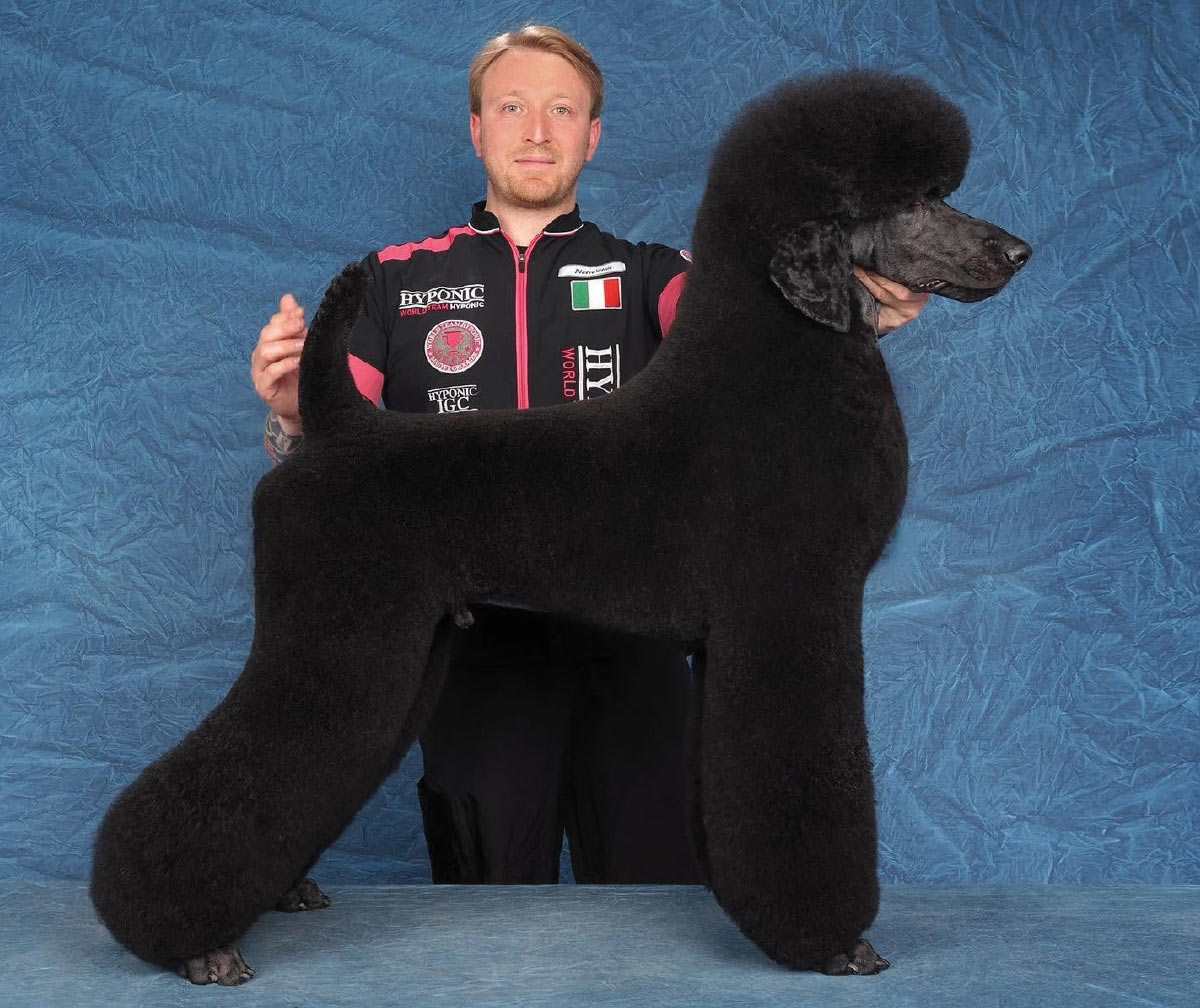


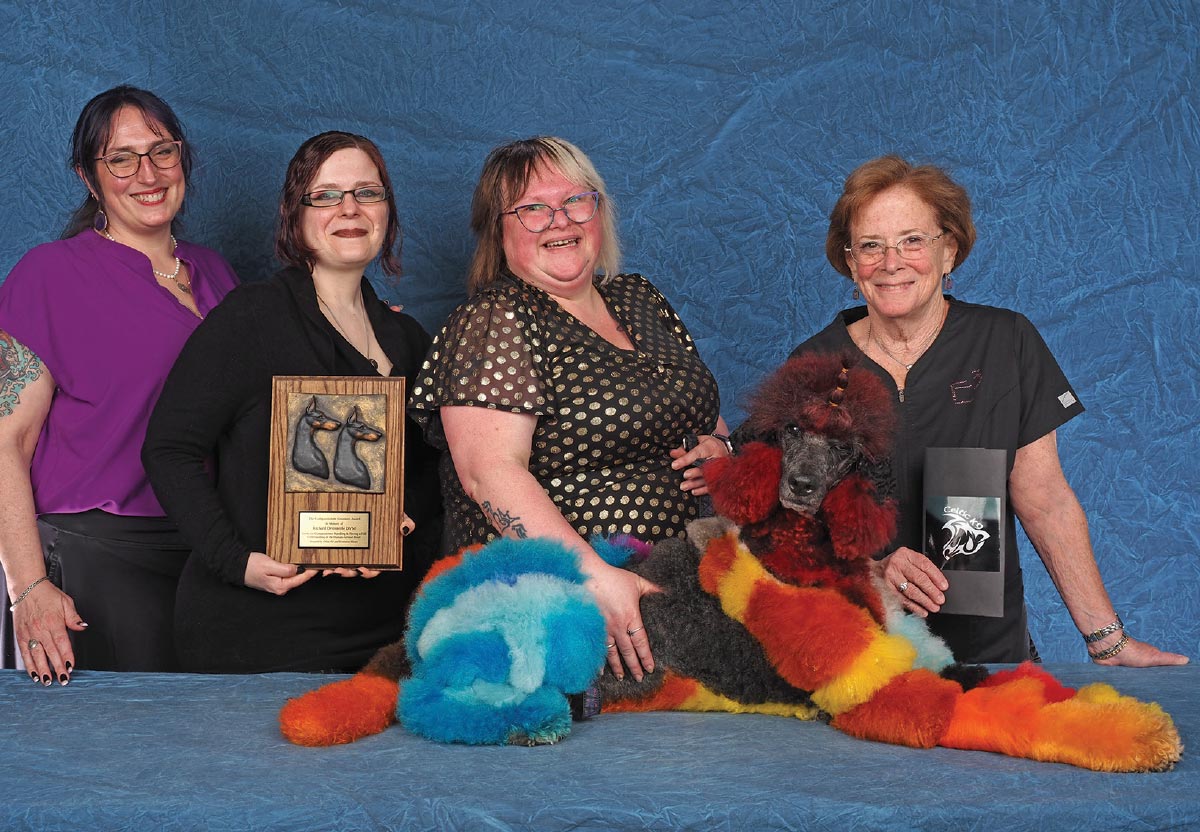

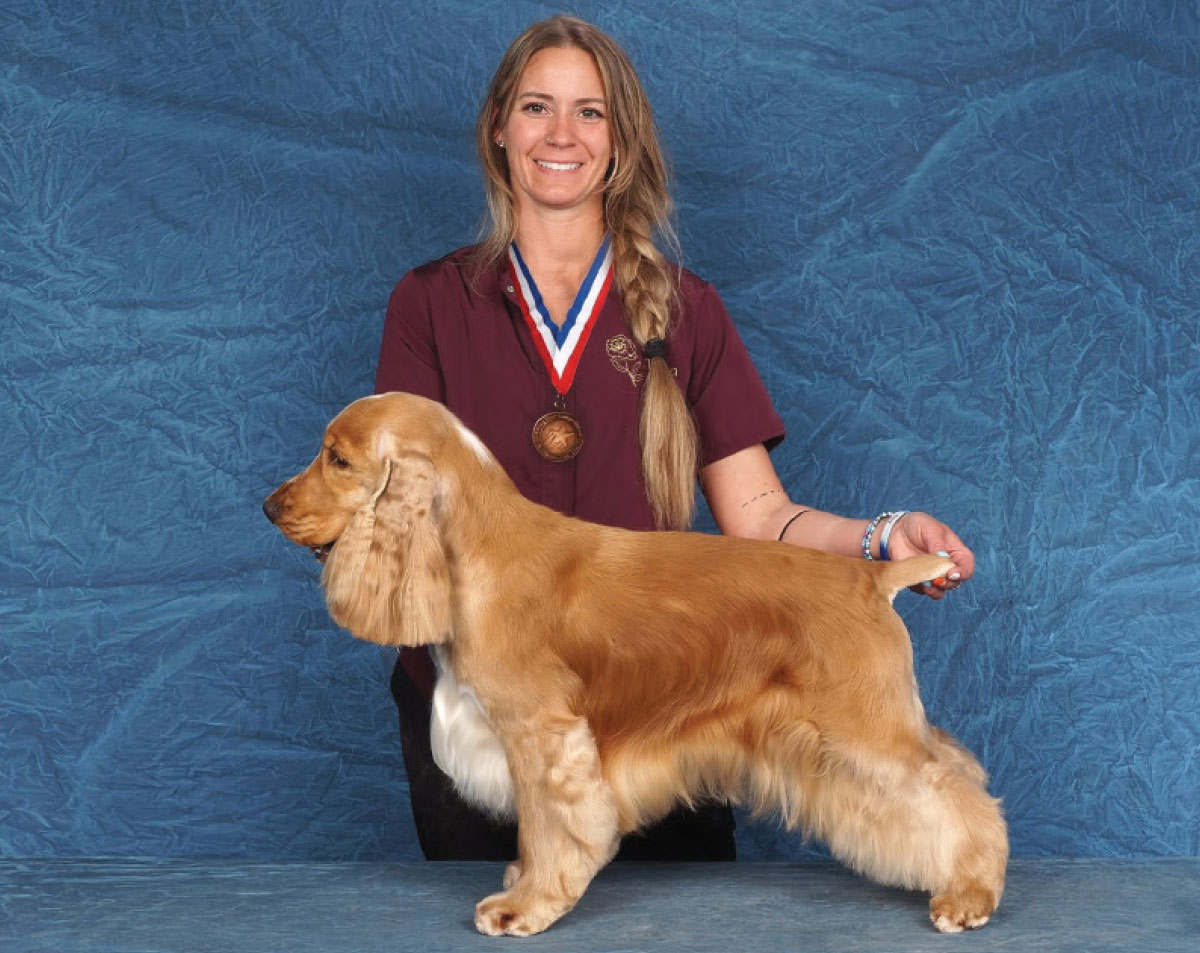


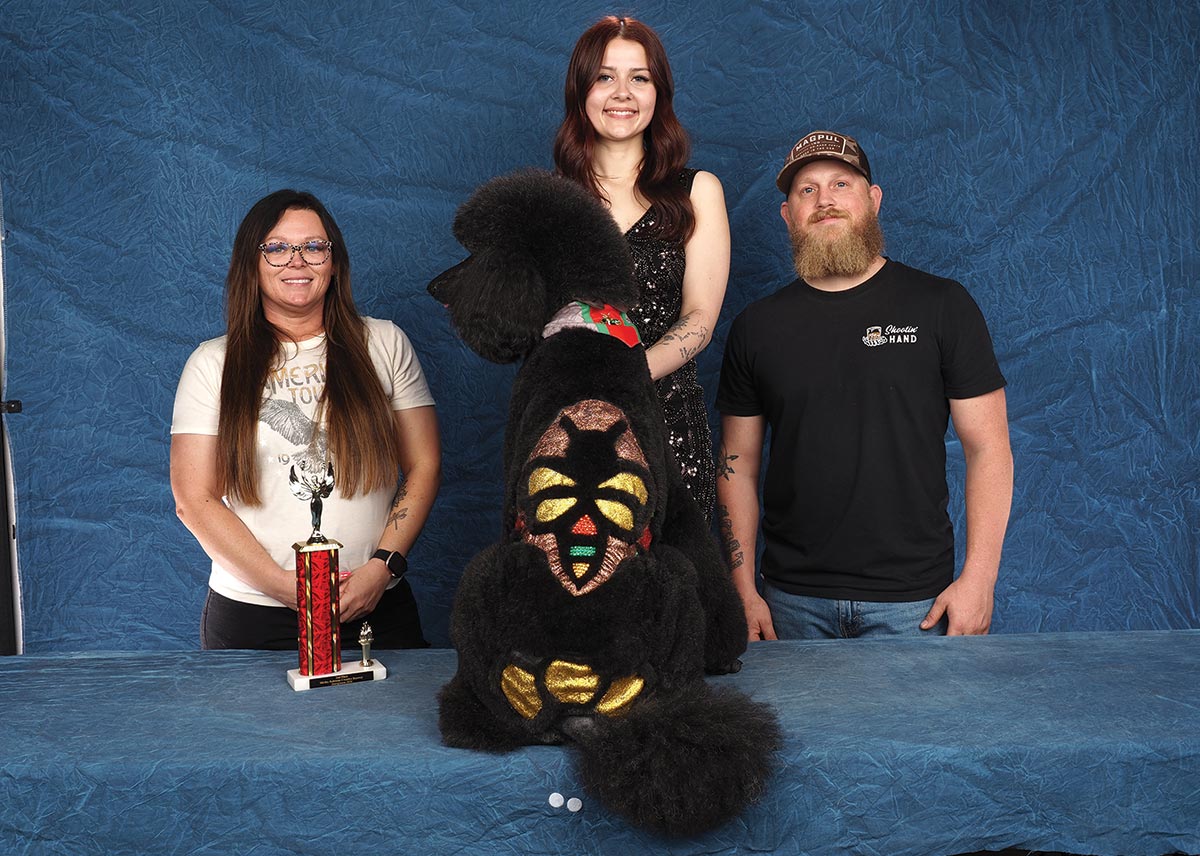


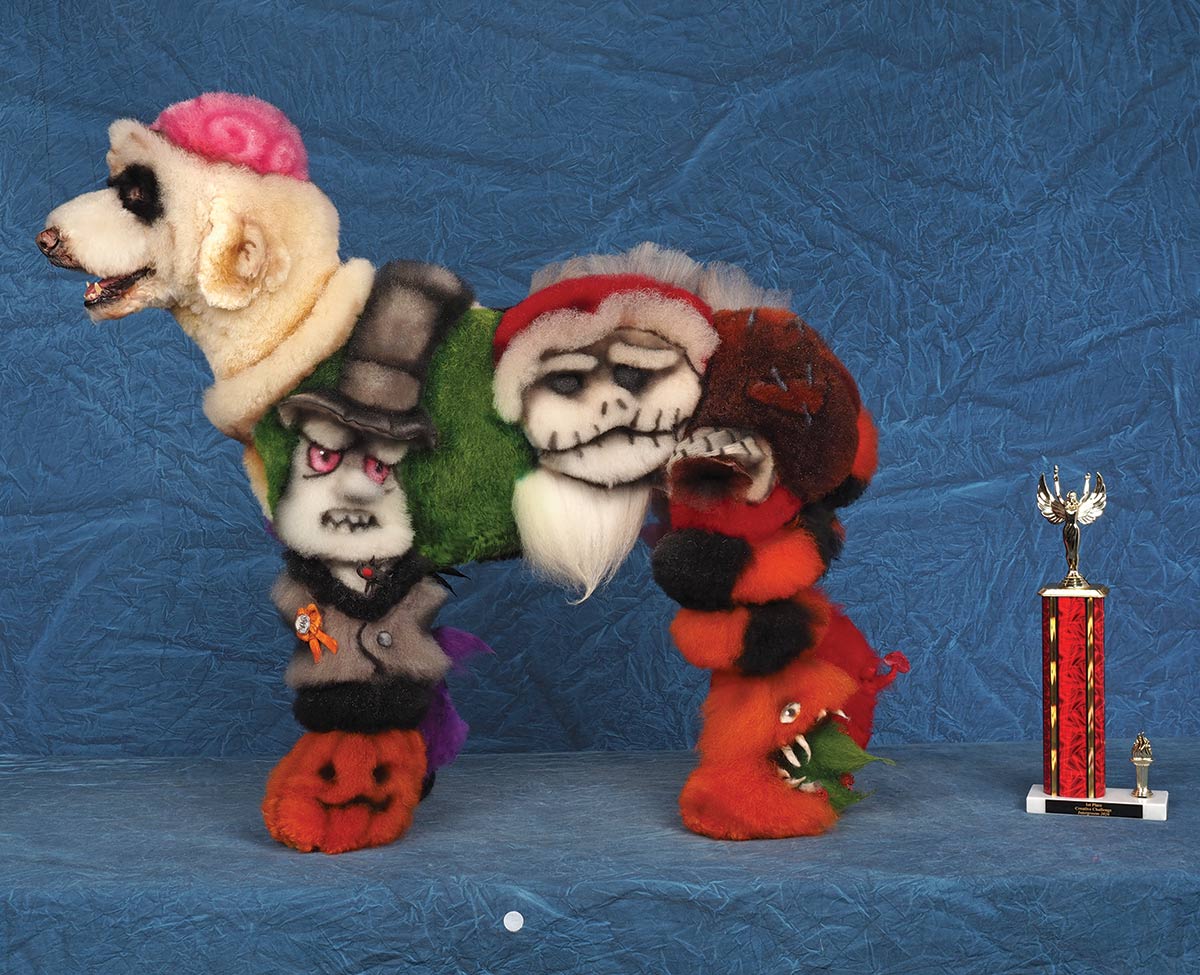


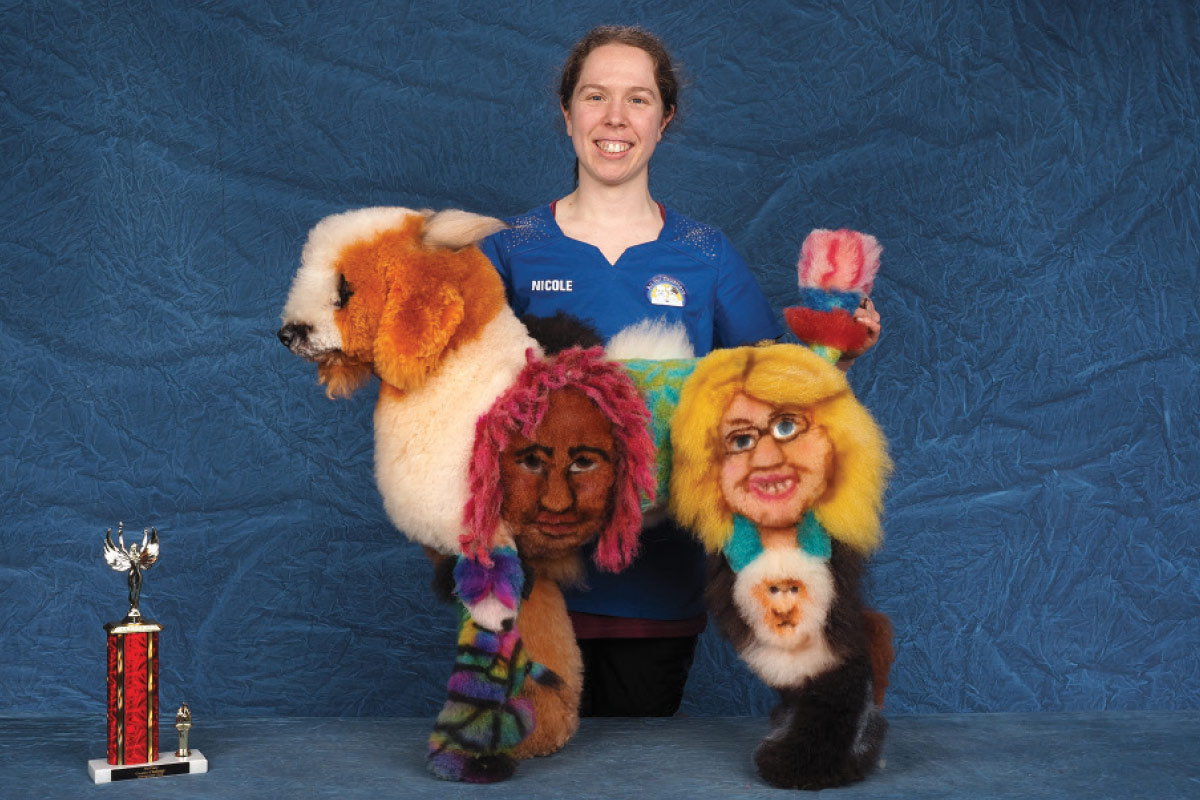



by Amanda McGrath
 hen we hear the word “upselling,” it can immediately create some discomfort. Many people associate the word with pressure tactics, awkward conversations or convincing someone to buy something they do not really need. And for some groomers who may have worked in a corporate setting, it brings back uncomfortable memories of having to meet certain quotas.
In today’s grooming industry, specialty shampoos, conditioners and coat treatments are no longer considered luxury extras reserved for a small percentage of clients. Pet owners are increasingly interested in customized care and are becoming more aware of skin, coat and wellness concerns. Many clients are actively looking for guidance from professionals they trust. That creates an opportunity for salons to improve results for the pet while also increasing revenue in a way that feels natural and genuine. The key is learning how to recommend services without making clients feel pressured.
One reason many groomers struggle with upselling is because they worry about sounding too much like a used-car salesman. There is often a fear that clients will assume recommendations are only about making more money. Some groomers also feel uncomfortable hearing “no,” so they avoid making recommendations altogether. Others pre-decide what clients are willing to spend before even having the conversation.
But when we avoid discussing beneficial services, we may actually be doing clients and pets a disservice. If a dog has extremely dry skin, a damaged coat, excessive shedding or matting issues, specialty products can significantly improve both the pet’s comfort and the grooming results. Recommending those options is not being pushy; it is part of being knowledgeable and thorough.
The important mindset shift is this: Upselling should not be viewed as convincing someone to spend more money. It should be viewed as helping clients understand what options are available for their pet’s specific needs.
Modern pet owners are increasingly accustomed to personalized services in nearly every area of life. Human salons, spas and wellness businesses have normalized customized experiences. Clients understand the idea of targeted treatments, premium products and upgraded services. Grooming salons can approach coat care in much the same way.
These services are not simply “extras.” In many cases, they directly contribute to the quality of the groom and the pet’s comfort level.
Better products also frequently create better results for the salon team. Proper coat preparation can improve brushing efficiency, reduce dematting difficulty and create a cleaner finish. In some cases, the right products can even help reduce physical strain on groomers by making coat maintenance easier during the grooming process.
From a business perspective, specialty services can also improve profitability without dramatically increasing grooming time. Small service upgrades across multiple appointments can have a significant impact on average ticket prices over time. More importantly, they can increase the perceived value of the salon experience.
However, the difference between effective recommendations and pushy selling comes down to how those conversations are handled. Pushy selling tends to feel generic and transactional. It often involves offering the same upgrades to every client regardless of the dog’s actual condition. Clients can quickly recognize when recommendations feel scripted or financially motivated. Pressure tactics or making clients feel guilty for declining services almost always damages trust.
Professional recommendations feel entirely different, as they are personalized. They are tied directly to the dog standing in front of you, and they focus on education and problem-solving rather than sales.
For example, instead of saying, “Do you want to add our premium conditioner today?” a groomer might say, “I’m noticing his coat is feeling pretty dry right now, especially around the legs and tail. I think a conditioning treatment would really help with moisture and brushing.” That conversation feels more natural because it is rooted in observation and care.
Timing also matters. Recommendations tend to feel most comfortable during the check-in process or coat assessment when clients are already discussing their pet’s condition and needs. Explaining why a recommendation could help often makes clients much more receptive.
Confidence plays a major role as well. Clients trust professionals who communicate calmly and clearly. If recommendations sound apologetic or uncertain, clients may question whether the service is actually valuable. Groomers do not need to sound overly rehearsed or “salesy,” either. In fact, the more conversational and educational the discussion feels, the more comfortable clients usually become.
It is also important to avoid overwhelming clients with too many add-ons at once. When every service is presented as an upgrade opportunity, clients may begin tuning out recommendations entirely. One thoughtful, relevant suggestion is usually far more effective than listing multiple upgrades every visit.
Consistency among team members is another major factor that is often overlooked. Clients build trust when the groomer, receptionist and bathing staff all communicate services similarly. If one team member describes a treatment one way and another explains it completely differently, it can create confusion and uncertainty.
Service menus can help reinforce this by clearly explaining treatment options and benefits. Social media can also play a role by showcasing coat transformations, before-and-after results, and educational content about skin and coat care. When clients regularly see discussions about coat health and customized care, specialty services begin feeling normal rather than optional luxuries.
Many salons also find success by encouraging long-term coat maintenance plans rather than one-time upgrades. Some dogs may consistently benefit from moisturizing treatments, deshedding services or specialty skin care throughout the year. Framing recommendations as part of ongoing coat health often feels more professional and less sales-oriented.
It is also important to remember that client education takes time. Not every client will immediately agree to upgraded services, and that is okay. Building trust is a long-term process. Some clients may need multiple conversations before they fully understand the value of certain treatments.
In the bigger picture, thoughtful upselling is really about improving care and strengthening relationships. When groomers recommend services based on the pet’s actual needs, everyone benefits. Pets experience healthier skin, more comfortable grooming appointments and improved coat quality; clients feel supported by professionals who pay attention to details and provide individualized care; and salons benefit from increased revenue and stronger client loyalty.
At its best, upselling is not about convincing people to spend more money—it is about helping clients make informed decisions about their pet’s care. When a recommendation comes from knowledge, honesty and genuine concern for the pet, most clients do not view it as upselling at all; they simply view it as professionalism.
by Keith Loria
Photos provided by Cali Pets
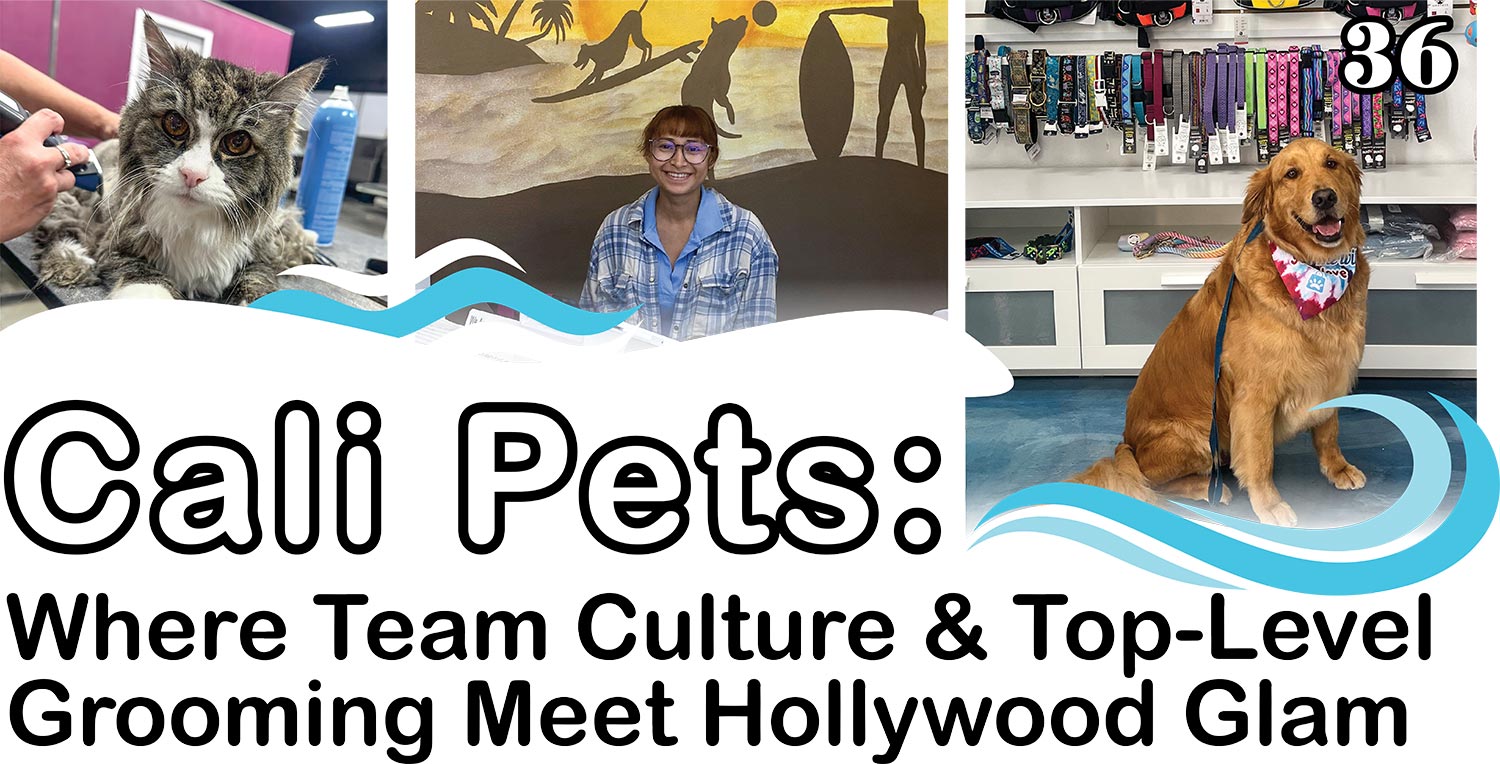
 ong before she owned a salon, trained competitive groomers or designed her California-inspired grooming space, Tracy Downing was a kid in Ohio helping her mother bathe and dry show dogs in a basement grooming setup.
“My mom’s a dog groomer, and she showed Siberian Huskies and Italian Greyhounds, so I ended up bathing and drying in her shop all the way through junior high and high school,” explains Tracy. “That was really my introduction into grooming.”
Today, she is the founder of Cali Pets, a growing Southern California grooming business known for breed-specific grooming, competition training and a deeply team-oriented culture.
“I think the biggest thing about our business is that we really try to keep it feeling like a family business,” she shares. “When people come to us, we care about their dogs and we care about their families.”
Growing up around dog shows gave Tracy an early appreciation for both grooming and breed presentation.
“I learned to fluff-dry and do nails, and I enjoyed it because I got to go to the dog shows too,” Tracy recalls. “I would see the dogs afterward and see them on the show grounds, so I always wanted to groom.”
Still, her mother made her wait until she was 18 before teaching her how to groom professionally. By the age of 20, Tracy moved to California with her two children and started working as a groomer because it was the skill she knew best. But even with her years of experience, she quickly realized there was still much to learn.
“When I learned to groom, I learned pet grooms, and I didn’t really know the difference,” Tracy admits. “Then I moved up to San Francisco and worked with a groomer who showed Wheatens, and he told me my grooming was awful.”
Instead of discouraging her, however, the criticism motivated Tracy to improve.
“He helped me and guided me and taught me how to properly do breed cuts,” she explains. “That’s when I really got engaged.”


“I decided I wanted to learn more, so I went up to L.A. and met with a breeder in hand stripping,” Tracy shares. “I went to a show and was competing, and my judge told me I needed to go find someone to train me because I wasn’t going to win doing what I was doing.”
So, she did exactly that. Tracy began training under a Fox Terrier breeder and AKC judge, driving hours every week for six months to improve her grooming techniques.
“I went to Vegas that summer and took first place,” she exclaims. “After that, I thought, ‘Oh, I’ve got to learn more.’”
Today, competition grooming remains a major part of Cali Pets’ culture.
“We train really hard throughout the year to get to those competitions,” Tracy says. “We come in on days off, find dogs, get clients to let us use their dogs, and practice.”
Though she no longer competes herself, Tracy now coaches members of her team.
“When they go up there and compete and win, it’s amazing,” she proudly shares. “That’s probably my favorite part now.”
Cali Pets officially started in Tracy’s garage. And with help from her husband and son, she built the space and started taking clients.
Building a customer base required nonstop effort, though. Tracy leaned heavily on social media, flyers, mailers and local outreach. But that persistence paid off. At one point, she had four groomers working in her garage in addition to herself.
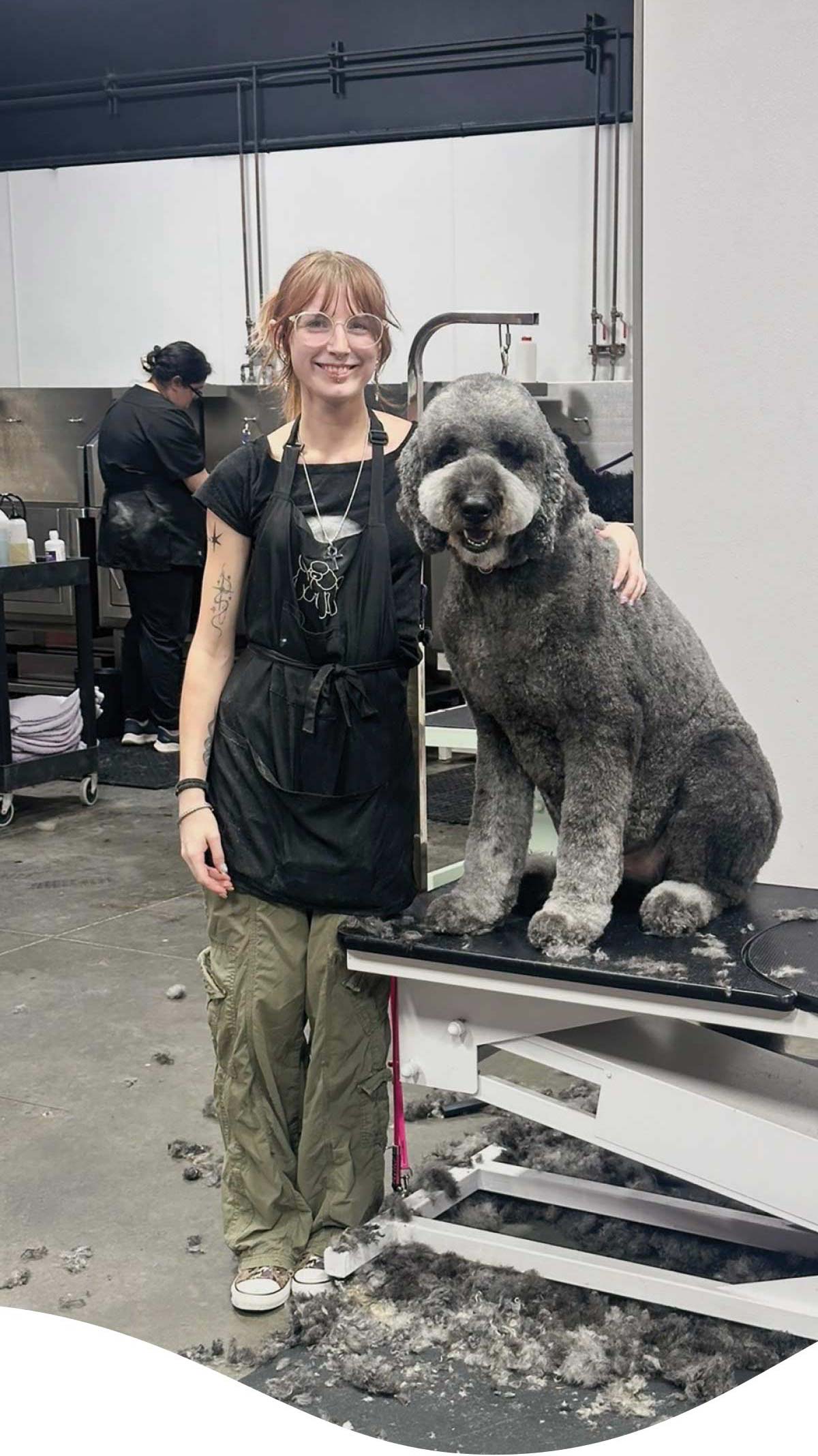


“We all make mistakes, and I had to reinvent myself so many times because of poor planning in the first shop,” she shares. “With this one, I knew exactly what we needed.”
The new space reflects both Southern California culture and classic Hollywood style. The salon features epoxy flooring designed to resemble ocean water, surfboards and a California sunset aesthetic near the entrance.
“We kind of wanted a ‘Beach Boys’ vibe,” Tracy describes. “Then inside the salon, we made it feel like an old-school 1950s Hollywood salon.”
The grooming area includes large vanity-style lighting stations inspired by old Hollywood dressing rooms, while waterproof drying stations and rubber flooring improve functionality and comfort for employees.
Tracy also created dedicated employee areas, including a retro-style break room complete with snacks, coffee and lounge space. Outside, the team can relax while overlooking nearby mountains.
“We really tried to make it comfortable for everybody,” she adds.
One of the salon’s newest additions is a separate cat grooming room— something Tracy says has become increasingly important as demand grows. They currently handle around a dozen cat grooming appointments weekly, many involving more extensive grooming services than simple nail trims.
While Tracy is proud of the salon’s physical space, she believes the people inside it are what truly make Cali Pets special. Many of the company’s groomers have stayed with the business for years.
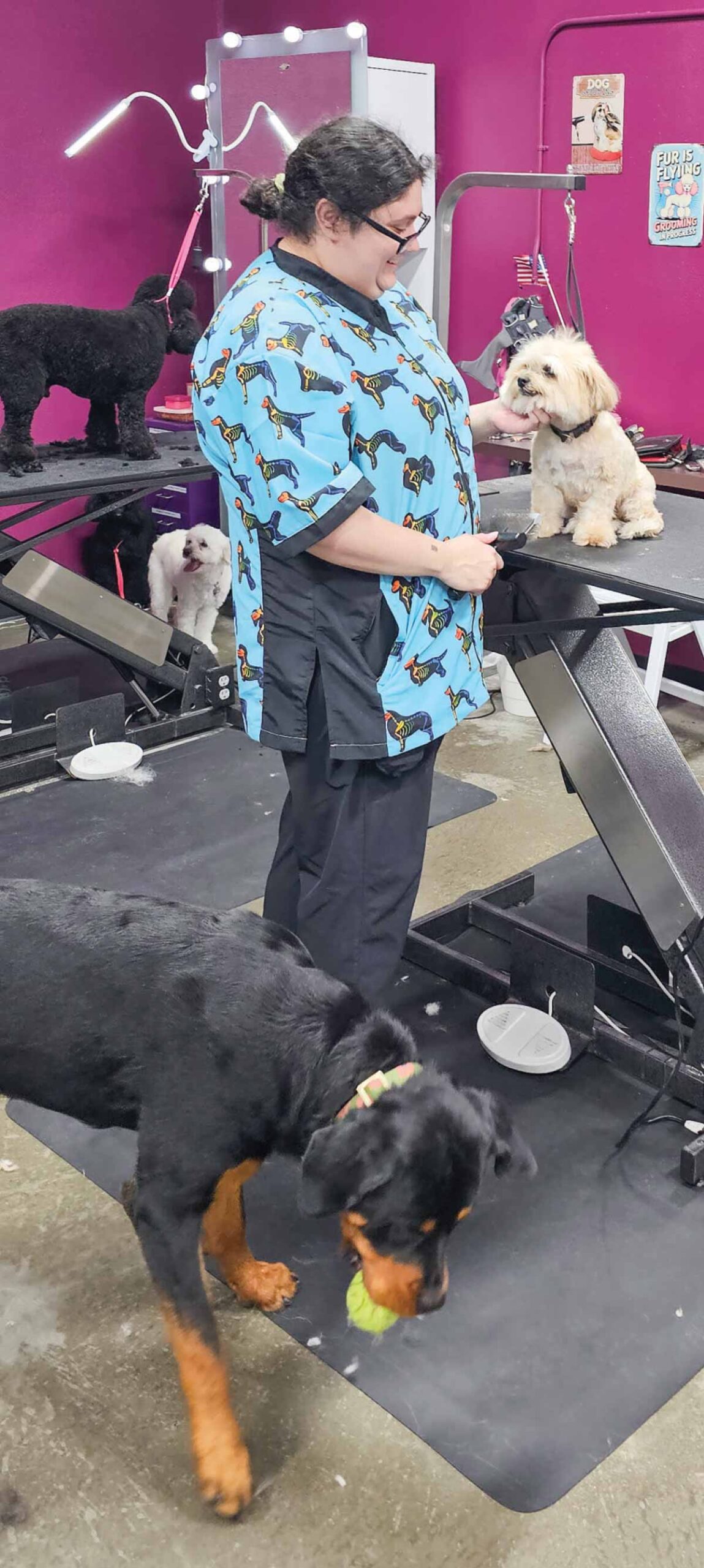


That culture became especially evident during the salon’s recent relocation. The team closed one location Thursday evening, moved equipment Friday, rebuilt the salon Saturday and reopened Sunday morning.
“It took a lot of manpower to make that happen,” Tracy says. “But the team pulled together because they all wanted us to be successful.”
Even with the company’s growth, Tracy still views Cali Pets as an evolving business. The salon is currently rolling out seasonal spa packages, updating its website and expanding online ordering capabilities for retail products. Next on the horizon, though, is doggy daycare.
“In January, I plan to start the buildout for the doggy daycare down below,” Tracy shares enthusiastically.
Still, no matter how much the business grows, Cali Pets’ core mission remains unchanged: creating a safe, welcoming environment for both pets and people—which is the kind of experience that larger corporate stores often can’t replicate.
“When people come to a small business, we really care about your family. We care about the dogs, we care about the clients, and we care about making sure everybody feels welcome,” concludes Tracy.


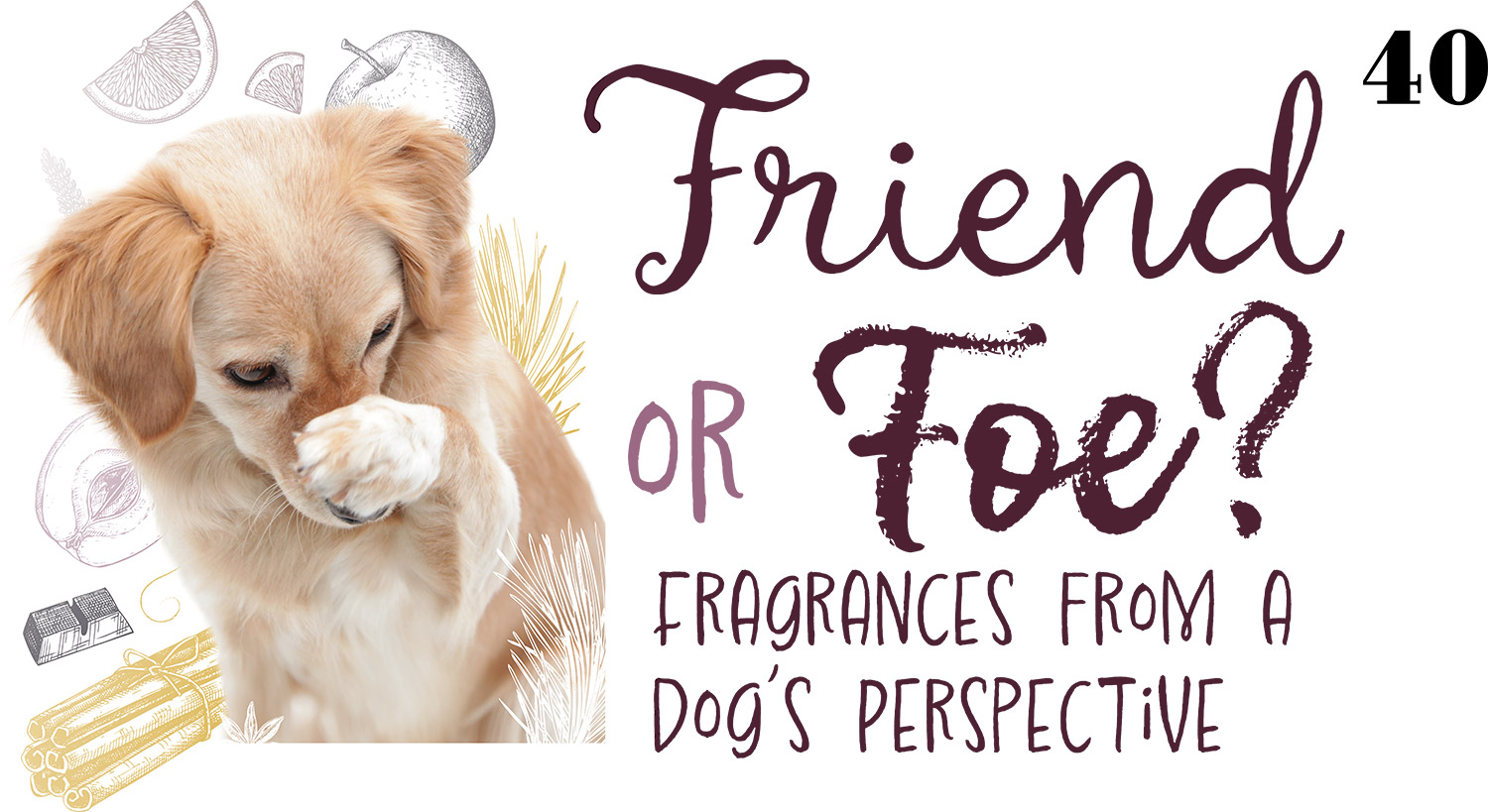
 n important part of being alive is the experiences of our senses: sight, sound, taste, touch and smell. Most mammals share these same senses but in varied ways. For dogs, they live by their noses.
Dogs can track microscopically small molecules of odor, a skill that has served us for centuries by helping us to hunt for food to survive. As hunting has declined in popularity in recent decades, however, many dogs are now being used for their incredible scent-detector skills in law enforcement jobs instead, such as tracking missing persons or detecting drugs.

Florida State University Professor James Walker, DVM, mapped canine olfactory glands of various breeds of dogs. In his extensive work, he tracked in dogs’ noses their ability to detect molecular detail 100,000 times more than humans at the low end, and, depending on the breed of dog, up to a million times more than humans. That high-end data came from, not surprisingly, the Bloodhound.2
We humans only have a handful of olfactory receptors compared to the hundreds of millions of receptors that dogs have. This raises questions about how dogs experience fragrance in grooming products and throughout the grooming experience.
In her book The Other End of the Leash, veterinarian and author Patricia McConnell, Ph.D., writes about how dogs experience the things that we do, from their perspective, based on the science we know about dogs. She likens applying fragrances, detectable and pleasant to humans, to the equivalent of dropping an atom bomb on a dog.3
This is why sometimes the application of a fragrance designed to be pleasant to us humans can cause dogs to run out, at their first moment of opportunity, find a pile of poop or a dead animal carcass, and roll themselves in it to get rid of the fragrance “bomb.”
In one article on “The Nourished Pup” substack, the author writes: “We all want our dogs to smell fresh, but many pet grooming products—shampoos, sprays, wipes, and even toys—contain synthetic fragrances that could be harming your dog more than helping. While they might smell nice to us, these artificial scents often contain hidden chemicals that can trigger allergies, respiratory issues, and skin irritation in dogs.”4
The American Kennel Club website says, “While artificial fragrances should be avoided in dog shampoos, there are safe scented dog shampoos that can leave your dog smelling fresh and clean after their bath . . . Look for natural scents like kiwi or coconut . . . Some plant-derived dog shampoos smell fresh and clean because of the ingredients. Oatmeal in dog shampoo is a common ingredient for sensitive skin. Dog shampoos for sensitive skin will often have a lingering, yummy oatmeal smell as a result.”5
So the next time you pick out a scent for a shampoo, finishing spray or cologne for your salon, remember to put the pets first. Companies often market to our noses, not the dogs. And whatever we are smelling, they are far more sensitive to it.
- Kokocińska-Kusiak, A., Woszczyło, M., Zybala, M., et al. (2021). Canine Olfaction: Physiology, Behavior, and Possibilities for Practical Applications. Animals: an open access journal from MDPI, 11(8), 2463. https://doi.org/10.3390/ani11082463
- Walker, J., Walker, D., Cavnar, P., et al. (2006). Naturalistic quantification of canine olfactory sensitivity. Applied Animal Behaviour Science. https://www.researchgate.net/publication/248335765_Naturalistic_quantification_of_canine_olfactory_sensitivity
- McConnell, P. (2002). The Other End of the Leash. Patricia McConnell, Ph.D. https://www.patriciamcconnell.com/the-other-end-of-the-leash/
- The Nourished Pup. (2026). The Truth About Fragrances in Pet Products: Are They Safe for Your Dog? The Nourished Pup. https://thenourishedpup.substack.com/p/the-truth-about-fragrances-in-pet-da0
- AKC Staff. (2024). Finding the Right Shampoo for Your Dog. American Kennel Club. https://www.akc.org/expert-advice/health/dog-shampoos/
by Dave Campanella
 hile shampoo is sometimes referred to as the lifeblood of a professional groomer’s work, it is a far more complicated substance than most realize. The following will explore some common lingering misconceptions about shampoo shelf life, preservatives and dilution we all need to acknowledge.
Let’s be honest, grooming salons are in no way “cleanroom” environments. A cleanroom is a specifically engineered enclosure in which the concentration of airborne particles, contaminants, and specifically defined environmental parameters are precisely regulated and monitored to meet acceptable levels while adhering to strict, quantifiable standards. Cleanrooms must be totally objective in nature.
When you really think about it, pet bathing rooms—to the contrary—are warm, wet, noisy, chaotic and hairy petri dishes. They are a literal “hot mess” compared to a cleanroom. How could anybody confidently rely upon a pet shampoo’s pre-determined self-life expectancy when there are so many possible combinations of environmental influences lurking in the shadows and working against them?
The bottom line is, the concept of shampoo shelf life is at best a subjective guideline. In a professional setting, expiration dates will fall short every time. Some even say they are meaningless. Therefore, it’s up to the user to realistically manage shampoo inventory based on their unique volume consumption, storage requirements and dispensing methods.
Premature spoilage typically results from something overlooked in the salon’s procedures. Here are some tips to get the most life out of your precious, often pricey, perishable liquids:
- Start with a reliable, timely supplier source you can trust. (Building strong vendor relationships yields business success!)
- Base your shampoo purchases on what your stock turnover is and replenish as needed.
- Strictly rotate your stock, using “old” before “new.” (Sounds like common knowledge, but this still gets commonly overlooked.)
- Know each product’s warranty, return and replacement policy, and manage your receipts in case you need to return or replace an item.
The word “preservative” sounds and looks a lot like “preventative;” however, preservatives will not prevent spoilage, they merely postpone it. Postponing spoilage is great, but for how long exactly? What conclusive or precise expiration date can we solely rely upon?
While we can objectively conclude how preservatives postpone degradation, we must consider their application and all environmental factors surrounding their usage. Any timeframe ranges or claims made for their presence are purely subjective and merely guidelines.
It all comes down to managing our expectations. We need to appreciate our grooming liquids for what they are—powerful yet perishable tools by design and formulation. Understanding this duality explains both their exceptional performance potential and mindful handling requirements.
In professional practice, we should cherish our extraordinary liquid tools as precious resources, keeping the following in mind:
- Preservatives don’t prevent spoilage; they only postpone it.
- Preservatives don’t last forever; heat and bacteria contamination will prematurely exhaust them.
- More natural products typically spoil faster—ingredients like proteins, botanicals or extracts.
- Odorless bacteria can exist; spoilage occurs long before any rank odor will.

When formulating shampoo mixtures, one would think determining dilution rates to be an exact science; however, that’s not so. In fact, it’s totally subjective, varying by function, application method and personal preference.
Marketing plays a key role in determining what any product’s stated dilution range is. What honestly would happen if you’re off a bit while diluting a shampoo that specifically states 32:1 on its label? Any difference in results would be miniscule, if even noticed.
Most groomers are using too much product, especially those that love bubbles. But foaming agents are simply additives. While we like to see bubbles (for some as if viewing fireworks), they do not clean or increase detergency whatsoever. Sometimes bubbles inhibit effective cleaning, they can be hard to rinse off thoroughly, and the foaming agents used to create them are known skin irritants for sensitive pets and people.
While one’s regional water source’s alkalinity and mineral content can sometimes hinder product performance, dilution ultimately boils down to personal preferences. Each of us has a unique set of parameters in terms of the specific look, feel, and smell sought after based on what breed and coat type is bathed.
Initially, back in the day, 8:1 (eight parts water to one part grooming liquid) dilution was considered good for professional shampoo. Premium products were then 16:1, and 32:1 was considered high concentrate or even professional strength. Since then, times have changed and many products have come and gone.
With today’s better-quality surfactants, newer dispensing methods, further field testing and mindful practice, product developers have confidently stretched dilution rate claims a lot further. Today we see 20:1, 50:1, 64:1 and higher.
While there may be some higher percentages of surfactants in these mixtures, don’t assume these to be significant chemical increases. In fact, you may find one brand’s 32:1 shampoo can effectively stretch to 50:1, or that 8:1 conditioner dilutes up to 24:1, while some brands fall short compared to others.
So, stop pouring money down your tub drain. Be stingy, stretch your grooming product dilutions to fit your personal preferences and stock only what you need based on frequent turnover. And remember, bubbles equal fireworks—they’re just pretty to look at!
Dave Campanella is an entertaining seminar speaker, popular podcast guest, industry columnist and educator. He is Best Shot Pet Products sales and marketing director with over 30 years of pet industry wisdom. He and his wife Tracy (NCMG) co-owned a full-service pet salon and self-wash in Ohio prior to relocating with Best Shot to Central Kentucky 20 years ago. Together the Campanellas enjoy exhibiting at grooming shows, being industry ambassadors, and breeding AKC registered Kerry Blue Terrier Champions under the Goodfellas prefix.



hen we think about the liquids in a grooming salon, our minds immediately go to the bath and finish: the degreasers, the deshedding shampoos, the texturizers and the finishing colognes. But there is a world of essential fluids that never touch a dog’s coat, yet they are the absolute lifeblood of your business. If you want your expensive equipment to last, your cuts to stay precise and your motors to stop burning out, you need to add fluid-maintenance habits to your routine.
- The Formula: Clipper blade oil is a low-viscosity, lightweight mineral oil specifically designed to withstand high-thermal environments.
- The Job: It acts as a rapid cooling agent and a micro-barrier. Because clippers move so fast, this oil needs to be thin enough to spread instantly across the teeth without gumming up under high heat.
- The Formula: High-quality scissor oil is typically a synthetic, heavier, more viscous oil (often containing silicone).
- The Job: It is designed to stay exactly where you put it—in the pivot joint—to provide a smooth, cushioned feel.
Pair your daily drop of scissor oil with a silicone-treated or micro-abrasive cleaning cloth specifically made for shears. These specialized cloths physically grab the invisible “gunk”—a binding buildup of dander, product residue and moisture—that causes blades to push or fold hair.
By using your oils and specialized cleaning cloths daily, you aren’t just lubricating; you are physically flushing that grit out of the path of the blade. When you remove the friction and the microscopic abrasive damage, you directly extend the lifespan of your edge.
Industrial greases come in a rainbow of colors for different machinery. For pet clippers, you want red grease. Red grease is specifically formulated as a high-performance, high-temperature lubricant that won’t melt, thin out or run off when the clipper heats up, ensuring it stays exactly where the friction is.
Many popular clipper sprays contain high concentrations of alcohol and harsh chemical solvents. Certain types of plastic housing—specifically those made from standard ABS polymers—are highly susceptible to chemical attack. On a molecular level, the chemicals absorb into the plastic, disrupting the polymer chains and stripping away the plasticizers that give the casing its flexibility and impact strength. Over months of exposure, the plastic becomes incredibly brittle.
You don’t need to look far to see that the industry is well aware of this. If you read the fine print in the user manuals of several major, high-end clipper brands, you will find a common warning: “Damage to plastic housings caused by the use of coolant sprays is explicitly excluded from factory warranties.” The clipper manufacturers aren’t making bad products; they are simply using lightweight, high-impact plastics designed to withstand drops and high motor speeds, not chemical solvents.
The damage isn’t just mechanical; it’s biological. Flip over almost any popular aerosol clipper coolant or disinfectant, and you will see a troubling warning label: “Known to cause cancer.” Blasting an aerosol can multiple times a day forces both you and the dog in your custody to breathe in toxic, atomized chemical solvents. Furthermore, if the spray residue isn’t wiped off the metal completely, it can cause severe chemical clipper burns on a dog’s skin.
To avoid damage to the plastic housing, the fix is simple: Pop the blade off completely before spraying it, or shield the clipper body with a towel so the mist only hits the metal blade. In addition, a biologically safe alternative has been developed in the form of a specialized, liquid blade wash and tool sanitizer that is free of kerosene, fuel solvents and petroleum distillates. So you don’t have to choose between keeping your tools clean and preserving your health or your equipment.
In order to prevent this, every couple of months, you need to crawl under your tables and tubs to lubricate the moving joints, tracks and lifting mechanisms. By regularly applying a penetrating lubricant like WD-40 to displace trapped moisture and clean out the gunk, followed by a heavy-duty machine oil to lubricate them, you drastically reduce mechanical resistance. The result is hydraulic pumps and motors that run smoother, quieter and last for years longer.
Every time you choose a dedicated scissor lubricant to flush out micro-grit, pack your blade drives with high-temperature red grease to cool high-friction parts or crawl under your hydraulic tables with WD-40, you are casting a vote for your own success.
Your tools are your livelihood, and they are an extension of your talent. Take care of your tools and equipment with the proper fluids behind the scenes, and your equipment will effortlessly take care of you, your clients and your bottom line for years to come.


by Lynn Paolillo
 ne of the most common comments I hear as a professional cat groomer is, “But I thought cats groomed themselves.” Usually this comes from the owner of a cat sitting on my grooming table suffering from mats, dandruff, hairballs, overgrown nails or a crusty rear end.
The funny thing is, they’re not entirely wrong—cats do groom themselves. In fact, they spend a significant portion of their day licking and maintaining their coats. The problem is that self-grooming isn’t always enough.
After nearly two decades of grooming cats, I’ve noticed that grooming needs tend to follow predictable patterns throughout a cat’s life. The issues I see in a six-month-old kitten are very different from what I see in a 10-year-old cat, and those are very different from the challenges facing a 17-year-old super senior.
Understanding those changes can help us become better groomers, allow us to make better recommendations to clients and, most importantly, help cats stay comfortable throughout their lives.
The conversation is almost always the same: “My cat never needed grooming before,” “He never had mats until recently” or “She’s always taken care of herself.” And they’re usually right. For years, many of these cats did perfectly fine on their own. Then something changed…
Maybe arthritis made it difficult to reach their back end, maybe they lost flexibility, maybe kidney disease affected coat quality, or maybe they simply didn’t have the energy to keep up with the amount of grooming their coat required.
Whatever the cause, the result is often the same: a cat that successfully maintained itself for over a decade suddenly begins falling behind. This is why I often tell clients that grooming is a little like retirement planning—the best time to prepare is long before you need it.
By the time a super-senior cat develops severe matting, painful hairballs or ingrown nails, our options become more limited. Their skin is thinner, their tolerance for handling may be lower, and many have underlying health conditions that make grooming more physically demanding. The very thing they need can also become stressful.
This is where prevention becomes invaluable. A cat that has been introduced to bathing, drying, handling, nail trims and professional grooming throughout life often tolerates those services far better when they truly need them later.

For many cats, this happens somewhere between seven and 12 years of age. The changes can be gradual enough that owners don’t immediately connect them to aging. But as groomers, we see the pattern all the time.
The reality is that many senior cats benefit tremendously from routine maintenance. Regular nail trims help prevent painful overgrowth, bathing removes excess oils and dead coat that may be contributing to hairballs and skin issues, and sanitary trims become increasingly important when mobility starts to decline.
This is often when I encourage owners to stop thinking of grooming as a luxury service and start viewing it as part of their cat’s healthcare routine. And not because every senior cat needs a lion cut, but because every senior cat deserves to be comfortable.
In fact, the adult years are often when we identify what a cat’s long-term grooming needs are going to be:
- Will they be prone to matting?
- Will they struggle with shedding and hairballs?
- Do they have a dense undercoat that benefits from routine deshedding?
- Do they tolerate handling, bathing and drying?
These are the years when patterns emerge.
One thing I’ve learned is that coat length isn’t always the best predictor of grooming needs. Coat texture and density often matter much more. Some longhaired cats have silky coats that rarely mat. Others have soft, cottony coats that seem determined to tangle if you look at them wrong.
The same is true for shedding. Some cats seem to produce enough hair every spring to build a second cat. Others shed very little despite having thick coats. Helping owners understand their individual cat’s coat type is often more valuable than giving generic grooming advice.
Owners are often confused because they weren’t having problems before. The kitten looked beautiful, the coat felt soft and brushing seemed easy. Then suddenly the cat starts developing clumps under the front legs, tangles on the belly and knots around the rear end.
This stage is particularly common in breeds such as Persians, Ragdolls, Siberians and many domestic longhairs. What makes it challenging is that owners often assume they’re doing something wrong. In reality, the coat itself is changing.
As groomers, this is a wonderful opportunity for education. Teaching proper combing techniques, discussing realistic maintenance expectations and introducing professional grooming early can prevent a lot of future headaches. Because once a juvenile cat becomes heavily matted, their first grooming experience is often a shave-down. And that isn’t how I prefer to introduce cats to grooming.
One of my favorite things about grooming kittens is that there is very little pressure. We’re not trying to solve a major coat issue—we’re building future skills. Every positive grooming experience becomes an investment that pays dividends later.
Too often, owners wait until there is a problem before introducing grooming. Unfortunately, that means the cat’s first experience may involve mat removal, extensive brushing, shaving or other procedures that are uncomfortable by necessity.

The best grooming appointment is rarely the dramatic shave-down that transforms a severely matted cat. Those certainly make for impressive before-and-after photos, but the real success stories are often much quieter. They’re the cats who come in regularly enough that they never develop painful mats, the seniors whose nails never become ingrown or the longhaired cats whose owners never have to make that panicked phone call because their cat suddenly turned into a pelted mess.
As groomers, we have the opportunity to help clients think beyond today’s appointment and focus on the years ahead. Whether we’re working with a tiny kitten, a difficult adolescent or a beloved senior, every positive grooming experience is an investment in that cat’s future comfort. And in my experience, those investments tend to pay off when they matter most.

by Chris Anthony
 In the fast-paced world of mobile and house-call grooming, where time is money and we balance producing high-quality grooms with speed, where does conditioning fall? Does every pet need it? Won’t that slow drying time?
While we know that using a good-quality shampoo can make a huge difference in results, many of us have fallen prey to the trap of putting speed first and either skipped conditioner completely or used a leave-in spray conditioner. The results were OK—but when you are marketing a luxury service, you want more than OK.
A key component is choosing the correct conditioner for the individual pet’s coat or desired effect. To really understand why different conditioners will have different effects on pets’ coats, we have to get a little scientific…
Conditioners work by either loving water (hydrophilic/humectant) and attracting humectants into the hair shaft, plumping the hair and helping it maintain flexibility. Or the conditioner hates water (hydrophobic/emollient) and protects the hair by leaving a film on the hair cuticle, preventing the hair from absorbing moisture, therefore reducing frizz and breakage. Both of those sound good and are necessary in coat care, not only in conditioners but in shampoos as well, and a balance of the two is essential.
A high-porosity (more porous or open cuticle) coat would need more moisture and can tolerate a heavier conditioner than a drop coat with a more closed hair cuticle, or a low-porosity coat. The key is to have a balanced, usually lightweight conditioner that won’t weigh the coat down or take a long time to rinse and dry. The range of products available to us has increased in quality and availability in the past 20 years, making it easier to find a good balance.
When we’re reading an ingredient label and looking for a hydrophilic water-attracting conditioner, ingredients would include Glycerin, panthenol and butylene glycol. For sealing the cuticle and protecting it from getting frizzy, we’d be looking for lightweight water-soluble silicones like dimethicone copolyol or amodimethicone. Other hydrophobic ingredients to look for would be jojoba, flaxseed or avocado oil. If we’re not worried about buildup since we know that we need longer-lasting frizz control that will be taken care of by a deep-cleansing shampoo, dimethicone will work nicely.
For example, if your hands are dry and cracked, just applying baby oil or Vaseline won’t solve the problem of your skin being dry. Similarly, if the coat is frizzy from being dry and damaged, we need to add hydration before we seal the cuticle. Hydrophobic products will add a layer of protection to the hair by sealing the cuticle of a damaged hair shaft, but it won’t hydrate or repair it.
Another reason for balanced conditioners is that after we’ve added moisture to frizzy, damaged hair, the extra “slip” lightweight hydrophobic conditioners (like silicones) create can help in the deshedding or dematting process as well as protecting the coat while brushing.
What all those descriptors have in common is keeping the hair shaft in good condition (pun intended). All of the pets we groom—cats included—will have at least a part of their natural sebum layer removed during the shampoo. Replacing it with a high-quality conditioner that suits the pet’s needs will help repel dirt instead of attracting it.
We’ve generally accepted that harsh dematting of the coat—and often just regular brushing—can damage it and cause matting to return in the same spots. Proper conditioning will help repair the hair shaft, keep the cuticles more closed, and actually speed up drying and styling. Time and science have taught us that those extra few minutes in the bath, with the correct products, actually make the groom faster and the next groom easier.
Mobile and house-call groomers can often feel limited in the products that we can have on-hand or carry into people’s homes. Here is where our finishing oils and sprays come into play. While I’ll use a balanced rinse-out conditioner for every pet, they don’t all get the same finishing spray. What works great on one dog might leave another’s coat limp and heavy.
House-call groomers have to put some extra thought into which sprays we use, or at least extra care in how we use them, as they can leave floors slippery. While that’s not an issue for us wearing our non-slip shoes, you can’t always assume every member of the household will be wearing non-slip shoes at all times.
It’s not always about today’s groom; it’s about the time between grooms and making the next one even easier and faster. However, what should always come first is the best possible care of the pet in front of us. So the next time you have a pet in your van or client’s tub, remember that skipping conditioner is not the key to speeding up the process.

Call (717) 691-3388 ext 224 to place a Classified.
Rates: 25 words or less, $50.00.
Each additional word, $2.00 each.
Classified ads must be prepaid.
Call for issue deadlines.
Agency discounts do not apply.